Safety Innovations in Well Intervention Operations

Written By: Computer Science Professor
Deeply rooted in the R&D of simulators for the oil and gas industry, committed to bringing safety to every oil worker.
The well intervention process creates safety hazards because workers must handle pressurized live wells. The oil and gas sector has implemented various technological solutions and operational methods to create safer working conditions which limit human contact with dangerous situations and enable better security management. The development of automated systems together with digital tracking technologies and specialized tools has created a safer and more effective method to conduct well intervention processes.
Understanding the Basics of Well Intervention
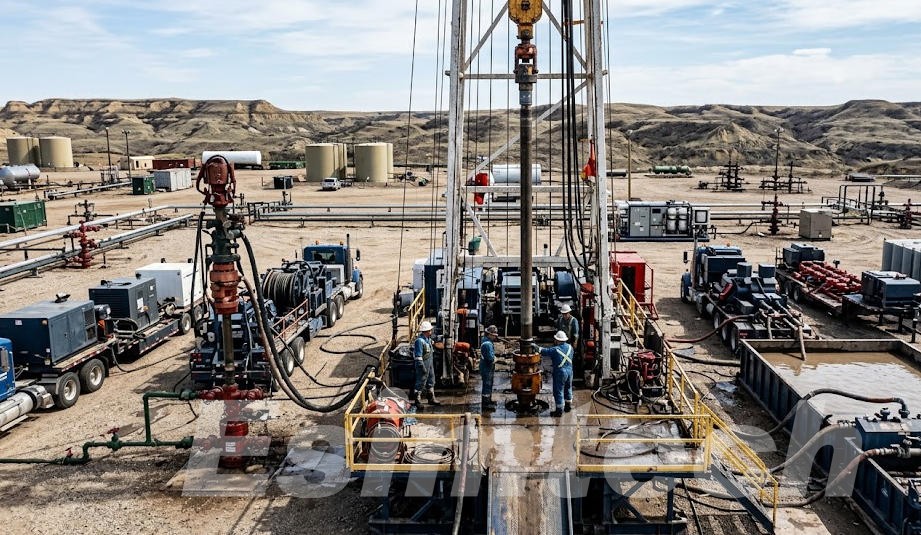
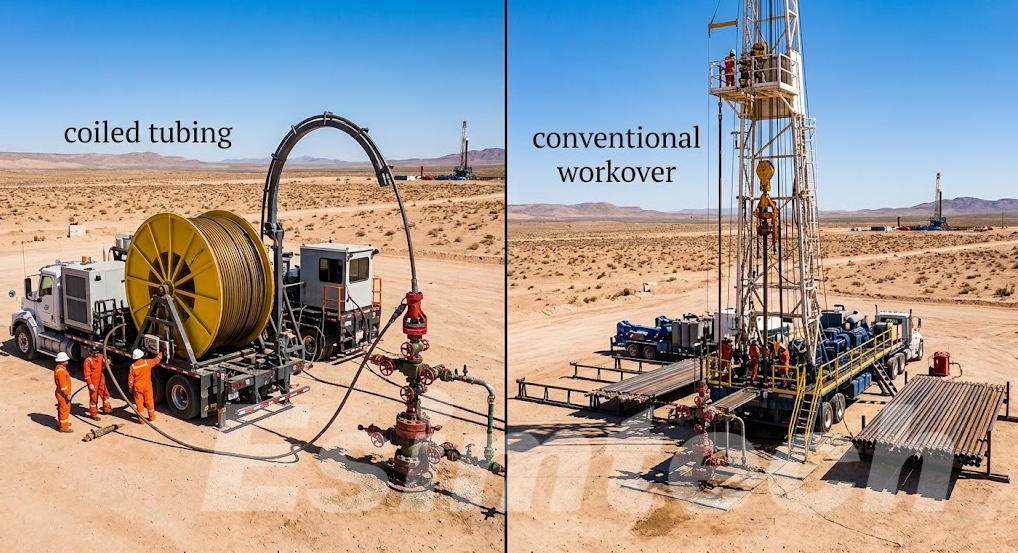
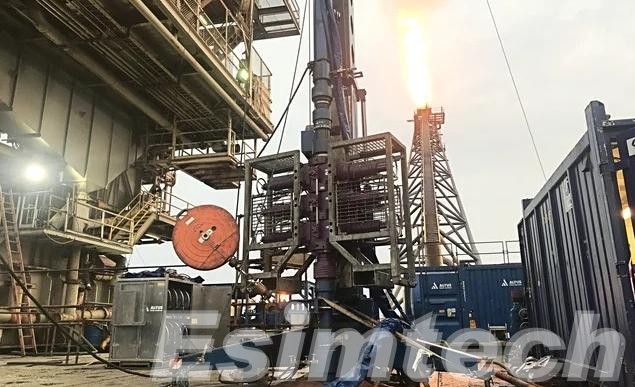
Well intervention consists of multiple activities which oil or gas wells undergo to improve production levels and restore their original capacity and solve operational difficulties. The operations include wellbore cleanout activities together with reservoir stimulation, pressure testing, equipment replacement and logging. Well intervention operations utilize three different techniques which include wireline, coiled tubing and snubbing units to match specific well conditions and operational goals. The aim of well intervention processes enables operators to achieve maximum well production with extended well operational time while maintaining protection for the wellbore structural components.
Why Safety Innovations are Needed in Well Intervention Operations
| Key Reason | Explanation | Impact on Operations |
| Managing High-Pressure Environments | Well intervention often occurs in wells containing high-pressure oil, gas, or formation fluids. Advanced safety technologies help maintain pressure control and prevent uncontrolled releases. | Reduces risk of blowouts, leaks, and well control incidents. |
| Protecting Personnel | Workers may be exposed to hazardous conditions such as toxic gases, heavy equipment, and high-pressure systems. Safety innovations help minimize direct human involvement in dangerous areas. | Improves worker safety and reduces workplace injuries. |
| Preventing Equipment Failure | Intervention operations rely on complex equipment such as wireline units, coiled tubing systems, and pressure control devices. Technological improvements enhance reliability and early fault detection. | Minimizes operational accidents and costly downtime. |
| Addressing Increasing Well Complexity | Modern wells are deeper and more technically challenging, including high-pressure and high-temperature environments. Advanced tools and monitoring technologies are required to safely perform interventions. | Enables safer operations in complex well conditions. |
| Reducing Environmental Risks | Accidents during well intervention can lead to oil spills, gas leaks, or contamination. Safety innovations improve containment and monitoring systems. | Protects the environment and reduces regulatory penalties. |
| Improving Operational Efficiency | Advanced safety systems often integrate automation and real-time monitoring, which helps operators manage intervention activities more effectively. | Enhances operational reliability and reduces delays. |
| Meeting Regulatory Requirements | The oil and gas industry must comply with strict safety and environmental regulations. Continuous innovation ensures that operations meet evolving industry standards. | Helps companies maintain compliance and avoid legal risks. |
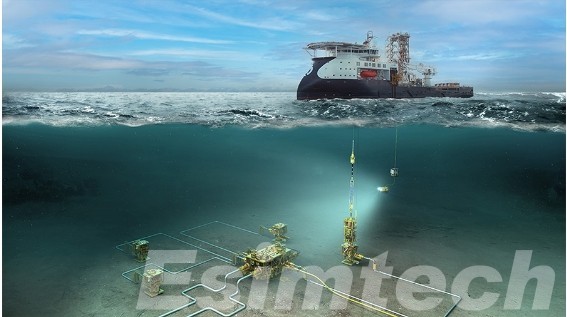
Key Innovations in Enhancing Safety in Well Intervention Operations
1. Advanced Pressure Control Systems
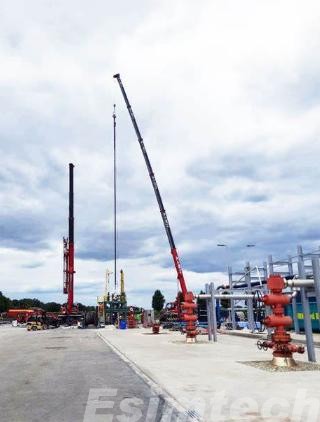
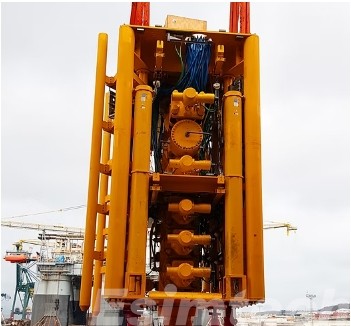
Pressure control is the pinnacle of well safety. To secure this matter, modern pressure control equipment drastically transformed to shut in well fluids during intervention activities. Guerrilla technology such as the advanced blowout preventers (BOPs), lubricators, and the new trending sealing technologies to maintain pressure integrity are among the reasons we are spending really resilient lead time. Companies continue to evolve these technological systems, investing in new developments such as enhanced sealing materials, capacity for real-time monitoring, and multiple safety features installed to prevent any type of uncontrolled fluid release.
Current modular designs for pressure control equipment further give well operators the needed flexibility for changing out equipment configurations in response to changes in the well situation and operations-improving both operational safety and flexibility.
2. Real-Time Monitoring and Digital Technologies
Digitalization has become a key facilitator in enhancing safety levels within the WAS operations. Real-time monitoring systems now allow continuous recording of the pressures, temperatures, flow rates, and performance of the tools in the well.
High-energy sensors and data acquisition systems pass this information straight up to the surface control units for visibility to the engineers to make instantaneous judgments on the condition. Early coordinative system waring has now been established that will pump alerts into the system within a fraction of a hose burst, loss of flow vein the attending media, the normally result in UN emergency-sharing pressure.
Some operations are also successfully connecting monitoring platforms to clouds and predictive analytics that dissect suctions made by interventions with remote experts stacked against local real-time decision-making during physical interventions, which by all means are indeed demanding scenarios.
3. Remote and Robotic Intervention Technologies
Safety innovation’s major focus is the reduction of human exposure to adverse working environments. Acceptance has taken hold of remote-controlled and robotic intervention technologies, which would now carry out tasks that traditionally exposed personnel to high-risk areas.
For example, remotely operated wireline systems and robotic pipe handling equipment perform tool deployment and retrieval with minimal human intervention. Automated intervention units enable control of key processes by operators from secure control rooms, which significantly decreases the possibility of onsite accidents.
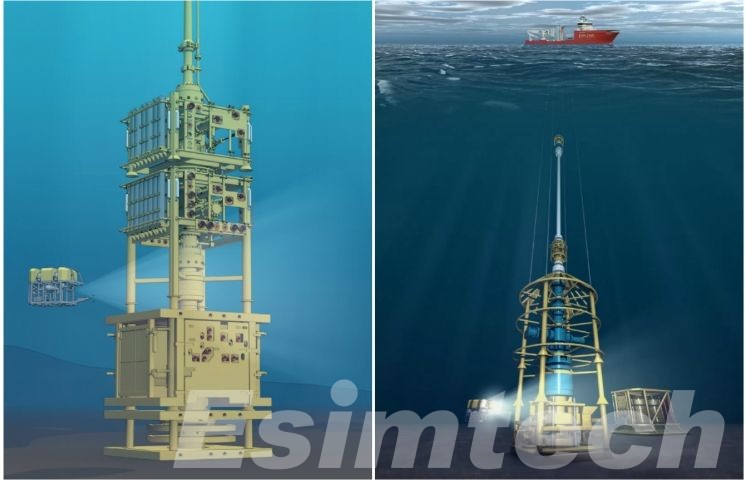
In offshore environments, remotely operated vehicles (ROVs) also support subsea well intervention operations, thereby achieving superior safety and operational precision.
4. Enhanced Well Integrity Monitoring
Preserving the state of well integrity is of utmost importance to prevent leaks, blowouts, and environmental disasters. Modern well intervention operations involve sophisticated diagnostic tools for assessing wellbore and surround structures.
These technologies include high-resolution logging, fiber-optic monitoring, and digital acoustic sensors that can identify, for instance, casing corrosion, formation damage, or pressure anomalies. They provide very detailed well conditions before and during intervention activities, thereby allowing the operators to take early preventive actions before any event gets bad.
High-resolution imaging acoustics allow for early detection and intervention long before a failure could occur.
5. Automation in Intervention Equipment
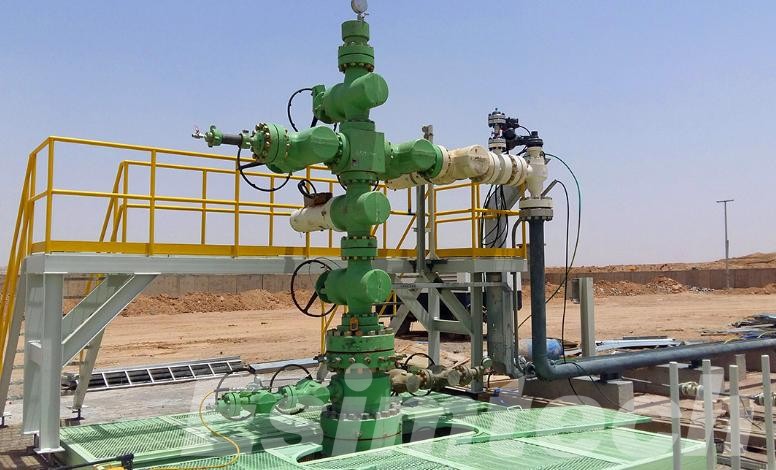
Newer generation wells are employing automation techniques to have uniformly safe operation while on intervention trips. Automated systems may include sophisticated features for controlling aspects of tool release, mud circulation, and tool pressure regulation.
For example, the advent of higher degrees of digital control has been attributed to the sluggish technological manifestation of automated coiled tubing units and smart wireline systems for purposeful control. Automated systems decrease human interaction which lowers the probability of human error, guaranteeing that equipment meets safe operational limits.
Also, automated safety interlocks quickly shut down operations if deviations arise in the average system.
6. Enhanced Safety Training and Simulation
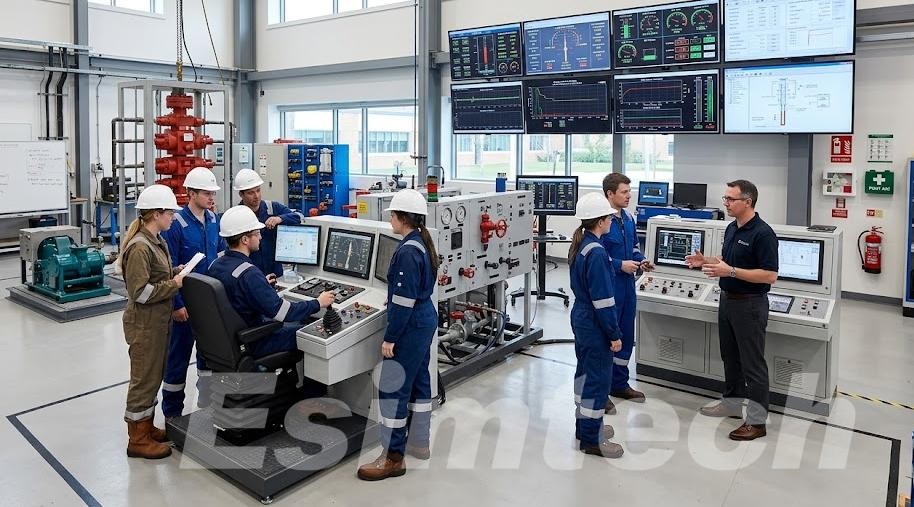
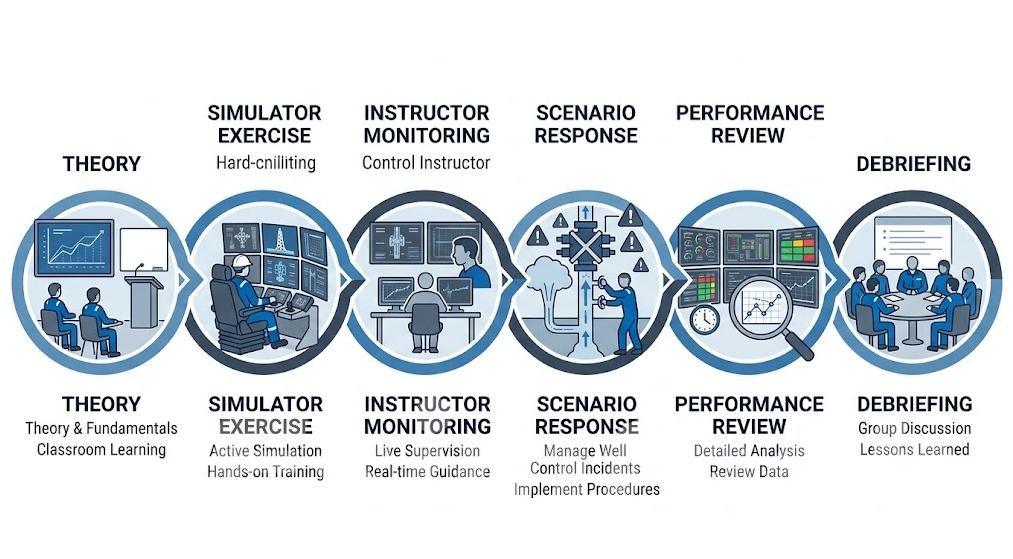
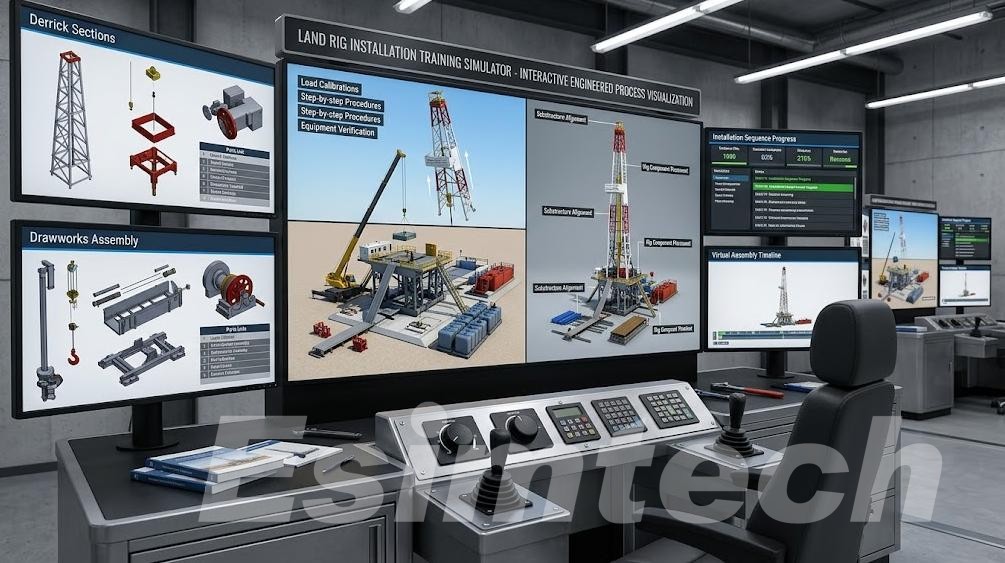
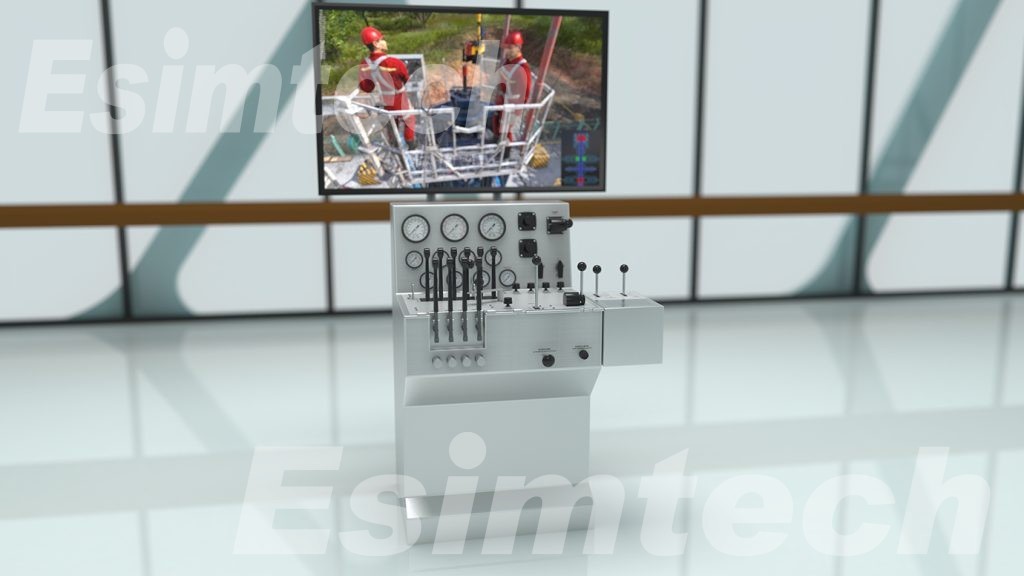
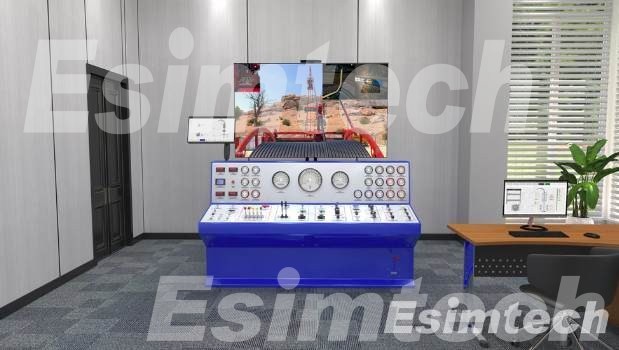
Advanced oil and gas simulation platforms allow engineers and technicians to practice complex intervention scenarios in a virtual environment.
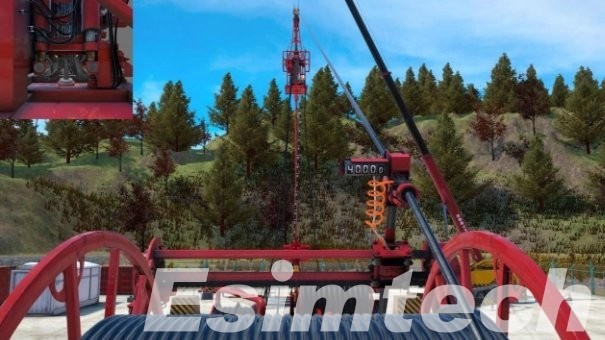
This chart outlines how simulation technologies are used to enhance safety in well intervention operations by predicting potential issues, training personnel, and optimizing equipment performance before and during actual field operations.
| Simulation Technology | Purpose | Benefits | Impact on Safety |
| Wellbore Simulation | Models the behavior of fluids, pressure, and well integrity during intervention operations | Helps predict well responses to intervention activities, such as pressure changes or fluid influx | Allows for better planning, preventing unexpected well control issues and blowouts |
| Real-time Monitoring and Simulation | Simulates well conditions in real-time during intervention | Provides continuous feedback on pressure, temperature, flow rate, and equipment performance | Enables early detection of issues, allowing quick intervention and reducing risks |
| Dynamic Well Control Simulators | Models scenarios of pressure control, kick detection, and blowout prevention | Enhances the training of personnel in managing well control incidents | Improves well control skills and preparedness, reducing the likelihood of human error in critical situations |
| Drilling and Intervention Simulators | Virtual environments to simulate complex well intervention tasks, such as coiled tubing simulations, snubbing simulations, etc. | Trains operators and engineers to handle difficult intervention scenarios | Reduces the risk of accidents by improving personnel competency before real-world application |
| Equipment Performance Simulators | Simulates the behavior of intervention equipment like wireline units, BOPs, and coiled tubing | Assesses the performance and potential failure modes of equipment in various conditions | Ensures equipment reliability and helps prevent failures during actual operations |
| Offshore and Subsea Simulation | Models offshore well intervention activities, including subsea well control and ROV operations | Provides insights into subsea conditions, operational risks, and response strategies | Enhances safety in challenging offshore and subsea environments by preparing for complex interventions |
| Virtual Reality (VR) and Augmented Reality (AR) | Uses VR and AR for immersive training in well intervention scenarios | Provides realistic training environments for personnel to practice well intervention without physical risk | Enhances hands-on experience, improving safety by simulating high-risk scenarios in a controlled setting |
7. Integrated Safety Management Systems
Modern well intervention operations increasingly involve integrated safety management systems that entail operational procedures, online monitoring, and compliance with regulations.
These systems ensure that the operators track safety performance, risk assessments, and that intervention activities are run strictly following operational protocols. Digital documentation, digital reporting tools, and safety analytics help bring transparency and accountability to the intervention process.
Continuous improvement is also supported by these systems, as they recognize patterns indicating safety incidents and recommend preventive measures.
Summary
For the better control of risks, enhancing effective safety systems in well intervention operations in oil and gas is breathing fresh life into the industry while ensuring environmental safety. To help the operators confront varied conditions, cutting-edge technologies used for well intervention operations, such as advanced pressure control systems, real-time monitoring, robotic intervention tools, and automated equipment, offer increased assurance of the control needed to perform in complex well conditions.