Shale Oil Drilling: Challenges and Innovations

Written By: Computer Science Professor
Deeply rooted in the R&D of simulators for the oil and gas industry, committed to bringing safety to every oil worker.
Shale oil drilling has become one of the most significant changes in the global energy field during the last few decades. I mean, the pace of its expansion has kind of reshaped energy markets worldwide, and it also pushed oil and gas companies to change their strategies, fairly quickly.
Still, shale oil drilling is not a simple ride. It brings a bunch of technical, financial, and ecological issues, all at the same time. Compared with conventional reservoirs, shale formations often have extremely low permeability. Operators need advanced drilling approaches, careful reservoir management, and constant technical upgrades. In practice, improvements in drilling tools, automation systems, data analytics, and environmental protection measures are giving operators a way to handle these problems, and in many cases, they improve both efficiency and long-term sustainability.
The Characteristics of Shale Oil Reservoirs
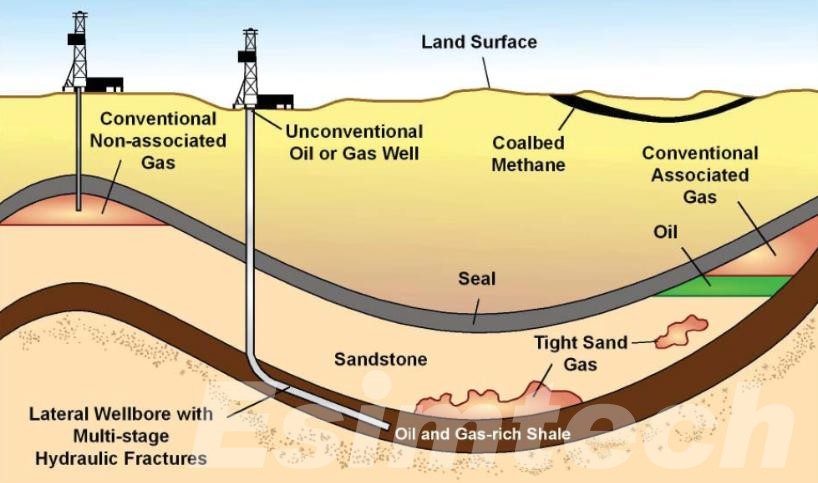
Shale oil counts as an unconventional oil resource, and it is commonly located in fine-grained sedimentary rocks. In conventional settings, oil can usually travel on its own through porous rock layers. But in shale, the formations have very limited permeability, so extraction becomes much more complicated.
Key traits of shale oil reservoirs often include intricate geological structures, an uneven distribution of hydrocarbons, small natural flow rates, and noticeable swings in rock behavior. Because of this mix, companies have to rely on advanced drilling and stimulation methods in order to build artificial routes, so oil can actually move toward the wellbore.
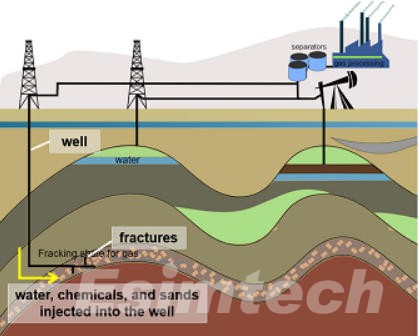
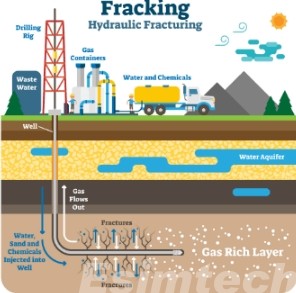
Horizontal drilling helps wells reach thousands of meters through the productive shale intervals, which increases the contact area with the reservoir. After that, hydraulic fracturing forms fracture networks inside the rock, which boosts how easily oil flows and supports higher production rates.
Major Challenges in Shale Oil Drilling
The following chart provides the key challenges associated with shale oil drilling, together with the impacts and common solutions
| Challenge | Description | Impact on Shale Oil Drilling | Common Solutions |
| Complex Geological Conditions | Shale formations have highly variable rock properties, including differences in thickness, pressure, mineral composition, and fracture behavior. | Increases uncertainty in well placement and can reduce production efficiency. | 3D seismic imaging, logging-while-drilling (LWD), real-time formation evaluation, and advanced reservoir modeling. |
| High Drilling and Completion Costs | Shale oil wells require horizontal drilling, hydraulic fracturing, specialized equipment, and large amounts of materials. | Raises project investment requirements and affects economic profitability. | Automated drilling systems, optimized well designs, improved drilling efficiency, and cost-control technologies. |
| Wellbore Stability Problems | Shale formations can be unstable due to sensitivity to pressure changes, drilling fluids, and mechanical stress. | Causes borehole collapse, stuck pipes, drilling delays, and increased operational risks. | Advanced drilling fluids, real-time monitoring systems, optimized drilling parameters, and pressure management technologies. |
| Hydraulic Fracturing Challenges | Creating effective fracture networks requires precise control of fracture growth and reservoir response. | Poor fracture performance can reduce oil recovery and increase operational costs. | Improved fracturing fluids, high-performance proppants, microseismic monitoring, and fracture simulation models. |
| Water Management Issues | Hydraulic fracturing requires significant water volumes, and wastewater must be properly handled. | Creates environmental concerns and increases operational complexity. | Water recycling systems, produced water treatment, and reduced-water fracturing technologies. |
| Rapid Production Decline | Shale wells often experience high initial production followed by a quick decline rate. | Requires continuous drilling and optimization to maintain output. | Enhanced oil recovery (EOR), improved completion techniques, and advanced reservoir management. |
| Environmental and Regulatory Challenges | Shale drilling may involve concerns related to emissions, groundwater protection, land use, and waste disposal. | Increases regulatory requirements and operational restrictions. | Methane monitoring, emission reduction technologies, closed-loop drilling systems, and sustainable practices. |
| Equipment Reliability and Maintenance | Drilling and fracturing operations involve high-pressure equipment operating under harsh conditions. | Equipment failures can cause downtime, safety risks, and higher maintenance costs. | Predictive maintenance, IoT sensors, automated inspection systems, and condition monitoring technologies. |
| Operational Safety Risks | High-pressure drilling, fracturing operations, and complex equipment create safety hazards. | Increases risks to workers, equipment, and the environment. | Advanced safety monitoring, simulation-based training, automation, and improved operational procedures. |
Key Innovations Transforming Shale Oil Drilling
As shale reservoirs get more intricate and operators feel more pressure to boost output while improving sustainability, new technologies are reshaping nearly every phase of shale oil development. From smart drilling systems and artificial intelligence to improved fracturing approaches and environmentally responsible routines, these updates are leading to more effective, and in practice more dependable methods for taking oil from unconventional resources.
1. Advanced Horizontal Drilling Technologies
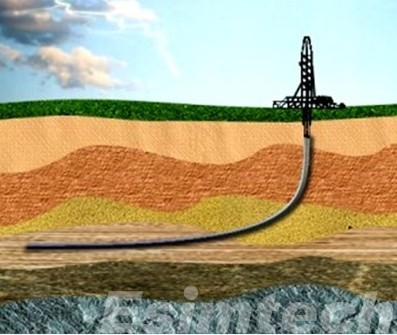
Horizontal drilling is still one of the main technologies pushing shale oil production forward. Instead of relying on conventional vertical wells, horizontal wells can reach thousands of meters through thin shale seams, which raises the contact time with oil-bearing rock. Even so, keeping the trajectory accurate in tangled underground settings demands ongoing refinements, and better sensing, and real time monitoring.
Modern rotary steerable systems have greatly improved directional drilling accuracy, by letting drill bits track planned trajectories with more precision. In practice these systems reduce the need for constant tweaks , and help operators maintain the most suitable well paths inside the productive zones. Measurement While Drilling (MWD) and Logging While Drilling (LWD) technologies then feed back real time clues about formation behavior, so engineers can make immediate calls while the drilling process is happening.
Further drilling automation adds efficiency, by tuning factors like weight on bit, drilling speed, torque, and fluid pressure. These approaches also cut down drilling duration, lower equipment wear, and elevate the overall performance of shale oil wells.
2. Digital Oilfield Technologies
Digital transformation is becoming one of the key factors in modern shale oil development, and it also keeps showing up everywhere. Digital oilfield technologies, yes, they integrate sensors, communication systems, data platforms and analytical tools, to give operators real time visibility into drilling as well as production actions.
During shale operations, large volumes of data get generated continuously, including geological information, drilling parameters, equipment conditions, and the production performance side of things. Advanced data management systems help companies collect, process, and analyze that information, so they can spot opportunities for improvement a little earlier than usual.
Digital platforms improve decisions because engineers receive clear operational insights. For example, real time monitoring systems can notice shifts in drilling conditions, point out possible issues and then suggest adjustments before they become critical. This helps cut downtime, improves safety, and boosts operational efficiency.
3. Simulation Technologies
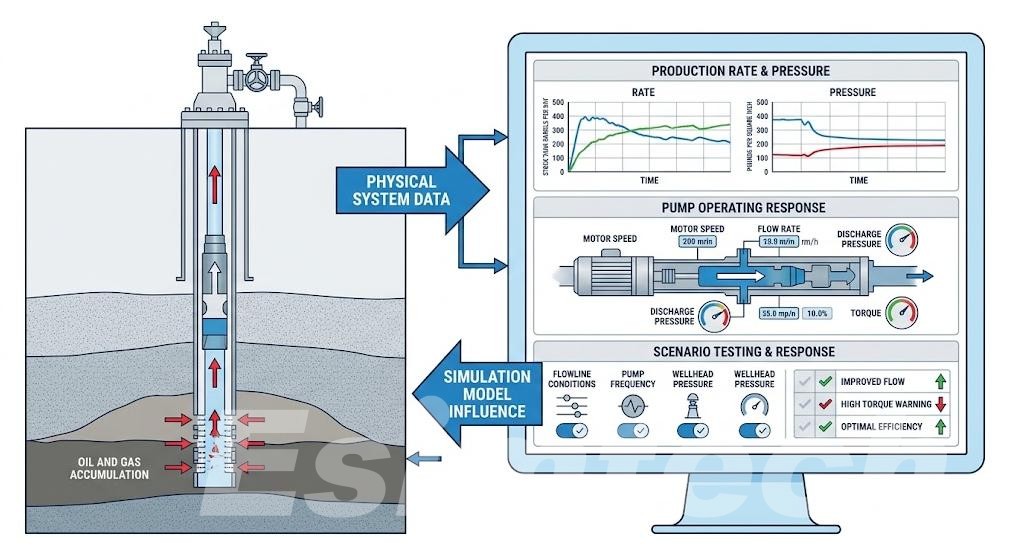
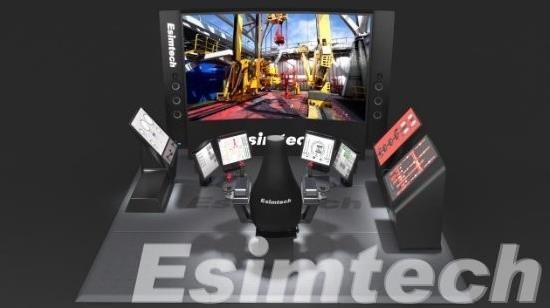
To improve efficiency, safety, and economic performance, oil and gas companies are increasingly adopting advanced simulation technologies throughout the drilling and production lifecycle.
| Simulation Technology | How It Works in Shale Oil Drilling | Key Benefits |
| Drilling Simulator | Creates a virtual drilling environment that replicates real well conditions, equipment behavior, and drilling operations. | Improves workforce skills, enhances decision-making, and provides safe training without affecting real operations. |
| Well Control Simulator | Simulates pressure control scenarios, including kick detection, blowout prevention, and emergency response procedures. | Improves emergency response capability and strengthens well control training. |
| Hydraulic Fracturing Simulator | Models fracture initiation, propagation, fluid movement, and reservoir response during stimulation operations. | Optimizes fracturing plans, improves production efficiency, and minimizes environmental risks. |
| Reservoir Simulation | Builds digital models of shale formations to predict fluid flow, pressure changes, and production behavior. | Improves well placement, enhances recovery planning, and supports safer field development. |
| Digital Twin Technology | Creates a real-time virtual replica of drilling equipment, wells, and production systems using operational data. | Enables predictive maintenance, real-time monitoring, and proactive risk management. |
| Virtual Reality (VR) Training Simulator | Provides immersive training environments where operators practice drilling procedures and emergency responses. | Improves operator experience, safety awareness, and emergency preparedness. |
| Blowout Prevention (BOP) Simulator | Simulates BOP operation, pressure control, and emergency well shut-in procedures. | Enhances BOP operation skills and improves well control reliability. |
| Drilling Process Simulation Software | Uses computer models to simulate drilling parameters such as torque, vibration, rate of penetration, and pressure. | Helps optimize drilling parameters and prevent operational failures. |
| Equipment Failure Simulation | Models potential failures of drilling rigs, pumps, motors, and other critical equipment. | Supports predictive maintenance and improves equipment reliability. |
| Emergency Response Simulator | Simulates accidents such as fires, spills, gas releases, and evacuation scenarios. | Strengthens safety procedures and prepares workers for real incidents. |
| AI-Based Simulation and Predictive Analytics | Combines simulation models with artificial intelligence to analyze operational data and predict potential hazards. | Provides early warnings, improves automation, and supports safer operations. |
4. Artificial Intelligence and Machine Learning
Artificial intelligence and machine learning are helping transform shale oil drilling, because they let people analyze complex information much faster and more precisely. In many older workflows, choices still lean on manual reading of the data, which is limited and slow, while AI can ingest huge datasets and notice less obvious relationships that a human might miss, even over time.
When drilling is happening, AI algorithms can look at both past records and live signals to decide on drilling parameters that make sense. These tools are able to anticipate equipment breakdowns, spot unusual drilling behavior, and suggest precise changes so output can improve. By cutting down human mistakes and pushing more automation, AI supports safer, more efficient drilling progress, with steadier results across sites.
Machine learning is also making reservoir management feel more hands-on in a way, by looking at production data coming from thousands of wells. AI models can spot the factors that influence well performance then help engineers set up better completion strategies. With these capabilities, operators are able to push for greater oil recovery and at the same time trim out costs that are not really needed.
5. Innovations in Hydraulic Fracturing Technology
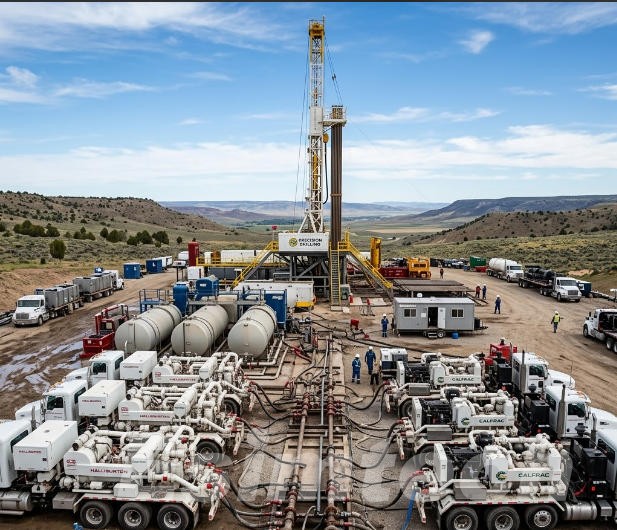
Hydraulic fracturing is still a key technology for shale oil production, since it creates pathways so the trapped oil can move out of low permeability rock formations. Ongoing improvements in hydraulic fracturing techniques are boosting efficiency, using fewer resources, and increasing production rates too.
New fracturing fluids and proppant materials are also improving well performance. High-strength proppants help maintain fracture conductivity over longer periods, while advanced fluid systems can reduce water usage and improve fracture placement. Real-time monitoring technologies, including microseismic analysis and fiber-optic sensing, provide valuable information about fracture behavior during and after stimulation.
These improvements help operators achieve better reservoir contact, increase recovery rates, and extend the productive life of shale wells.
6. Automation and Robotics
Automation is playing an increasingly important role in shale oil drilling, reducing manual operations while keeping results consistent. Automated drilling systems can continuously tune operating parameters based on real-time conditions, enabling a more efficient drilling approach.
Robotic technologies are also being applied to stuff like pipe handling, equipment inspection and maintenance activities. By lowering how much workers have to deal with repetitive or dangerous tasks, automation is improving safety in the workplace while also boosting operational reliability, more than before.
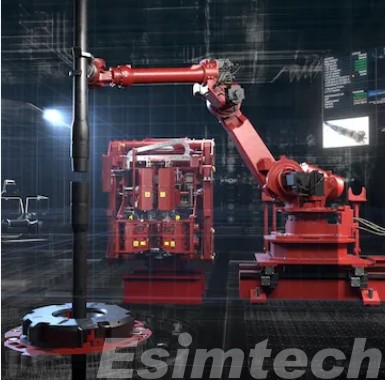
Remote operation centers are also getting more attention in shale oil production. These places let specialists watch and manage drilling work from a safer location, using advanced communication tools and data analysis systems. In practice, this method strengthens coordination, speeds up decisions and brings down operational risks.
7. Sustainable Technologies
Environmental sustainability is a central concern in shale oil innovation. As rules get tighter and public expectations keep rising, operators are rolling out technologies that cut emissions, conserve resources and limit environmental impacts, overall.
Water management technologies are giving a hand with one of the big problems tied to hydraulic fracturing. With advanced treatment systems, produced water, and flowback fluids can be cycled back, reused, again and again, which lowers how much fresh water is needed. In parallel, emission reduction technologies are changing how shale operations run. Better methane detection, leak monitoring tech, and equipment upgrades can limit greenhouse gas emissions. Also, electrification of drilling equipment, and cleaner energy sources, are pushing these efforts forward, and make a smaller environmental footprint for shale oil production.
On the ground, closed-loop drilling systems together with stronger waste management practices are reducing surface disturbance, and they also help safeguard nearby ecosystems. Taken together, these upgrades show that shale oil development can be more environmentally responsible, without losing economic performance.
8. Enhanced Reservoir Management Technologies
Maximizing recovery from shale wells that already exist is getting more critical, because operators want better resource efficiency. In practice, enhanced reservoir management technology blends geological analysis with production observation and more sophisticated modeling, so field performance can be tuned in a calmer and more deliberate way, even when conditions shift.
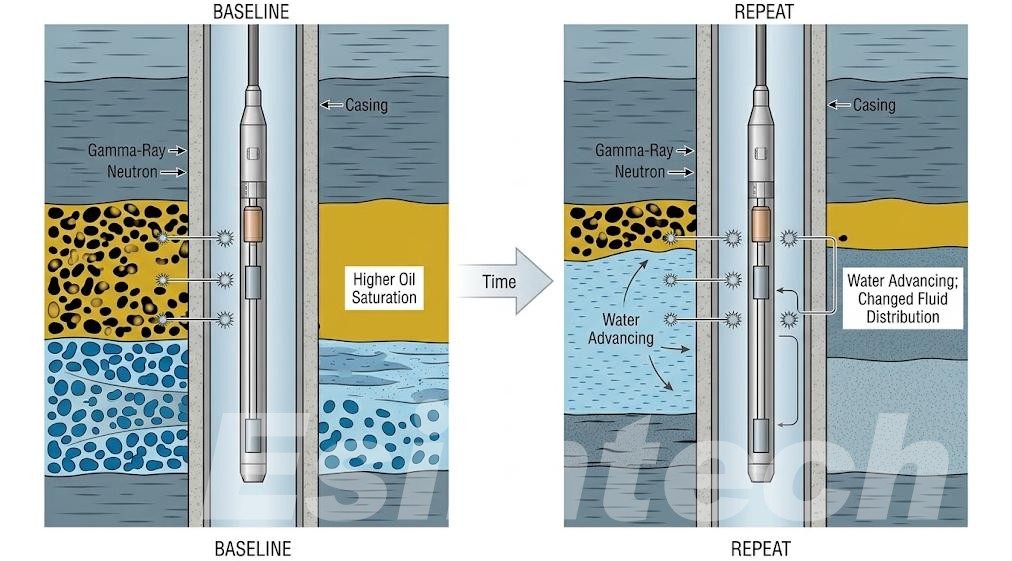
Real-time reservoir monitoring systems give ongoing insights into pressure swings, fluid movement, and production patterns. With that continuous feed, engineers can revise drawdown and flow plans, and then also spot chances to improve how much can be recovered from a given zone
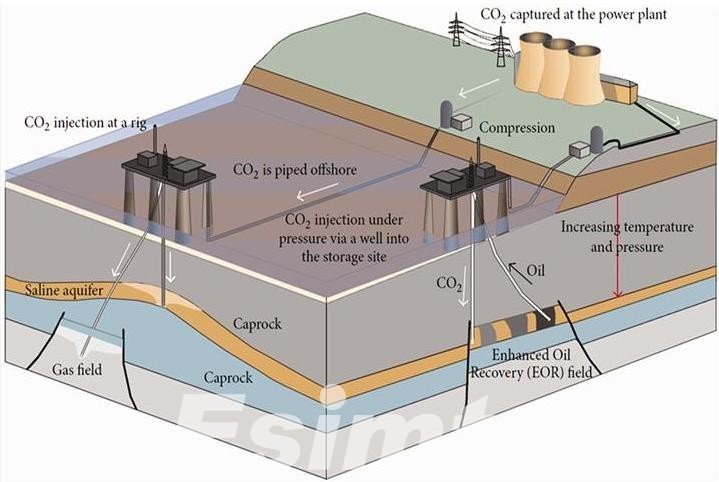
On top of that, enhanced oil recovery techniques like gas injection and other modern stimulation methods are being tested as well, to prolong the useful life of shale reservoirs. The general intent is to pull additional oil from rock layers that have already gone through primary production earlier
Future Outlook of Shale Oil Drilling Innovation
The future for shale oil drilling is going to be steered by steady progress in automation artificial intelligence, digital technologies, and more responsible engineering practices. Even as operators deal with ongoing issues around cost efficiency resource management and environmental stewardship, new ideas will keep being needed to stay competitive.
In the next phase, many shale oil operations are expected to run with higher levels of autonomy, where intelligent systems are handling drilling operations directly, then tuning output, plus forecasting how equipment will perform later on. With AI, robotics, and enriched analytics coming together, firms should be able to reach decisions quicker while keeping them more precise too.
Meanwhile, sustainability will still push the direction of technical upgrades. Less polluting drilling practices, better use of available resources, and lower emissions are likely to become the main focus as the industry shifts toward more accountable energy production.
Summary
Shale oil drilling has changed the global energy map by making resources that used to be out of reach, into something economically recoverable. Still, the business gets hit with a stack of real issues like finicky geology, expensive operations, and environmental worry, plus the fact that well output can keep dropping over time.
In response, continuous innovation, in areas such as horizontal drilling, hydraulic fracturing, automation, digital tools and more sustainable practices, is helping overcome these obstacles. As the technologies get better, shale oil development should grow more efficient, more cost-conscious, and more environmentally responsible, so it stays a meaningful part of the worldwide energy industry.