Shale Oil Drilling: 5 Key Points You Need to Know

Written By: Computer Science Professor
Deeply rooted in the R&D of simulators for the oil and gas industry, committed to bringing safety to every oil worker.
The practice of shale oil drilling has transformed global energy production since its inception a decade ago because this method increased oil production, especially in regions like North America. Shale oil drilling permits access to oil reserves through the extraction of petroleum from shale rock formations, which creates new methods for oil industry vendors to find and produce oil. The article explores the basic concepts of shale oil drilling together with its its techniques, benefits, challenges and future potential.
What is Shale Oil
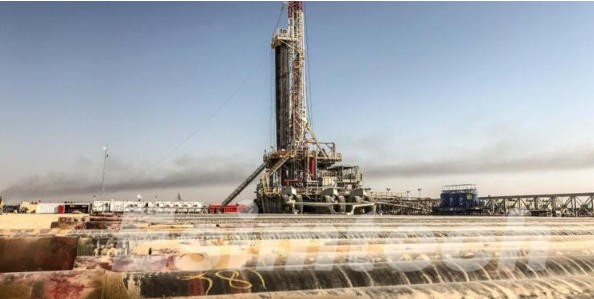
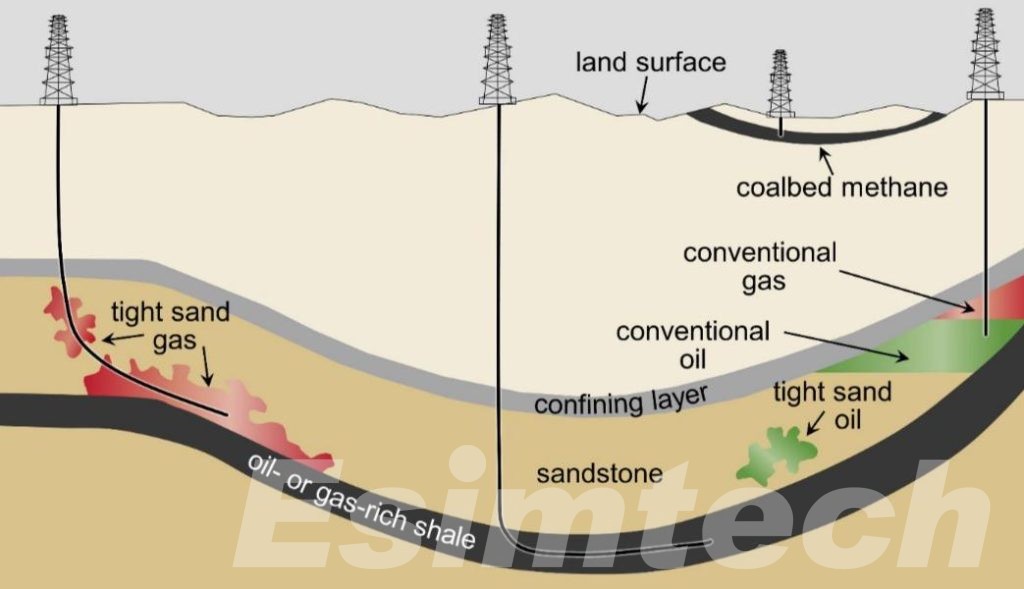
Shale oil refers to crude oil that is found within shale rock formations. The oil deposits exist within tight rocks which block conventional drilling methods from reaching them. Shale oil exists as an unconventional resource because its extraction and production processes require specialized techniques. The past saw these deposits remain unexamined because drilling and extraction technology at that time proved insufficient for their development.
Techniques Used for Shale Oil Drilling
Shale oil drilling relies on a suite of advanced engineering and geoscience techniques designed to extract hydrocarbons from low-permeability rock formations.
1. Horizontal Drilling
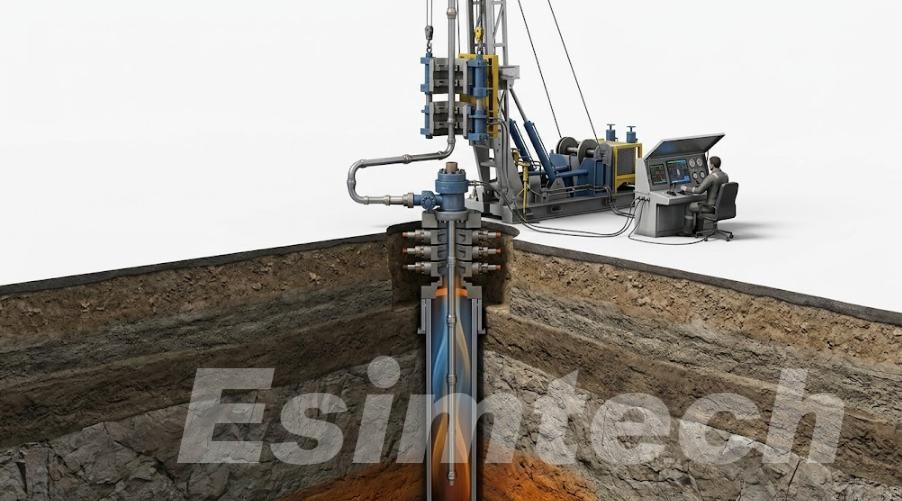
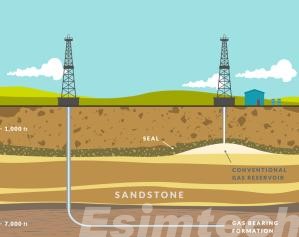
Horizontal drilling is a foundation stone for shale oil extraction. Contrary to vertical wells, the operator drills to some particular depth and then moderately follows the correct horizontal trajectory to the formation of shale. This technique greatly enhances the area of contact in the well and keeps the oil assets more open from within a single well.
Well precision in horizontal drilling is achieved by various instruments for directional drilling and additional real-time monitoring tools. Job done in placing the well in productive zones means better recovery rates while not requiring numerous drilling locations population, and reduced surface impact.
2. Hydraulic Fracturing
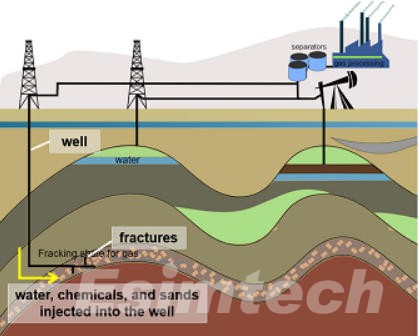
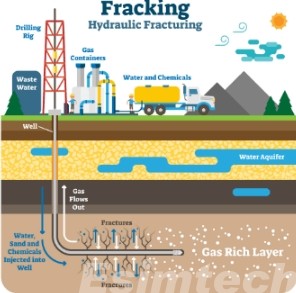
Hydraulic fracturing is a major technique for enabling oil production from tight shale. After drilling a well, a fluid mix is then introduced, with great pressure, into the rock formation, with the offender generally being composed of water, sand and chemical additives. This process creates fractures within the shale, which are kept open by sand proppants.
These fractures act as passageways carrying the trapped oil towards the wellbore. The effectiveness of hydraulic fracturing lies mainly in fluid composition, injection pressure, and the fracture design working in favor for oil. In the whole course, continuous improvements in fracturing technology have led to a significant improvement in production efficiencies in shale.
3. Multi-Stage Fracturing
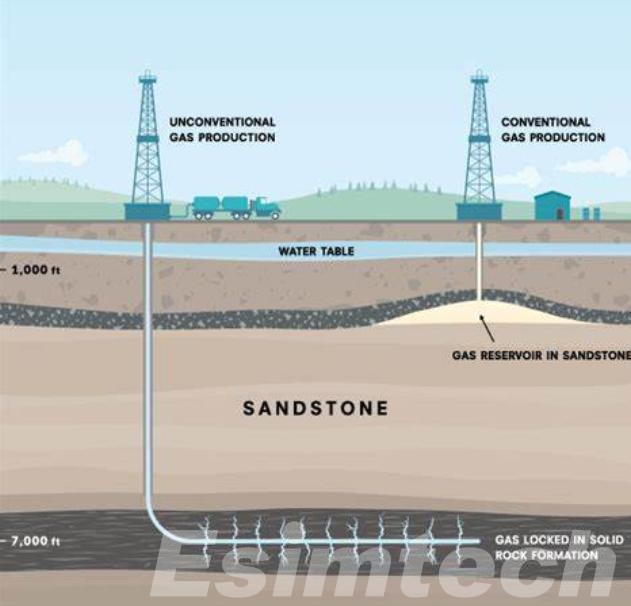
In order to amplify the production of shale wells, multi-stage fracturing techniques are obligatory. In this technique, the lateral section of a well is divided into numerous sections, then isolated with a cement plug or mechanical bridge before fracturing. This improves production from the full length of the well. Techniques like plug-and-perforation and sliding sleeve systems are used to segregate and stimulate individual sections. Multi-stage fracturing proves to be efficient in optimizing the inflow process, thus providing uniform distribution of fractures and consequently, improved recovery results.
4. Well Logging and Real-Time Data Acquisition
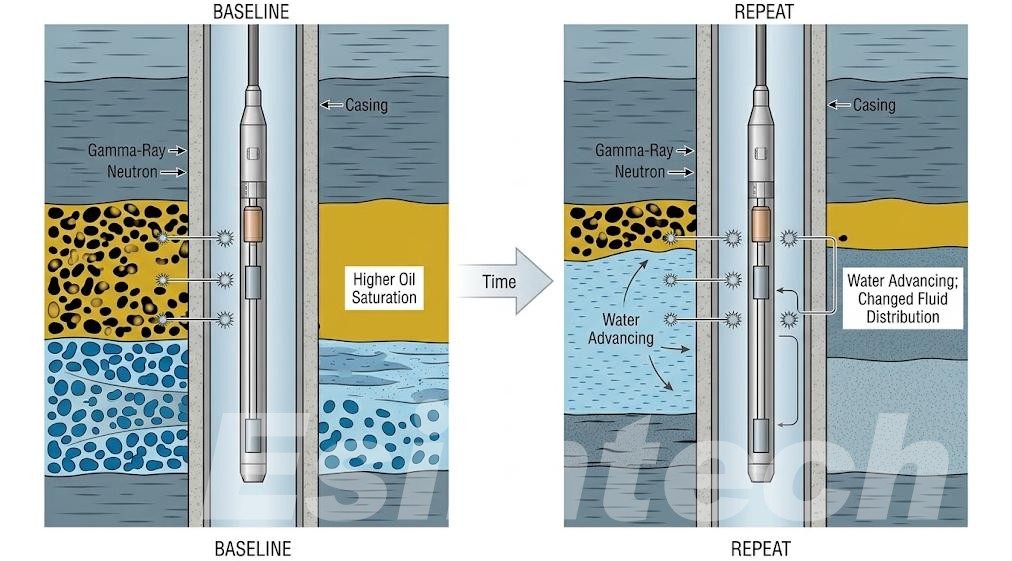
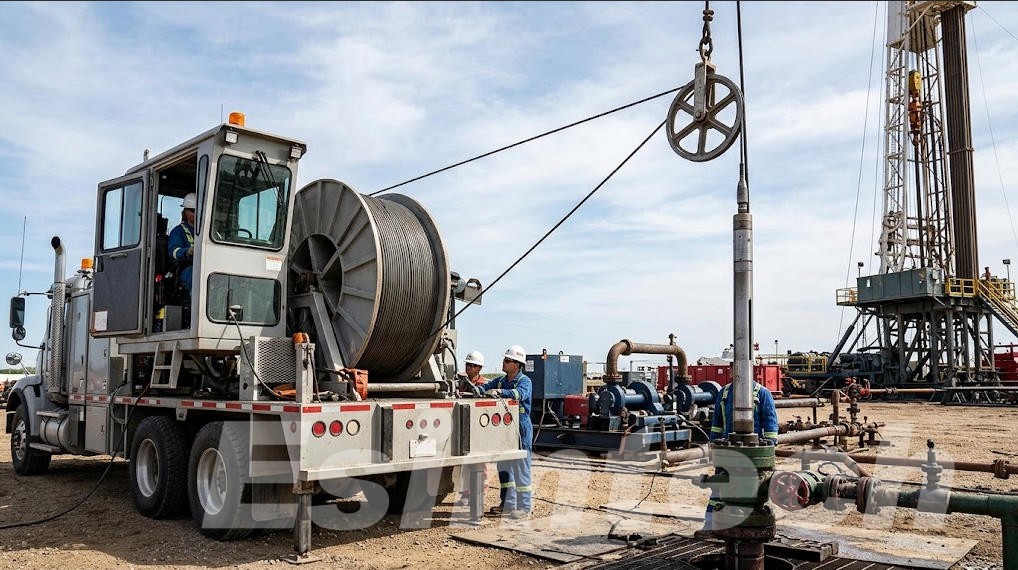
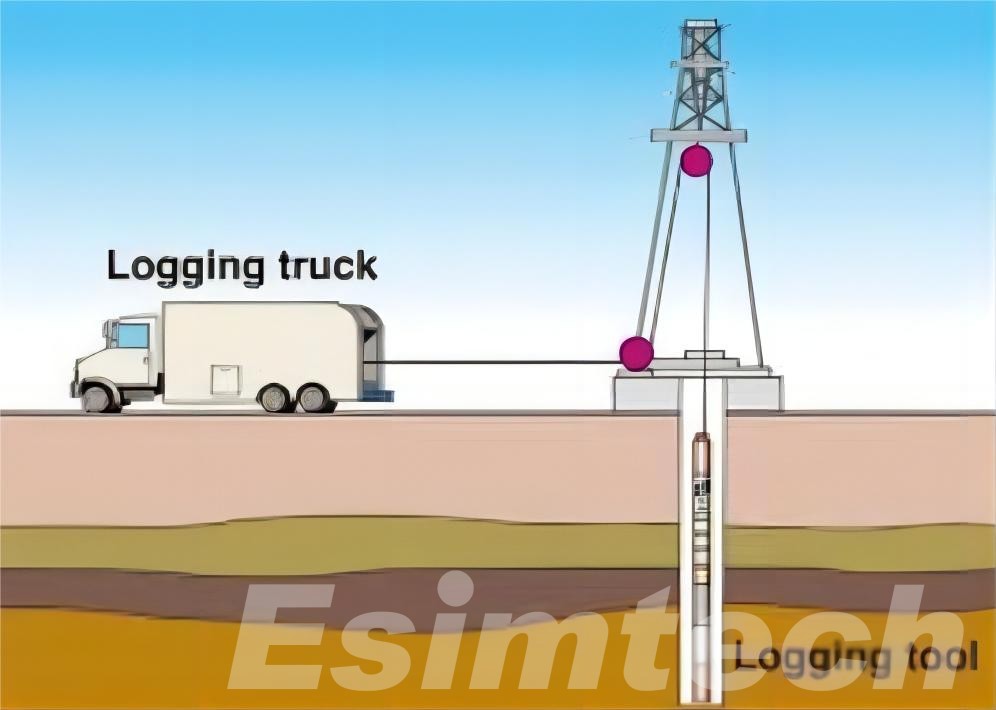
Understanding the characteristics of shale reservoirs is essential during the drilling and production process. Evidently, well logging and real-time data acquisition provide valuable insights into formation properties such as porosity, pressure, and hydrocarbon content. Technologies such as MWD and LWD allow engineers to collect data while drilling the well. This information helps to optimize well placement, adjust drilling parameters, and thus reduce uncertainties, eventually enhancing operational efficiency and cutting on risk.
5. Drilling Fluids and Wellbore Stability Management
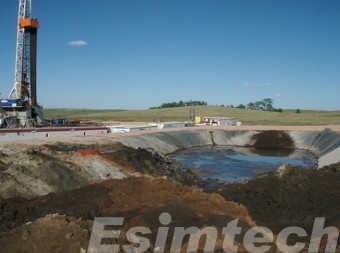
Drilling fluids which are popularly referred to as drilling mud play an immense role in drilling shale oil. They are to cool and lubricate the drill bit, carry the rock cuttings to the surface, and maintain pressure within the wellbore.
In shale formations, when the stone assumes rock’s mechanical properties, the continuation of wellbore stability becomes a little even more challenging. Any drilling fluid is some mixture for an advanced system, as used quite here, aiming to stop wellbore collapse, prevent such formation damage, and make drilling operations safe and efficient. It is also an imperious requirement to prevent blowouts and other safety hazards through pressure management.
6. Completion Design and Well Stimulation Optimization
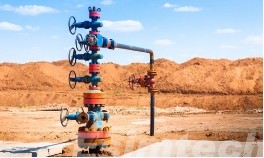
Completion design gets the well ready for production following the completion of drilling. This step might include select- ing casing, cementing methods, and stimulation techniques crucial for producing shale oils.
Fracture spacing, fluid volume, and proppant concentration are thought-fully designed by engineers to maximize production. Often, these parameters are optimized using simulation models and field data to help operators tailor each well for reservoir conditions.
7. Enhanced Oil Recovery Techniques in Shale
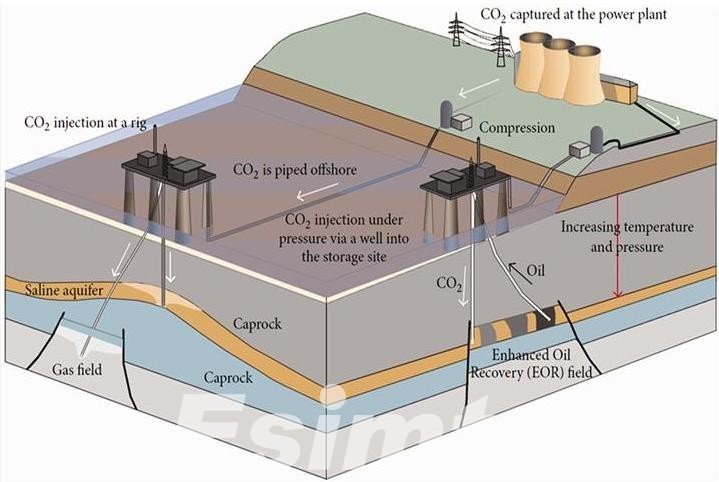
Despite the fact that shale wells are mainly dependent on early-stage production resulting from hydraulic fracturing, enhanced oil recovery (EOR) techniques aim to prolong well life while increasing recovery. Gas and refracturing injections seem to be more in discussion.
The refracturing technique involves the re-stimulation of an existing well such that either new fractures are created or existing ones are opened. Different forms of gas injection methods like carbon dioxide or natural gas, aim to improve oil mobility within the reservoir. Though still in the nascent stage, these techniques are believed to hold promise enhancing the long-term production of shale assets.
8. Digitalization in Drilling Operations
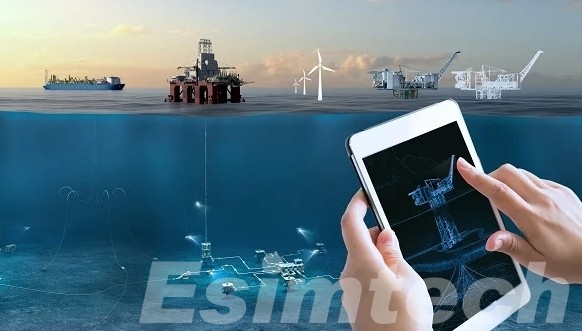
Incorporating digitization in shale plays, digital technologies have become a mainstay in modern shale drilling. By applying near real-time monitoring and advanced analytics, the operators tweak their drilling performance and thereby decrease operational risks. Artificial intelligence and machine learning, in particular, are commonly employed in drilling to analyze the torrents of data for predictive maintenance and optimization. That holds out the probabilities of much-reduced costs and diminution in drilling waste while achieving giant efficiencies for a safer operations paradigm in the industry.
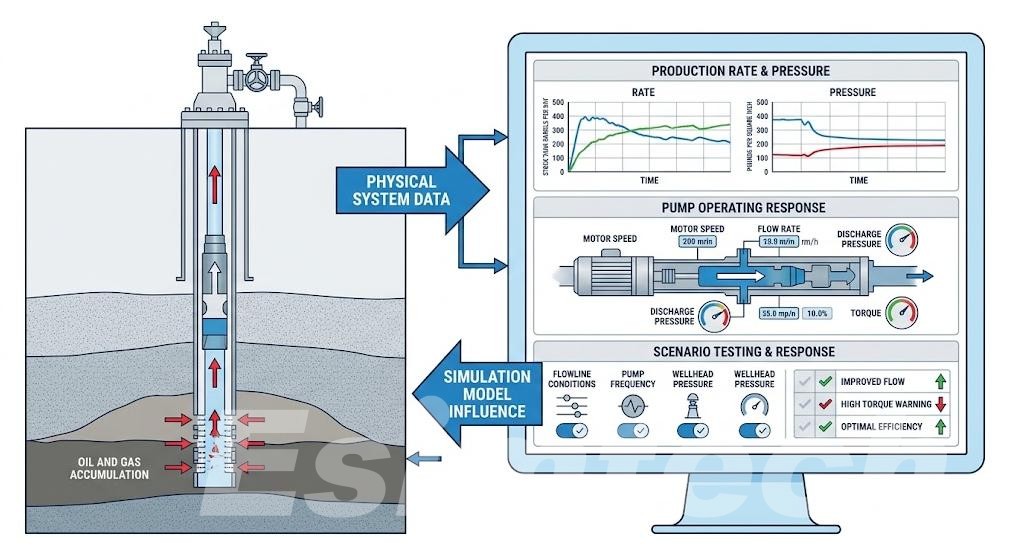
9. Simulation Technologies for Optimizing the Process of Shale Oil Drilling
This chart provides how various oil and gas simulation technologies play a critical role in enhancing efficiency, reducing risks, and improving decision-making throughout the lifecycle of shale oil drilling operations.
| Simulation Technology | Application in Shale Oil Drilling | Key Benefits |
| Reservoir Simulation | Models fluid flow, pressure distribution, and hydrocarbon recovery within shale formations | Improves understanding of reservoir behavior and optimizes recovery strategies |
| Geomechanical Simulation | Analyzes rock stress, fracture propagation, and formation stability during drilling and fracturing | Enhances fracture design and prevents wellbore instability |
| Drilling Process Simulation | Simulates drilling parameters such as rate of penetration, torque, and pressure | Optimizes drilling efficiency and reduces operational risks |
| Hydraulic Fracturing Simulation | Models fracture initiation, growth, and proppant distribution in the reservoir | Maximizes fracture effectiveness and improves production rates |
| Well Placement Simulation | Identifies optimal well locations and trajectories within shale formations | Increases reservoir contact and enhances overall productivity |
| Production Forecasting Simulation | Predicts future production rates and decline curves of shale wells | Supports economic planning and investment decisions |
| Flow Assurance Simulation | Simulates fluid flow in wellbores and pipelines, including issues like blockage or pressure loss | Ensures stable production and reduces downtime |
| Integrated Field Simulation | Combines reservoir, drilling, and surface facility models into a unified system | Enables holistic optimization of field development and operations |
| Digital Twin Technology | Creates real-time virtual models of drilling operations and equipment | Improves monitoring, predictive maintenance, and operational control |
| Environmental Impact Simulation | Assesses water usage, emissions, and potential environmental risks | Supports regulatory compliance and sustainable development |

Advantages of Shale Oil Drilling Compared to Traditional Oil Drilling
This comparison chart shows how shale oil drilling offers greater flexibility, accessibility, and technological advantages over traditional oil drilling, although each method still has its own role depending on geological and economic conditions.
| Aspect | Shale Oil Drilling | Traditional Oil Drilling | Key Advantage of Shale Oil |
| Resource Accessibility | Accesses oil trapped in low-permeability shale formations using advanced techniques | Limited to naturally porous and permeable reservoirs | Unlocks vast previously inaccessible reserves |
| Production Flexibility | Rapid drilling cycles and shorter project timelines | Long exploration and development cycles | Faster response to market demand and price changes |
| Well Productivity Control | Can adjust production through multi-stage fracturing and well spacing | Less control once a conventional well is established | Greater operational flexibility and optimization |
| Geographic Distribution | Widely distributed shale basins (e.g., North America, parts of Asia) | Concentrated in specific regions with favorable geology | Reduces dependence on limited geographic areas |
| Initial Output Rates | High initial production rates from newly fractured wells | Moderate but more stable production rates | Quick return on investment in early production phase |
| Technological Advancement | Relies heavily on modern technologies like horizontal drilling and real-time data analytics | Uses more conventional and mature technologies | Drives continuous innovation and efficiency improvements |
| Scalability | Modular development (multiple wells can be drilled incrementally) | Large-scale projects requiring significant upfront investment | Easier to scale operations up or down |
| Energy Security | Enhances domestic production capabilities in resource-rich countries | Often dependent on large, centralized oil fields | Improves national energy independence |
| Economic Impact | Stimulates local economies with continuous drilling and service demand | Economic benefits tied to fewer, larger projects | Creates more consistent job opportunities and regional growth |
| Surface Footprint Efficiency | Multiple horizontal wells can be drilled from a single pad | Typically requires separate sites for each vertical well | Reduces land use and environmental disturbance |
Challenges and Potential Solutions in Shale Oil Drilling
This chart offers the major operational, environmental and economic challenges in shale oil drilling, along with practical solutions aimed at improving efficiency, sustainability and long-term viability.
| Challenge | Description | Potential Solutions |
| Rapid Production Decline | Shale wells often show steep decline rates after initial output, requiring continuous drilling of new wells | Optimize fracture spacing and design, apply refracturing, and use enhanced oil recovery (EOR) techniques |
| High Water Consumption | Hydraulic fracturing requires large volumes of water, creating stress on local water resources | Implement water recycling systems, use brackish/produced water, and adopt waterless fracturing technologies |
| Environmental Risks | Concerns include groundwater contamination, methane emissions, and surface disturbance | Strengthen well integrity, deploy methane capture systems, and use environmentally friendly fracturing fluids |
| Wastewater Disposal | Managing flowback and produced water is complex and costly | Develop advanced treatment technologies and closed-loop reuse systems |
| High Operational Costs | Drilling, completion and maintenance costs can be significant | Utilize automation, AI-driven optimization, and standardized pad drilling to improve efficiency |
| Wellbore Instability | Shale formations can be mechanically unstable, leading to collapse or drilling difficulties | Improve drilling fluid systems, apply real-time monitoring, and enhance geomechanical modeling |
| Low Recovery Factor | Only a small percentage of oil is typically recovered from shale formations | Introduce EOR methods such as gas injection and optimize fracturing techniques |
| Infrastructure Limitations | Remote shale plays may lack pipelines, storage, and transport facilities | Expand midstream infrastructure and integrate digital logistics management |
| Price Volatility | Shale operations are highly sensitive to fluctuations in global oil prices | Adopt flexible investment strategies, cost control measures, and hedging practices |
| Regulatory and Social Pressure | Increasing environmental regulations and public concerns can impact operations | Enhance transparency, adopt sustainable practices, and invest in low-emission technologies |
Key Directions Shaping the Future of Shale Oil Drilling
Innovations in shale oil drilling is exploring new pathways that look for applications of automation to increase productivity levels and margins. As concern for the environment grows, however, special care has to be taken to ensure shale oil drilling, keeps within energy goals and environmental regulatory stipulations by way of a deep shift.
1. Sustainability and Environmental Innovations
Environmental performance is becoming a central focus in shale oil drilling. Future developments are likely to emphasize reducing water usage, minimizing emissions, and lowering the overall environmental footprint.
Technologies such as water recycling systems, non-water-based fracturing fluids, and methane capture solutions are gaining traction. In addition, electrification of drilling rigs and the use of renewable energy sources on-site are emerging as ways to reduce carbon emissions.
2. Automation and Robotics in Operations
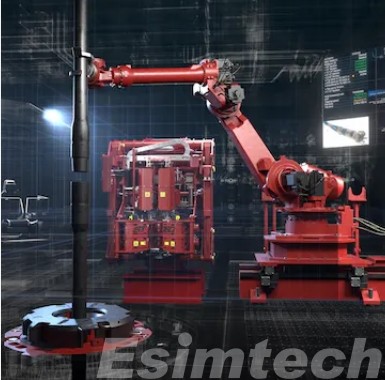
Automation counts for the significant presence in shale drilling. The operations of automated drilling systems, robotics, and remote-controlled instruments, all operational efficiency and consistency-oriented, serve to minimize workforce levels. These systems are seen as standards to carry out seamless operations, minimize errors, and work toward safety. Although, indeed, there is promise for fully unattended drilling systems as automation continues to advance.
3. Cost Optimization and Operational Efficiency
Cost control matters most for the shale drilling producers amidst the fluctuating oil prices. Further developments also call for efficiency improvement via effective resources management, streamlined supply chain, and the best-optimized drilling program. Although it again underlines the concept of every-well-for-itself, the growing number of pad-drilling operations produces low-environmental impact and infrastructure costs. Simultaneously, data-driven optimization will be an asset to help operators identify the cheapest possible strategies particular to each side.
4. Integration with Energy Transition Strategies
The path for shale oil extraction would be to become an adjustee rather than the victim of low-carbon transitions shaping the global energy landscape. Several companies are investigating ways of integrating shale operations with carbon capture, utilization and storage (CCUS) technologies. Skills in subsurface engineering and reservoir management can also be repurposed in the service of emerging energy sectors like geothermal energy. These connections could situate shale operators in the foreground of the broader transition in energy issues.
5. Geopolitical and Market Adaptability
While shale oil has reshaped global energy markets with its increased supply dynamism, it is, expectedly, set to remain highly market-responsive. Producers can anticipate a vigorous response to dynamic market conditions, realigning drilling to the pricing demand mast. This flexibility in market conditions is likely to continue to have an impact on the oil supply globally, considering shale oil as a critical element contributing to energy security and market stability.
Final Thoughts
Shale oil drilling process has been transforming oil production as a whole, bringing about a variety of vast reserves that are crucial to our energy security, thereby navigating their potential economic benefits, set back by environmental and product-cost issues. The oil resource will linger on through time as technological advancements and policy changes will be critical to framing their future in her time. If shale oil remains the cornerstone of global energy independence, or if it will be toppled by renewables, remains to be seen. However, its impact on the energy industry is undeniable, it will continue to be a vital part of the energy conversation for years to come.