How Digital Oilfield Technologies Transform Oil Production

Written By: Computer Science Professor
Deeply rooted in the R&D of simulators for the oil and gas industry, committed to bringing safety to every oil worker.
The oil and gas industry has been shaped by operations that are complex, require high capital investment, and carry major safety and environmental risks. In recent years, though, the use of digital oilfield technologies has changed how oil production is managed, and this makes the daily work more efficient, safer, and also better on costs. Digital oilfield technologies combine advanced data acquisition, real-time monitoring, and analytics, in order to tune oil production and decision-making across the upstream side of the business.
Understanding Digital Oilfield Technologies
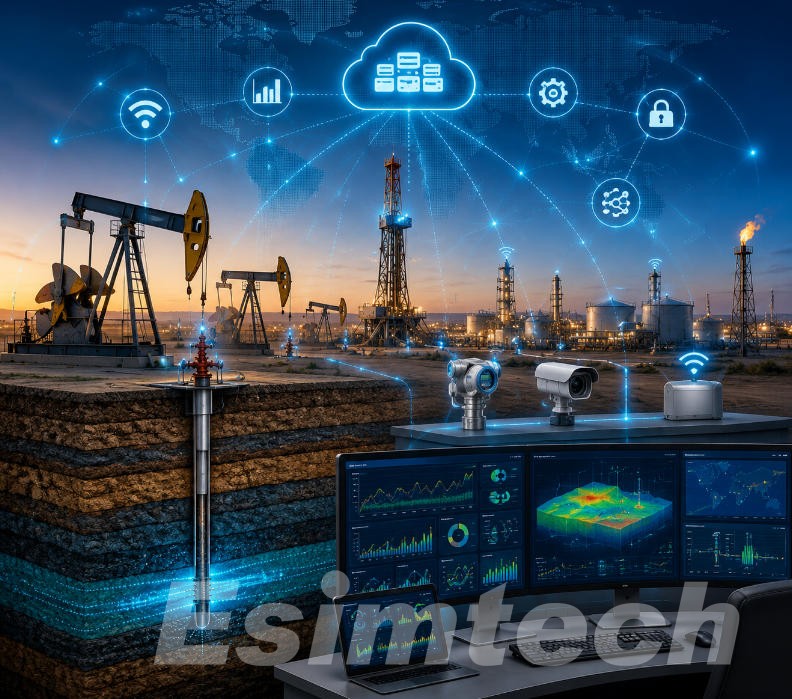
Digital oilfield tech is a bundle of connected tools and systems that are meant to gather data, then examine it, and ultimately do something with it across oil and gas assets. In practice, these approaches depend on sensors, automation workflows, artificial intelligence AI, and cloud computing. Together, they give operators timely visibility into well performance, how the reservoir is behaving, and whether equipment is showing signs of trouble. When you convert raw day-to-day operational information into usable intelligence, the whole setup supports sharper choices. That helps boost production, while also lowering exposure to downtime, hazards, and other operational risks.
Key Components of Digital Oilfield Technologies
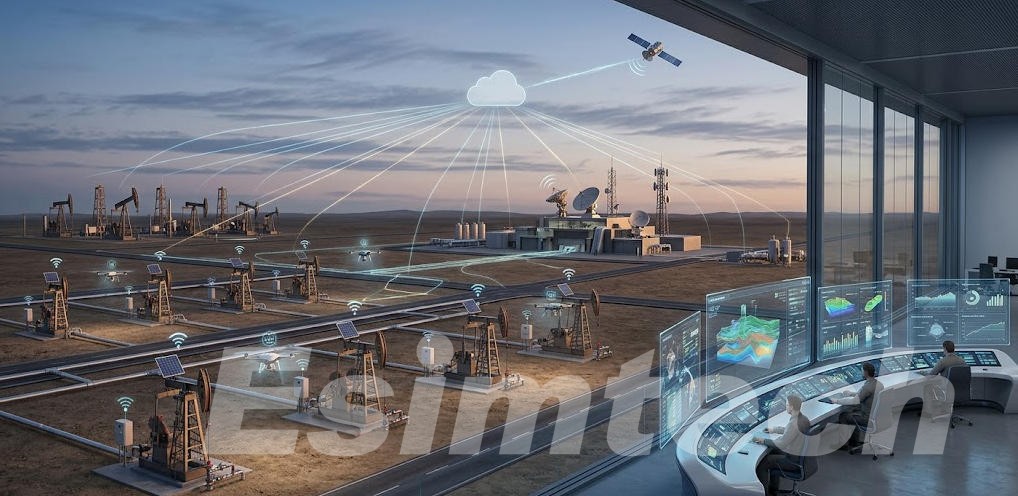
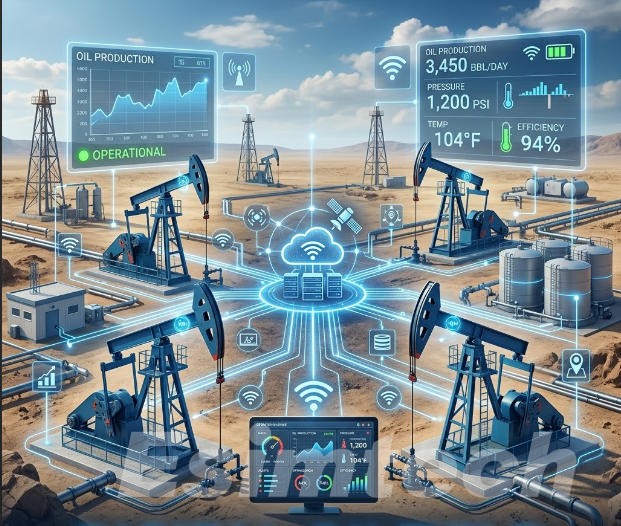
Through integrating advanced sensors, communication networks, data analytics, and automation systems, digital oilfields let operators make better calls and streamline production steps in real time.
1. Real-Time Monitoring and Data Acquisition
Real time monitoring is basically the base layer for digital oilfield work. There is a wide set of sensors placed on wells, along pipelines, at pumps, and on surface facilities that keep gathering essential measurements like pressure, temperature, flow rates, and whether equipment is in a healthy state. Those readings are pushed toward centralized control systems so teams can watch the field conditions around the clock.
Getting to live data gives production groups a clearer view, they can spot irregularities sooner, catch early signs of trouble before it escalates and then respond right away to keep output steady. When you trade periodic manual inspections for continuous oversight, oil companies can raise their operational visibility and also improve response speed.
2. Industrial Internet of Things (IIoT)The
Industrial Internet of Things works as a sort of communication backbone for digital oilfields. With IIoT devices, field equipment, sensors, and control systems become connected through resilient communication networks, which allows data sharing across production assets in a continuous way
Because of those linked devices, there is a fuller view of what happens in the field. Data coming from remote locations can be gathered and then assessed more quickly, sometimes even in near real time. When companies adopt IIoT technologies, asset connectivity improves, operational awareness goes up and it becomes easier to build more intelligent production systems that can react dynamically when conditions shift
3. Data Analytics and Artificial Intelligence
The huge pile of data created by digital oilfields means you need more advanced analytical tools, you just end up with raw information that is hard to use. In practice, data analytics platforms handle very large datasets from many sources at once, then they dig out hidden patterns, shifts over time, and operational inefficiencies that you would not spot with the older kinds of analysis.
On top of that, artificial intelligence, together with machine learning, can strengthen the whole workflow. They help forecast equipment failures, tune production settings, and even spot chances for better reservoir management. As a result, the teams can shift away from reactive decision-making toward strategies that are predictive and more forward-looking, which usually translates into better throughput and fewer operational risks.
4. Reservoir Modeling and Simulation Technologies
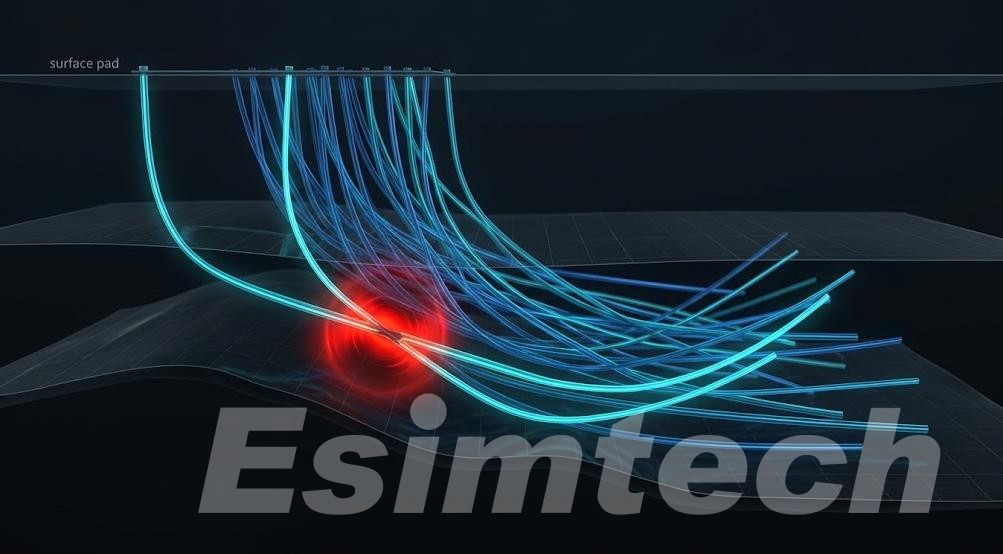
The following chart provides how simulation technologies provide predictive insights and optimization tools across the entire oil production process, from reservoir modeling and drilling to surface processing and recovery strategies.
| Simulation Technology | Primary Purpose | Key Functions | Benefits in Oil Production |
| Reservoir Simulation | Model fluid flow and reservoir behavior | Predict pressure, saturation, and production performance | Optimizes reservoir management and recovery strategies |
| Production System Simulation | Analyze the entire production network | Simulate wells, pipelines, separators, and processing facilities | Improves production efficiency and bottleneck identification |
| Drilling Simulation | Model drilling operations and well construction | Evaluate drilling parameters and well trajectories | Reduces drilling risks and improves operational planning |
| Digital Twin Simulation | Create a virtual replica of physical assets | Real-time monitoring, predictive analysis, and performance optimization | Enhances asset reliability and operational efficiency |
| Well Performance Simulation | Predict individual well productivity | Analyze inflow, outflow, and artificial lift performance | Maximizes well output and minimizes downtime |
| Hydraulic Fracturing Simulation | Optimize fracture design and placement | Model fracture propagation and reservoir interaction | Improves hydrocarbon recovery and treatment effectiveness |
| Enhanced Oil Recovery (EOR) Simulation | Evaluate advanced recovery techniques | Simulate gas, chemical, and thermal injection processes | Increases reservoir recovery factors |
| Pipeline Flow Simulation | Analyze fluid transportation systems | Predict pressure drops, flow assurance, and slugging behavior | Improves transportation safety and efficiency |
| Process Plant Simulation | Model surface processing facilities | Simulate separation, treatment, and refining operations | Optimizes facility performance and energy consumption |
| Geomechanical Simulation | Analyze rock and formation behavior | Predict subsidence, stress changes, and wellbore stability | Reduces formation damage and drilling hazards |
5. Automation and Process Control
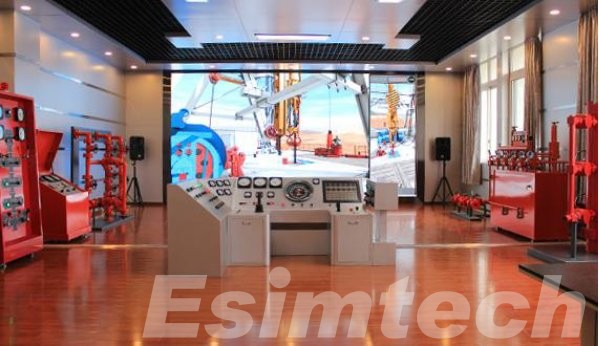
Automation ends up playing a critical role in today s digital oilfields. It reduces manual involvement and also improves day to day consistency, which matters more than people think. Automated control systems keep tuning production parameters using real time information. In practice this means wells and the processing facilities stay closer to ideal operating ranges, even when conditions shift, you know.
When routine work is automated, operators usually see less human error, better production efficiency, and stronger workplace safety. At the same time the field can be operated remotely, so fewer people have to stay in risky zones. The control still remains effective, because the systems keep monitoring and responding without waiting for someone to physically check everything.
6. Cloud Computing and Data Management
Cloud computing is now basically a key piece in digital oilfield infrastructure, and it keeps showing up everywhere. Cloud platforms offer flexible storage along with compute resources, and they can manage the huge quantities of information that oilfield activities keep producing. Beyond that, they help people work together more easily, so engineers, geologists, and the folks who make decisions can coordinate even when they are in different regions.
Then there are centralized data management systems, those make sure the data stays reachable, arranged properly, and protected at the same time. When a company brings data together from multiple origins into one shared environment, data quality tends to improve, everyday workflows become more efficient, and the whole process of choosing what to do next moves faster.
7. Predictive Maintenance Technologies
Reliability matters a lot when the goal is uninterrupted oil production. Predictive maintenance technologies use sensor readings, machine learning models, and condition monitoring systems to judge how well vital equipment is doing, like pumps, compressors, and drilling machinery.
Rather than sticking to rigid maintenance timetables, predictive maintenance spots warning signs of potential failures early, before they even happen. It makes the upkeep work easier to arrange, so managers can schedule inspections and repairs with more precision, and there is less unexpected downtime. In turn repair spending drops, equipment lasts longer, and production keeps running in a more dependable, economical way.
8. Cybersecurity Systems
As oilfields become more and more connected with digital tools, cybersecurity has turned into a key part of the operational framework. Production systems, communication networks, and data platforms must be shielded from cyber intrusions, because a breach can disrupt operations or expose sensitive information.
Today’s cybersecurity systems often use network monitoring, intrusion detection, data encryption, and access control procedures. With these safeguards in place, the integrity and confidentiality as well as the availability of vital operational data are maintained, while daily production activities remain safe and dependable.
Advantages of Digital Oilfield Technologies for Oil Production
1. Enhanced Production Efficiency
Digital oilfield technologies let operators keep an eye on well behavior, surface facilities and the condition of equipment, in real time. Instead of waiting for reports, they can inspect live data streams from sensors, plus automated controls. Then production parameters get tuned dynamically to push up output. This early action reduces downtime, prevents production bottlenecks. It also helps make sure each well runs close to its best, at least operationally speaking.
2. Predictive Maintenance and Reduced Equipment Failure
Using machine learning and AI driven analytics, digital oilfields can forecast possible equipment breakdowns before they actually happen. Predictive maintenance lowers the chances of a surprise stoppage, cuts down on repair costs, and supports longer service life for key assets. The end result is improved reliability and steadier production, with less chance of those expensive interruptions during operations.
3. Improved Safety and Risk Management
Automation, robotics, and remote monitoring means fewer people have to be physically present in risky locations. This matters a lot because it lowers safety threats tied to well operations, pressurized systems, and chemical handling. Also, with real-time monitoring in place it becomes easier to notice leaks quickly, spot pressure anomalies, or catch other unsafe situations. Then corrective actions can be taken right away , before things escalate.
4. Optimized Resource Utilization
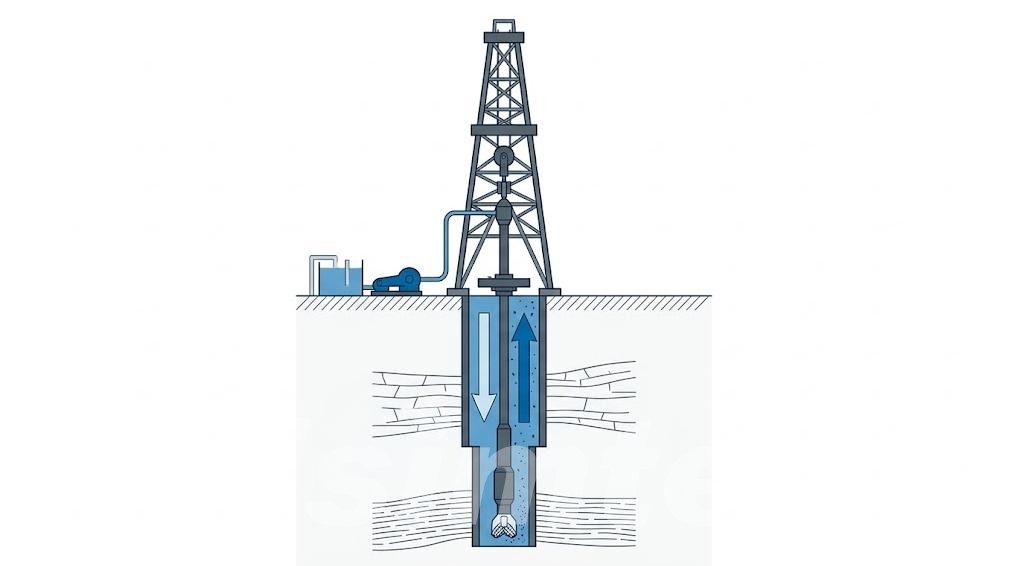
More advanced analytics and reservoir modeling helps operators decide on production strategies, pick well placement, and apply enhanced recovery techniques. When the digital oilfield is used to manage drilling fluids, energy, and related resources, it can minimize waste while reducing environmental impact.
5. Data-Driven Decision Making
Digital technologies help consolidate and break down data coming from different places, like seismic surveys historical production records, and live sensor streams, then turn it into things operators can actually use. This makes it easier to make strategic and daily operational calls sooner, for example when changing production settings today, or when thinking about broader field development plans months ahead.
6. Cost Reduction and Operational Efficiency
With smarter predictive maintenance, plus the automation of repetitive routines, and by tuning production parameters, digital oilfield tools bring operational expenses down. When efficiency improves, downtime shrinks, and resource allocation gets more precise, the overall cost benefits tend to stack up across the asset lifetime.
7. Environmental Sustainability
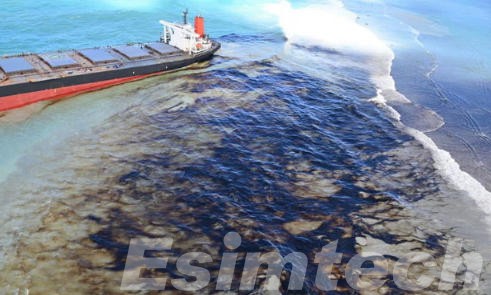
Ongoing monitoring paired with advanced oil and gas simulators gives operators the ability to spot environmental issues early and stop them before they spread, such as oil spill scenarios or gas leak events. Also, better management of production reduces wasted energy and avoids unnecessary consumption of materials, leading to more environmentally minded operations.
Challenges and Future Solutions in Digital Oilfield Technologies for Oil Production
| Challenge | Description | Future Solution |
| High Implementation Costs | Initial investment for sensors, software, and communication networks can be substantial. | Modular deployment and cloud-based solutions to reduce upfront capital expenditure. |
| Integration with Legacy Systems | Existing infrastructure may not be compatible with new digital technologies. | Development of interoperable platforms and retrofitting older systems. |
| Data Overload and Management | Large volumes of data can be difficult to store, process, and interpret effectively. | Advanced data analytics, AI, and centralized cloud-based platforms for management. |
| Cybersecurity Risks | Connected systems are vulnerable to cyberattacks and data breaches. | Implementation of strong cybersecurity measures, including encryption and monitoring. |
| Workforce Skills and Training | Personnel may lack expertise to operate and interpret digital systems. | Training programs, upskilling initiatives, and intuitive user interfaces. |
| Reliability in Harsh Environments | Sensors and automation systems may fail under extreme temperature, pressure, or corrosive conditions. | Ruggedized equipment and predictive maintenance to ensure operational continuity. |
| Regulatory and Environmental Compliance | Compliance with regulations can be complex with digital data handling. | Integrated monitoring systems to automatically track and report compliance metrics. |
Final Words
Digital oilfield technologies are reshaping the whole picture in oil production, and honestly, the impact feels pretty immediate. When operators bring together real-time monitoring, predictive analytics, automation, and more detailed reservoir modeling and simulations, they can help themselves choose better next moves, improve safety, and stretch resource recovery further. And as the industry keeps moving into digital transformation, the function of these tools and systems will keep getting more central for efficient, sustainable oilfield work.