10 Critical Innovations in Drillships

Written By: Computer Science Professor
Deeply rooted in the R&D of simulators for the oil and gas industry, committed to bringing safety to every oil worker.
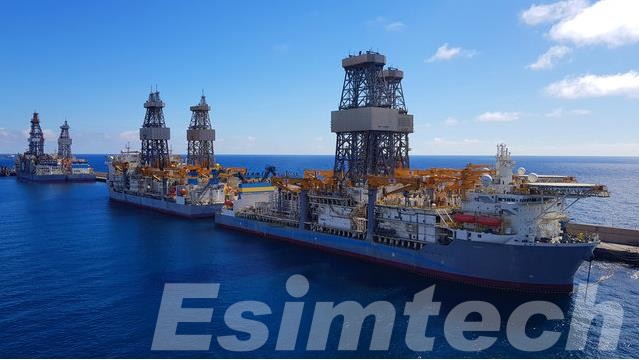
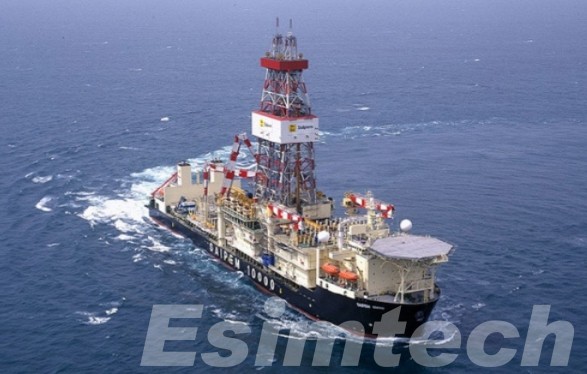
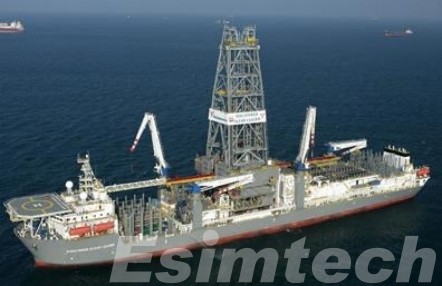
Offshore oil and gas exploration now requires drillships because current drilling techniques need to operate in deeper and more extreme ocean conditions. Drillships serve as the indispensable solution for ultra-deepwater exploration because they combine mobility and flexibility with their advanced drilling abilities which they possess. The recent technological advancements have brought significant transformation to designs and performance capabilities of drillships through its development of better efficiency and safety measures and sustainable systems and operational intelligence.
The Role of Drillships in Offshore Drilling
Drillships use advanced drilling systems together with dynamic positioning (DP) systems which enable them to precisely control their position above offshore wells without needing to use anchors. The ability to move between different locations of offshore drilling provides companies with better operational capabilities which results in shorter project durations. The ability to reach previously inaccessible hydrocarbon reserves through drillship operations enables drillships to expand global energy production while they operate safely and efficiently in difficult marine conditions.
Evolution of the Capabilities of Drillships
| Generation / Era | Water Depth Capability | Drilling Depth | Key Technologies | Operational Characteristics |
| Early Drillships (1960s–1980s) | Up to ~300 m | ~3000–5000 m | Basic rotary drilling systems, anchored positioning | Limited mobility, highly dependent on anchors, low efficiency in deepwater |
| Second Generation (1990s) | Up to ~1500 m | ~7000–9000 m | Early dynamic positioning (DP1/DP2), improved riser systems | Increased mobility, reduced reliance on anchors, moderate automation |
| Third Generation (2000s) | Up to ~2500 m | ~10000 m+ | Advanced DP2 systems, subsea BOPs, improved drilling control systems | Greater operational stability, enhanced safety systems, deeper exploration capability |
| Ultra-Deepwater Drillships (2010s) | Up to ~3000 m+ | ~12000 m+ | DP3 systems, automated pipe handling, real-time data monitoring | High efficiency, safer operations, capable of complex well designs |
| Next-Generation Smart Drillships (2020s–Present) | 3000 m+ and beyond | 12000 m+ and extended reach | AI-driven optimization, digital twins, predictive maintenance, hybrid power systems | Highly automated, data-driven, energy-efficient, reduced crew requirements, remote operation support |
Key Advancements Reshape the Capabilities of Drillships
1. Advanced Dynamic Positioning Systems
Dynamic Positioning (DP) technology is considered to be one of the greatest innovations for modern drillships. DP systems enable drillships to hold station at a well with pinpoint precision, i.e., without the requirements of anchors, during strong winds, waves, or ocean currents.
The latest drillships bear the most complex DP3 systems, thus ensuring the highest redundancy. These systems incorporate a set of prerecorded thrusters- commonly eight or more- along with GPS, motion sensors, wind sensors, and computerized control algorithms. If one system fails, redundant systems automatically take over to maintain vessel stability and minimize downtime while working on safety in deep-water drilling.
Dynamic positioning systems now are utilizing the technology of AI to optimize thrusters use, reduce fuel consumption, predict environmental changes for better station-keeping performance, and much more.
2. Automation and Smart Drilling Technologies
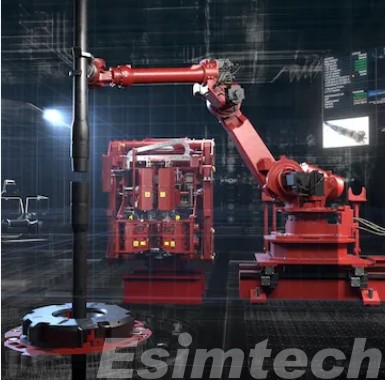
Automatization has become a major force driving innovation in drillships. Advanced automated drilling systems now handle many of the repetitive, high-risk tasks traditionally performed by human operators.
Automated pipe-handling technologies will reduce manual labor during pipe-handling operations, keeping human operators at a safe distance from all heavy well-drilling equipment. Robotic arms and automated catwalks offer more efficient pipe transfer, connection, and storage operations.
Smart drilling software continuously processes real-time data from the rig determining pressures, torque, temperatures, and formation characteristics. It can optimize the drilling parameters, such as weight on bit, rotary speed, and flow rate of the mud automatically, effective just-in-time operations without nonproductive time. Predictive analytics further helps through information modeling for failure mode effect analysis, as well as equipment wear pattern recognition, to identify maintenance requirements.
3. Enhanced Blowout Preventer Technologies
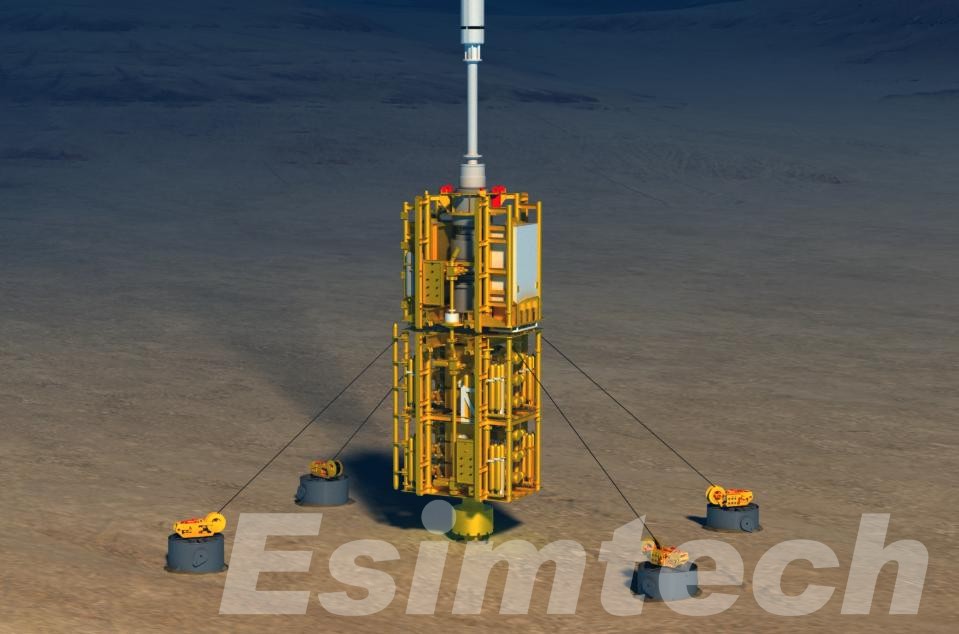
Improvements in marine vessels to promote safety now have a real focus on avenues of prevention for blowouts. Following some major offshore incidents, drillship operators therefore have put a large amount of money into acquiring more sophisticated BOP (blowout preventer) systems.
High-tech BOPs feature:
- Dual shear ram technology, thus rendering well control more reliable.
- Real-time monitoring sensors continually transmitting pressure and equipment status.
- Acoustic backup activation systems catered for emergency shut-ins.
- Remote diagnostics mean more rapid diagnostics on maintenance issues.
These advancements go a long way towards enhancing well control capability offshore and alleviate the risks for medium to catastrophic blowouts while drilling.
4. Simulation Technologies
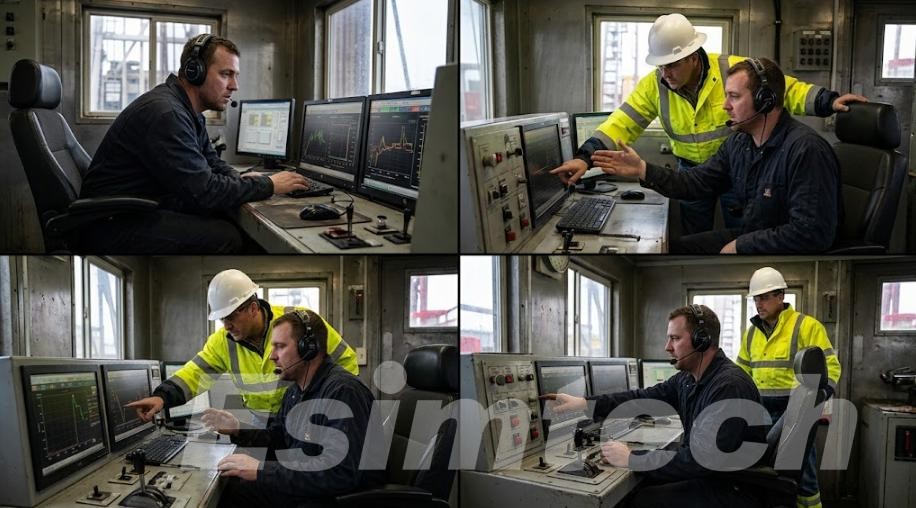
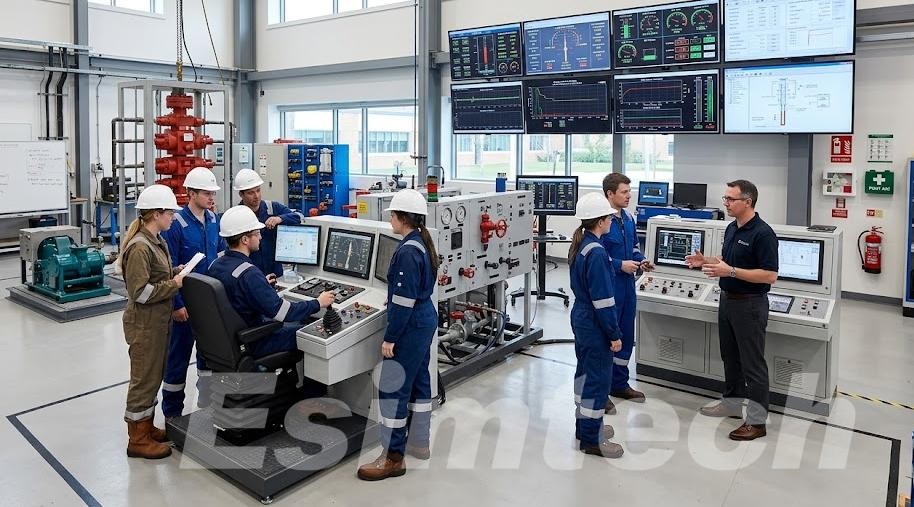
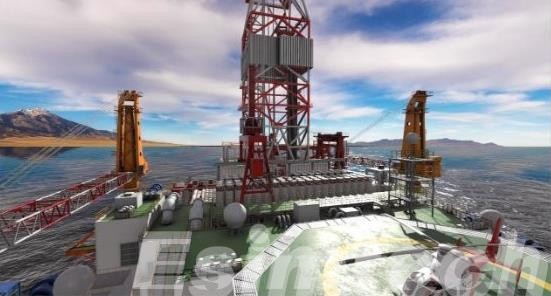
Oil and gas simulation technologies are emerged as the critical innovations in drillships.
| Simulation Type | Core Technology | Primary Function | Key Benefits | Application in Drillships |
| Digital Twin Simulation | Real-time data integration, IoT sensors, cloud computing | Creates a virtual replica of the drillship and drilling systems | Predictive maintenance, performance optimization, risk reduction | Monitoring equipment health, simulating drilling scenarios, optimizing fuel and operations |
| Drilling Process Simulation | Advanced modeling software, real-time drilling data analytics | Simulates downhole conditions and drilling parameters | Improved drilling accuracy, reduced non-productive time, better well planning | Optimizing weight on bit, mud flow, and drilling speed before and during operations |
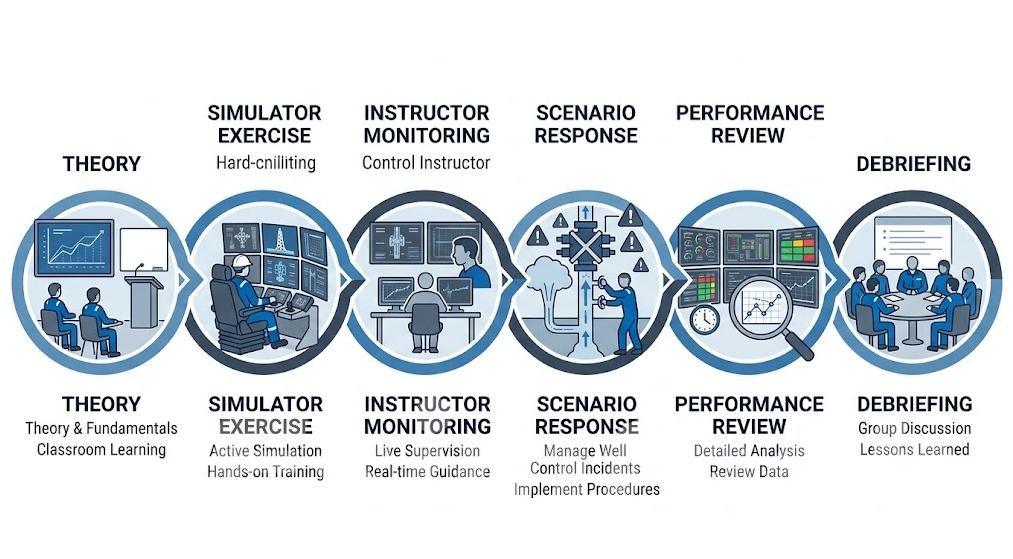
| Well Control Simulation | Pressure modeling, kick detection algorithms | Simulates well pressure behavior and blowout scenarios | Enhanced safety, improved emergency preparedness | Training crews, testing blowout preventer (BOP) responses, planning for high-risk wells |
| Dynamic Positioning Simulation | Hydrodynamic modeling, environmental data simulation | Simulates vessel behavior under wind, wave, and current conditions | Improved station-keeping accuracy, reduced fuel consumption | Testing DP system performance and crew training under extreme offshore conditions |
| Training Simulators (VR/AR-based) | Virtual reality (VR), augmented reality (AR), immersive systems | Provides realistic operational training environments | Safer training, reduced operational risk, improved crew competence | Training on drilling operations, emergency response, equipment handling |
| Reservoir Simulation Integration | Geological modeling, seismic data interpretation | Simulates reservoir behavior and fluid flow | Better decision-making, optimized resource extraction | Supporting drilling strategies and well placement decisions |
| Energy Consumption Simulation | Energy modeling software, AI optimization tools | Simulates power usage and energy distribution | Reduced fuel costs, lower emissions | Optimizing hybrid power systems and onboard energy management |
| Logistics and Operation Simulation | Workflow modeling, scheduling algorithms | Simulates supply chain and operational processes | Improved efficiency, reduced downtime | Planning offshore logistics, crew rotation, and equipment delivery |
5. Advanced Well Control Systems
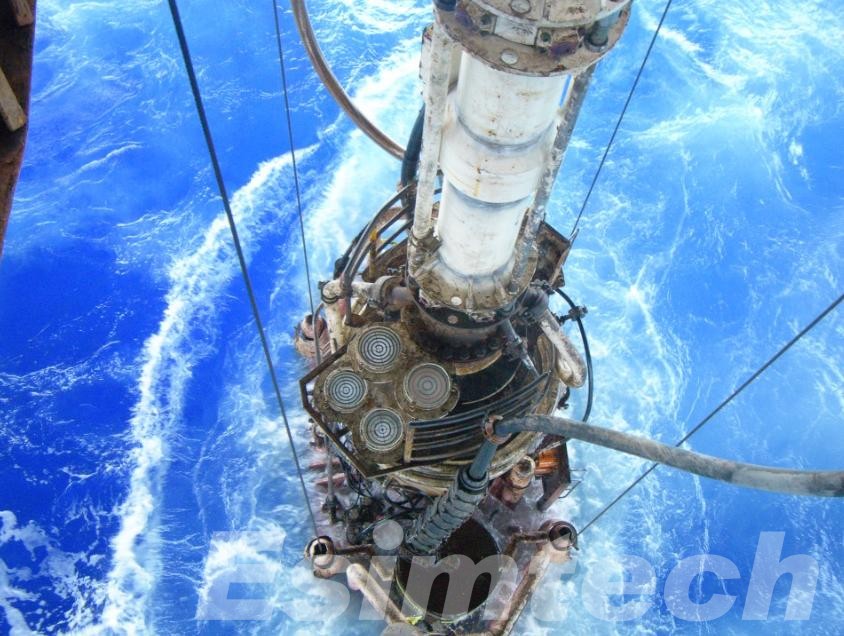
Safety remains a top priority in offshore drilling. Innovations in well control systems, particularly blowout preventers (BOPs), have greatly enhanced operational safety.
Modern systems feature:
- Redundant control systems to ensure reliability.
- Real-time monitoring of pressure and system status.
- Remote activation and emergency backup systems.
These improvements help prevent blowouts and ensure rapid response in critical situations.
6. Improved Energy Efficiency and Emissions Reduction
Environmental considerations have had an increasingly significant role in the form of drillship innovations. The newer drillships are designed to be more energy efficient, with advanced power management systems to achieve fuel savings. Hybrid solutions include battery-assisted power systems, and the emphasis is on emission control linked to operational considerations. Alternative fuels and low-carbon technologies are currently fashionable. The drillships obtain some decent versatility to work with future power sources, ensuring that they are compliant in the future with changing regulations with respect to the environment. This will greatly support the shift to more sustainable practices in the industry.
7. Managed Pressure Drilling Integration
Managed Pressure Drilling (MPD) becomes part and parcel of drillship well operations, especially in the ultra-deep and marginal wells.
Today, MPD systems are incorporated and connect with the drillship to control the circulated annular pressure accurately during the drilling process. The benefits as following:
- Development of wellbore stability
- Reduced risk of kicks and losses.
- Enhanced drilling efficiency in complex formations
- Better reservoir protection
Integration of the MPD system directly to the drillship’s design reduce equipment footprint and enhance operational flexibility.
8. Improved Hull and Vessel Design
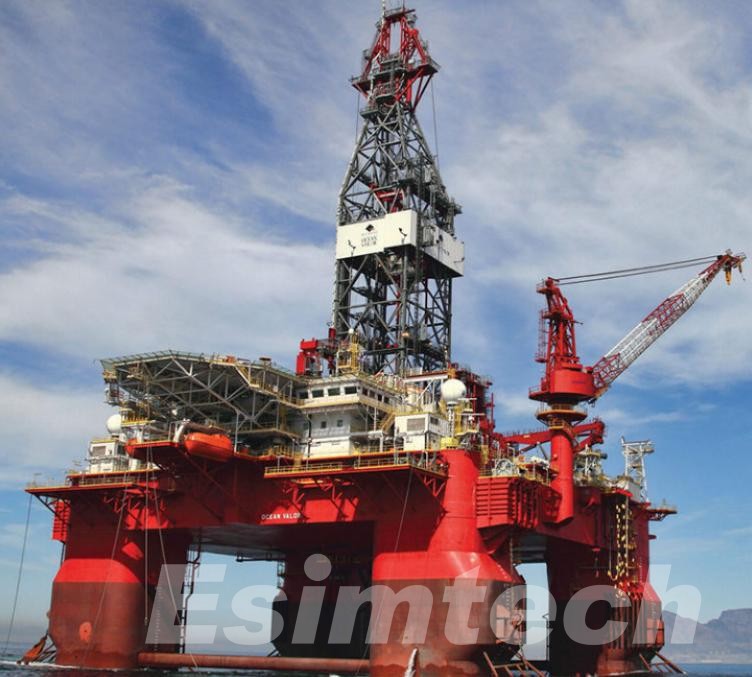
Drillships’ ship design takes into account the enormous development in structural engineering and improved performance and robustness. Modern hull designs reduce hydrodynamic resistance, providing better fuel efficiency and stability. Enhanced structural strength allows vessels to operate safely in harsh offshore environments, while providing better accommodation and boosting longevity. Increasing efficiency and modifying drilling ships in vibration control and safety design have contributed positively to the crew’s work condition.
9. Cybersecurity Enhancements
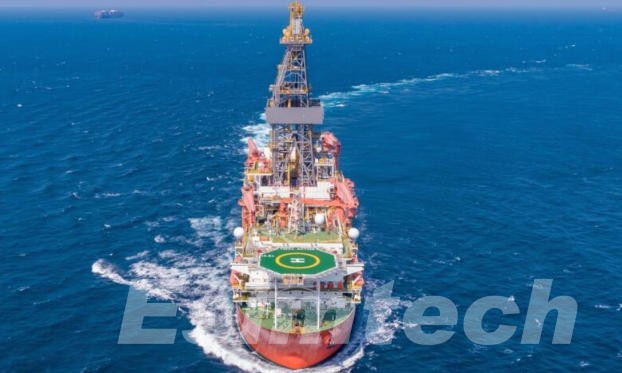
As drilling ships become increasingly digitized, the path to cybersecurity is thrown open.
Some cybersecurity measures installed in this new generation of drilling ships are:
- Segmentation of operational networks wherein critical systems and business systems are segregated.
- Intrusion detection systems.
- Encryption of data communications point-to-point from offshore to bring onshore teams.
- Cyber-risk management strategies implementation for industrial control systems.
These aids help to minimize the exposure to cyberattacks, which may disrupt drilling operations or security systems.
10. Remote Operations and Onshore Support Centers
High-speed communication system integration enables new connectivity on offshore drilling. Now drillships are connected to operation centers, from where specialists can gauge performance and provide immediate support. At the same time, this transitioning to a remote operation will mean fewer offshore personnel yet simultaneously promoting the attainment of specialized expertise. This also assures the best operational decision-making by encouraging teamwork between the offshore production and onshore team leading to well-coordinated, successful operation.
Summary
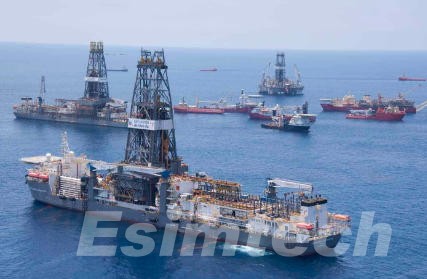
Innovations on drillships are transforming offshore drilling with automation, digital intelligence, safety improvements and sustainability initiatives. From sophisticated dynamic positioning and smart drilling systems to digital twins and hybrid power solutions, the new generation of drillships is being developed for more efficient, safer, and environmentally responsible.