Conventional vs. Unconventional Drilling in Oil and Gas Industry

Written By: Computer Science Professor
Deeply rooted in the R&D of simulators for the oil and gas industry, committed to bringing safety to every oil worker.
Drilling is a fundamental operation in the oil and gas industry, so companies can tap underground reservoirs and pull out valuable hydrocarbons. As energy demand keeps rising and the easily accessible resources become less available, the industry has developed various drilling techniques to reach oil and gas reserves. Usually, people split it into two major categories, conventional drilling and unconventional drilling, and both have their own practical logic.
Even if both methods aim to produce hydrocarbons, they diverge in reservoir features, recovery methods, equipment needs, and operational troubles. So, grasping what separates conventional drilling from unconventional drilling matters when judging modern oil and gas development strategies. Also, it affects planning budgets and risk, even when the intent seems similar.
Understanding Conventional Drilling
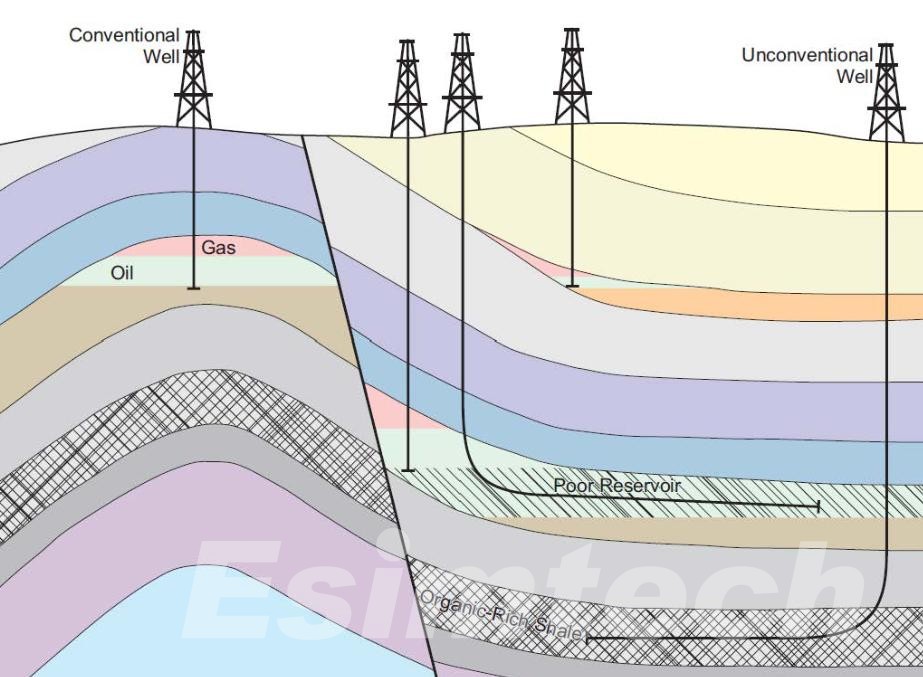
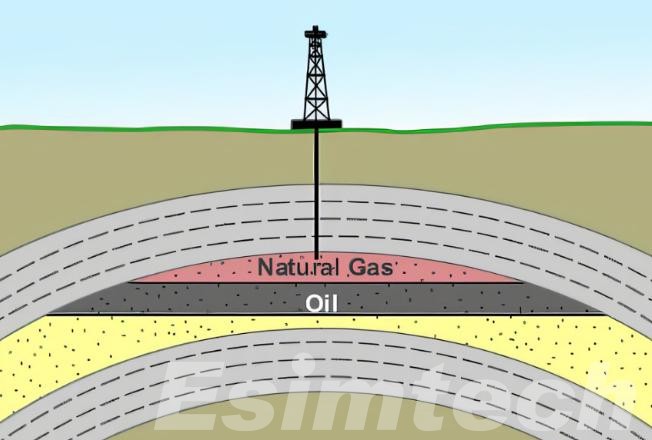
Conventional drilling is basically the traditional way of extracting oil and natural gas out of reservoirs where hydrocarbons can already travel through the rock formation, reaching the wellbore without much interference. Usually, these reservoirs show higher permeability, so fluids move more easily, without all the extra stimulation work.
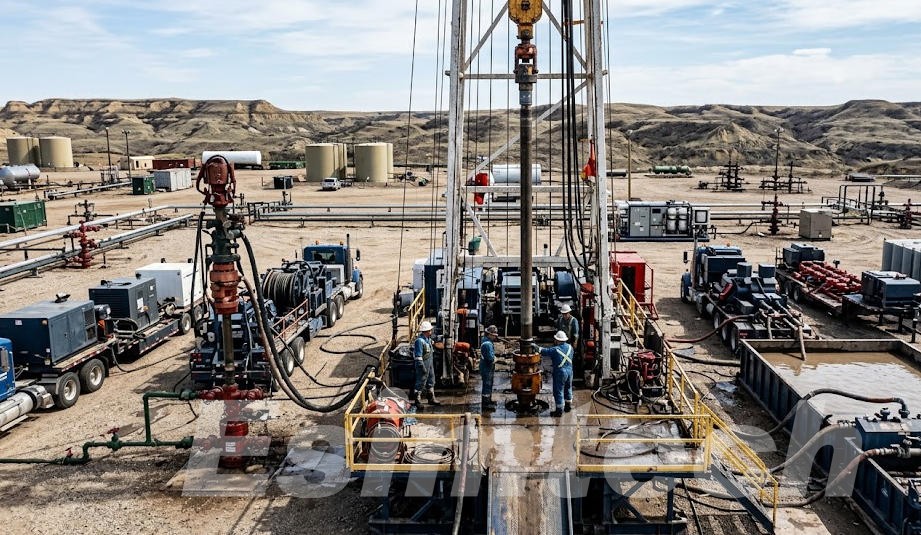
In conventional operations, drilling crews typically drive a vertical well or sometimes a slightly deviated one, until it hits the target reservoir. After the well enters the formation, the natural pressure inside the reservoir pushes oil or gas up toward the surface. Now and then, they also install artificial lift systems, or use enhanced recovery ideas, just to keep output steady.
Conventional reservoirs are frequently located in sandstone, limestone, or other porous bodies. Since hydrocarbons can pass through these materials more readily, conventional wells generally call for fewer complicated completion procedures than those seen with unconventional drilling.
Understanding Unconventional Drilling
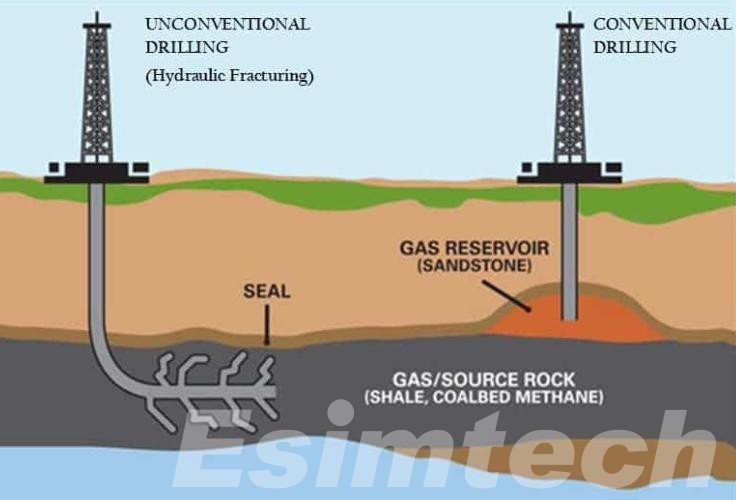
Unconventional drilling is put to work to pull out oil and natural gas from reservoirs where the hydrocarbons are locked in low-permeability rocks. In those places, the fuels cannot move readily into a well without advanced, rather specific extraction techniques.
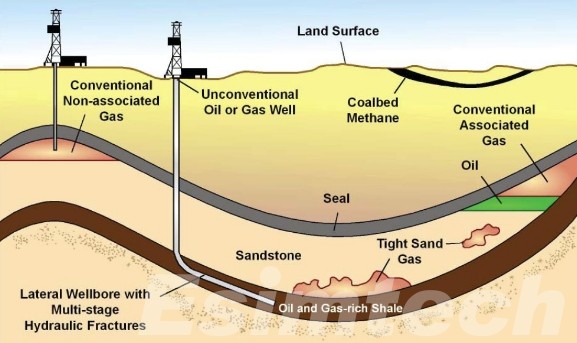
Some of the usual unconventional resources are shale oil, shale gas, tight oil, tight gas, and coalbed methane. Within these rock bodies, the hydrocarbons are scattered through dense formations, which makes conventional drilling less effective or even a dead end.
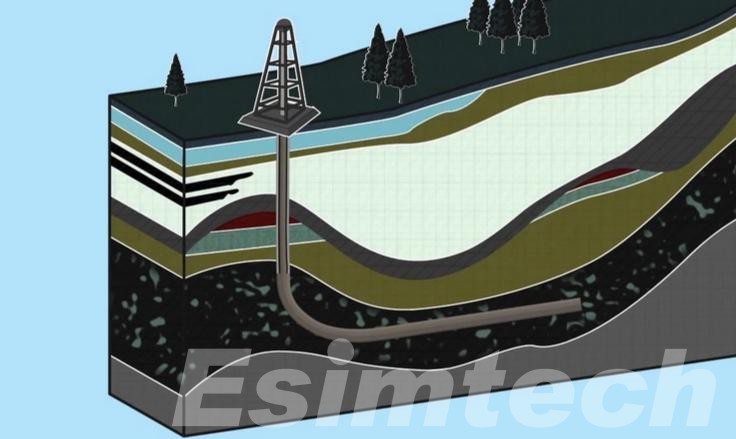
In practice, modern unconventional drilling often blends horizontal drilling with hydraulic fracturing. First, a vertical well is drilled down to the target depth then the bore is extended, running along the resource-bearing formation. Hydraulic fracturing works by pushing a high-pressure fluid into the rock, so tiny fractures form, which boost permeability and then help the oil or gas enter the wellbore and keep moving.
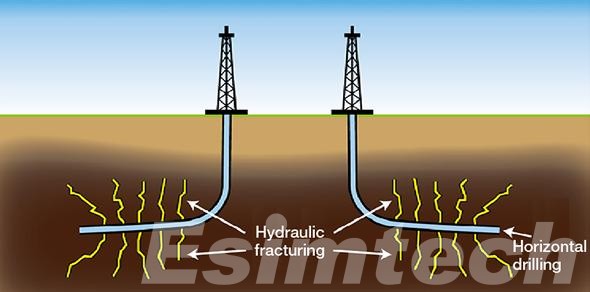
These technologies, once developed, have expanded worldwide oil and gas extraction a fair amount, especially in places that hold big shale reserves.
Key Differences Between Conventional and Unconventional Drilling in Oil and Gas Industry
1. Reservoir Characteristics and Hydrocarbon Accessibility
The biggest difference between conventional and unconventional drilling is really in the kind of reservoir that is being worked on, more than in the drilling tools themselves.
Conventional drilling is usually aimed at reservoirs where oil and natural gas sit within porous and permeable rock formations. Those formations let hydrocarbons travel on their own through connected spaces inside the rock. Since liquids can drift toward the wellbore without much trouble conventional reservoirs often need fewer stimulation actions.
Unconventional drilling is about reservoirs where hydrocarbons are held inside dense, low-permeability rock. In that situation, shale oil, shale gas, tight oil, and tight gas can not move effectively unless additional technologies are used. The hydrocarbons are spread through the rock matrix, so operators have to build artificial routes for production.
2. Drilling Method and Well Design
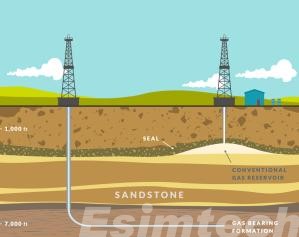
Conventional and unconventional drilling do not only differ in method, but they also vary in how the well is put together and what drilling strategy is followed, really. Conventional wells are usually drilled straight down, or with only moderate directional changes, until they hit the target reservoir. After the well enters the productive interval, natural reservoir pressure often takes over and helps push oil and gas up to the surface. So, most of the drilling effort is tied to reaching the right location and keeping the wellbore strong and sealed.
Unconventional drilling more often mixes vertical drilling and horizontal drilling together. Operators start by driving the well downward to reach the target formation, then they steer the well so it runs horizontally through the layer that holds the hydrocarbons. This long horizontal section improves contact area with the reservoir, and that is what makes it possible to recover more resources from low-permeability rocks that would otherwise be hard to drain.
3. Extraction Technologies
A further major difference shows up in the production technology that is needed.
Conventional drilling usually sticks to standard completion practices, like casing, cementing, perforation, and then the production equipment that actually keeps things running. If the reservoir pressure starts dropping, operators may bring in artificial lift systems, or even enhanced recovery practices, to keep output steady.
Unconventional drilling relies a lot more on advanced completion technologies. Hydraulic fracturing is often a central method in these operations. In this process, high-pressure fluids are pumped into the formation to generate fractures, which boost permeability and give the trapped hydrocarbons a pathway back toward the wellbore.
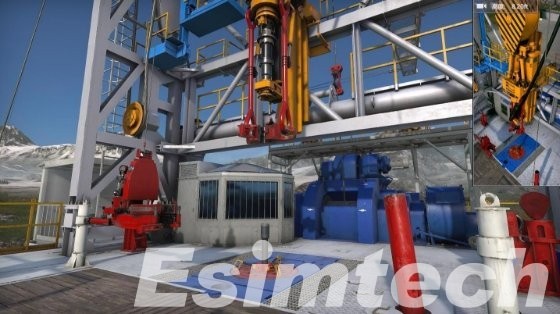
There are also other support technologies, for example, advanced top drive drilling simulators, real-time monitoring systems, measurement while drilling (MWD), and logging while drilling (LWD), all of which are commonly used to raise efficiency and improve accuracy in unconventional projects.
4. Production Performance
How the well performs is another major difference between the two drilling approaches.
Conventional wells can show solid natural output because hydrocarbons move fairly easily across permeable layers. In many cases, these wells hang onto stable output for long stretches, then they slowly start to taper off as time goes on, kind of steady at first.
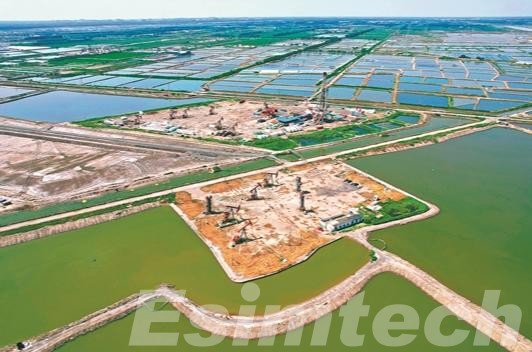
Unconventional wells, on the other hand, usually bring strong early production right after hydraulic fracturing, but the decline can happen faster during the early production stage. Operators often try to squeeze more total recovery using several measures like optimized well spacing, upgraded fracture patterns and tighter reservoir oversight, so the full build-up is used well.
5. Cost and Operational Complexity
Both conventional and unconventional drilling programs demand different magnitudes of spending and operational effort.
Conventional drilling often comes with less completion complexity, mainly because the reservoirs are easier to reach and they generally call for fewer stimulation operations. Still, it can be tough to discover fresh conventional reserves since a lot of the most accessible fields have already been developed, meaning opportunities are more limited now.
Unconventional drilling usually calls for a higher upfront investment, mostly because the horizontal wells are longer, hydraulic fracturing has to run properly, specialized equipment is needed, and there are added environmental management tasks. Even with those initial costs, improvements in technology have made unconventional resources increasingly competitive, more able to keep pace.
6 . Environmental Considerations
Environmental management is one big factor in both conventional and unconventional drilling, even if people focus on different things at first.
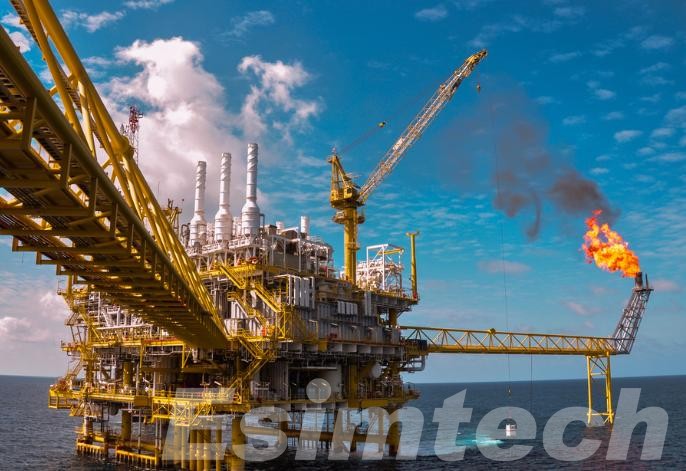
Conventional drilling calls for careful handling of drilling waste, produced water, emissions, and also the land disturbance. Offshore conventional drilling adds even more layers with strict safety measures to safeguard the marine environment.
Unconventional drilling has gotten more attention because people worry about hydraulic fracturing, like water use, wastewater handling, chemical management, and the chance of methane emissions. Nowadays, drilling teams apply better well designs, water recycling systems, and real-time monitoring tools, so environmental effects are reduced in practice.
7. Equipment and Infrastructure Requirements
The equipment and infrastructure needed for conventional and unconventional drilling can be very different.
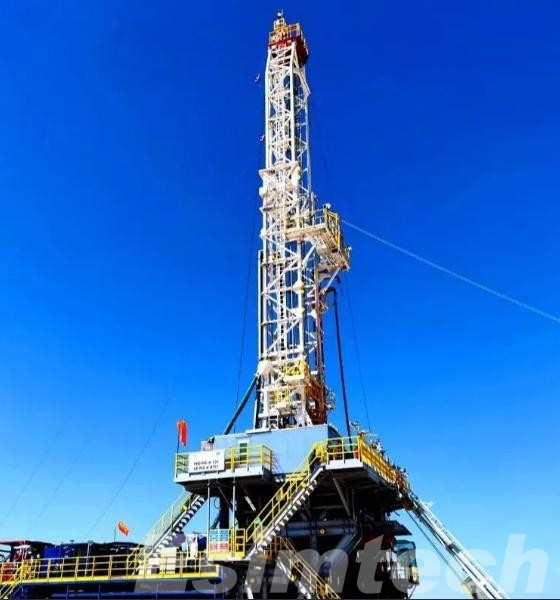
For conventional drilling, teams often rely on standard drilling rigs, drilling fluids, casing systems, wellheads, and production equipment. Since the reservoirs are usually easier to reach, the field development stage may need fewer specialized tasks, compared to more complex approaches.
Unconventional drilling needs more advanced hardware, like high-performance drilling rigs that can handle long horizontal run and hydraulic fracturing gear, pressure monitoring systems, and an advanced data analysis platform or two. On top of that, large-scale infrastructure for water handling, sand hauling, and production processing is often required as well, not just the drilling itself.
Summary Comparison Chart
| Feature | Conventional Drilling | Unconventional Drilling |
| Reservoir Type | Targets porous and highly permeable rock formations where hydrocarbons can flow naturally | Targets low-permeability formations such as shale, tight sandstone, and coalbed methane reservoirs |
| Hydrocarbon Accessibility | Oil and gas can move relatively easily through natural rock pathways | Oil and gas are trapped within dense rock and require additional recovery methods |
| Main Resources | Conventional crude oil and natural gas reservoirs | Shale oil, shale gas, tight oil, tight gas, and other unconventional resources |
| Well Design | Mainly vertical wells or moderately deviated directional wells | Uses horizontal wells combined with vertical drilling sections |
| Drilling Method | Traditional drilling techniques focused on reaching naturally productive reservoirs | Advanced drilling methods designed to maximize contact with difficult formations |
| Key Extraction Technology | Natural reservoir pressure, artificial lift systems, and enhanced oil recovery methods | Hydraulic fracturing, horizontal drilling, and advanced completion technologies |
| Reservoir Stimulation | Usually requires limited or no stimulation | Requires extensive stimulation to improve rock permeability |
| Production Performance | Often provides stable production with slower decline rates | Usually has high initial production followed by faster decline rates |
| Drilling Complexity | Relatively simple operations with fewer specialized processes | More complex operations requiring advanced equipment and engineering techniques |
| Equipment Requirements | Standard drilling rigs, casing systems, wellheads, and production equipment | High-performance drilling rigs, fracturing equipment, pressure monitoring systems, and advanced data technologies |
| Cost Structure | Generally, lower drilling and completion costs | Higher initial investment due to horizontal drilling and fracturing operations |
| Operational Challenges | Reservoir discovery, well integrity, and production management | Formation evaluation, fracture optimization, water management, and complex well planning |
| Environmental Concerns | Land disturbance, drilling waste, emissions, and produced water management | Water consumption, wastewater treatment, methane emissions, and hydraulic fracturing impacts |
| Technology Dependence | Relies more on traditional drilling and reservoir engineering methods | Depends heavily on digital technologies, automation, and real-time monitoring |
| Field Development Approach | Often involves fewer wells with larger production zones | Requires multiple wells to efficiently develop large resource areas |
| Future Development Focus | Enhanced oil recovery, mature field optimization, and offshore technology improvements | More efficient fracturing methods, automation, and environmentally responsible production techniques |
Future Development Trends in Conventional and Unconventional Drilling
The future of both conventional and unconventional drilling will depend on technological innovation and improved operational efficiency.
| Future Development Trend | Conventional Drilling | Unconventional Drilling |
| Digitalization and Smart Oilfields | Increased adoption of digital oilfield technologies, real-time monitoring systems, and intelligent production management to improve mature field performance | Greater use of digital platforms, AI-based analytics, and automated workflows to manage complex shale and tight reservoir operations |
| Automation and Intelligent Operations | More automated drilling rigs, remote monitoring systems, and intelligent well management solutions to improve efficiency and reduce human error | Expansion of automated drilling, robotic systems, and intelligent completion technologies for complex horizontal wells |
| Advanced Reservoir Management | Focus on extending the life of existing fields through improved reservoir modeling, enhanced recovery methods, and production optimization | Development of advanced reservoir models to better understand shale formations, fracture networks, and production behavior |
| Enhanced Recovery Technologies | Wider application of enhanced oil recovery (EOR) methods such as water flooding, gas injection, and chemical recovery | Improvement of hydraulic fracturing techniques, fracture optimization, and advanced completion methods to increase resource recovery |
| Drilling Efficiency Improvement | Optimization of drilling parameters, improved drilling fluids, and advanced directional drilling for cost-effective field development | Longer horizontal wells, faster drilling cycles, optimized well spacing, and improved multi-stage fracturing operations |
| Artificial Intelligence and Data Analytics | Use of AI for predictive maintenance, production forecasting, and equipment performance monitoring | Application of AI for drilling optimization, fracture design, real-time decision-making, and production prediction |
| Advanced Simulation and Training Technologies | Increased use of drilling simulators and digital models for operator training, well planning, and safety improvement | Greater reliance on advanced oil and gas simulation systems for horizontal drilling, hydraulic fracturing training, and complex operational scenarios |
| Well Control and Safety Enhancement | Improved blowout prevention systems, pressure monitoring, and well integrity management | Advanced pressure control technologies and risk management systems for challenging formations |
| Environmental Sustainability | Focus on reducing emissions, improving energy efficiency, and integrating carbon management solutions | Emphasis on reducing water consumption, improving wastewater treatment, lowering methane emissions, and developing cleaner fracturing methods |
| Equipment Innovation | Development of more efficient drilling rigs, advanced sensors, and improved completion equipment | High-performance rigs, intelligent drilling tools, and advanced fracturing equipment for difficult reservoirs |
| Remote Operations | Growth of remote operation centers and centralized monitoring systems for conventional fields | Increased use of remote-controlled drilling and automated production systems in unconventional plays |
| Workforce Development | Continuous training to operate advanced drilling equipment and manage digital oilfield technologies | Specialized training for unconventional drilling techniques, including horizontal drilling and hydraulic fracturing operations |
| Offshore and Complex Field Development | Continued advancement of deepwater drilling, subsea technologies, and offshore production systems | Application of advanced drilling methods for challenging unconventional reservoirs and complex geological environments |
| Future Energy Integration | Integration of low-carbon technologies such as carbon capture and improved energy efficiency in existing operations | Development of lower-emission extraction methods and integration with renewable energy-powered operations |
Final Thoughts
Conventional and unconventional drilling kind of represent two different ways of getting at oil and gas resources. Conventional drilling is mostly about taking hydrocarbons from naturally flowing reservoirs, while unconventional drilling leans on advanced technologies in order to pull out resources that are trapped in harder, less friendly formations.
Even though unconventional drilling has opened up new opportunities for energy production, conventional drilling still makes major contributions to the industry. When they are paired, advanced technology plus better safety practices and more responsible resource management, both drilling methods will likely stay as key parts of what comes next for the oil and gas sector.