Jack-up Rigs vs Semi-submersible Rigs: How to Make a Choice

Written By: Computer Science Professor
Deeply rooted in the R&D of simulators for the oil and gas industry, committed to bringing safety to every oil worker.
Offshore drilling needs specialized equipment that can keep working in rough marine conditions. Among the most commonly used offshore drilling rigs are jack-up rigs and semi-submersible rigs. Both are designed to handle exploration and production tasks at sea, but they differ in structure, operating depth, movement, stability, and the kinds of situations they fit best. Getting the comparison between jack-up rigs and semi-submersible rigs helps drilling contractors, operators and engineers choose the most suitable offshore platform for particular field requirements.
Understanding Jack-up Rigs
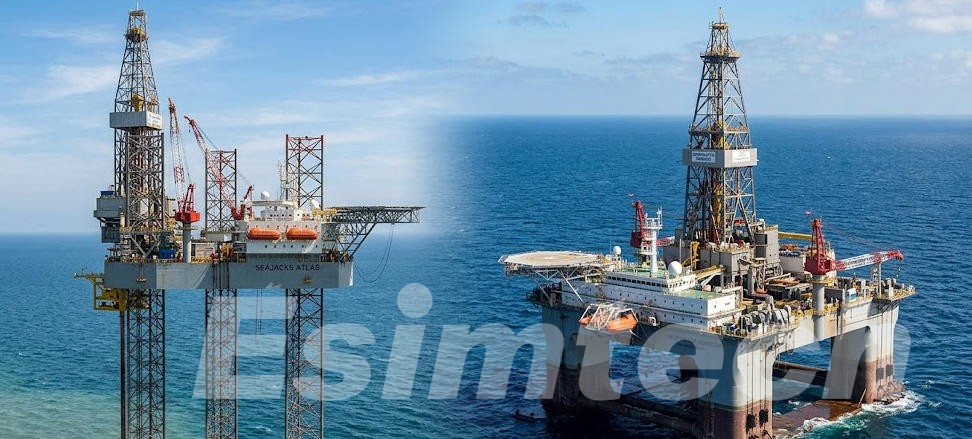
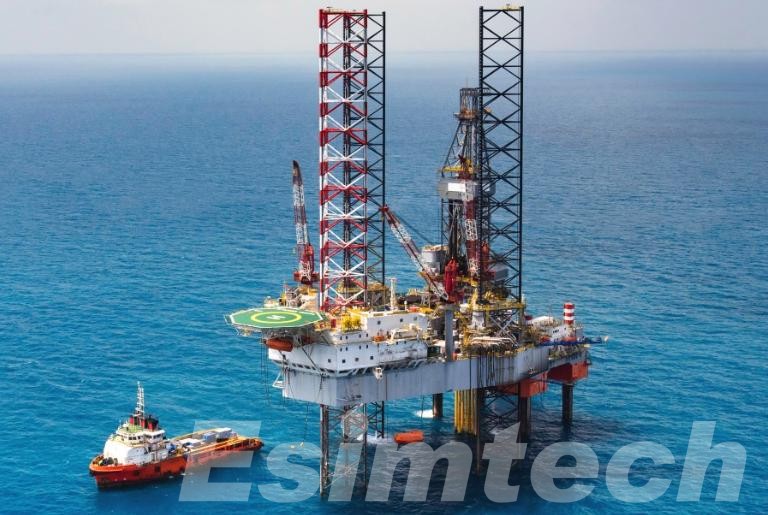
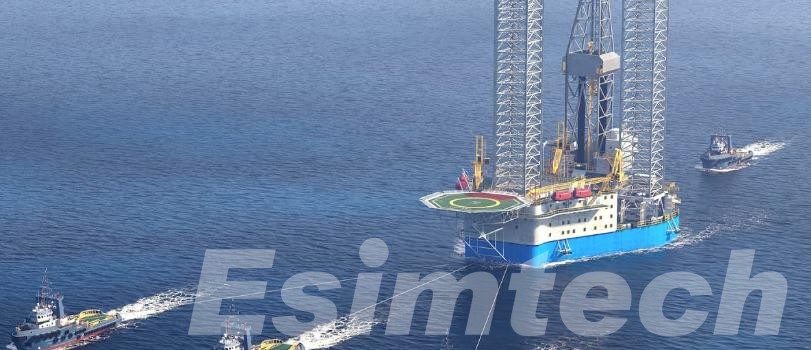
Jack-up rigs are among the most important types of mobile offshore drilling rigs that get used in the oil and gas field. These self-elevating platforms are built to support offshore work in shallow, and moderate water depths. Instead of leaning on floating hulls that depend on buoyancy and positioning systems, jack-up rigs work with extendable legs that go down until they touch the seabed, so the platform rises above the water line and the crew gets a steady work area.
Because the overall design is relatively straightforward, and the stability is high while operating costs stay reasonable, jack-up rigs are used broadly for offshore exploration, development drilling, well servicing and platform support tasks. Even with all these advantages, their use is limited by water depth, the seabed’s condition, and also by environmental factors. Knowing what jack-up rigs can do, and where they cannot, assists operators in choosing the most suitable offshore drilling approach.
Jack-up rigs are commonly used in offshore areas with relatively shallow water depths, especially on continental shelves.
Structure and Working Principle
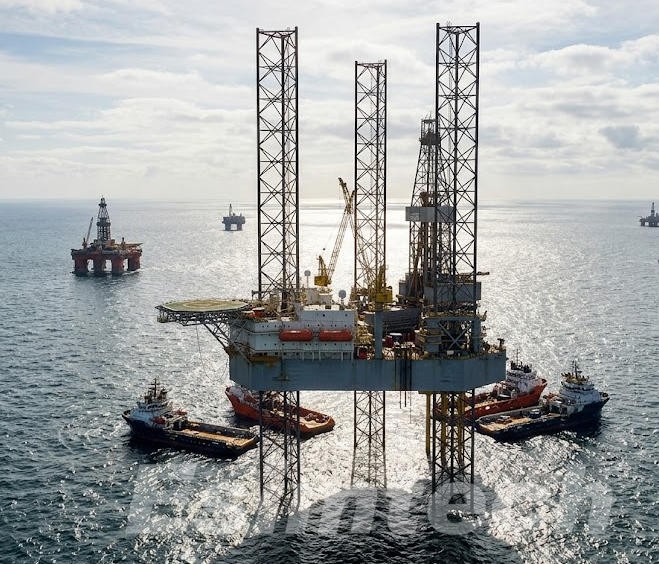
A jack-up rig usually includes a floating hull, movable legs, a jacking system, and drilling equipment. When the unit is being transported, the legs are lifted upward so the rig can stay afloat and be towed toward the drilling spot. After the rig reaches the intended area, the legs are brought down until the footings touch the seabed, pretty directly. Then the jacking system raises the hull, so the drilling platform ends up above the water surface, in a position meant to handle waves and currents safely, and without taking too much impact.
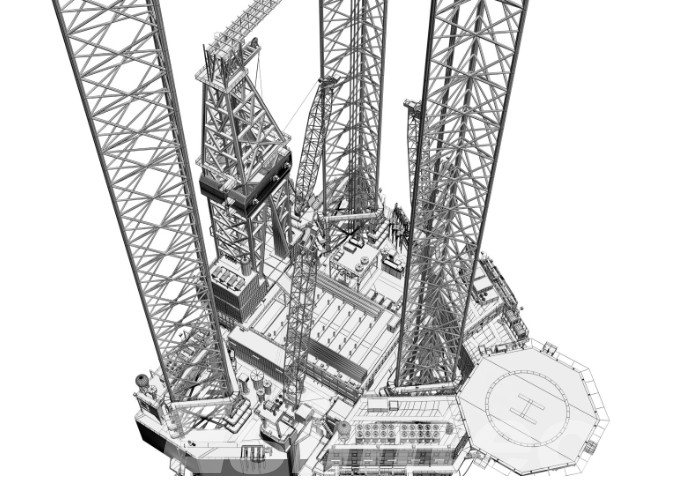
With the structure up in the air, marine conditions affect drilling less, and the setup becomes a steady working base, almost like a drilling site on land. Once drilling is finished, the hull is moved downward back onto the water, the legs are withdrawn, and the whole rig is ready to be moved again.
Jack-up rigs are mainly sorted into independent-leg jack-up rigs and mat-supported jack-up rigs. Independent-leg designs are better for uneven seabeds because each leg works independently, while mat-supported designs rely on a big foundation structure to spread the loads across a broader seabed region, so it feels more reliable in uneven ground.
Understanding Semi-submersible Rigs
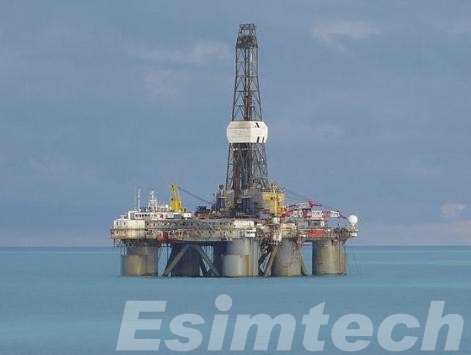
Now, semi-submersible rigs are often treated as one of the more advanced offshore drilling rigs. These rigs are used for oil and gas exploration as well as production, and they are built to run in deepwater conditions with rough marine weather. With their floating platform setup, they deliver solid steadiness and drilling performance, especially in places where traditional fixed-bottom structures do not make sense, or when jack-up rigs can not be deployed.
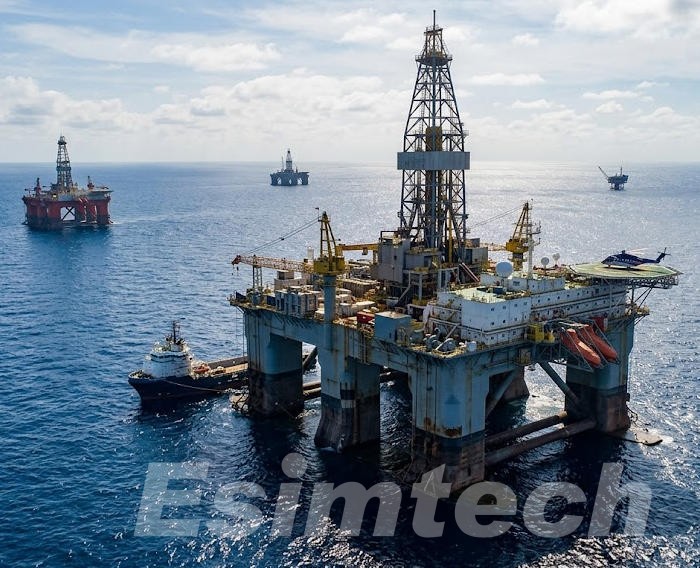
Unlike jack-up rigs, which count on legs that are pinned to the seabed, semi-submersible rigs stay afloat and they rely on submerged pontoons, vertical columns, and more advanced positioning systems, to keep themselves locked in place above underwater wells. That particular arrangement helps them endure rough marine weather, plus the pressure of deep water, which makes them a necessary option for deepwater and ultra-deepwater exploration.
Because the need for offshore energy keeps growing, semi-submersible rigs are now a key piece of technology, when operators want to reach oil and gas reserves that sit far beyond the shoreline, and in increasingly tricky environments too.
Structure and Working Principle
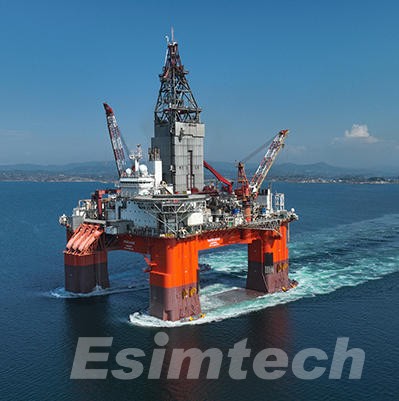
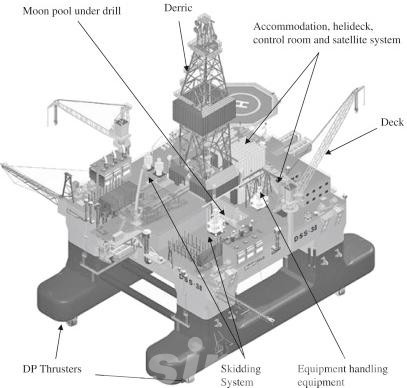
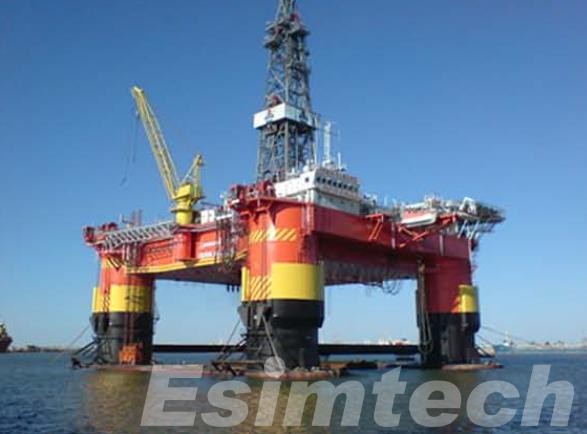
A semi-submersible rig is basically a floating offshore drilling platform. It is supported by submerged pontoons along with vertical columns. The pontoons bring buoyancy to the system, and the columns tie the under-surface body to the upper working deck, where drilling tasks are carried out.
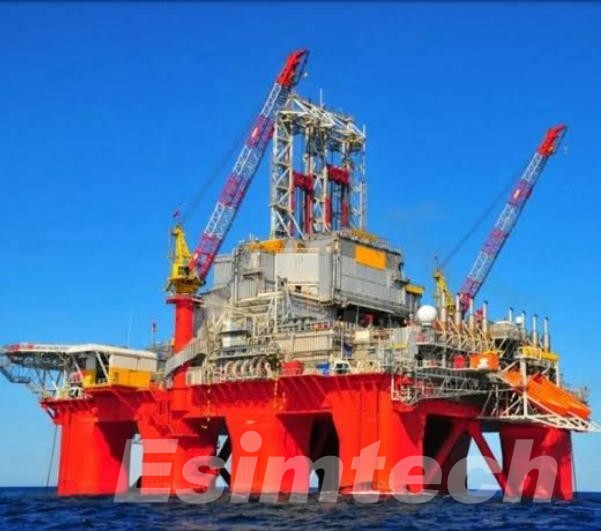
During operation, the lower pontoons stay beneath the water surface, which helps with less wave impact, and it also makes the platform feel more stable in practice. The drilling deck sits high over sea level, so equipment and people get more protection when wave conditions turn rough.
The main systems of a semi-submersible rig include the drilling package, power generation equipment, living quarters, marine systems, safety systems, and well-control equipment such as blowout preventers.
Main Differences Between Jack-up Rigs and Semi-submersible Rigs
| Comparison Factor | Jack-up Rigs | Semi-submersible Rigs |
| Basic Structure | A self-elevating offshore platform with movable legs that extend to the seabed for support | A floating offshore platform supported by submerged pontoons and vertical columns |
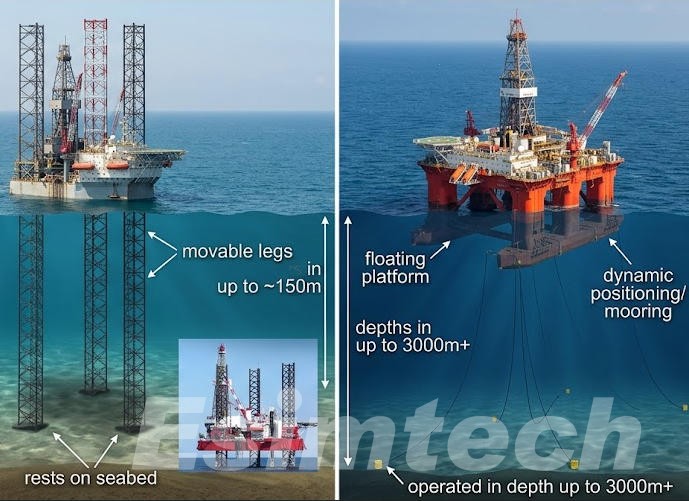
| Support Method | Supported directly by the seabed through extendable legs | Remains afloat and maintains position through mooring systems or dynamic positioning systems |
| Operating Water Depth | Mainly used in shallow and moderate water depths, typically up to around 150 meters depending on design | Designed for deepwater and ultra-deepwater operations, capable of operating in thousands of meters of water |
| Stability | Provides excellent stability in shallow waters due to direct seabed support | Provides superior stability in harsh offshore environments due to submerged buoyancy structures |
| Mobility | Relatively easy to move between offshore locations by raising legs and towing the rig | More complex to relocate due to larger size, advanced systems, and transportation requirements |
| Installation Method | Legs are lowered to the seabed, then the hull is lifted above the water surface | The rig is positioned using anchors or dynamic positioning systems without contacting the seabed |
| Suitable Environment | Best suited for calm offshore areas, shallow waters, and continental shelf regions | Suitable for deepwater, harsh weather, and challenging offshore environments |
| Drilling Capability | Suitable for exploration drilling, development wells, workovers, and platform support operations | Suitable for deepwater exploration, complex drilling projects, and ultra-deepwater developments |
| Seabed Requirements | Requires suitable seabed conditions to support the rig legs safely | Less dependent on seabed conditions because it does not require direct seabed contact |
| Weather Resistance | More vulnerable during extreme weather, especially during installation and relocation | Better performance in severe weather due to reduced wave impact on submerged structures |
| Construction Complexity | Simpler design with lower engineering complexity | More complex structure requiring advanced engineering and control systems |
| Operating Cost | Lower construction and operating costs, making it economical for shallow-water projects | Higher construction, maintenance, and operating costs due to advanced technology |
| Positioning System | Uses legs for positioning and stability | Uses mooring systems or dynamic positioning technology for station keeping |
| Maintenance Requirements | Generally easier and less expensive to maintain | Requires specialized maintenance due to complex mechanical and control systems |
| Safety Advantages | Stable working platform with reduced movement in suitable conditions | High stability in harsh environments with advanced safety and monitoring systems |
| Main Limitations | Limited by water depth, seabed conditions, and extreme weather | High cost, complex operation, and dependence on positioning systems |
| Common Applications | Shallow-water oil and gas exploration, well maintenance, offshore platform support | Deepwater and ultra-deepwater oil and gas exploration and production activities |
Key Factors to Consider for Choosing Between Jack-up Rigs and Semi-submersible Rigs
Choosing the appropriate offshore drilling rig is a critical decision, it impacts project safety, efficiency, and the overall economic picture. Deciding between jack-up rigs and semi-submersible rigs depends on several factors, like water depth, local environmental conditions, drilling goals, operational expenses, and the engineering requirements. When operators do a careful review of these aspects, they can usually end up with a more fitting rig for the exact offshore worksite.
1. Water Depth and Operating Area
Water depth is one of the key factors , it really drives what type of rig can be used. The structural setup of jack-up rigs versus semi-submersible rigs defines the marine conditions where each unit can perform reliably.
Jack up rigs use extendable legs that are brought down to the seabed, so the hull can be raised above the water level. Since their stability depends heavily on firm seabed support, these rigs are mostly used in shallow and moderate water depths. When the water gets deeper, you need longer legs, that raises structural weight, makes construction harder, and also creates more headaches during transport.
Semi-submersible rigs are floating systems, they do not have to rely on direct contact with the seabed. Instead, their submerged pontoons and vertical columns provide the buoyancy and steadiness, so they can work in deepwater as well as ultra deepwater locations.
For offshore developments close to shore, or in shallow continental shelf areas, jack up rigs are often the go to option because they are cheaper and simpler to operate. For remote offshore fields, especially where water depth is high, semi-submersible rigs usually fit better since they can function without needing seabed conditions.
2. Seabed Conditions
Rig transfer operational loads straight into the seabed, so the soil strength and the geological setup need to be carefully evaluated.
A stable seabed gives dependable support, while weak or irregular seabed formations can lead to issues like too much leg penetration, loss of stability, or difficulties during installation. Detailed geotechnical surveys are necessary before placing a jack-up rig, really.
Semi-submersible rigs are usually less affected by seabed conditions because they stay afloat during drilling activities. Their steadiness is handled by mooring systems, or by dynamic positioning technology.
Even so, anchoring conditions still must be reviewed, but semi-submersible rigs bring more flexibility where seabed conditions are not suitable for jack-up work.
3. Environmental and Weather Conditions
Offshore drilling environments can get strong winds, big waves, shifting ocean currents, and severe storms. Those conditions end up affecting rig performance and safety in a direct way, like immediately.
Jack-up rigs are usually pretty stable in the right shallow-water areas, because their legs form a sort of fixed support structure. Still, in places that are more exposed to extreme weather, they can run into extra difficulties, especially while installing the unit or when moving it to a new site.
Semi-submersible rigs, on the other hand are built for nasty offshore conditions. Since a large part of the structure sits underwater, the waves get less impact, so these rigs can keep steadier behavior when the weather turns difficult.
Before choosing any rig, operators need to evaluate the local setting carefully, including wave patterns, wind conditions, current strength, and how often storms show up. If a project is planned in harsh offshore regions, it often calls for the improved stability and positioning ability of semi-submersible rigs.
4. Drilling Requirements and Well Complexity
The purpose, and the overall complexity of the drilling work are basically key when choosing a rig. Jack-up rigs are often picked for exploration wells, development drilling, workover jobs, and also for supporting offshore platforms in shallow water areas.
Semi-submersible rigs are built for more demanding tasks. This includes deepwater exploration, high-pressure wells, and tougher offshore development schedules.
Deepwater drilling usually means difficult geological layers, stronger pressures, and longer reach between the rig and the target. For that reason, these jobs lean on advanced tools, accurate station keeping, and stronger well-control systems, which are typically part of what semi-submersible rigs can provide.
When the job is a simpler shallow-water well, a jack-up rig may be enough in capability, while still delivering a more economical outcome.
5. Cost Considerations
Cost remains a major driver in offshore drilling choices. In general, jack-up rigs have reduced construction and day to day operating costs, since the structure is simpler, and there are fewer high-end systems that need attention.
Their cost advantages make them attractive for shallow water work where high-performance deepwater gear is not really needed.
Because semi-submersible rigs have a more complicated design, they call for larger investment, plus advanced positioning systems, and then the maintenance is more specialized. Because of this, their operating expenses tend to climb too, since they need seasoned crews and extra offshore support.
Even though jack-up rigs are usually cheaper, they may not satisfy the technical requirements that deepwater projects demand. Likewise, taking a semi-submersible rig for a straightforward shallow-water task can turn into needless spending.
So the most economical pick is the rig that delivers the required technical performance, while keeping the total project costs within a reasonable range.
6. Rig Availability and Mobilization
How available rigs are in the offshore market can affect how a project is planned. Jack-up rigs are widely used, and they are often easier to secure for shallow-water operations.
Semi-submersible rigs are specialized units, with fewer options available, especially when the project is pushing into advanced deepwater work. Early planning and scheduling matters a lot too, because if it slips, delays can show up in a really persistent way.
Mobilization requirements should be checked as well. For jack-up rigs, the usual approach is that they can be transported relatively easily by towing, once their legs are raised.
Semi-submersible rigs need more complex transport planning, mainly due to the bigger overall dimensions and the advanced marine systems onboard. When it comes time to move them to another location, higher costs are common, and preparation periods often become longer.
7. Safety Requirements
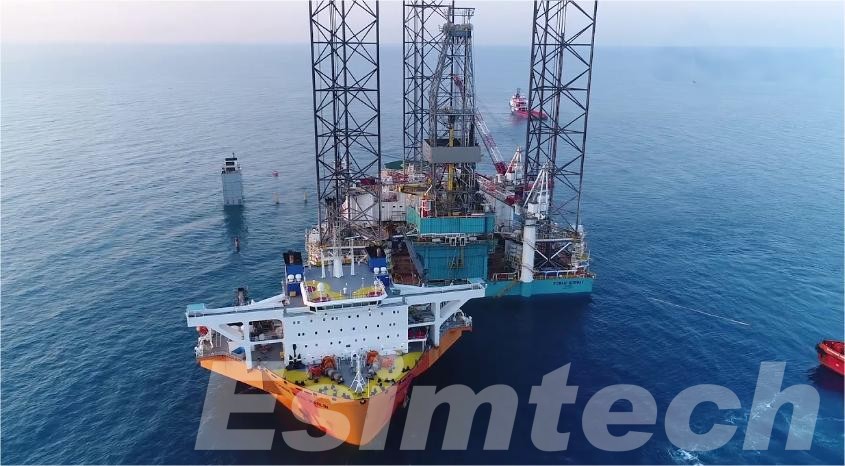
Safety is a major factor in the selection of any offshore drilling unit. Both types, jack-up rigs and semi-submersible rigs, are usually outfitted with multiple safety systems, including blowout preventers, emergency shutdown systems, fire detection systems, and evacuation equipment.
Jack-up rigs can give a pretty steady work surface if they are installed properly, which tends to reduce platform movement when drilling starts. But operators still have to pay attention to risks tied to leg stability and what the seabed is like. If they ignore those details it can go badly.
Semi-submersible rigs also bring strong steadiness in harsh offshore conditions, though they depend on dependable positioning systems to keep the well alignment correct all the time.
How well a rig deals with emergencies is a major part of selection. People running projects have to think about evacuation steps, well control strength, how reliable the equipment stays, and how reachable offshore support services are when needed.
8. Operational Flexibility
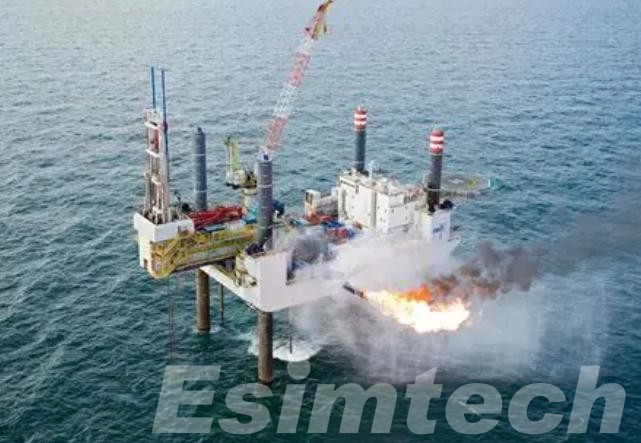
Project length in practice can steer which rig type gets picked. Jack-up rigs are often a reasonable match for shorter drilling runs, repair and maintenance work, and operations that visit several shallow-water locations.
Semi-submersible rigs are frequently chosen for long-term deep-water projects, where advanced systems matter and nonstop operation is required.
Operators should also keep in mind future growth openings. If a certain field might need extra drilling, or more involved operations later on, then putting money into semi-submersible technology could end up giving more flexibility than other paths.
9. Technology and Automation Requirements
Modern drilling operations increasingly depend on automation, digital monitoring, and data analysis technologies. The required level of technology can affect rig selection.
| Technology and Automation Factor | Jack-up Rigs | Semi-submersible Rigs |
| Automation Level | Uses moderate automation systems to improve drilling efficiency, equipment control, and safety monitoring | Requires advanced automated drilling systems due to complex deep-water operations and higher operational risks |
| Drilling Control Systems | Equipped with automated drilling controls, pipe handling systems, and monitoring tools suitable for shallow-water wells | Uses advanced drilling control systems with high-precision monitoring for deepwater and complex well conditions |
| Positioning Technology | Relies mainly on seabed-supported legs for stability, with limited positioning automation during operation | Uses advanced mooring systems or dynamic positioning (DP) systems with automated control to maintain accurate location |
| Dynamic Positioning System | Usually not required because the rig is fixed to the seabed during drilling operations | Often equipped with DP systems that automatically adjust thrusters to compensate for wind, waves, and currents |
| Real-time Monitoring | Uses sensors and digital monitoring systems to track drilling parameters, equipment status, and safety conditions | Requires comprehensive real-time monitoring systems to manage drilling performance, vessel movement, and deepwater risks |
| Data Acquisition and Analysis | Collects operational data for performance optimization, maintenance planning, and safety improvements | Uses advanced data analytics, AI-based monitoring, and predictive maintenance technologies for complex operations |
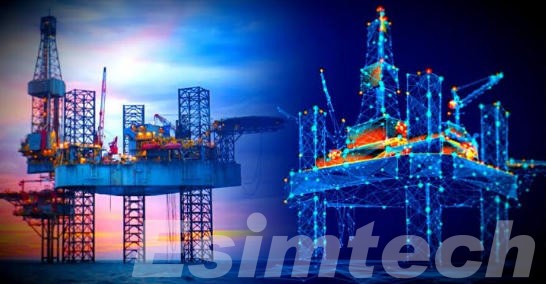
| Digital Twin Technology | Increasingly adopted for equipment monitoring, training, and maintenance optimization | More widely applied due to the need for advanced simulation, operational prediction, and remote decision support |
| Remote Operation Capability | Supports remote monitoring and selected automated functions to reduce manual intervention | Requires stronger remote operation capabilities because of complex offshore environments and high operational demands |
| Well Control Automation | Uses automated blowout prevention systems and well monitoring technologies for shallow-water drilling | Requires highly advanced well control automation due to high-pressure, high-temperature, and deepwater drilling challenges |
| Safety Monitoring Systems | Includes fire and gas detection, emergency shutdown systems, and equipment monitoring | Uses integrated safety management systems with advanced sensors, automated alarms, and emergency response technologies |
| Maintenance Technology | Uses condition monitoring and automated inspection tools to reduce downtime | Relies heavily on predictive maintenance, remote diagnostics, and advanced equipment health monitoring |
| Communication Systems | Requires reliable offshore communication for operational coordination and safety management | Needs high-performance communication networks to support remote operations, data transfer, and real-time decision-making |
| Energy Management Systems | Focuses on efficient power generation and equipment operation optimization | Requires advanced energy management due to higher power demands from thrusters, positioning systems, and offshore equipment |
| Artificial Intelligence Applications | Used for drilling optimization, equipment monitoring, and maintenance prediction | More extensively used for operational optimization, risk prediction, and autonomous drilling support |
| Training and Simulation Requirements | Uses petroleum simulators for operator training, equipment operation, and emergency response preparation | Requires advanced drilling simulators for dynamic positioning, deepwater drilling scenarios, and complex emergency situations |
| Main Technology Focus | Improving efficiency, reliability, and safety in shallow-water operations | Enhancing stability, precision, automation, and safety in deepwater and harsh offshore environments |
Summary
- Jack-up rigs are an excellent choice for shallow-water drilling because of their mobility and cost efficiency.
- Semi-submersible rigs are better suited for deepwater and harsh offshore environments due to their advanced capabilities and superior stability.
Final Thoughts
Jack-up rigs and semi-submersible rigs do the different jobs in offshore drilling. As offshore exploration pushes farther into deeper waters, semi-submersible technology keeps growing in relevance. At the same time, upgrades in jack-up rig design help these units stay competitive for shallower and medium-depth offshore projects. Selecting the right drilling rig is a balancing act. It is about water depth, environmental conditions, project aims, and operational costs.