Top Well Intervention Simulator Manufacturers: What Differentiates Industrial Competitors?

Written By: Computer Science Professor
Deeply rooted in the R&D of simulators for the oil and gas industry, committed to bringing safety to every oil worker.
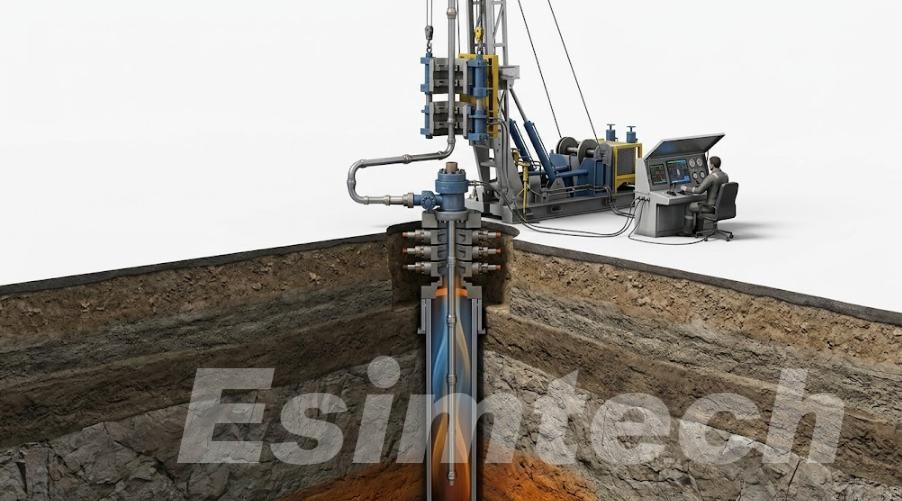
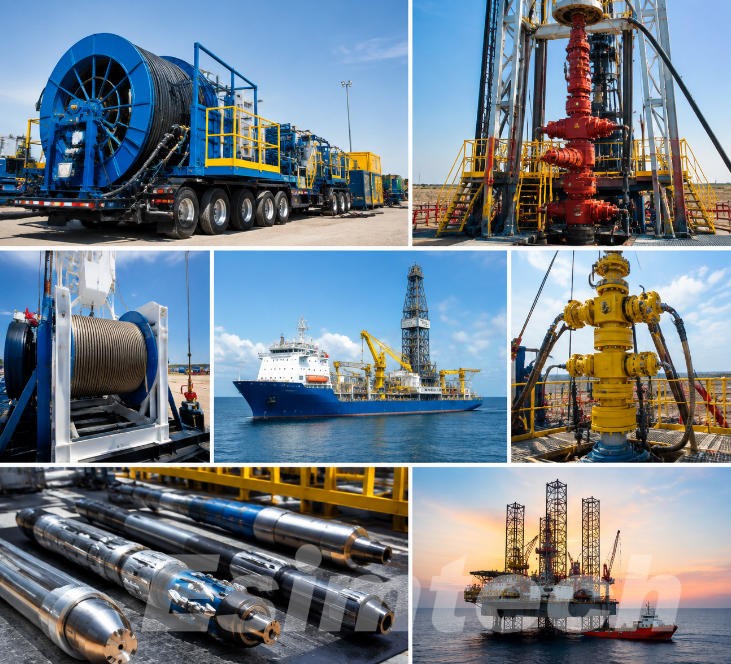
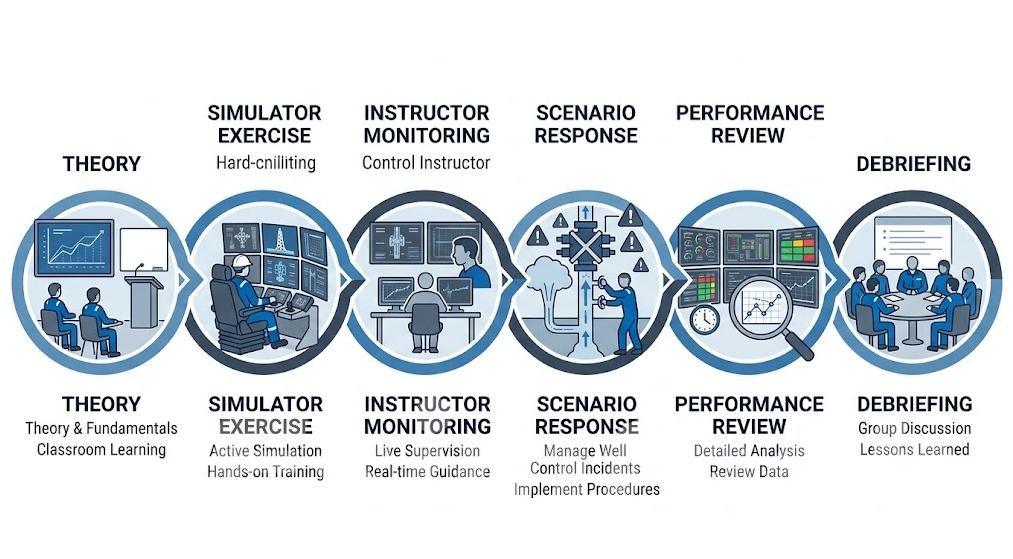
For live-well applications, coiled tubing, wireline, and snubbing operations take place under pressure. In such cases, a small mistake means not only huge costs of Non-Productive Time (NPT), but also increased possibilities of downhole catastrophes and blowouts. Thus, international companies and training facilities are changing their approach from classroom learning to sophisticated simulations.
However, choosing a company among many well-intervention simulator producers can be problematic. There are several suppliers with distinctively various engineering approaches and technological bases. The presented guide provides technical standards that will help you to choose the best system among other competing systems in this industry.
What Categorizes Well Intervention Simulator Manufacturers?
The global petroleum simulation market can be divided into three different kinds of manufacturers. Knowing these three types is important for buyers to immediately rule out providers that don’t align with the infrastructure or regulations.
Software-Only Providers / VR Pioneers (such as Endeavor)

This is generally speaking a software company or a startup which concentrates on scalable SaaS-style training and common hardware.
The Setup: Companies such as Endeavor offer software simulations which can run on a standard laptop or online and also via connected hardware and open formats (WITSML & PLC).
The Problem: Being quite versatile and good at providing flexible access to training covering many processes, software simulations are not able to provide specialized full-size control panels for physical training and development of the necessary reflexes in case of emergencies.
Oilfield Service Megacorporations (such as SLB and Halliburton)
Oilfield megacorporations offering comprehensive software packages for well stimulation and well intervention applications.
The Problematic Setup: Major players such as SLB with their software packages for Drillbench dynamic well control and their newly acquired Stimline Digital line and Halliburton with various software suites including InSite for Well Intervention and STIM2001 deliver very accurate simulation for complex applications including matrix acidizing, dynamic well control, and blowouts.
The Limiting Factor: The major limitation with regards to these corporations is that they mainly specialize in engineering designs, highly accurate pressure models, and field data software. Simulation software offered by these companies comes at a very high cost under very expensive proprietary packages that come along with other commercial enterprises’ contracts.
Specialized Industrial Simulation Engineers (Examples Include: 3t Global, Esimtech)
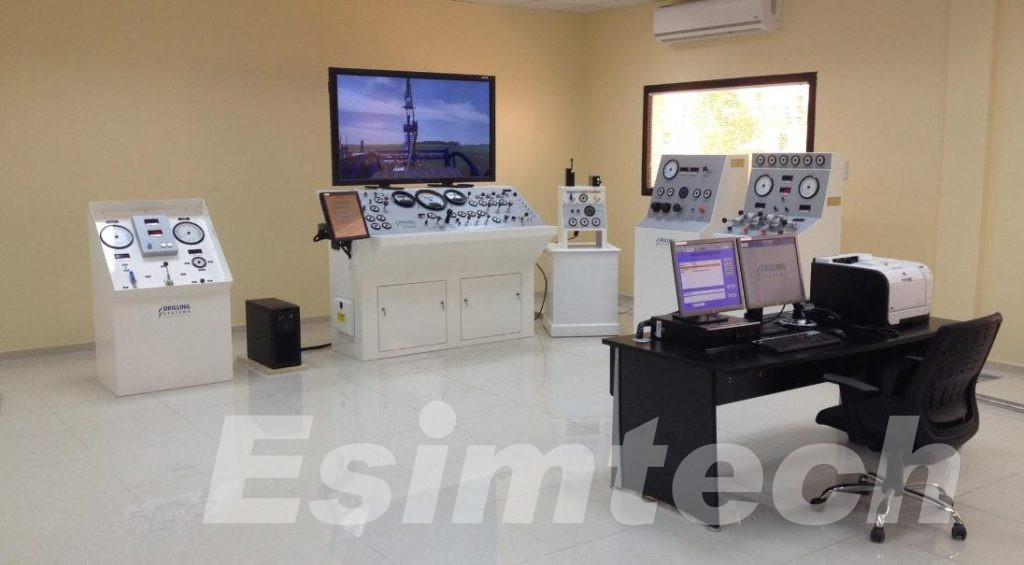
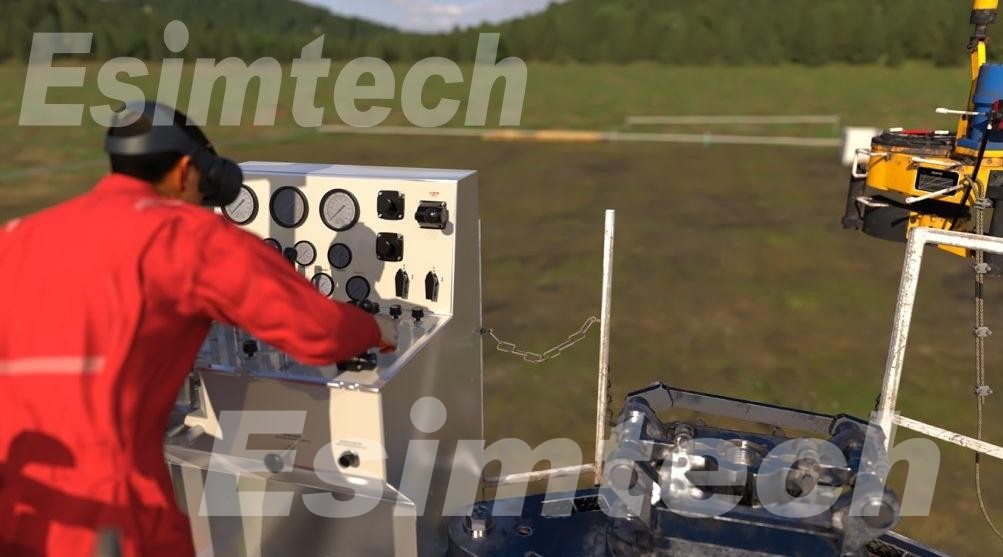
Specialized industrial simulation engineering firms that deal exclusively with developing specialized simulation systems for drilling, well control, and well intervention through dedicated hardware and software simulations.
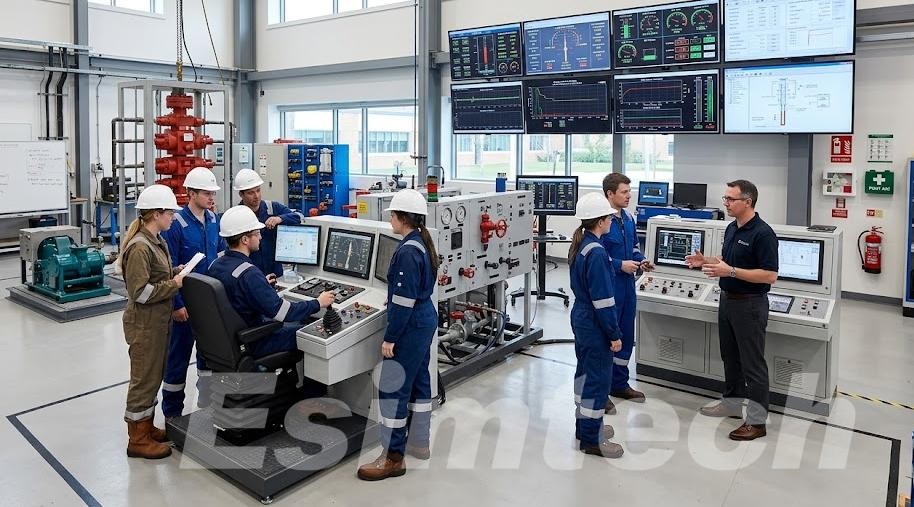
How They Do It: Market leaders such as 3t Global and Esimtech make up the missing link between the accuracy of software and the realism of the hardware. Specialized simulations involve the use of dedicated hardware control consoles integrated with highly precise mathematical models of actual rig floors and downhole tool operations.
Why It’s Better: The firms specialize in meeting the certification requirements of training facilities, offering complete system ownership, and providing direct B2B engineering services without middlemen.
4 Critical Differentiators to Compare Industrial Competitors
In assessing proposals from competing suppliers, procurement specialists should ignore the glossy marketing terms and focus on these four technical factors.
1. Realistic Calculation of Mathematical Modeling
The best companies do not use simple scripted animation models. In fact, tier 3 specialists incorporate real-time multiphase fluid dynamics and FEA simulation into their programming languages. This software constantly calculates real-time transient pressure waves, gas expansion during influxes, and friction coefficients during coiled tubing.
2. Tactile Feedback for Real Operations
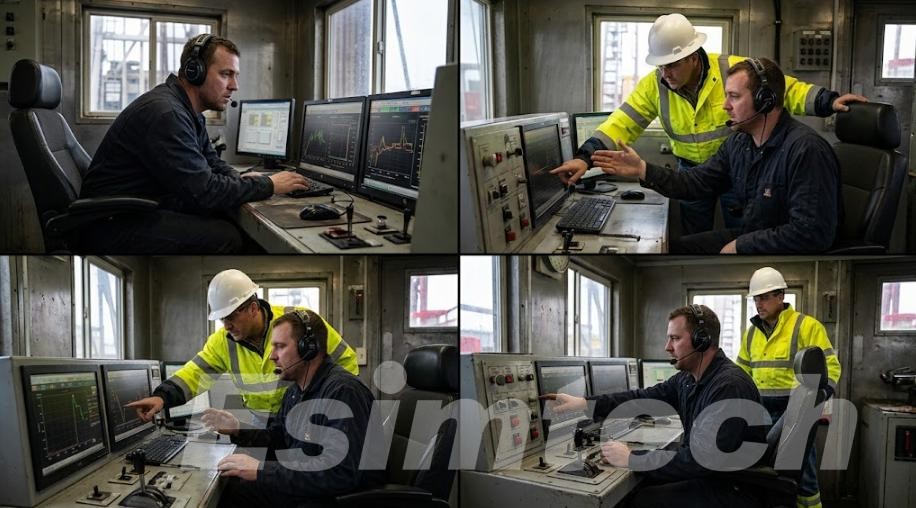
Operations such as snubbing require decision-making in real time based on resistance levels. The highest-quality simulators use industrial hardware such as switches, rotators, and emergency kill buttons as opposed to simple plastic joysticks.
3. International Compliance
Major suppliers directly tie software drill exercise databases to the IWCF and IADC WellSharp curricula. The automated grading system is required to properly assess the Level 3 and Level 4 skills, especially regarding dynamic well control and killing operations.
4. Customization Ability
Unlike the inflexible, closed software design model used by the big players, the simulation engineers keep full possession of the source code. This means that hardware API adjustments, customized interface, and client-defined wellbore geometries can all be incorporated.
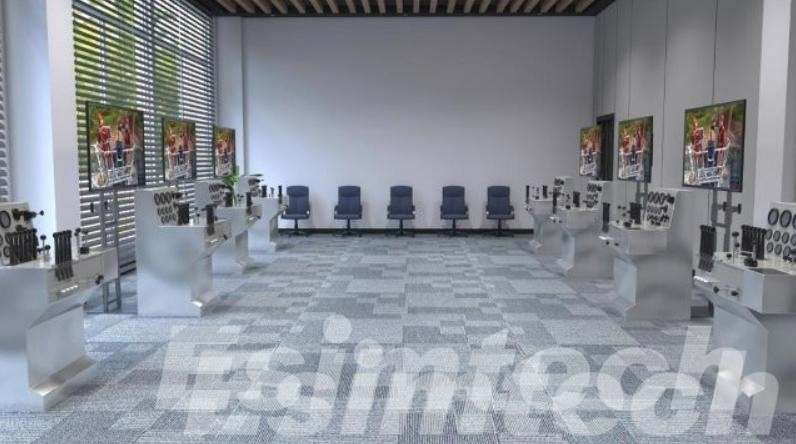
Comparison Table: Evaluating Top Simulation Tiers
To simplify your procurement process, well intervention simulator manufacturers can be categorized into three distinct tiers based on their software deployment, hardware integration, and primary operational purpose.
| Technical Criteria | Tier 1: Software & VR Only (e.g., Endeavor) | Tier 2: Legacy Service Giants (e.g., SLB, Halliburton) | Tier 3: Specialized Engineers (e.g., Esimtech, 3t Global) |
| Primary Focus | Cognitive & remote theory familiarization | Engineering design & advanced wellbore data analytics | Crew certification, muscle memory, & risk management |
| Hardware Realism | None (Relies on laptops or VR controllers) | Proprietary engineering workstations | Industrial-grade, physical consoles & full cabins |
| Math Engine | Basic logic & pre-scripted 3D animations | High-end proprietary asset modeling (e.g., Drillbench) | Real-time multi-phase fluid dynamics & FEA training models |
| Compliance | General awareness & basic orientation | Advanced engineering validation | Fully mapped to IWCF & IADC WellSharp standards |
| Customization | Low (Fixed cloud SaaS architectures) | Low (Cost-prohibitive for custom standalone code) | High (Tailored hardware APIs & custom client well data) |
| Ownership ROI | Low entry cost with high recurring subscription fees | Extremely high upfront CAPEX & enterprise software licensing | Optimized CAPEX with one-time purchase & lifetime support |
Finding the Right Match for Your Training Facility
The choice of the right well intervention simulation equipment vendor is totally dependent on the scale of your organization and your business intentions.
- In case you simply need digital exposure or remote screening for trainees in entry-level positions before they join the actual site, the best fit would be any software-only Tier 1 supplier such as Endeavor, offering an easy-to-use, affordable solution.
- In case the emphasis of your team lies on top-tier engineering solutions, analysis of field data, and simulations related to high-pressure systems for asset developments, then the Tier 2 Legacy Giants’ software packages like Schlumberger Limited (SLB) or Halliburton would be a good match, with the added engineering prowess.
- In case your target lies in establishing a world-class training facility that requires professional credentials, adherence to IWCF/IADC standards, customized field data for local applications, and a positive financial ROI, then a specialized solution from an integrator such as Esimtech or 3t Global could serve your needs perfectly.、