How to Improve Oil and Gas Production Efficiency

Written By: Computer Science Professor
Deeply rooted in the R&D of simulators for the oil and gas industry, committed to bringing safety to every oil worker.
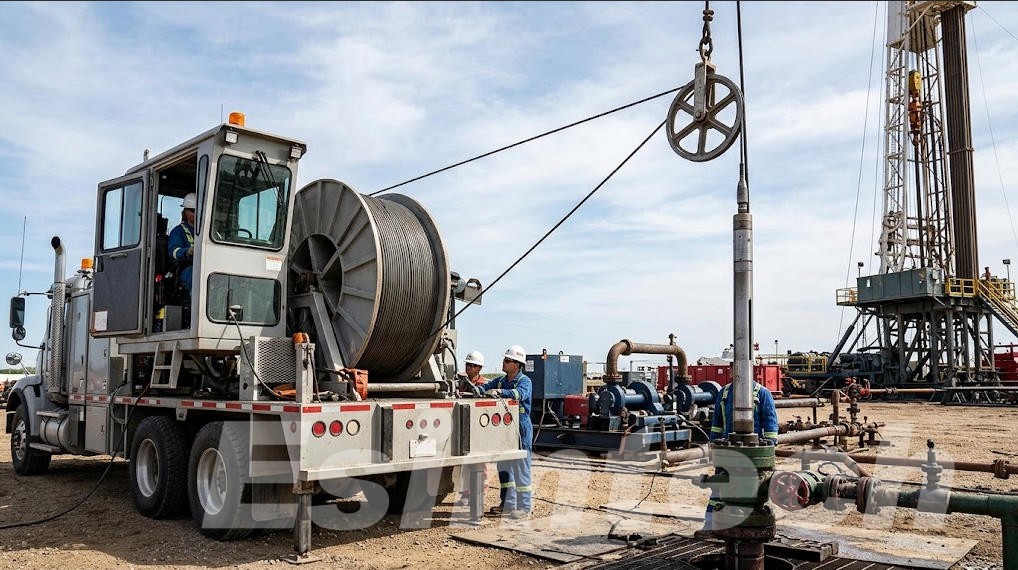
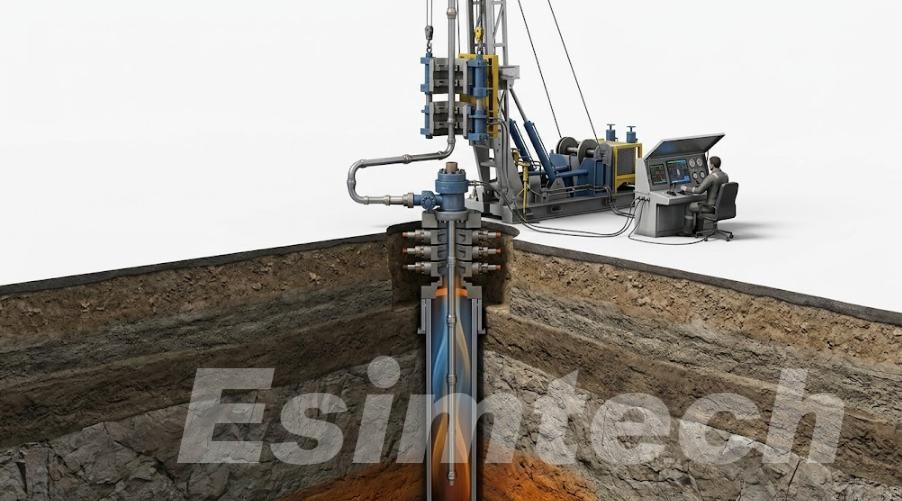
Improving oil and gas production efficiency is now a key target for many operators. The aim is to get more output, spend less on daily work, and keep oil and gas assets producing longer. As reservoirs age, problems during production often get harder. Because of that, companies lean more on advanced technologies, optimized workflows, and data-driven strategies to improve the performance of oil and gas production.
Production efficiency depends on many factors, including reservoir conditions, drilling and completion techniques, well management, operational decision-making, etc. When modern tools are paired with solid production practices, operators often see better recovery. They can also keep operations safer and sustainable, rather than chasing output in a risky way.
Understanding Oil and Gas Production Efficiency
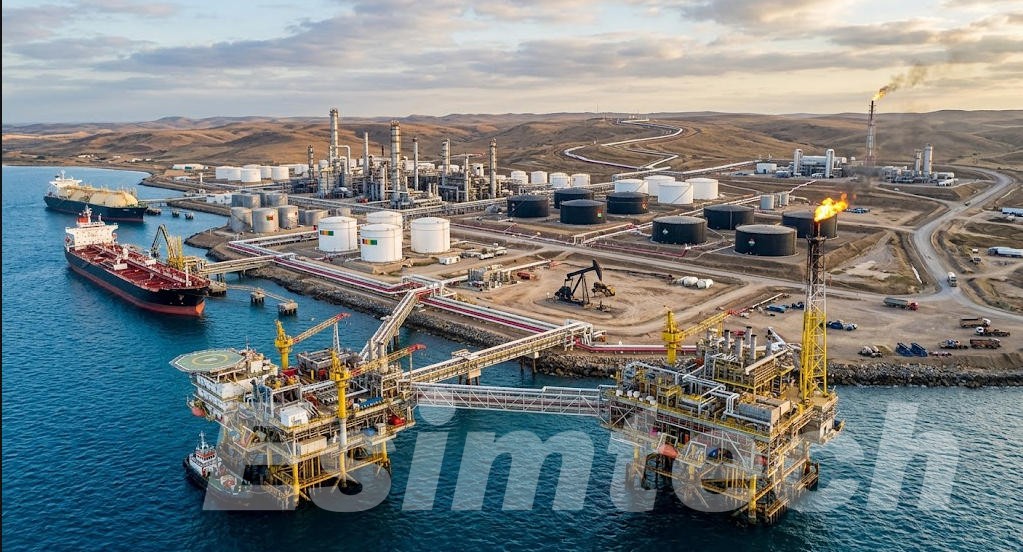
Oil and gas production efficiency is about how well a production setup turns reservoir resources into oil and gas that can actually be recovered. It is tied to production rates, how much can be recovered, equipment dependability, operating expenses, and how well resources are used.
If an operation runs with high efficiency, it can pull more from existing wells. It can also cut extra energy use. Production losses can drop. Safety can improve as well. Operators often do this by checking production records often and adjusting routines. Those changes support better overall performance.
Why Improving Production Efficiency is Critical
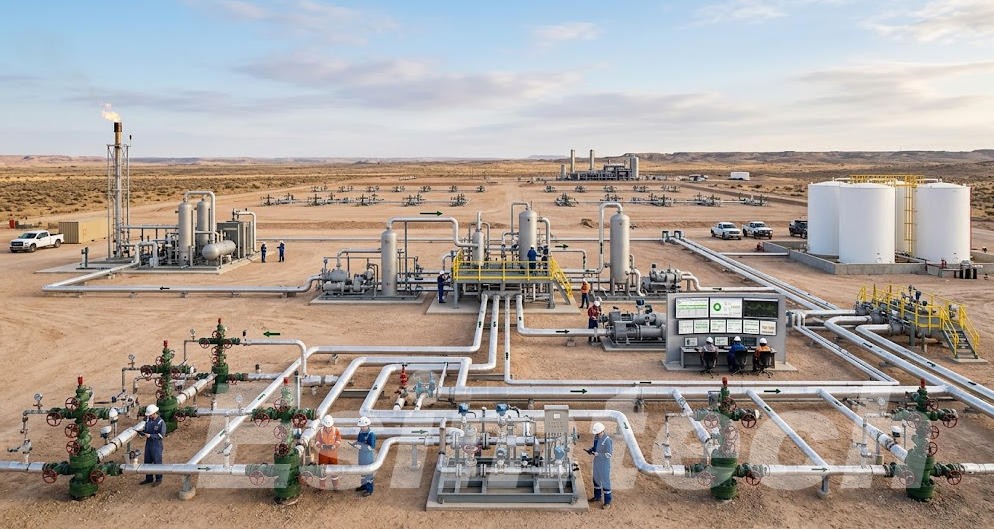
Improving oil production efficiency brings clear value. Better efficiency can raise production capacity without needing big new build outs. This is useful in older fields where reservoir pressure drops and output usually fades over time.
Efficiency can also cut costs. Fewer equipment breakdowns lower repair needs. Energy use can fall. Better planning for maintenance helps too. In the same time, improved production routines can reduce safety risks and lower environmental harm. That can happen through better control of emissions, fewer leaks, and wiser use of resources.
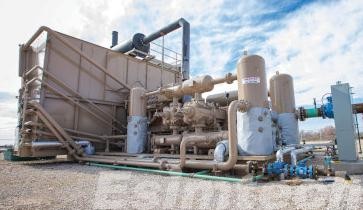
Challenges in Improving Oil and Gas Production Efficiency
| Challenge | Description | Impact on Production Efficiency |
| Aging Oil and Gas Fields | Many mature fields experience declining reservoir pressure, reduced flow rates, and increasing water or gas production. | Makes it more difficult to maintain output levels and requires advanced recovery methods. |
| Complex Reservoir Conditions | Unpredictable geological structures, low permeability formations, and changing reservoir behavior create extraction difficulties. | Increases operational complexity and limits production optimization. |
| Declining Reservoir Pressure | Natural reservoir energy decreases over time, reducing the ability of oil and gas to flow to the surface. | Requires artificial lift systems or enhanced recovery techniques to maintain production. |
| High Operational Costs | Expenses related to drilling, equipment, labor, maintenance, and energy consumption continue to affect profitability. | Creates pressure to improve efficiency while controlling spending. |
| Equipment Failures and Downtime | Failures of pumps, compressors, pipelines, and production systems can interrupt operations. | Leads to production losses, increased repair costs, and reduced asset performance. |
| Difficult Operating Environments | Offshore platforms, deepwater fields, Arctic regions, and high-pressure high-temperature (HPHT) wells present technical challenges. | Requires specialized equipment, advanced technology, and higher investment. |
| Limited Access to Real-Time Data | Incomplete or delayed production information can make it difficult to identify problems quickly. | Slows decision-making and reduces opportunities for production optimization. |
| Technology Integration Challenges | Implementing digital technologies such as AI, automation, and digital twins requires investment and technical expertise. | Poor integration may limit the benefits of advanced production solutions. |
| Energy Consumption Management | Oil and gas production requires significant energy for pumping, compression, processing, and transportation. | High energy use increases operating costs and reduces overall efficiency. |
| Maintenance Management Issues | Traditional maintenance approaches may fail to predict equipment problems before breakdowns occur. | Causes unexpected shutdowns and increases maintenance expenses. |
| Workforce Skill Gaps | Advanced production systems require operators with specialized technical knowledge and digital skills. | Limits the effective use of new technologies and optimization methods. |
| Safety Risks | Oil and gas operations involve risks such as equipment failures, pressure control issues, and hazardous materials. | Safety incidents can cause production interruptions and financial losses. |
| Environmental Regulations | Stricter requirements for emissions reduction, waste management, and environmental protection increase operational demands. | Requires investment in cleaner technologies and improved processes. |
| Supply Chain Disruptions | Delays in equipment, spare parts, and specialized services can affect field operations. | May extend downtime and delay production activities. |
| Changing Market Conditions | Oil and gas prices, demand fluctuations, and economic uncertainty influence production decisions. | Makes long-term planning and investment decisions more challenging. |
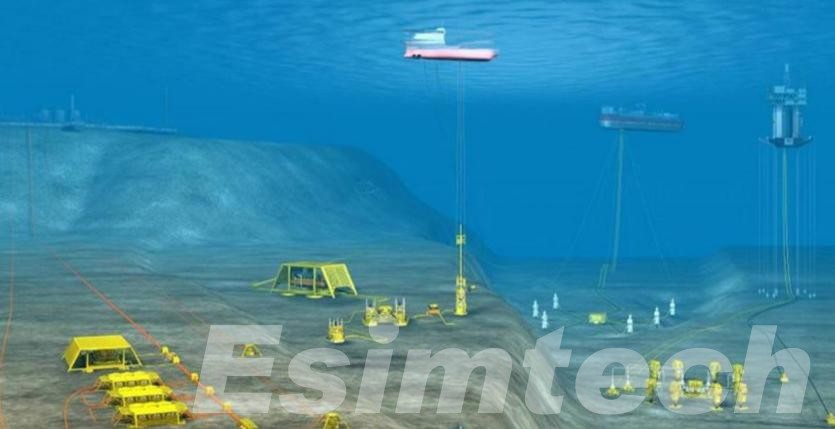
Key Strategies to Improve Oil and Gas Production Efficiency
To improve oil and gas production efficiency, operators usually need several aspects working together. This includes advanced technology, smoother workflows, careful equipment handling, and trained staff who run the wells well. With focused steps, operators can increase output, reduce idle time, and improve how production assets perform over the long haul.
1. Optimize Reservoir Management
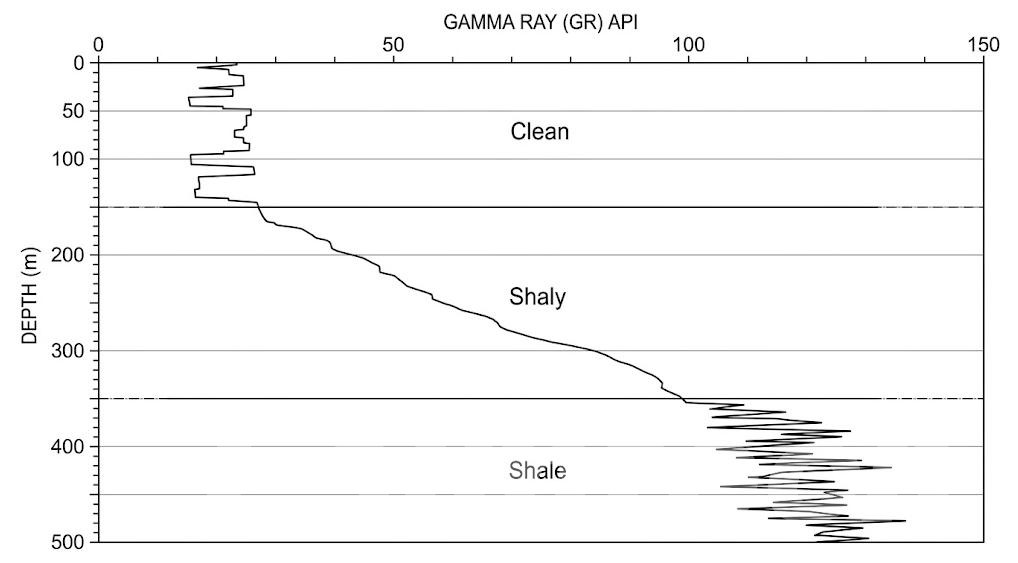
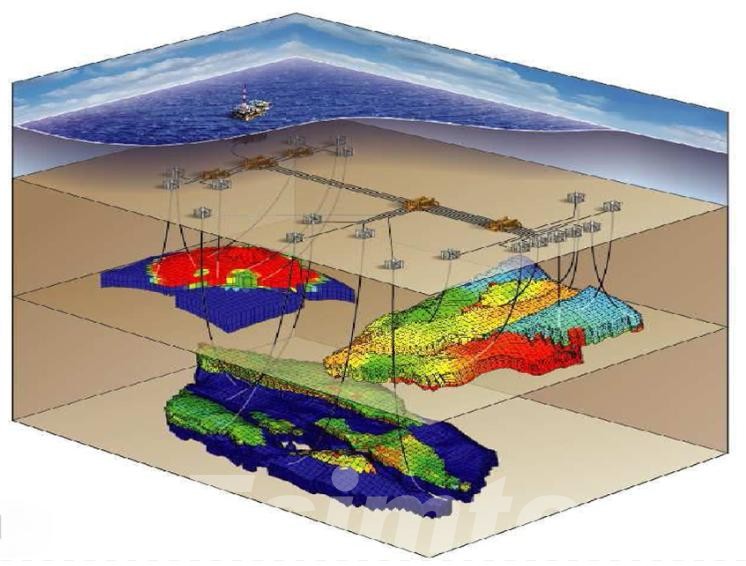
Reservoir management is one of the most important ways to improve oil and gas production efficiency. When operators understand reservoir traits such as pressure, permeability, fluid behavior, and geology, they can plan production in a smarter way.
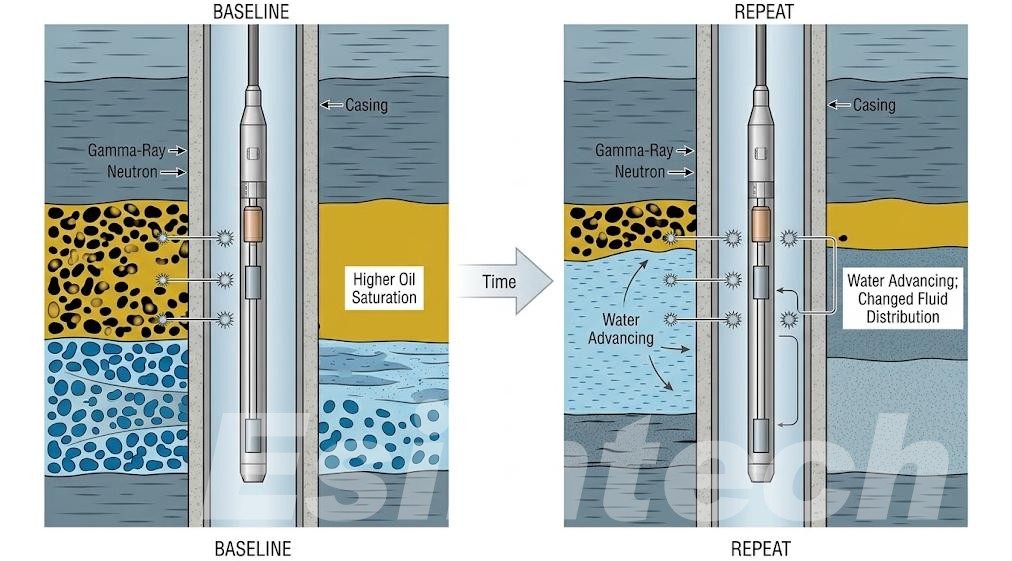
Advanced simulation software lets engineers study what is happening underground. It can show how a reservoir may behave and how different recovery plans might perform. When teams keep an eye on results over time and tweak how they produce, recovery can rise. It can also help keep oil and gas assets working longer.
Enhanced oil recovery (EOR) techniques can improve output from older fields. Water injection, gas injection, and chemical flooding are common options. These approaches aim to increase how much oil can be recovered.
2. Improve Drilling and Completion Performance
Drilling and completion work has a direct effect on well output. It also impacts overall production costs. New drilling methods let operators reach more of the target zone. Horizontal drilling and directional drilling are widely used. Managed pressure drilling can also improve control and reduce risk during the run.
Completion design matters just as much. Choosing the right completion approach can support better flow through the reservoir. Selecting stimulation steps and downhole tools helps keep connections strong. It also helps fluid move in a steadier way.
Teams can get better results with drilling simulators and training. These tools help crews build skill faster. They also lower the chance of mistakes. Plus, they prepare teams for tricky drilling conditions.
3. Implement Digital Oilfield Technologies
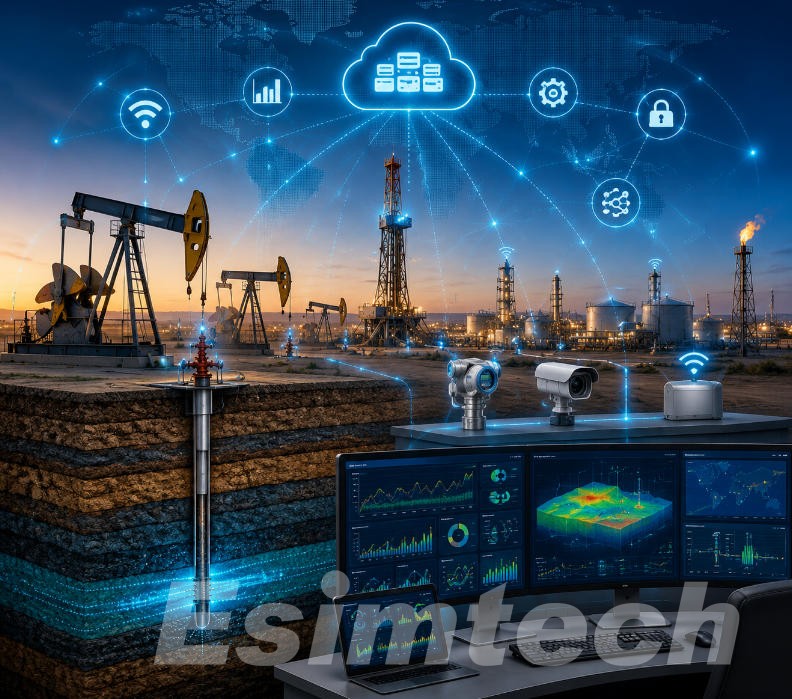
Digital transmission is now a common way to raise efficiency in oil and gas. Teams use AI, machine learning, digital twins, and automation to learn from operations. These tools can highlight patterns that are hard to spot by hand.
Real-time monitoring systems gather information from wells, pipelines, and processing sites. When operators review these inputs, they can spot problems sooner. They can also tune operating settings and make decisions more quickly.
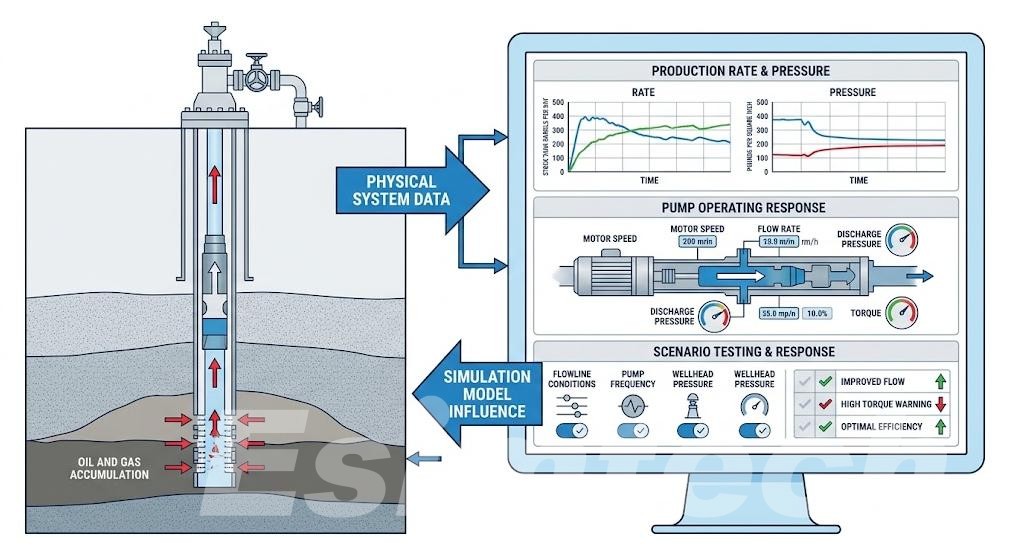
A digital twin is a virtual model of wells and facilities. It can test different operating scenarios. It may show how equipment could react under stress. This can support planning that is more grounded in data.
4. Enhance Well Monitoring and Production Optimization
Ongoing monitoring helps operators track how wells are performing. It also helps catch trouble early, before output drops. Sensors can track pressure, temperature, flow rate, and equipment status.
Once the data is in hand, production settings can be tuned. Operators can improve fluid movement and keep wells running well. For instance, they can adjust artificial lift settings. They can change production rates. They can also plan well work based on what the data shows.
Routine reviews of production results can also flag weak wells. After that, teams can choose the right fix.
5. Adopt Predictive Maintenance Practices
Keeping equipment reliable is key to steady oil and gas output. When pumps, compressors, valves, or processing units fail, production can drop fast and losses can pile up.
Predictive maintenance looks at real data to spot problems early. Sensors and monitoring tools track equipment health over time. Rather than fixing gear only because a calendar says so, teams can swap parts or do repairs when the condition shows it is needed.
With this method, there is less surprise downtime. Maintenance spending can also drop. In turn, production systems tend to stay dependable.
6. Improve Energy Efficiency in Production Operations
Energy use strongly affects costs in oil and gas. If operators cut waste, they can lower expenses without hurting output.
Teams can tune compressors, pumps, and processing tools to use less power. They can also replace old hardware, add energy management tools, and adjust how production runs. Small changes in how work is scheduled and controlled can matter.
Running energy better helps with both cost results and emission goals.
7. Strengthen Workforce Training and Operational Management
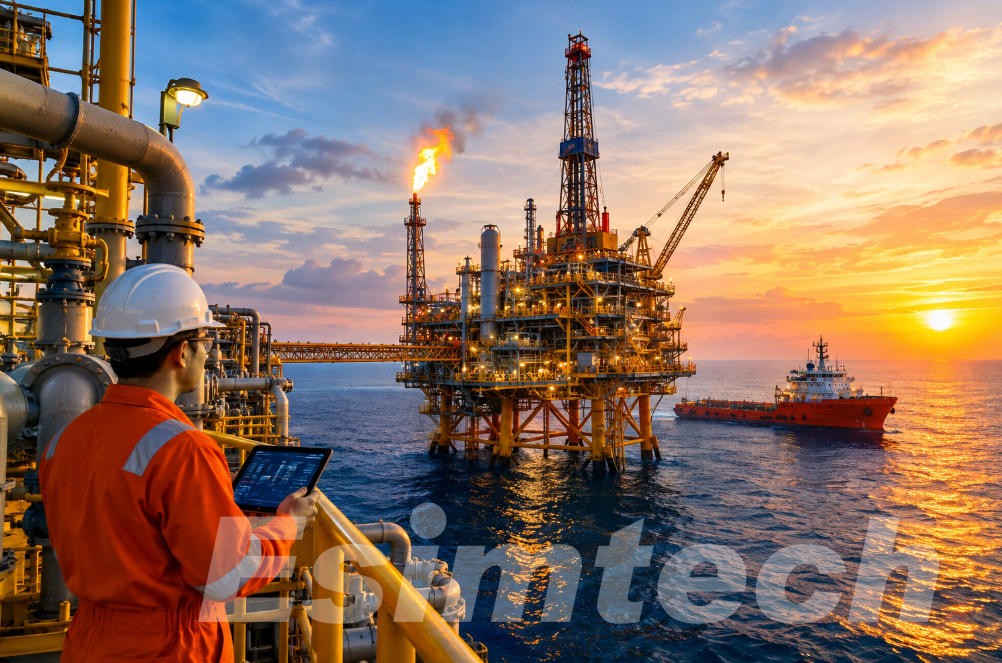
Skilled personnel are essential for efficient oil and gas operations. Training helps workers learn new equipment, production methods, and safety steps.
Simulation-based training gives people a close to real setup. Operators can practice tasks that are hard to repeat in the field, like drilling work, well control, and emergency actions. This practice improves how they decide under pressure. It can also cut daily operational risk.
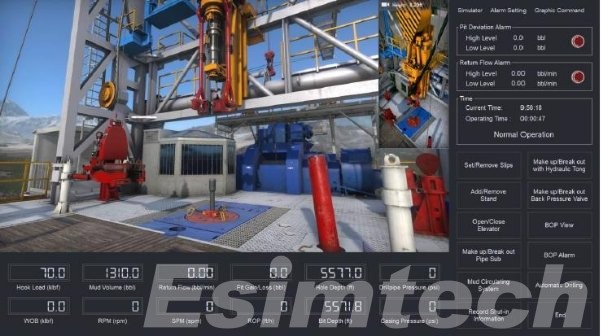
The following chart provides how simulation-based training contributes to improving oil production efficiency.
| Simulation-Based Training Area | Description | Contribution to Production Efficiency |
| Drilling Operation Simulation | Provides a realistic virtual environment for practicing drilling procedures, including well planning, drilling control, and equipment operation. | Improves drilling accuracy, reduces operational errors, and helps minimize non-productive time. |
| Well Control Simulation | Allows operators to practice managing pressure control situations, kick detection, blowout prevention, and emergency responses. | Enhances safety, improves response speed, and reduces risks that can interrupt production. |
| Production Operation Simulation | Simulates oil and gas production processes, including well operation, separation, processing, and flow management. | Helps operators optimize production parameters and maintain stable output. |
| Reservoir Management Simulation | Uses virtual reservoir models to analyze pressure changes, fluid movement, and production performance. | Supports better production planning and improves resource recovery efficiency. |
| Equipment Operation Training | Provides practice with pumps, compressors, valves, control systems, and other production equipment. | Reduces equipment operation mistakes and improves system reliability. |
| Offshore Platform Simulation | Replicates offshore production environments, including platform operations, safety procedures, and emergency scenarios. | Prepares personnel for complex offshore conditions and improves operational reliability. |
| Maintenance and Troubleshooting Simulation | Allows technicians to identify equipment failures, perform inspections, and practice repair procedures in a virtual environment. | Reduces equipment downtime and improves maintenance efficiency. |
| Emergency Response Simulation | Creates realistic scenarios such as equipment failures, fires, leaks, and pressure control incidents. | Strengthens emergency decision-making and reduces production disruptions. |
| Digital Twin-Based Simulation | Uses digital replicas of wells, facilities, and production systems to simulate real operating conditions. | Enables data-driven optimization and improves understanding of production performance. |
| Process Optimization Simulation | Allows operators to test different production strategies, operating conditions, and workflow improvements. | Helps identify efficient operating methods while reducing costs and resource waste. |
| Team Coordination Training | Provides collaborative simulation exercises for engineers, operators, and field personnel. | Improves communication, teamwork, and operational decision-making. |
| New Technology Adoption Training | Helps personnel learn advanced systems such as automation, AI-based monitoring, and digital oilfield platforms. | Increases the effectiveness of modern production technologies and improves operational efficiency. |

In addition, clear operational procedures and continuous improvement programs help create more efficient production workflows.
8. Improve Equipment Design and Facility Optimization
Facilities have to be set up so production can move smoothly. By improving pipelines, processing units, storage areas, and control systems, operators can reduce lost production.
Many modern sites use automation and added monitoring gear. These tools help keep control steady and raise reliability. Ongoing reviews of the site can show where upgrades will help most.
9. Reduce Production Losses Through Better Flow Management
Stable fluid flow from the reservoir to processing is needed to get the most output. When pipelines have limits, pressure drops, scaling builds up, or corrosion spreads, production suffers.
Operators can protect flow with routine pipeline checks. Corrosion control programs also help. Production chemistry can be adjusted to keep the system stable. These measures help maintain stable operations and prevent costly production interruptions.
Final Words
To improve oil and gas production efficiency, requires a combination of advanced technology, effective reservoir management, dependable equipment, and trained operators. Drilling and completion can be tuned for better results. Many sites also use automation, maintenance checks based on forecasts, and software that helps track daily work. These steps can lift output. They can also cut expenses and lower operational hazards.
Oil and gas fields are getting tougher to manage over time. Because of that, new ideas still matter. Data-driven decision-making will remain essential for achieving efficient, safe, and sustainable production. Through implementing comprehensive optimization strategies, companies can improve long-term production performance.