Why Oil and Gas Simulation Training is the Top Strategy for Workforce Readiness in 2026?

Written By: Computer Science Professor
Deeply rooted in the R&D of simulators for the oil and gas industry, committed to bringing safety to every oil worker.
The world in 2026 is facing a bit of a paradox in the global energy landscape, because while we’re all leaning into the energy transition, the demand for traditional hydrocarbons is a massive pillar of energy security, but here’s the catch: the actual work of getting that oil out of the ground is an incredibly complex business, because we’re talking about “unmanned” platforms, ultra-deep water rigs, and refineries that are basically giant computers, and in a world that’s so high-tech, the old idea of “learning on the job” is not just slow, it’s a massive liability, and that’s why the world has pivoted hard to a simulation-first strategy.
The 2026 Industrial Context: Accelerating Technical Complexity
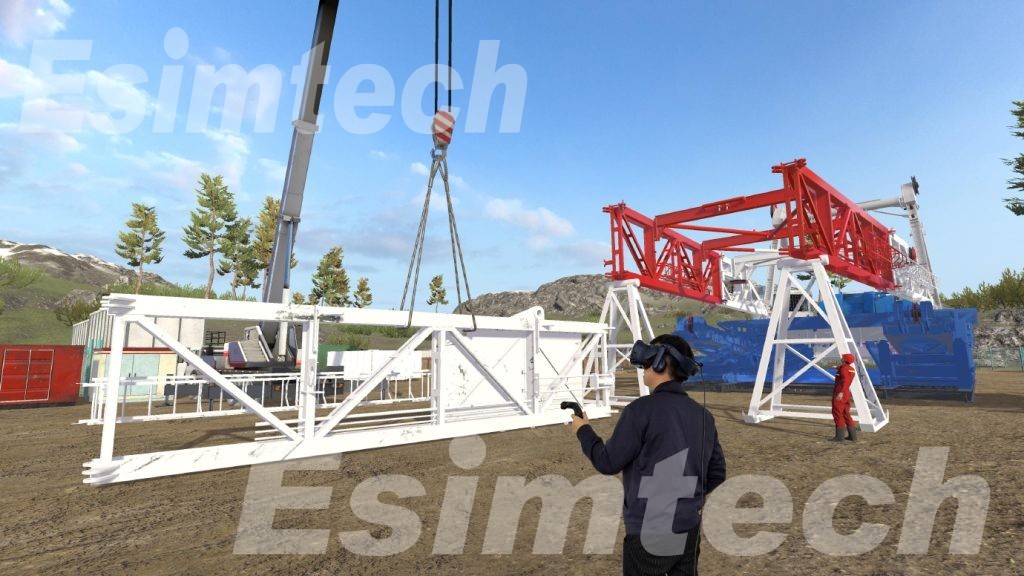
By 2026, we’ve finally come to realize that the oil and gas business is no longer about big iron and big wrenches; it’s a software-defined world. Your typical asset today has thousands of IoT sensors and AI-based predictive systems. This has created a “competency gap” that we can’t ignore. Your typical new hire might be proficient on a tablet, but he probably doesn’t have that “field gut feeling” that the old guard had. On the other hand, the old guard—the guys who can hear a pump failing from a mile away—are retiring en masse.
We call this the “Great Transfer of Knowledge,” and it’s left a gaping chasm in our understanding. We can’t simply have a junior work alongside a senior for five years; we don’t have five years to spare. Instead, we have to download decades of knowledge into a new mind in a matter of weeks. This is where oil and gas simulation training can play a critical role. It’s a bridge between the old and the new, allowing the new crew to interface with complex digital control systems without the fear of causing a billion-dollar mistake on day one.
Quantitative Advantages of Oil and Gas Simulation Training
When we look at the numbers, the move to simulation is a no-brainer. Companies that have fully bought into oil and gas simulation training are seeing their “Time-to-Competence” fall off a cliff. In the old world, it might take 18 months to get a junior board operator to a level where we could actually trust them to operate the equipment by themselves. In today’s world, with high-intensity simulation, we are seeing this occur in less than six months.
The financial argument is just as compelling, especially when we look at Non-Productive Time, or NPT. As we all know, the number one cause of unplanned shutdowns is operator error, and in a world where these can cost a million a day starting in 2026, we can reduce them by running start-up and shutdown drills at no cost.
| Metric | Traditional On-Site Training | Simulation-First Training (2026) |
| Average Onboarding Time | 12–18 Months | 4–6 Months |
| Safety Incident Rate (New Hires) | Baseline | 40% Reduction |
| Training Cost per Head | High (Travel/Rig Time) | Moderate (Scalable Software) |
| Knowledge Retention | 20-30% (Manual-based) | 75-90% (Hands-on Virtual) |
Integrating Oil and Gas Simulation Training into Safety Management Systems (SMS)
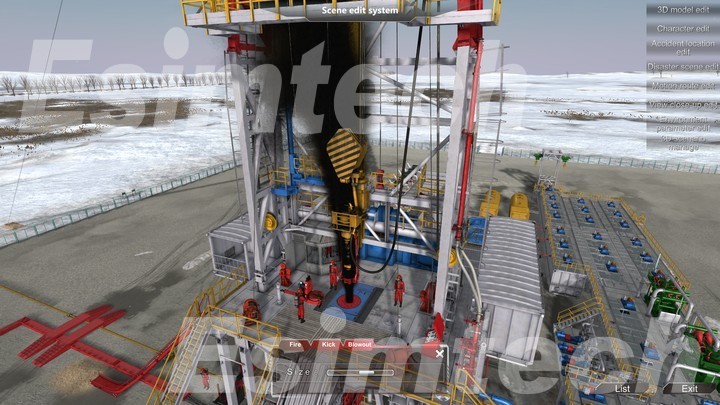
Safety in 2026 means cognitive readiness, not just compliance. Leading operators are incorporating oil and gas simulation training as a formal part of their Safety Management Systems (SMS) to ensure crews are ready for “Low-Frequency, High-Consequence” events. Most operators will never experience a full-blown blowout in the course of their careers, and the simulator is the only place they can safely develop the “muscle memory” to respond to a crisis.
By incorporating simulation training as a mandatory part of the SMS, operators can ensure compliance with best practices through:
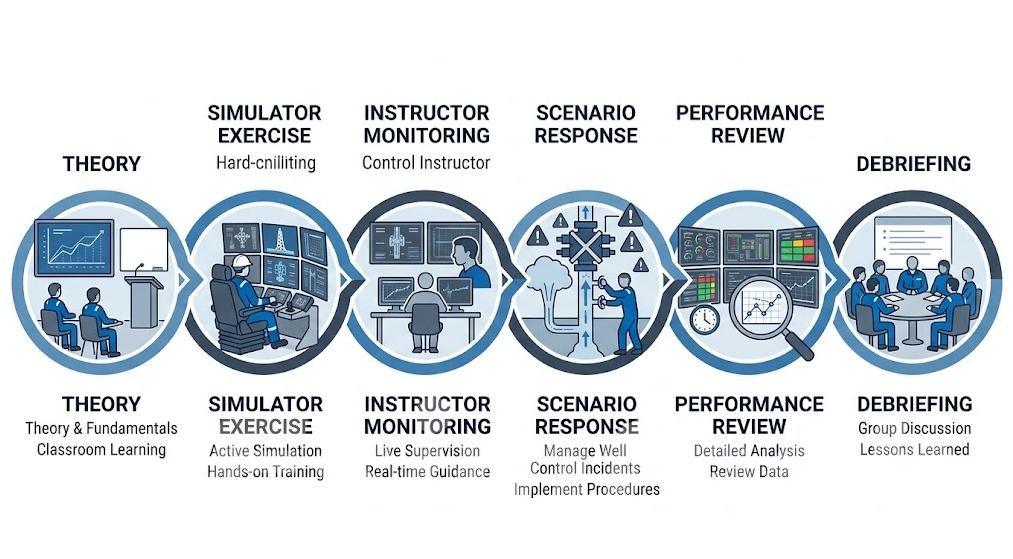
- High-Stress Drills: Simulating a blowout cascade failure in the virtual control room to ensure operators follow SOPs when the alarm rate is critical.
- Performance Analytics: Capturing every keystroke and reaction time to identify specific technical knowledge gaps before the employee is cleared for site access.
- Incident Re-enactment: Inputting near-miss data from the real world back into the simulation to ensure the entire team knows the correct course of action.
This approach to safety shifts the entire Safety Management System from a reactive filing system to a proactive tool. Instead of analyzing the cause of an accident, safety managers can use oil and gas simulation training to detect human error trends.
Technical Trends: The 2026 Oil and Gas Simulation Training Architecture
The tech used in these simulators is much more advanced than it was a decade ago, to say the least. It’s a fully connected world.
Digital Twin Synchronization
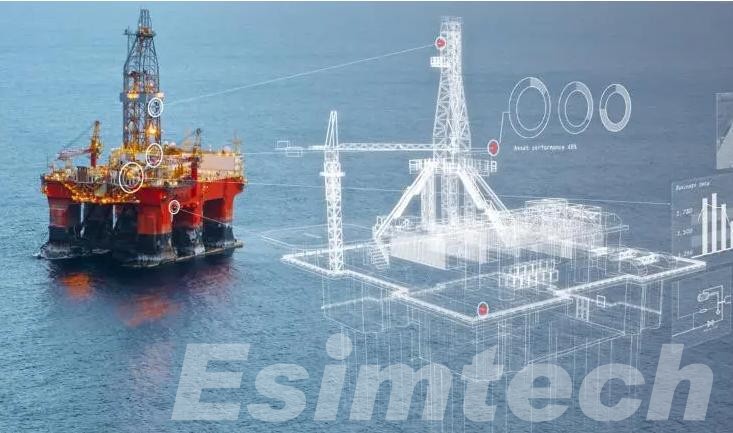
The biggest innovation, however, is the shift towards the use of Digital Twins. Instead of using a generic model of a refinery, you’re using a 1:1 replica of the actual place you’ll be working in. These simulators receive real-time data feeds from the actual field. For example, if a particular valve has been problematic on the rig this morning, the instructor can use that data in the simulator so that you can practice fixing it before you even go into work.
Cloud-Based Accessibility
We’ve also shifted away from the notion that you need a “simulator room” at the HQ. Oil and gas simulation training has gone cloud-based. Whether you’re offshore or at home, you can log in, plug in a VR headset or a high-end laptop, and go through a module. It’s a great way to keep your skills honed when you might go weeks without performing a particular task.
Multi-User Collaborative Environments
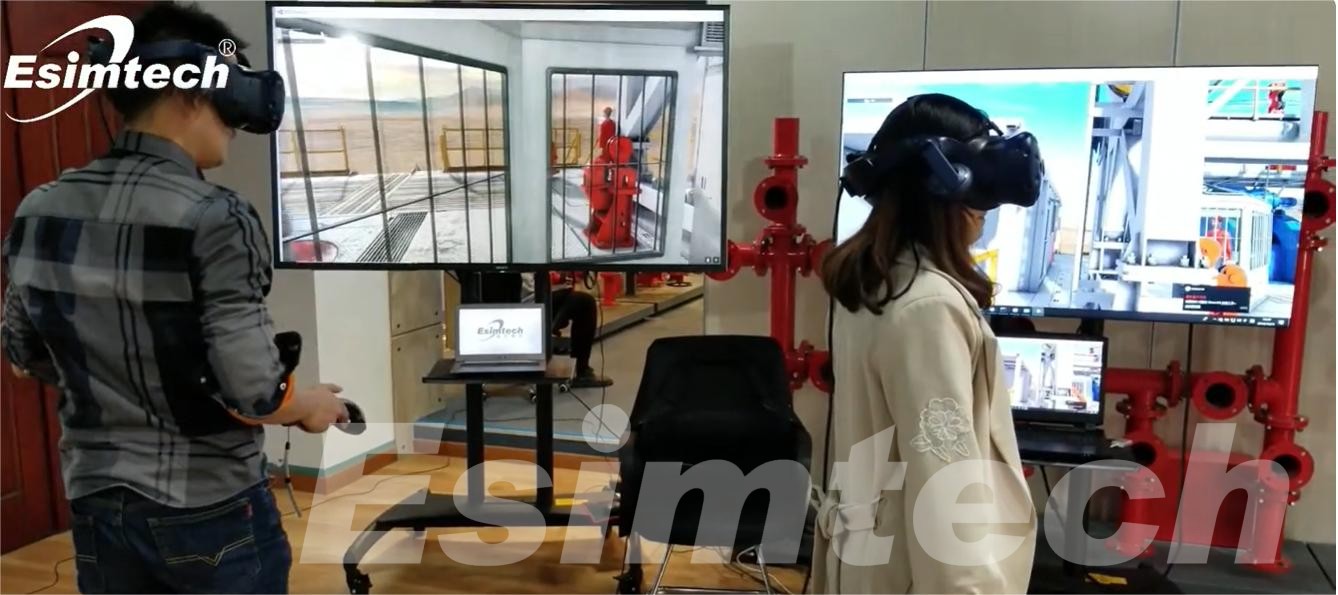
Doing energy projects in 2026 is a team sport, and new architectures allow for a multi-user environment. You can have a driller from Singapore, a subsea tech from Aberdeen, and a manager from Houston all log into the same virtual environment. It makes them communicate and coordinate, and that’s where the real-world errors happen anyway.
Strategic Implementation: From Classroom to Control Room
The companies winning right now are the ones who’ve made “Simulator Hours” a requirement for promotion. Just like a pilot needs a certain number of hours under the hood to get a promotion, a senior operator in 2026 needs a verified history under the simulator.
You also need a tight feedback loop. If you’re finding through your data that 80% of your trainees are struggling with a particular virtual procedure, you probably don’t have a “trainee problem” — you have a “procedure problem.” Using oil and gas simulation training as a lab to test and refine your actual site SOPs is one of the smartest things you can do with the technology. It’s about creating a culture where “validated competency” is the only ticket into the control room.
Conclusion: The Necessity of a Simulator
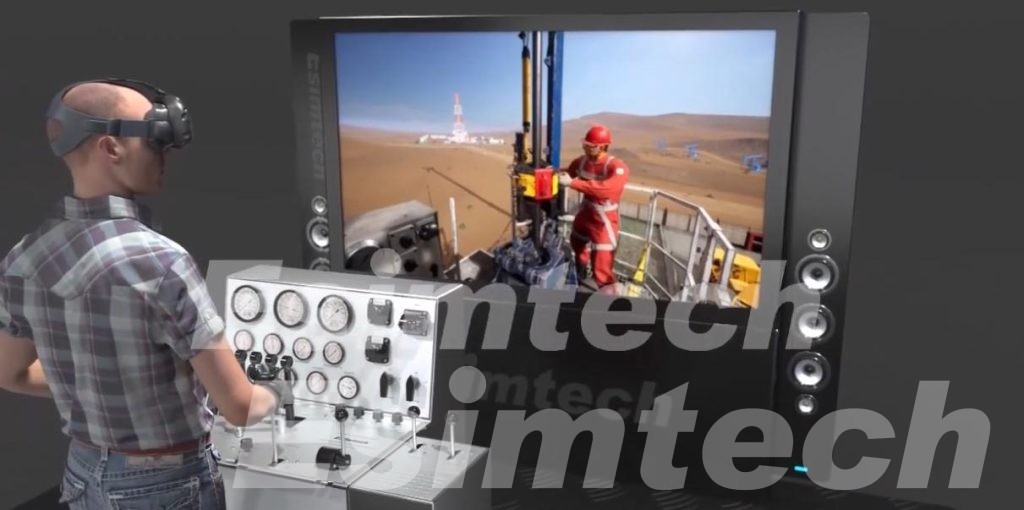
As we move through the complexities of 2026, the need for high-fidelity training is no longer a choice, but a necessity. We can no longer afford the cost of “learning on the job,” either financially or environmentally. It’s time for a simulator-first approach, and the only way to protect your assets and enable your workforce is by making the transition.
At Esimtech, we have the industry’s leading oil and gas simulation training solution, designed for the new era of operations. Our solution combines the latest advances in real-time digital twins and cloud accessibility, ensuring your teams are always mission-ready, regardless of where they’re deployed worldwide.
Are you ready to future-proof your operations? Contact us today for a live demo of our 2026 simulation solution and see how we can help you reduce NPT by up to 25%.