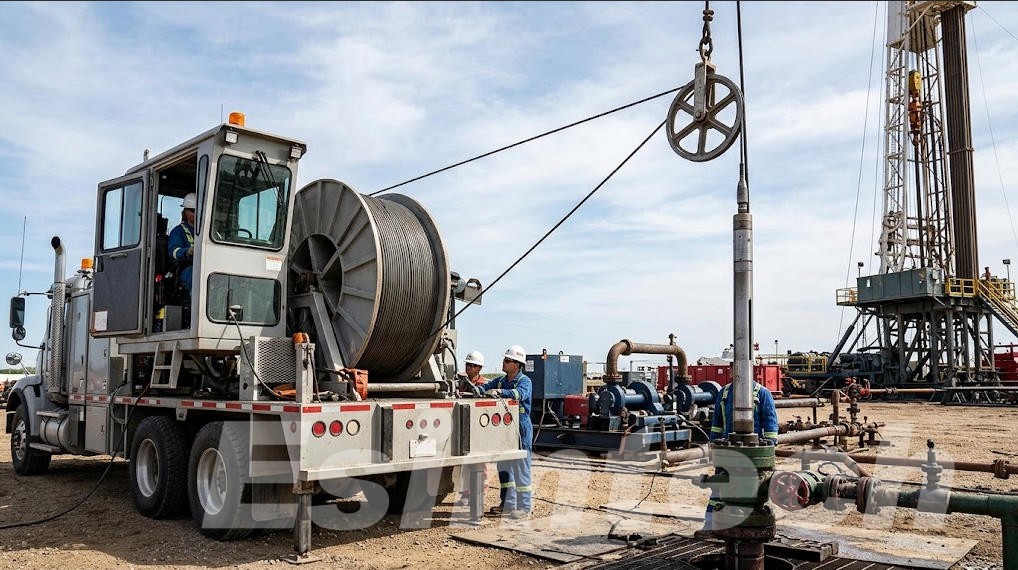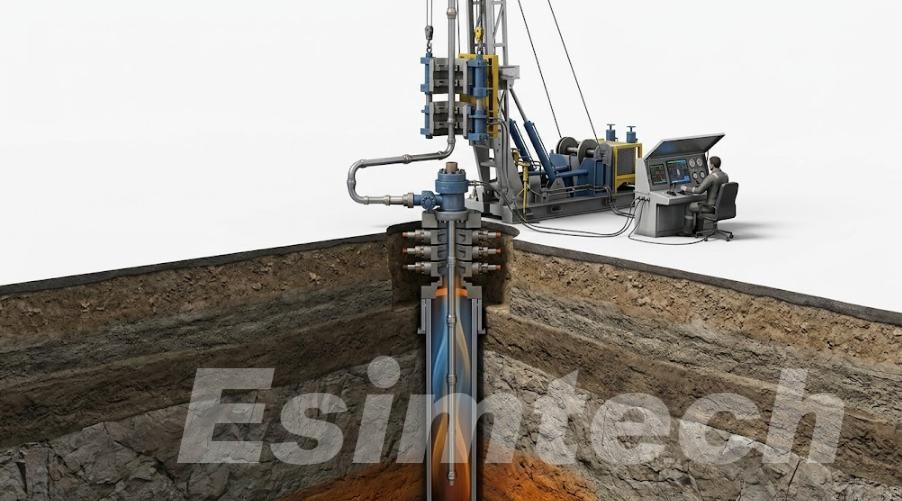
Conventional vs. Automated Well Control Systems

Written By: Computer Science Professor
Deeply rooted in the R&D of simulators for the oil and gas industry, committed to bringing safety to every oil worker.
Well control systems are aimed at ensuring safe drilling operations and preventing any uncontrolled flow of formation fluids in the wellbore during drill stem testing. Traditionally, well control has depended heavily on human intervention accompanied by manual monitoring of system performance; however, an automated well control system has emerged as a pivotal change, particularly in deepwater, high-pressure high-temperature (HPHT) wells, and extended-reach wells. Understanding the differences between conventional and automated approaches in well control is essential for selecting the right system for modern drilling environments.
Understanding Conventional Well Control Systems
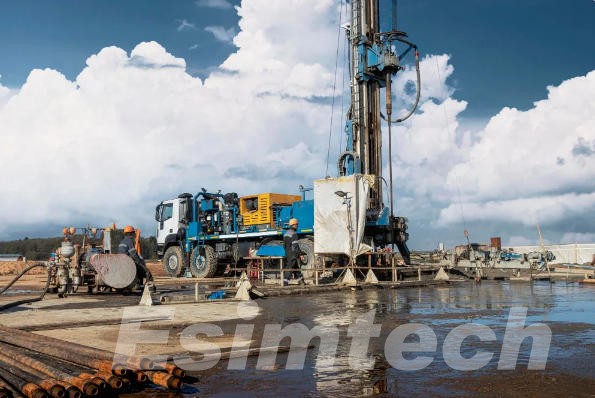
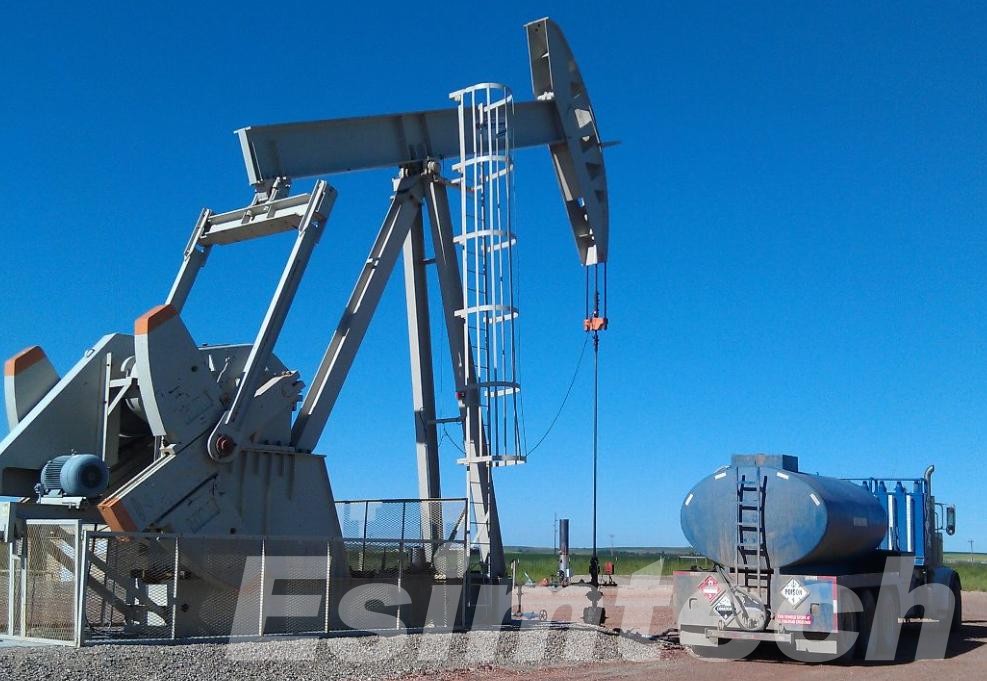
Conventional well control systems are referred to as the traditional drilling method that serves the purpose of keeping formation fluid out of the wellbore. The system typically depends on skilled observation, well-understood procedures, and mechanical tools detecting and managing well control events such as kicks.
Working Process
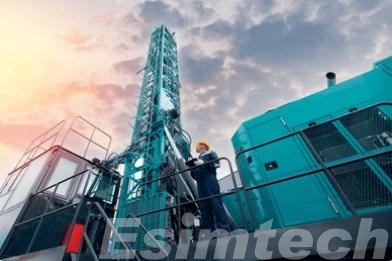
The systematic monitoring of important indicators on the surface and inside the borehole equipment forms the core of the conventional well control systems. Drilling crew keep a log of parameters such as mud pit volume, return flow rate, pump pressure, and drill string movements. Any anomalous activities like unexpected volume increase in the mud pit or rapid flow out of the hole can indicate intrusion of formation fluids into the wellbore.
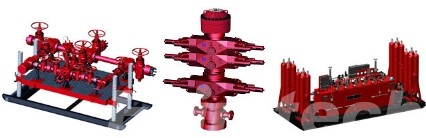
When a kick is detected, the crew carries out certain predefined measures to restore control. Generally, this includes closing in the well with a blowout preventer (BOP) and circulating the influx out using methods such as the driller’s method and the wait-and-weight method. The actual process requires well-coordinated actions, accurate computations, and timely execution to maintain well integrity and prevent escalation to a blowout.
Advantages
- Proven Reliability: These systems have been proven to work in various drilling environments successfully over the years. Their operation principles are all well known and standardized across the industry.
- Lower Initial Investment: In most cases, operations with conventional well control need less sophisticated equipment and fewer interfacing digital gadgets than their automated counterparts, providing cost relief to such operations.
- Ease of Operation: Systems are relatively easy to establish and operate. Personnel can be trained on existing well control training courses without needing any further expertise in automation or data analytics.
- Flexibility in Decision-Making: Human operators are able to apply experience and judgment to meet the unexpected down-hole conditions, which can be beneficial in complex or undefined cases.
Limitations
- Human Dependency: Reliability is heavily dependent on the physical vigilance, experience, and response time of the drill crew. Human failure or delayed recognition of warning signals can elevate the chances of a well control event.
- Delay in Kick Detection: In conventional monitoring technique, it is at times difficult to detect small kicks or influxes, particularly in deepwater or extended-reach wells where increased drill pipe connections prolong the time interval created by the signals.
- Reactive Nature: These are modes that wait for the event to have happened, respond thereby. In a slim-pressure window this may actually hinder efficiency.
- Limited Data Utilization: Conventional well control are fairly dependent on a limited set of observable parameters, hence their inadequate use of real-time data analysis; this lowers their power of detection for intricate patterns and abnormalities.
- The Complex Well Challenge: In horizontal, multilateral, or HPHT wells, pressure management becomes a very tough topic. In such circumstances, the conventional methods would need to find very hard for control.
Understanding Automated Well Control Systems
Automated well control systems provide modern technical solution concerns applied for maintaining well control and protection against differential influx. Regular systems demand human observation as compared to the automated systems using sensors data and controls where monitoring extraction activities is a must.
Working Process
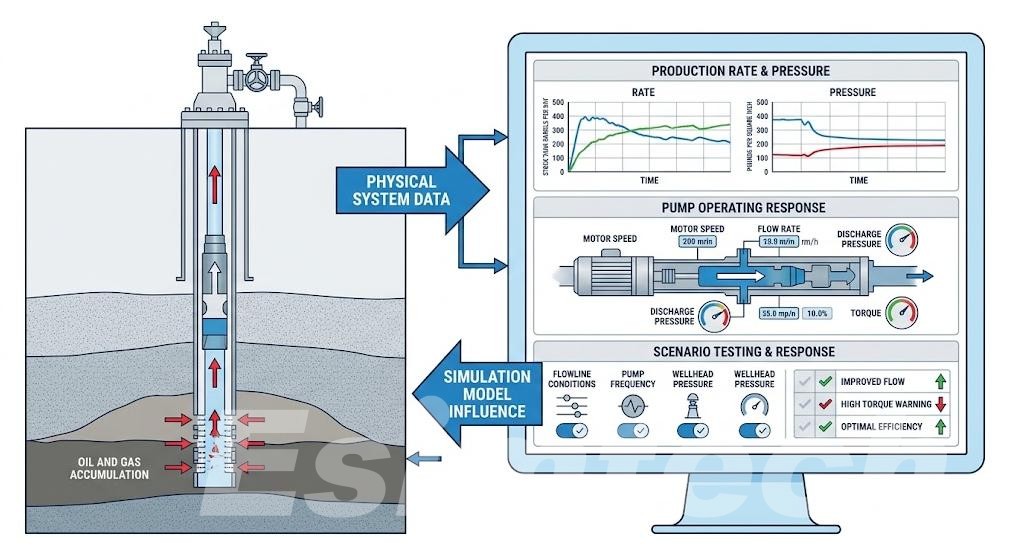
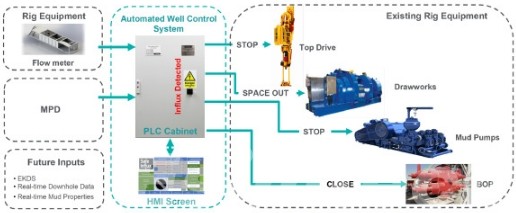
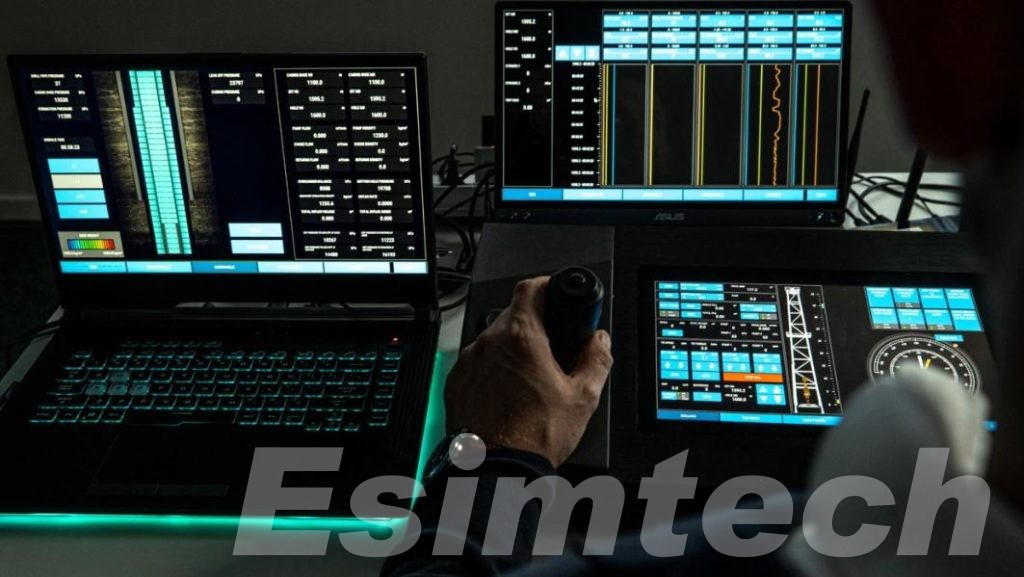
In traditional systems for well control technology, real-time well parameters such as hydrostatic pressure, temperature, flow rate, and mud properties are measured by both surface sensors and down hole sensors. These data are forwarded in real-time to a central control platform, which uses software to analyze such experimental results and detect anomalies. Following the recognition of anomalous situations, the control system can alert in the form of an alarm or execute an automatic operational order.
The widest handled application of automation in well control is Managed Pressure Drilling (MPD). In automated MPD systems, the on-the-fly adjustment of surface backpressure through a control system with closed-loop mechanisms enables the establishment and preservation of the hard-code set of closely spaced determined clear targets for the bottom-hole pressure. These capabilities are especially beneficial in complex wells wherein formation pressures and fracture gradients are closely matched.
Advantages
- Real-Time Monitoring and Rapid Response: Automated systems keep track of well conditions at every moment. This implies mere seconds pass before detecting well anomalies and kicking.
- Enhanced Accuracy and Precision: With the use of constantly recorded tags, all algorithms make well adjustments for motor-driven control. This application in turn increases the accuracy and precision in relation to kick detection in the borehole.
- Early Kick Detection: The advanced analytics will be able to locate some subtle behavioral corrections of the wells which the human operator would never have detected early enough on his own to intervene.
- Decreased Human Error: In automation of vital operations in a detailed manner, these systems guarantee there will be a lesser chance for errors occurring due to fatigue, distraction, and any form of misjudgment.
- Enhanced Performance for Complex Wells: Automation of well control is particularly valuable within complex environments, where deepwater, HPHT, horizontal, and multilateral well types require precise pressure management.
- Data Integration and Optimization: The ability to collect and analyze large volumes of data allows drilling parameters to be optimized continuously, hence promoting both safety and efficiency.
Limitations
- High Initial Cost: A great investment is needed in hardware, software, and system integration as a prerequisite in the implementation of automated systems, which could be too high a precondition to lay down in some cases.
- Technical Complexity: These systems employ sophisticated technologies, requiring specialized knowledge about installation, maintenance, and troubleshooting.
- Dependence on System Reliability: Automation also leads to dependence on sensors, software, and communication networks. Anything wrong with these elements may impede system performance.
- Cybersecurity Risks: As systems become more connected and data-driven, they are increasingly vulnerable to cyber threats, which can impact operational safety.
- Training and Skill Requirements: Training in well control principles is no exception when coupled with how to understand and manage automated systems, which stands to increase demands in training.
- Potential Over-Reliance on Automation: Too much trust in automated systems could reduce the vigilance of operators; human oversight is still very relevant in crucial circumstances in order to validate the efficiency of system actions and to intervene if the situation so demands.
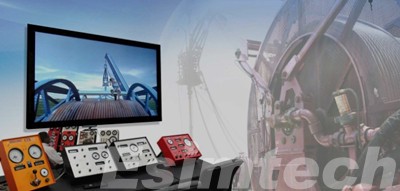
Key Differences Between Conventional and Automated Well Control Systems
| Aspect | Conventional Well Control Systems | Automated Well Control Systems |
| Monitoring Approach | Relies on manual observation of parameters such as mud pit volume, flow rate, and pump pressure | Uses real-time sensors and digital systems to continuously monitor wellbore conditions |
| Response Time | Dependent on human reaction and decision-making | Near-instantaneous response through automated controls |
| Kick Detection | Reactive; detected after noticeable changes | Proactive; early anomalies are identified before escalation |
| Accuracy | Subject to human interpretation and calculation | High precision due to data-driven algorithms and analytics |
| Operational Complexity | Simpler equipment and procedures | More complex systems requiring integration of hardware, software, and sensors |
| Reliability | Proven and well-established, but depends on crew performance | High consistency with reduced human error, but relies on system integrity |
| Cost | Lower initial investment, easier to deploy | Higher initial cost due to technology, sensors, and software |
| Skill Requirements | Focus on procedural knowledge and well control techniques | Requires both well control expertise and technical knowledge of automated systems |
| Suitability | Effective in conventional, less complex wells | Ideal for high-risk, complex wells like HPHT, deepwater, horizontal, and multilateral wells |
| Human Involvement | High; human operators drive decision-making | Reduced direct intervention; humans supervise, validate, and manage the system |
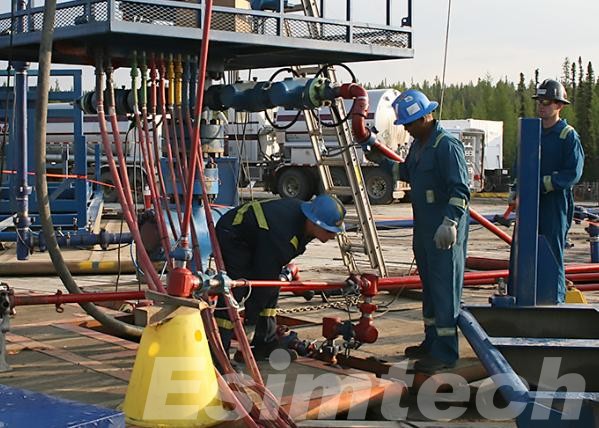
Key Considerations for Choosing Between Conventional and Automated Well Control Systems
Understanding the key considerations for selecting the appropriate well control system ensures that operators can balance safety, efficiency, and cost-effectiveness while meeting the technical demands of the well.
1. Assessing Well Complexity
Well design goes a long way in dictating the type of well control system that might be required. In most cases, conventional systems should work well in vertical or moderately deviated wells, where the pressure window socio is wide and the real-time monitoring needs are moderate. On the flip side, horizontal, multilateral, deep-water and high-pressure-high-temperature (HPHT) wells present tremendous challenges, such as having squeezed pressure margination and a delay in kick detection, where fully automated systems cannot fail. To decide the system required place, an operator needs to think about the complexity of the building structure, the trajectory, and well depth that shall be effective in maintaining wellbore stability.
2. Evaluating Risk Level
The risk profile of the well significantly influences the selection of the system. High-risk wells—those with volatile hydrocarbons, unexpected formation pressures, or sensitive environmental conditions—benefit from automated systems with real-time monitoring and rapid response capabilities. Conventional systems may suffice in low-to-moderate risk wells but can be limited in scenarios requiring rapid detection and intervention. Risk assessments, including potential consequences of kicks or blowouts, help determine whether automation is necessary to enhance safety.
3. Considering Operational Costs
The budget can also stand in the way of choosing between a traditional system and an automated system. Traditional systems usually incur fewer initial costs in terms of procurement and implementation, such that they might be a suitable choice in wells where automation might otherwise not make economic sense. However, automation demands substantial outlay in sensors, control software, and integration, thus the overall decrease in long-term costs resulting in loss-of-production conditions, hazards, and human errors. A cost-benefit analysis should serve to compare the immediate capital expenditure versus long-term savings accrued from increased efficiency and a decrease in operational incidents.
4. Reviewing Technological Capabilities
Operators must assess the technological capabilities of each system available. Automated well control systems utilize tools supporting real-time data analytics, predictive modeling and integrating with managed pressure drilling, or digital twin technologies. Conventional well control relies on human observation and procedural expertise, which may be limiting to the handling of complex pressure environments. Such decisions must consider the capability of the available technology to effectively handle pressures, flow rates, and environmental conditions of the well.
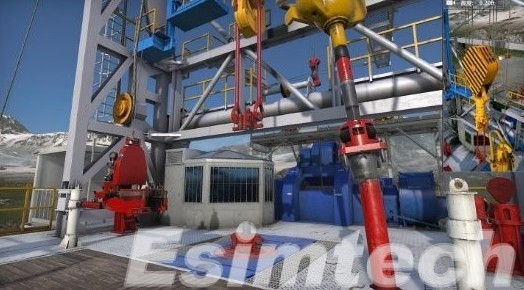
5. Assessing Human Resources and Training
Another important consideration is the availability of skilled personnel. Conventional systems require a well-trained drilling crew with a good understanding of the procedure and decision-making abilities. For automated well control systems, the operators should have a good understanding of well control principles and system operation, and they should be able to interpret sensor data, calibrate the equipment, and deal with software problems. Organizations should provide an environment that is appropriate and safe while the personnel should be knowledgeable and equipped to operate the system safely and efficiently.
6. Regulatory and Safety Requirements
The choice of a system can be affected by compliance with local regulations, industry benchmarking, and safety precautions.\ Automatically run systems usually provide advantages when it comes to meeting stringent safety requirements as well as generating accurate records of events monitored in real-time by offering event logging. Conventional systems can fulfill the minimum requirements but will require extra commitment and watchfulness from the user in order to keep compliance. An overview of the regulatory landscape helps in determining which system best marries the legal and safety obligations.
9. Balancing Human Oversight and Automation
While using automation, human oversight remains necessary. Automation in well control enhances safety and performance yet requires the operator to ensure system outputs and cross-validate automations and may need to intervene should an unusual scenario arise. The best approach may be a hybrid model, allowing a blending of the precision and speed represented by automation with a human judgment and plethora experience, especially in complicated or high-risk wells.
Summary
- Conventional well control systems remain reliable for simple wells and standard pressure regimes
- Automated well control systems offer clear advantages in complex and high-risk drilling scenarios.
- The optimal approach lies in integrating both methods of conventional and automated well control, ensuring that advanced technology is supported by skilled personnel and robust operational practices.
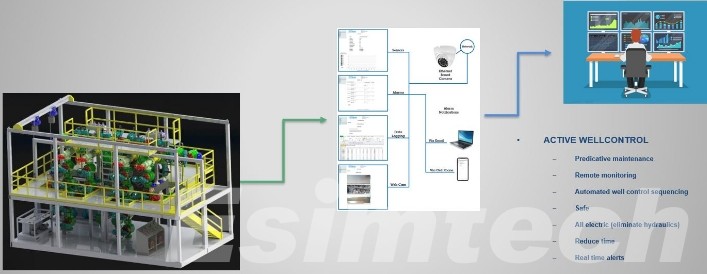
Future Trends in Well Control Systems
| Trend | Description | Impact on Well Control Operations |
| Increased Automation | Greater reliance on automated monitoring and control systems, including Managed Pressure Drilling | Enhances precision, reduces human error, and enables rapid response to kicks |
| Artificial Intelligence and Machine Learning | Use of AI/ML algorithms to analyze real-time and historical data for predictive well control | Enables proactive detection of anomalies and optimization of drilling parameters |
| Advanced Sensor Technology | Deployment of high-accuracy downhole and surface sensors for pressure, flow, and temperature | Improves early kick detection and enhances situational awareness in complex wells |
| Digital Twins | Real-time virtual replicas of wells to simulate well control conditions and test strategies | Allows predictive planning and risk mitigation before critical events occur |
| Remote Operations and Monitoring | Centralized control rooms and cloud-based platforms for off-site well supervision | Reduces the need for personnel on-site and enables expert support from anywhere |
| Integration with Drilling Automation | Combining automated well control with automated drilling systems | Provides seamless coordination between pressure management and drilling operations |
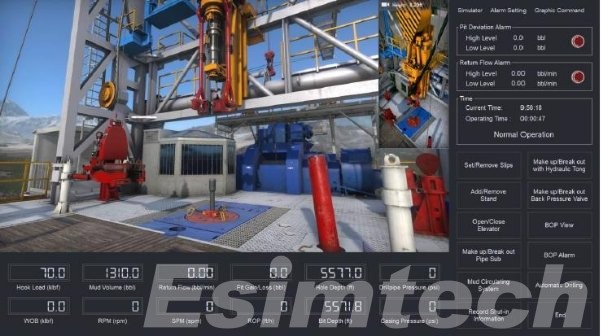
| Enhanced Training and Simulation | Use of VR simulations and advanced drilling and well control simulators to train crews on automated and hybrid well control | Improves preparedness for complex scenarios and reduces reliance on real-time trial-and-error |
| Cybersecurity Measures | Strengthening security of connected and data-driven well control systems | Ensures operational integrity and protects against cyber threats in automated setups |
Final Thoughts
A comparison between conventional and automated well control systems does underline a step from a reactive, human-involved operations to a proactive, technology-driven solution. The choice between the two systems, relies on variable factors, such as well complexity, operational risk, financial viability, technology, human resources, etc. The most effective strategy is to balance technology and human expertise, ensuring that well control operations remain safe, efficient, and adaptable to evolving drilling conditions.