How Many Types of Well Logging and How to Master?

Written By: Computer Science Professor
Deeply rooted in the R&D of simulators for the oil and gas industry, committed to bringing safety to every oil worker.
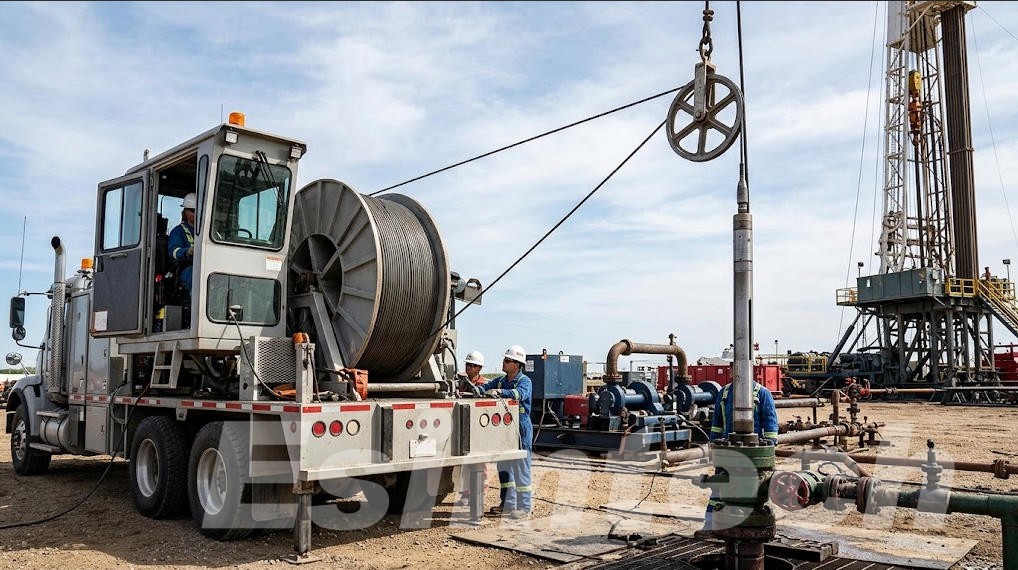
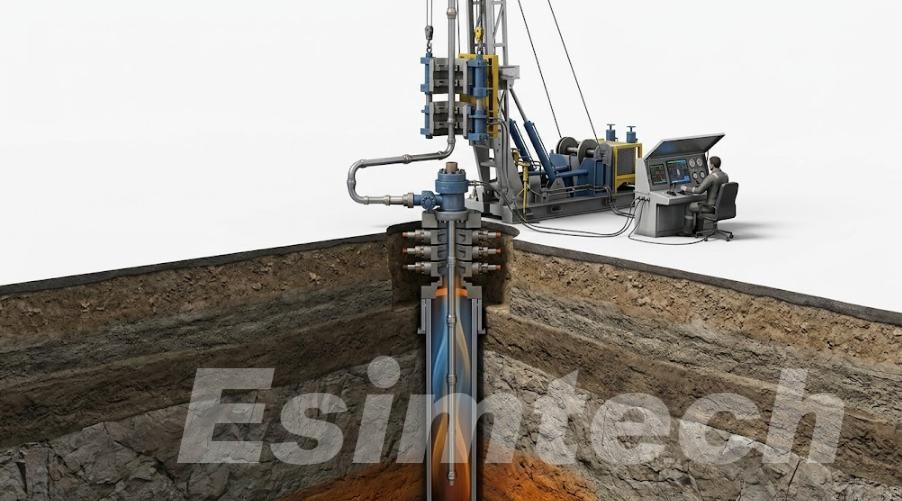
Well logging is an important part of modern oil and gas exploration. It offers direct access to the subsurface. Engineers and geologists can make informed decisions with the help of well logging. However, it is important to note that most professionals do not have the right knowledge to read well logs and make the right decisions. It is important to note that knowing the different forms of well logging is important in mastering the subject and reducing the risks involved in the process.
Current Landscape: Why Well Logging Matters
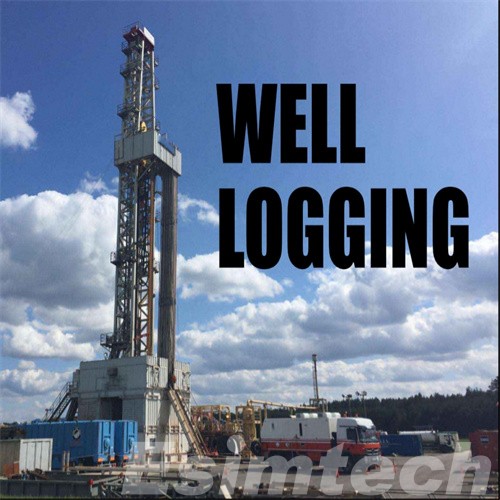
In today’s industry, well logging extends beyond traditional measurements. Modern wells are deeper, reservoirs are more complex, and operational costs are higher. Accurate logging directly impacts:
- Reservoir Evaluation: Determining porosity, permeability, fluid content, and lithology.
- Drilling Safety: Identifying high-pressure zones or unstable formations.
- Production Optimization: Fine-tuning completion strategies and monitoring well integrity.
This is because there have been significant improvements in logging technology, especially in the acquisition of digital and real-time data. As a result, not only do professionals need to understand all types of logs, but they also need to understand how to integrate all types of information effectively. Ignoring these results leads to wrong interpretation, drilling errors, and suboptimal well development.
Classification of Well Logging Based on Function and Measurement
Well logs can be grouped based on the physical parameter measured or the function of interest.
| Log Type | Measured Property | Primary Function | Key Applications |
| Resistivity & SP Logs | Electrical resistivity, natural voltage differences | Identify fluid type and formation permeability | Hydrocarbon vs. water detection, water saturation estimation, permeability assessment |
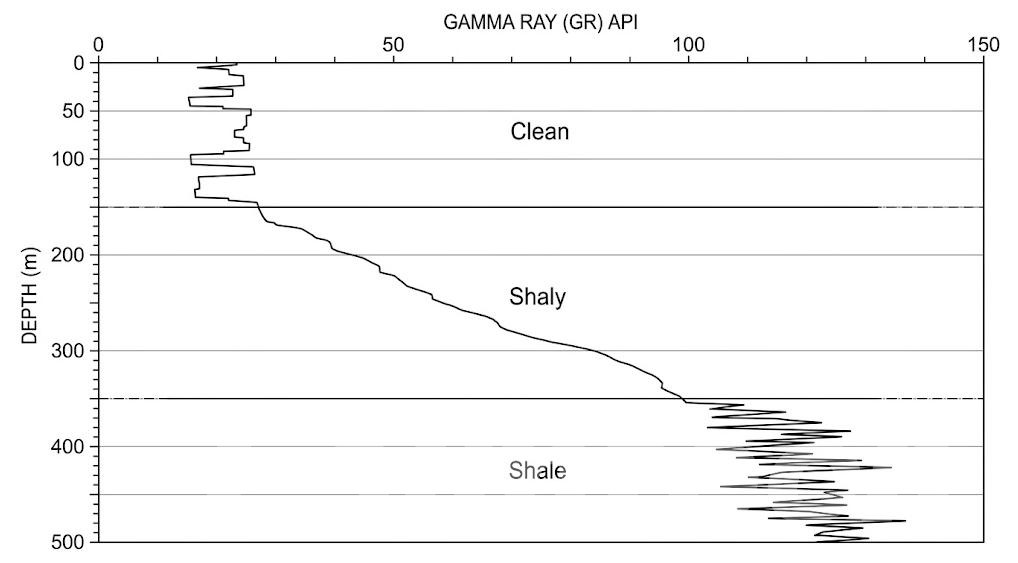
| Gamma Ray Logs | Natural gamma radiation | Determine lithology and shale content | Stratigraphic correlation, shale-sand distinction, source rock identification |
| Density Logs | Electron density of formation | Estimate porosity and bulk density | Porosity calculation, lithology differentiation, fluid identification |
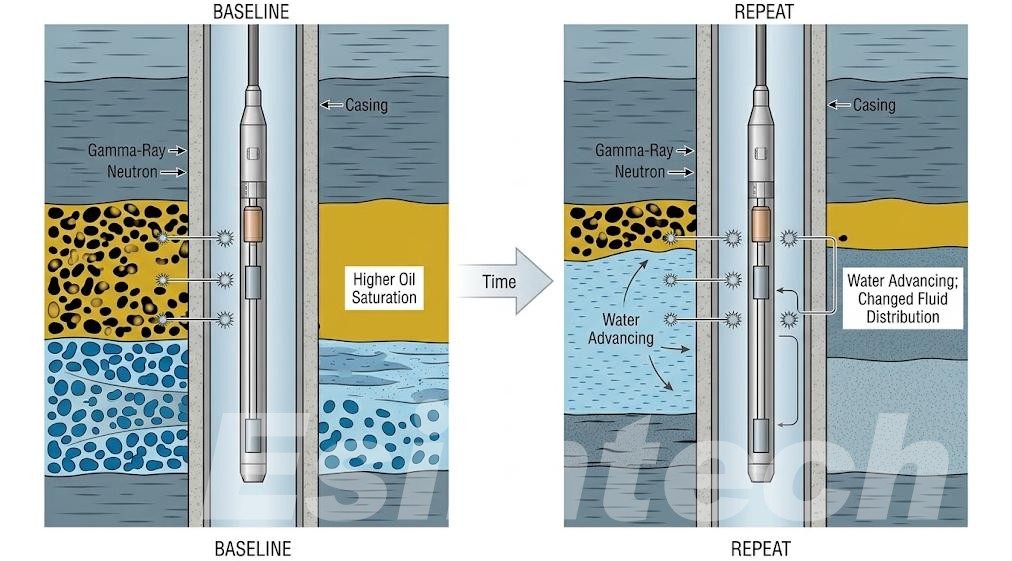
| Neutron Logs | Hydrogen concentration | Estimate porosity and fluid content | Complement density logs for porosity, detect gas zones, fluid typing |
| Sonic / Acoustic Logs | Sound wave travel time | Assess formation mechanical properties and porosity | Elastic property analysis, lithology confirmation, geomechanical modeling |
| Nuclear Magnetic Resonance (NMR) Logs | Hydrogen nuclei response to magnetic field | Determine porosity and fluid types in detail | Tight formation evaluation, free vs. bound fluid identification, permeability estimation |
| Image Logs | Electrical or acoustic signals for borehole walls | Provide high-resolution structural and fracture data | Fracture mapping, bedding plane identification, borehole stability assessment |
| Formation Testing Logs | Pressure, permeability, mobility | Direct measurement of formation flow properties | Reservoir productivity evaluation, well testing, completion planning |
Each of these types of logs offers unique data. Understanding them requires not only an understanding of each log but also how they are used in conjunction with each other.
Mastering Well Logging: Practical Approach
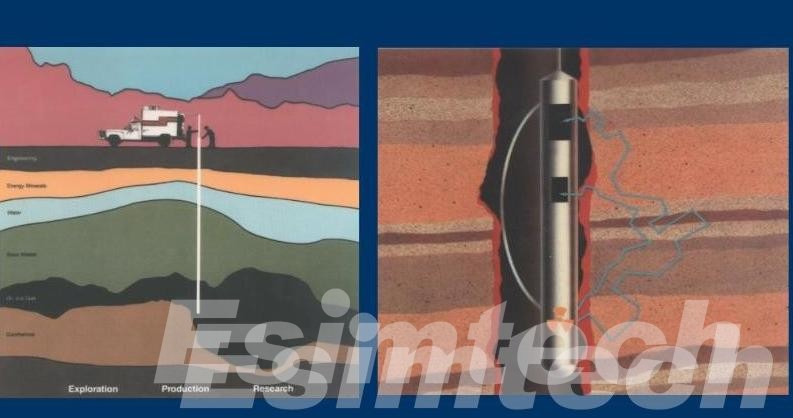
Mastery requires a blend of theory, practice, and analysis. The process is structured to allow for accurate interpretation by the engineer.
Theoretical Understanding
Petrophysics, geology, and logging theory are essential areas of understanding. The engineer needs to know how each tool functions, what limitations exist, and what factors to consider, such as borehole size, temperature, and mud properties. Case studies, research, and best practice can offer useful background information.
Hands-On Training
Field exposure is essential. Logs need to be read in real-world drilling environments. This helps develop an understanding of anomalies, tool effects, and formation problems. Involvement in logging, core correlations, and post-drilling analyses helps in bridging the gap between theory and practice.
Simulation Training
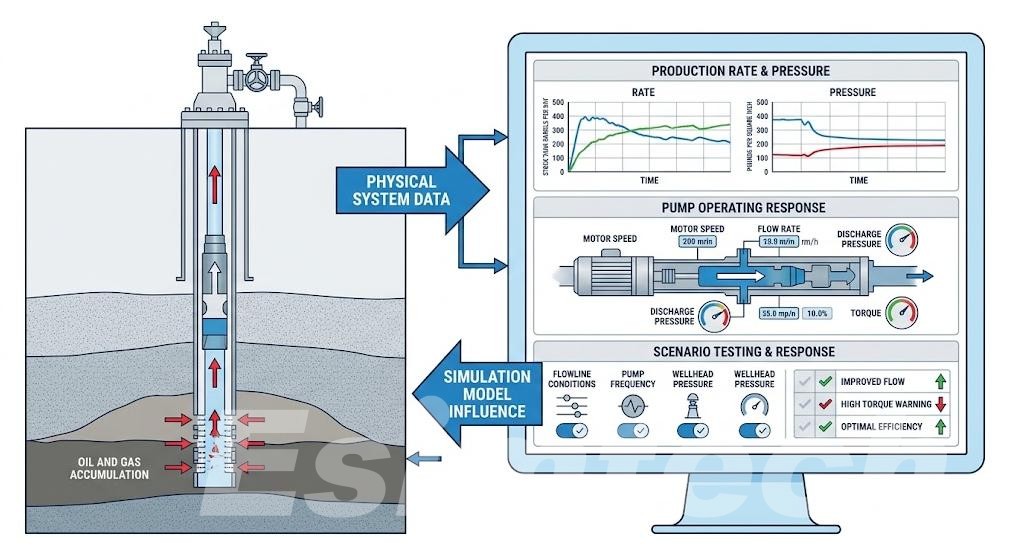
Well logging simulation software can mimic the environment and responses of the tools. Various types of formations can be tried out, and engineers can practice interpreting complex scenarios. Simulation can also be used for scenario-based learning, where combined logs are used to interpret ambiguous responses.
Software and Data Analysis
Well logging today relies on specialized software packages such as Techlog, Petrel, and Interactive Petrophysics. Skills needed to use them include:
- Data cleaning to improve the quality of analysis.
- Cross-plotting various well logs for porosity, lithology, and analysis of fluid saturation.
- Statistical analysis to find patterns in large data sets.
The use of software helps to fill the gap between measurements and useful analysis.
Best Practices for Rapid Skill Acquisition
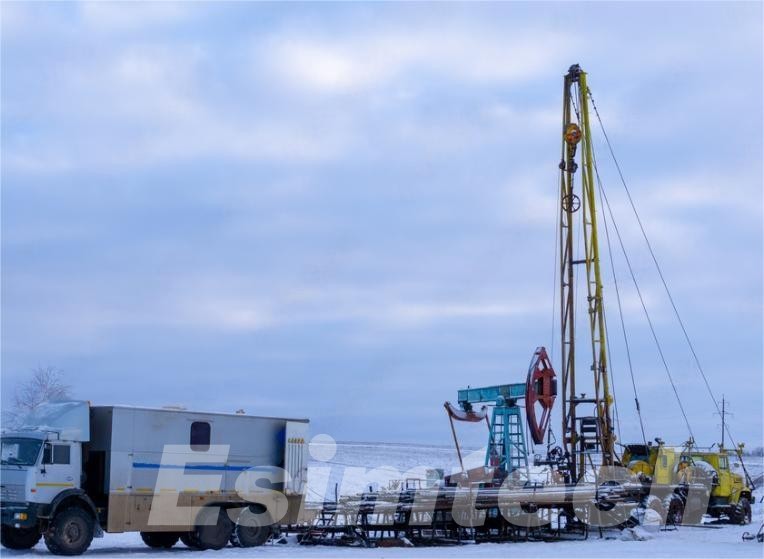
To expedite the process of mastering well logging, a well-structured and concentrated effort should be made by the engineer. First, there should be a focus on learning systematically.
- For instance, the engineer should learn the theory of well logging, petrophysics, and logging principles before attempting to learn from field exercises or software interpretation.
- Second, there should be a focus on integrated log interpretation. It is recommended that the engineer practice interpreting various well logs, such as resistivity, density, neutron, sonic, etc., together, rather than interpreting them individually, which may lead to incorrect reservoir analysis.
- Third, mentored learning. Learning with the guidance of experienced engineers or geoscientists offers feedback on methods of interpretation, common mistakes to avoid, and real-world scenarios that are not provided in textbooks. Peer review of case studies also helps in this regard.
- Fourth, make extensive use of simulation and software. Software such as Techlog, Petrel, and IP offers the ability to experiment with various formation and tool conditions without the risk of making mistakes in the field.
- Finally, there is continuous validation and reflection. The interpretation results should be compared with basic samples, production data, or cross-well correlations. Lessons learned from each project should be recorded in order to improve techniques, increase speed, and ensure consistency in future well logging projects.
Overall, engineers can minimize time in attaining reliable well logging proficiency by using structured study, integrated analysis, mentorship, simulation, and continuous validation.