Cost Reduction Technologies in Shale Gas Drilling Operations
Cost reduction has now become a pressing urgency in the shale gas drilling industry, driven by volatile gas prices, increased capital discipline, and rising operational complexities. But it is not only for digital technology today. It is primarily for integrating technologies with drilling workflows. Achievable goals for cost reduction while drilling shale through the reduction of drilling time, minimizing nonproductive time (NPT), enhancing wellbore integrity, and enabling repeatable execution at scale.
The text presents the most effective cost reduction measures promoted in shale gas drilling operations, and this may serve as a cornerstone for conducting more serious inquiries on how digital tools—especially drilling simulators—could better inform decision-making and benefits before and during execution.
Cost structure analysis of shale gas drilling operations
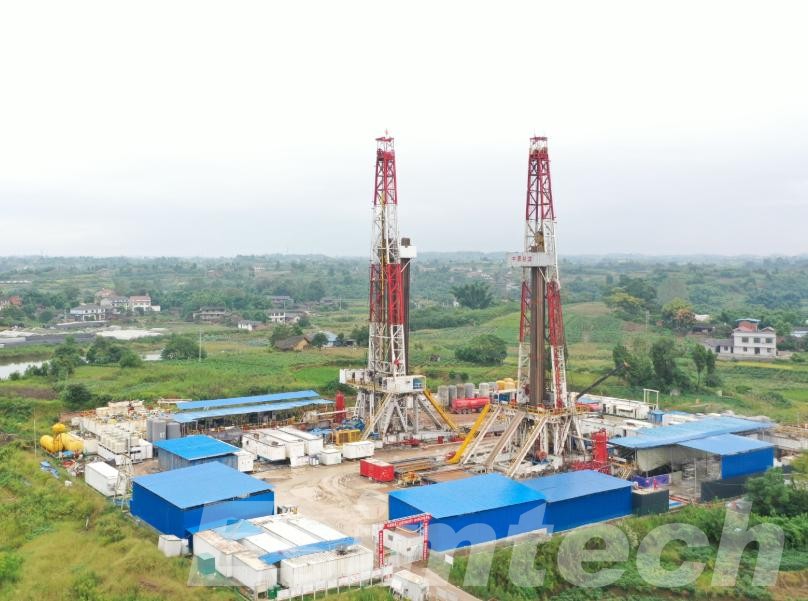
Cost minimization in shale gas drilling operations starts with a deep understanding of where costs originate and how they proliferate through the execution. Total well costs differ per basin or development stage but tend to be dominated by drilling-related expenditures.
Major drivers for the cost escalation are:
- Rig time and day rate
- Drilling efficiency, which includes the rate of penetration and directionability,
- Non-productive time, the cause being slippage in operation, and
- Cost with respect to well setting and possible corrective measures.
Among these, time-dependent costs dominate. Every additional drilling day increases exposure to NPT, equipment wear, and operational risk.
A simplified view of cost sensitivity in shale gas drilling is shown below:
| Cost Driver | Sensitivity to Time | Typical Impact |
| Rig time | High | Direct cost escalation |
| NPT | Very high | Unplanned delays |
| Wellbore instability | High | Sidetracks, reaming |
| Drilling fluids | Medium | Often underestimated |
Because many of these costs are driven by operational decisions, tools that improve predictability and planning accuracy—such as drilling operation simulators—have a disproportionate impact on overall drilling economics.
Reducing drilling time in shale gas drilling through advanced technologies
Out of the cost reduction options made as solutions in the petroleum industry, one choice is to reduce drilling time; it is the most visible and quantifiable among all. Advances in drilling technology have introduced enormous productivity improvements, especially in horizontal drilling.
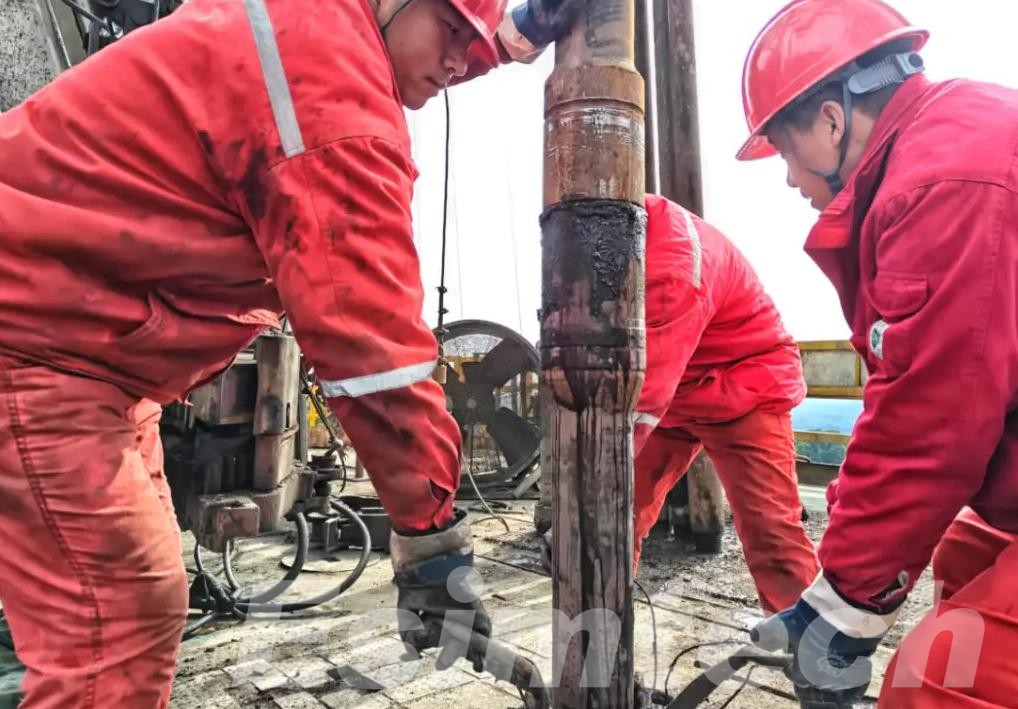
The main technologies playing crucial roles in reducing drilling time are:
- PDC bits specifically optimized for shale formations
- Rotary steerable tools to aid in wellbore direction control
- BHA builds that have been vibration-ready and tool-failure-proof
Although technology must be instrumental in the shorter drilling time, the benefits from its application shall accrue only once its design and operation are so fit as to yield the intended use within all the mechanical and geological limits.
This is where drilling simulators add value.
By simulating different drilling scenarios before execution, engineers can:
- Compare drilling parameter combinations
- Examine the rake and the long lateral drag
- Establish optimal configurations, thereby reducing friction and wear
Simulation-supported planning for shale gas drilling plans takes out field trial-and-error reliance, enabling the drilling team to start out from a more optimal position and consistent drilling time reduction across multiple wells.
Minimizing non-productive time in shale gas drilling using digital and simulation tools
While shortening drilling time is very important to improving the overall productivity, this disappears when non-productive time(NPT) is not vigilantly controlled. NPT represents one of the most threatening factors contributing to cost escalation in shale gas drilling projects, especially in long laterals where wells have tight operating margins.
Typical NPT events include those for wellbore instability, stuck pipe from excessive torque and drag, lost circulation, and unwanted deviations from trajectory; these issues are often chain-linked and hard to control by mere reactive fixes.
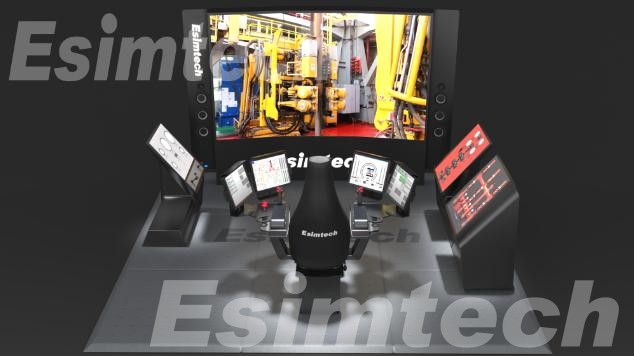
With drilling operation drivers' simulation as a tool, stress is shifted from reactive NPT reductions to developing more proactive strategies in shale gas drilling. The parameter, well orientation, and formation behavior simulations conducted even before drilling ease the identification of critical times and create the operating safe window. In real-time drilling, the computer-generated hardcore simulation results help in relatively quick identification and response to emerging problems when combined with acquired real-time drilling data.
Cost-effective wellbore integrity and fluid technologies for shale gas drilling
Many times, integrity issues have occurred at the ongoing well-bore that are not directly observable through daily reports. Improper drilling fluids or inadequate fortification measures can culminate in multiple delays and rework.
Balancing Costs and Performance in Drill Fluids
- An over-designed system increases direct costs in the form of material removed from the drilling and waste storage process.
- An under-designed drilling fluid system will cause tremendous expenditure of finance on NPT in the drilling schedule.
- For optimum strata and operation, a formation-specific evaluation becomes mandatory.
Simulation and training are essential components contributing to the balance in drilling fluid development, as combining various functionalities helps to model the interaction of drilling fluids, formation stresses, and drilling practices. Engineers use the simulators to review the consequences of modifications to the mud weight and mud rheology before they are carried out in the field.
For shale gas multiwell drilling programs, the use of simulation in fluid design enhances uniformity and avoids irrelevant conservatism, contributing to lower average well costs.
The role of drilling operation simulators in large-scale shale gas drilling cost reduction
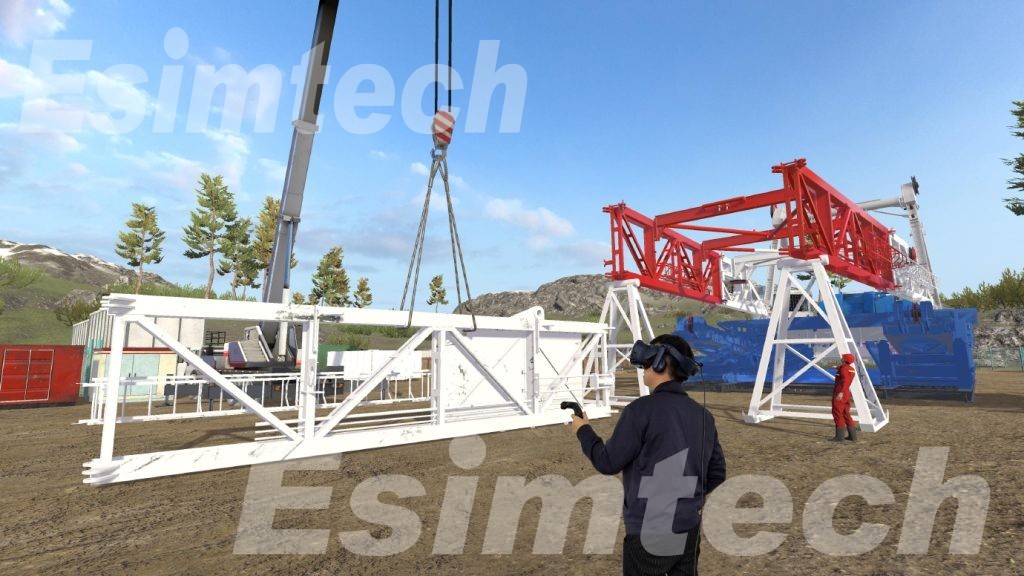
Given the scale of shale gas drilling efforts, drilling simulators are particularly evident, as operational consistency has immediate economic implications.
They offer this function across programs:
- Standardization of well design and operating envelope.
- A less reliance on individual experience
- Cut fast the rig and crew learning curves
- Ensure that drilling execution is retained/replicated as in a factory
Thus, rather than being a stand-alone tool, drilling simulators serve as decision-support platforms integrating subsurface geo-modeling, drilling mechanics, and the operational chain.
They do not negate other technologies cost-wise; rather, they play the role of profit enhancers by ensuring that sophisticated drilling technologies are applied to the right engagements thrown in at their optimal economic convenience.
The cost savings associated with shale gas drilling operations largely depend on foreseeability, dimension-controlled execution, and informed decision-making. Drilling operation simulators enhance all three by eliminating inefficiency while the bit is underground, thus encouraging drilling programs to carry out consistent operations. As shale developments deepen further, a simulation-based workflow is becoming a fundamental aspect of technically and economically efficient drilling of natural gas from shale.