Well Control in Offshore vs. Onshore Drilling Operations

Written By: Computer Science Professor
Deeply rooted in the R&D of simulators for the oil and gas industry, committed to bringing safety to every oil worker.
Well control is an immutable essence in safe drilling operations in the oil and gas industry. They are techniques and procedures, by using which the pressure balance in the wellbore can be retained and avert the uncontrolled flow of formation fluids, known as a blowout. Effective well control helps to maintain personnel and equipment safety. It also helps to minimize environmental damage. In the drilled wellbore, the basic principles of well control are unalterable, so the operational realities of offshore and onshore drilling dictate how well control is applied and managed in each of these conditions.
Understanding Well Control in Offshore Drilling Operations
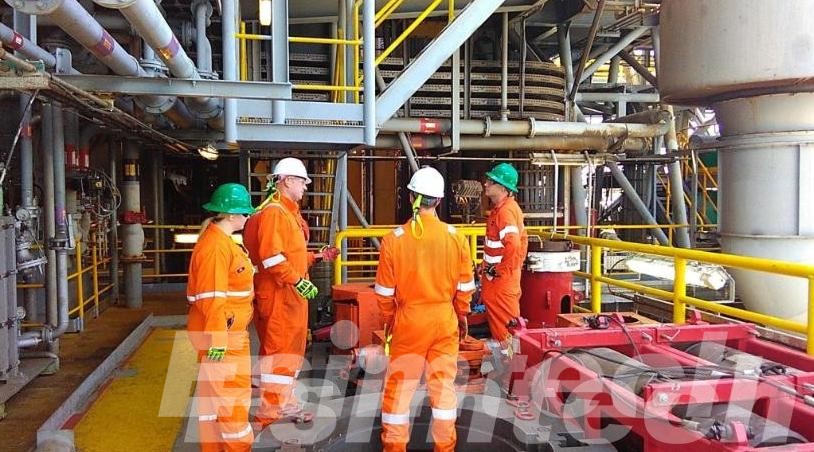
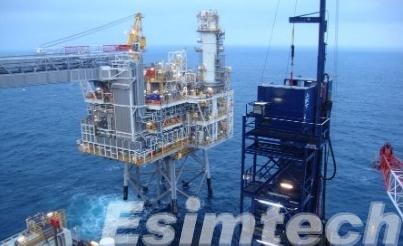
Well control in the oil and gas industry is crucial in ensuring safety, especially in offshore drilling environments, where operational difficulties and environment challenges are of great stress. Extraction of hydrocarbon raw materials that lie beneath the seabed is usually executed by means of rigs that are placed on platforms, drillships, or semi-submersible units. It is paramount to maintain well pressure control during these operations to prevent uncontrolled formations of fluid and protect all involved people and the marine habitat.
Due to the unique well control challenges posed by offshore drilling, well control is of high value in the design, surveillance, and maintenance processes that would support safe operations.
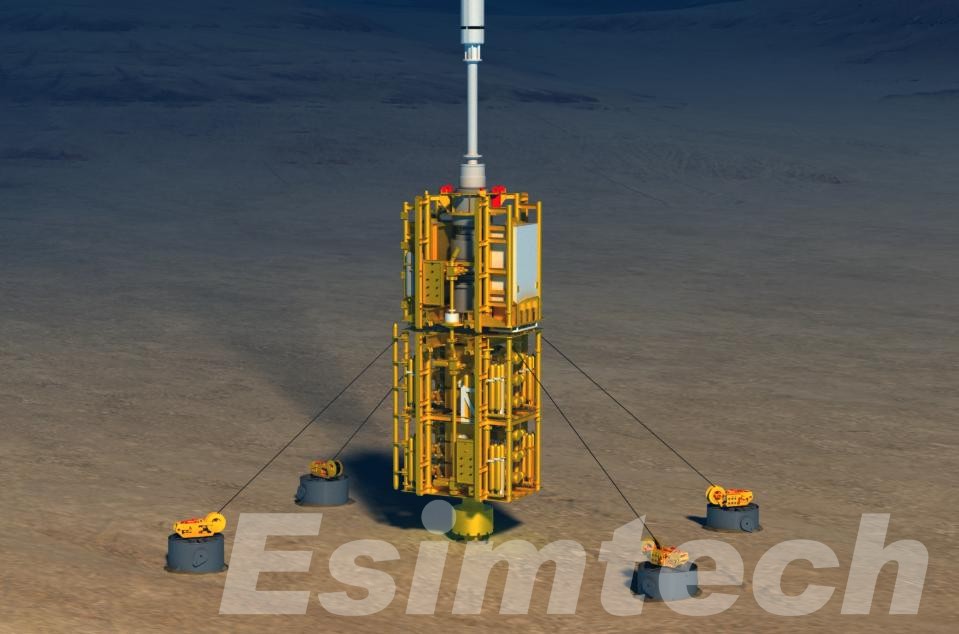
Key Components of Offshore Well Control Systems
| Component | Description | Role in Well Control |
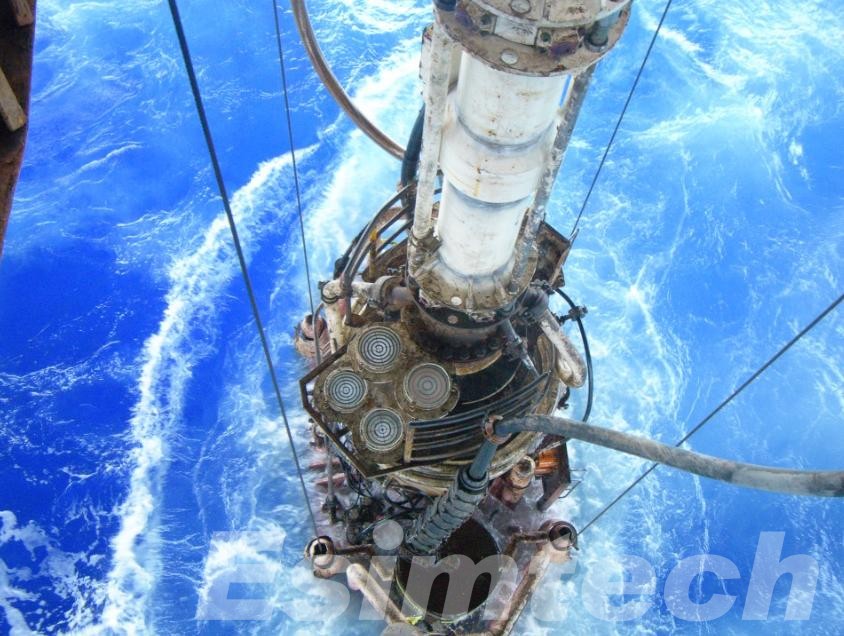
| Subsea Blowout Preventer (BOP) Stack | A large assembly of valves, rams, and annular preventers installed on the seabed above the wellhead. | Provides the primary barrier against uncontrolled flow by sealing the wellbore during kicks or blowouts. |
| Marine Riser System | A large-diameter pipe that connects the subsea BOP and wellhead to the drilling rig at the surface. | Allows drilling fluid to circulate between the rig and the well while maintaining pressure control. |
| Choke and Kill Lines | High-pressure lines running alongside the marine riser from the rig to the BOP stack. | Used to circulate fluids during well control operations to remove kicks and regulate well pressure. |
| Drilling Fluid (Mud) System | A system that prepares, circulates, and monitors drilling fluids with controlled density and properties. | Maintains hydrostatic pressure to balance formation pressure and prevent fluid influx. |
| BOP Control System | Hydraulic and electronic control units located on the rig that operate the subsea BOP. | Allows operators to remotely activate BOP functions such as closing rams or sealing the well. |
| Accumulator Unit | A high-pressure hydraulic system that stores energy to operate BOP components even if power is lost. | Ensures the BOP can be activated quickly in emergency situations. |
| Gas Detection System | Sensors installed on the rig that detect the presence of hydrocarbons in returning drilling fluids or surrounding air. | Provides early warning of gas influx, allowing operators to initiate well control procedures. |
| Mud Logging and Monitoring System | Equipment that measures parameters such as mud flow rate, pit volume, and gas levels. | Helps detect kicks early by identifying abnormal changes in drilling parameters. |
| Diverter System | A device installed near the top of the well to divert shallow gas away from the rig. | Protects the drilling rig and personnel during shallow gas events by directing flow away from the rig floor. |
| Remotely Operated Vehicle (ROV) Interface | Subsea intervention ports and panels that allow ROVs to operate BOP functions. | Enables manual subsea activation of well control equipment if normal control systems fail. |
Understanding Well Control in Onshore Drilling Operations
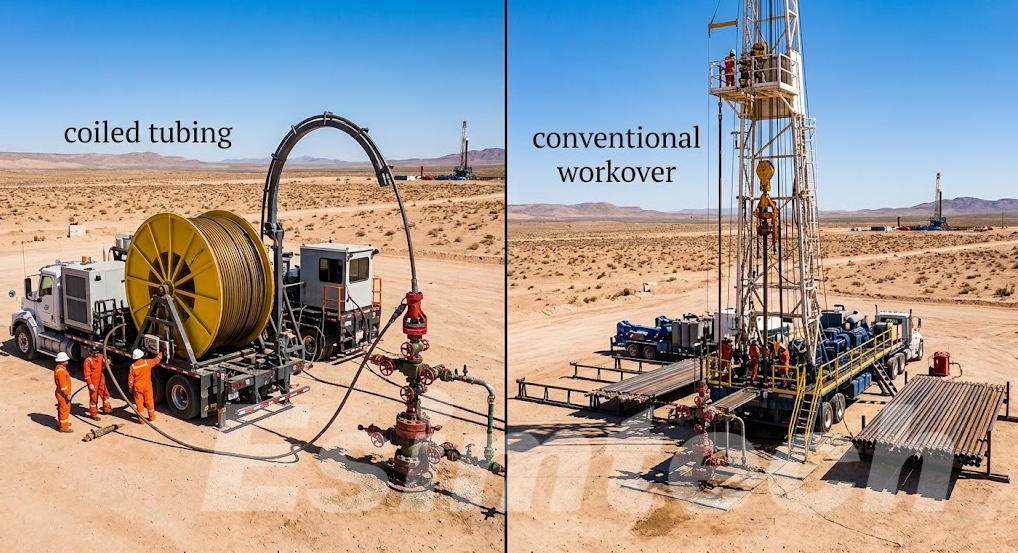
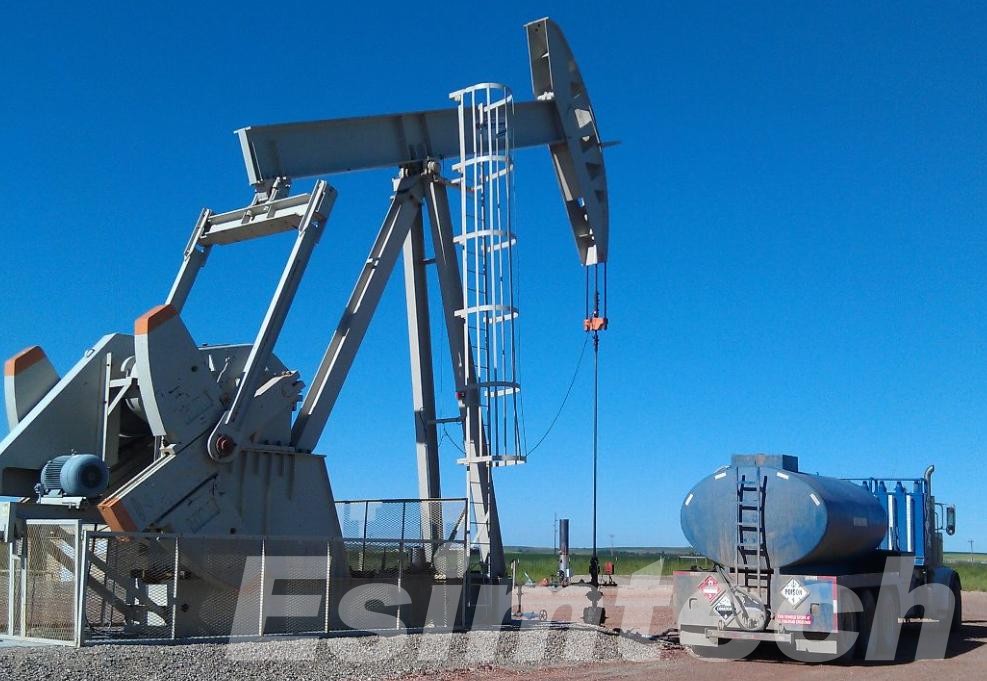
In onshore drilling operations, the ability to control formation pressures is critical for maintaining an uncontrolled flow through the wellbore of oil, gas, or formation fluids. Effective well control serves to protect personnel, equipment, and the environment in addition to promoting the effective and safe drilling operation. Onshore drilling operations are relatively more accessible than offshore, though they present some rather big challenges related to pressure management. Widespread use of the well-controlled practice is achievable merely by acquiring and using field-tested materials, monitoring by highly trained operators, all with the help of equipment meticulously designed to regulate built up pressures.
Key Components of Onshore Well Control Systems
| Component | Description | Role in Well Control |
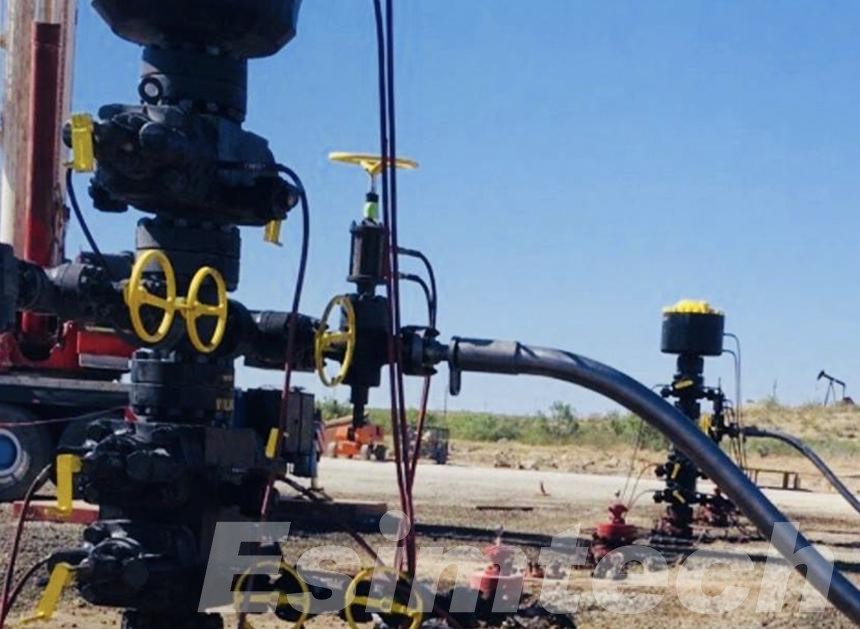
| Blowout Preventer (BOP) Stack | A surface-mounted assembly of valves, annular preventers, and ram preventers installed at the wellhead. | Serves as the primary mechanical barrier that can seal the wellbore and prevent uncontrolled fluid flow during a kick or blowout. |
| Drilling Fluid (Mud) System | A system responsible for mixing, circulating, and maintaining drilling fluid with the required density and properties. | Provides hydrostatic pressure to counterbalance formation pressure and prevent formation fluids from entering the wellbore. |
| Choke Manifold | A series of valves and chokes connected to the well control system at the surface. | Regulates the flow of fluids from the well during well control operations and helps maintain controlled pressure while circulating out a kick. |
| Kill Line | A high-pressure line that connects the choke manifold to the wellbore. | Allows heavy drilling fluid to be pumped into the well to increase hydrostatic pressure and regain control of the well. |
| Mud Pumps | High-pressure pumps used to circulate drilling fluid through the drill string and back to the surface. | Enable the circulation of drilling fluid during normal drilling and well control operations. |
| Mud Pit and Pit Volume Monitoring System | Tanks and monitoring systems that store drilling fluid and track changes in fluid volume. | Detects abnormal increases or decreases in mud volume, which may indicate a kick or fluid loss. |
| Gas Detection System | Sensors installed around the drilling site to detect the presence of hydrocarbon gases. | Provides early warning of gas influx, helping operators respond quickly to potential well control issues. |
| Diverter System | A device installed near the wellhead to divert shallow gas away from the rig floor. | Protects personnel and equipment by directing unexpected gas flow away from the drilling rig. |
| Mud Logging System | Equipment used to analyze drilling fluid returns, cuttings, and gas content. | Helps identify formation pressure changes and early signs of kicks. |
| Well Control Panel | A centralized control unit used to operate BOP components and other well control equipment. | Allows operators to quickly activate well control devices and monitor system status during drilling operations. |
Key Differences Between Well Control on Offshore and Onshore Drilling Operations
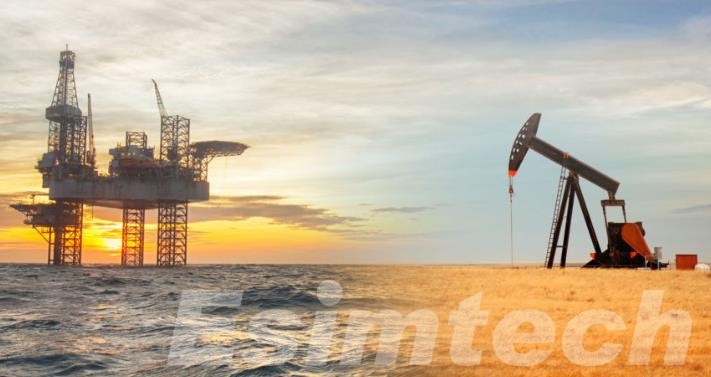
Although the key principles remain the same, the operational context of offshore and onshore drilling significantly influences well control strategies.
| Aspect | Onshore Drilling Operations | Offshore Drilling Operations |
| Operational Environment | Conducted on land in areas such as deserts, plains, forests, or remote fields. Environmental conditions are generally more stable and predictable. | Conducted in marine environments using offshore platforms, drillships, or semi-submersible rigs. Operations must consider waves, currents, and harsh weather. |
| Wellhead Location | The wellhead and blowout preventer are typically located at the surface on the drilling site, allowing easy access. | The wellhead and blowout preventer are often installed on the seabed (subsea), especially in deepwater drilling. |
| Accessibility of Equipment | Equipment such as the blowout preventer and valves can be directly accessed for maintenance, inspection, and emergency intervention. | Subsea equipment is difficult to access and usually requires remotely operated vehicles (ROVs) or specialized subsea intervention tools. |
| Pressure Management | Pressure calculations are relatively straightforward because they do not include the hydrostatic pressure of seawater. | Pressure management is more complex because engineers must consider seawater depth and marine riser pressure dynamics. |
| Well Control Equipment Configuration | Blowout preventers are surface-mounted, making installation, monitoring, and repairs simpler. | Blowout preventers are typically subsea systems connected to the rig by a marine riser and controlled remotely. |
| Emergency Response | Emergency personnel, equipment, and materials can usually be transported quickly by road. | Emergency response depends on helicopters, support vessels, and offshore logistics, which may take longer to mobilize. |
| Environmental Risks | Environmental impact is usually limited to land-based ecosystems, though spills can still cause significant damage. | Well control failures can lead to severe marine pollution and large-scale environmental damage to oceans and coastlines. |
| Operational Costs | Well control systems and emergency responses are generally less expensive due to easier access and simpler infrastructure. | Offshore well control systems are more costly due to complex equipment, subsea installations, and specialized support vessels. |
| Monitoring Systems | Monitoring equipment is located directly on the rig floor or nearby control units for easier observation and maintenance. | Monitoring systems must integrate with subsea sensors, marine riser systems, and remote control technologies. |
| Well Control Training | Standard well control procedures are used, and crews can often access training centers located on land. | Offshore crews require specialized training to manage subsea systems, marine conditions, and complex well control scenarios. |
Technological Advancements in Well Control on Offshore vs. Onshore Drilling Operations
Technological advancement has experienced efficiency improvements in well control capabilities in both offshore and onshore drilling operations. As drilling moves into deeper reservoirs, more complex geological structures, and high-pressure environments, advanced technology plays a significant role in maintaining wellbore stability and preventing uncontrolled fluid movement. Despite these well control developments benefiting offshore and onshore drilling, the nature of each environment has bred certain technological priorities and solutions.
| Technology Area | Offshore Drilling Operations | Onshore Drilling Operations |
| Blowout Preventer (BOP) Technology | Advanced subsea BOP stacks with multiple redundant rams, dual shear rams, and remote activation systems designed for deepwater operations. | Surface-mounted BOP systems with improved hydraulic controls, faster response times, and easier maintenance access. |
| Real-Time Monitoring Systems | Subsea sensors monitor pressure, temperature, and flow conditions at the seabed and transmit data to the rig and remote control centers. | Surface-based sensors track pit volume, flow rate, standpipe pressure, and drilling parameters directly on the rig. |
| Managed Pressure Drilling (MPD) | Widely used in deepwater wells with narrow pressure margins to precisely control annular pressure during drilling. | Increasingly used in complex formations and unconventional wells to maintain pressure balance and improve safety. |
| Automation and Digital Control | Automated well control systems integrated with subsea equipment and remote monitoring centers for offshore operations. | Digital drilling platforms integrate data from rig sensors and provide automated alerts for abnormal pressure conditions. |
| Remote Intervention Technologies | Remotely operated vehicles (ROVs) are used to inspect and operate subsea well control equipment such as BOP stacks. | Direct manual intervention is possible due to surface access to well control equipment. |
| Data Integration and Analytics | Offshore rigs often transmit drilling data to onshore monitoring centers for expert analysis and operational support. | Cloud-based drilling data systems allow engineers to analyze well conditions and improve kick detection and response. |
| Kick Detection Technology | Advanced subsea and surface monitoring systems provide early detection of gas influx and abnormal pressure changes. | High-sensitivity pit volume totalizers and flow sensors help identify small influxes during drilling. |
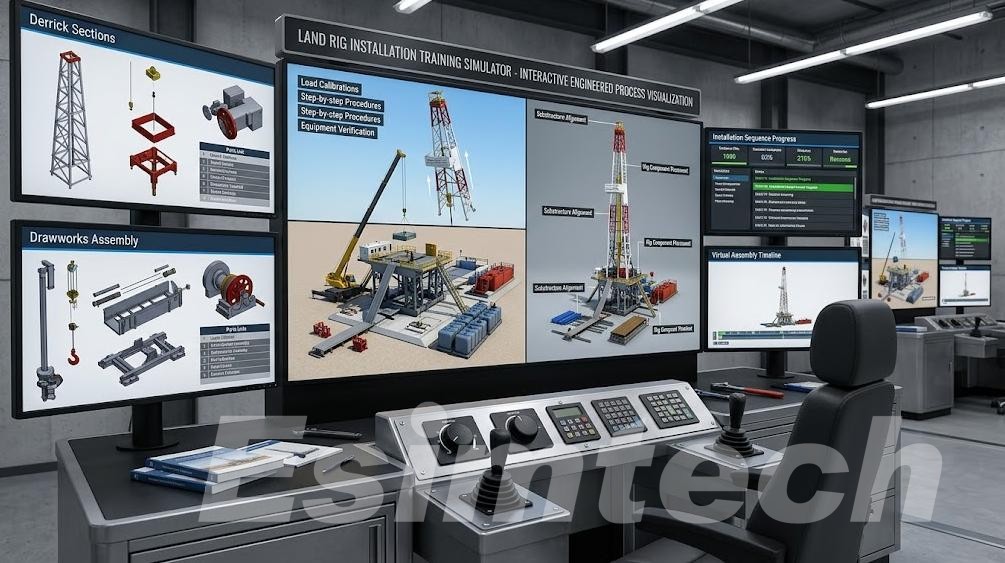
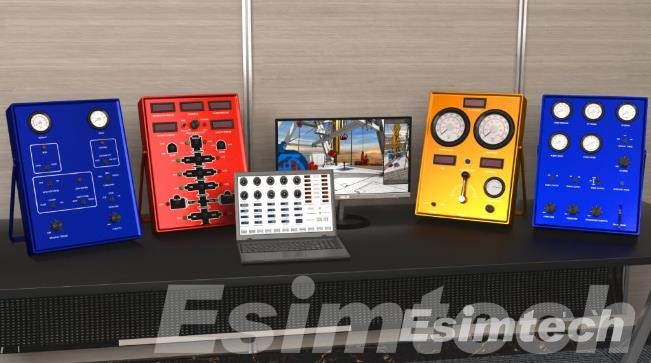
| Simulation and Training Technology | Offshore crews use drilling simulators designed to replicate subsea well control scenarios and deepwater operations. | Drilling and well control simulation training focuses on surface well control systems and rapid response to kicks in land-based drilling environments. |
| Safety Redundancy Systems | Multiple backup activation systems for subsea BOPs, including acoustic triggers and ROV intervention panels. | Redundant hydraulic and mechanical systems ensure reliable activation of surface BOP equipment. |
| Remote Monitoring and Support | Offshore rigs often rely on onshore operation centers that monitor drilling data in real time and assist with decision-making. | Onshore rigs may use remote monitoring but generally rely more on on-site engineers and drilling crews. |
Summary
While offshore and onshore drilling operations are both benefitting from advancements in technology, the offshore-lower level environments tend to avail complexity and redundancy-systems due to the highest operational risks and limited access to applications. Therefore, subsea monitoring, automated control systems, and remotely-operated intervention tools play a key role in offshore well control.
Meanwhile, the single-human operation of onshore drilling often lays strong emphasis on digital data integration, automated monitoring systems, and cost-effective safety improvements. This is because equipment stationed on land is far more accessible and easier to maintain. Technology tends to concentrate on enhancing efficiency and operational performance.
Final Thoughts
Well control operates as the very fundamental practice for secure both onshore and offshore drilling. Although working principles are the same, the tools configuration, risk management and emergency response are quite different regarding challenges of each environment.
Onshore drilling enjoy several advantages, ranging from ease of reach and straightforward infrastructure whereas the offshore drilling sector takes on added complications engendered by diverse considerations concerning marine surroundings, subsea hardware, and logistical constraints. It requires incumbent technical, monitoring, and training advancements for use in deep waters and more complex reservoirs. Further, these might assist in well control; that diverse activities may persist in total safety and sustainability.