Deepwater Subsea BOP Control System Simulation: Training for Extreme Depths

Written By: Computer Science Professor
Deeply rooted in the R&D of simulators for the oil and gas industry, committed to bringing safety to every oil worker.
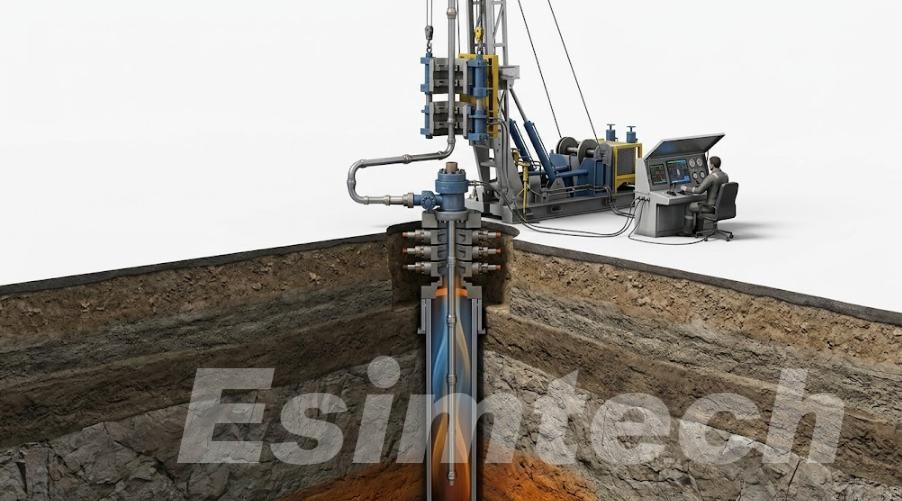
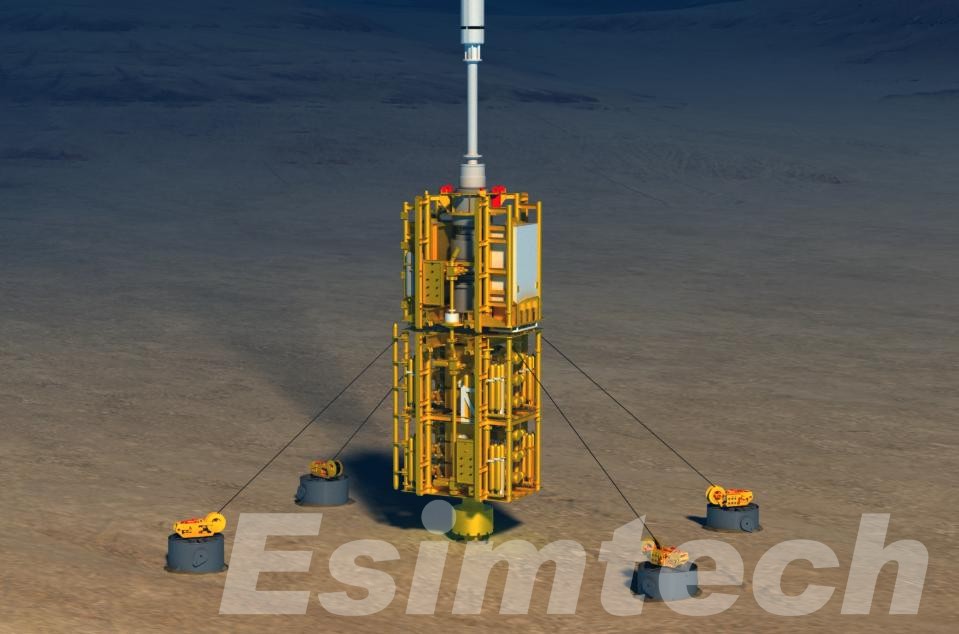
Deepwater drilling operations at depths exceeding 3000 meters are regarded as one of the most challenging and colossal projects in the oil and gas industry. Conducted under extremely high static water pressure at the seabed and near-freezing seawater temperatures, there can be no room for any human error. And the core defense line to ensure the integrity of the deepwater wellbore is the massive safety device located at the seabed, which costs millions of dollars – the Subsea BOP Stack.
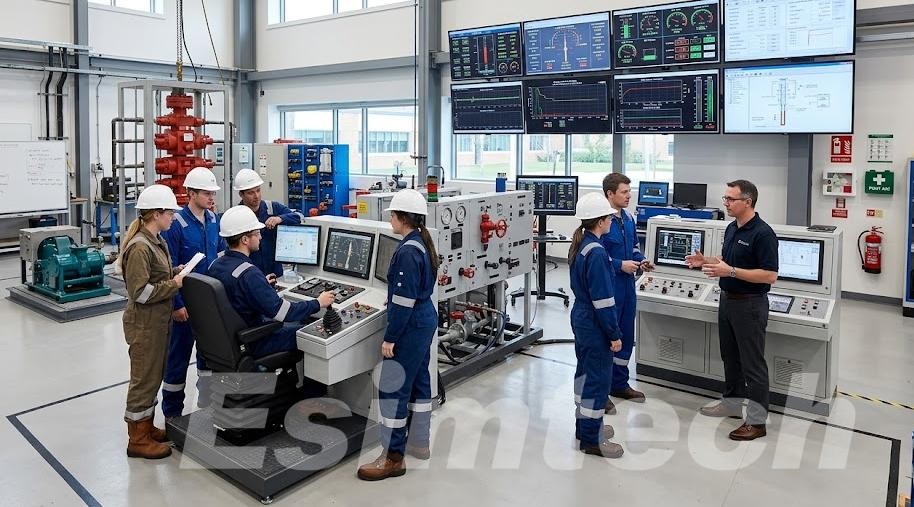
On offshore drilling platforms with daily rental costs exceeding 500,000 US dollars, conducting personnel training through hands-on trial and error is clearly impractical. However, traditional on-land well control simulators are unable to replicate the unique hydrodynamic characteristics of deepwater environments and the delay in long-distance signal transmission. To avoid catastrophic well control risks, deepwater drilling contractors and training institutions have increasingly introduced advanced drilling and well control simulation systems equipped with dedicated subsea modules.
Why Deepwater Well Control Demands Specialized Subsea BOP Simulation
The use of subsea blowout preventers to control oil wells introduces physical variables that are not present in traditional onshore or platform operations. General simulation algorithms are unable to replicate these dynamic characteristics.
The Complexity of Deepwater Hydrodynamics and Gas Kick Behavior
When gas invasion occurs several thousand feet below the platform, the behavior of the gas as it rises through the subsea riser will undergo a dramatic change. The high static water pressure and low temperature in deep waters are highly likely to trigger natural gas hydrates, which can subsequently clog the choke pressure well lines or jam the blowout preventer gates. Special subsea simulators can calculate the multiphase thermodynamics in real time, enabling trainees to precisely grasp the gas expansion and hydrate risk curves.
MUX (Multiplex) Electro-Hydraulic Control Systems vs. Conventional Hydraulics
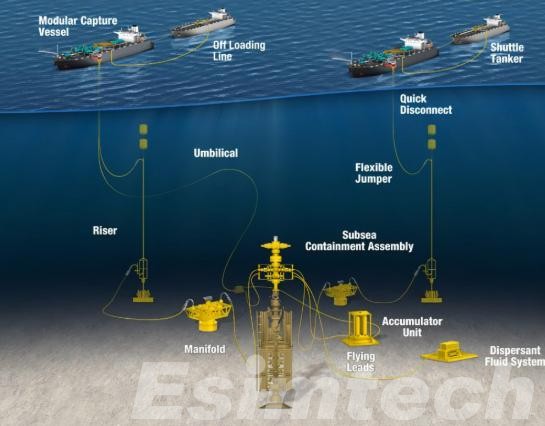
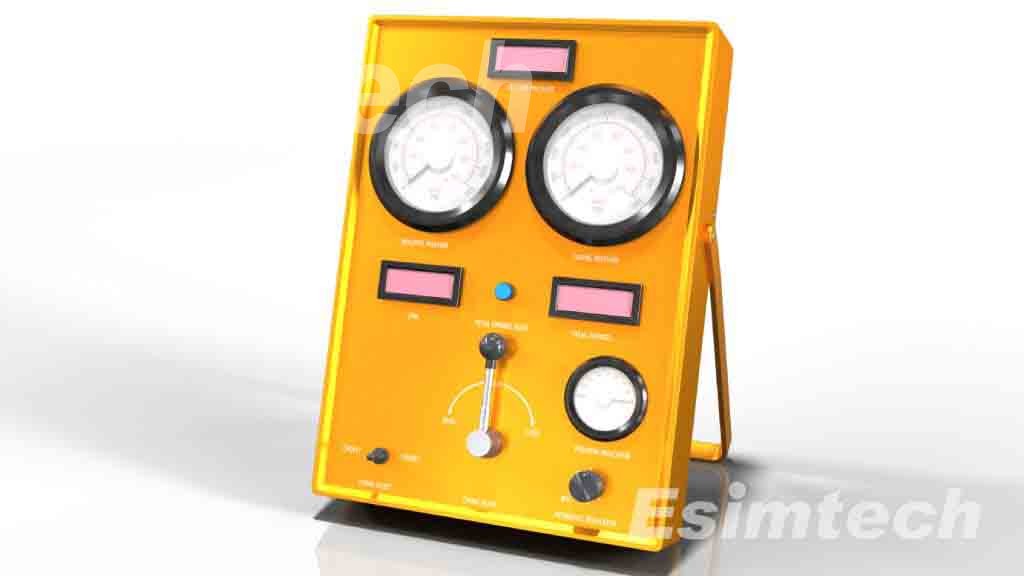
Unlike platforms that rely on direct hydraulic pipelines, deepwater operations adopt the MUX (multiplexing) electro-hydraulic control system. Control instructions are transmitted via optical fiber cables to the subsea control cabin (blue/yellow cabin). The simulator must accurately reproduce this complex electro-hydraulic architecture, including control cabin switching, electromagnetic valve actions, and pressure drop of accumulator pre-charging.
MUX signal and hydraulic command process:
- Ground control layer: The drilling personnel issue instructions on the control console or MUX control panel.
- Signal transmission layer: Electrical signals and optical fiber signals are transmitted through the MUX umbilical cable, with inherent signal delay.
- Underwater cabin execution layer: The designated underwater control cabin (blue or yellow) receives signals and drives the internal solenoid valves.
- Hydraulic execution layer: High-pressure hydraulic oil flows from the underwater accumulator to the target functional device.
- Equipment operation layer: The underwater blowout preventer ram or the annular blowout preventer is physically closed to achieve well control or pressure isolation.
Time Delays and Riser Margin Calculations
The signal is transmitted through a 10,000-foot-long umbilical cable, along with the response of the hydraulic oil, which inevitably causes operational delays. Moreover, the disconnection procedure requires precise calculation of the standpipe margin – that is, the static pressure difference between the drilling mud column and the seawater. The simulator is used to train the operators to take these crucial few seconds and the pressure difference into account before initiating the emergency disconnection procedure (EDS).
Key Technical Features of an Advanced Subsea BOP Control Simulator
To achieve realistic operational effects, modern deep-water simulators combine sophisticated software with physical or virtual control systems.
- Redundancy and logic of underwater control pods: Real-time modeling of the dual underwater pods enables trainees to diagnose electrical faults, hydraulic leaks, and seamlessly switch between pods under pressure.
- Modeling of friction losses in choke tubes and well control lines: The deepwater choke tubes/well control lines are extremely slender. Advanced algorithms continuously calculate the fluid friction losses of these lines to prevent misleading ground pressure readings during well control operations.
- ROV intervention simulation: Incorporate a main hydraulic system failure scenario, forcing the crew to simulate the hot-swapping operation of the remotely operated vehicle (ROV) to activate the gate or perform the dead man/automatic cutting functions.
- Dynamic motion integration: Simulate the pitching, rolling and heaving motions of a drilling vessel or semi-submersible platform, and demonstrate how the movement of the riser affects the integrity of the annular seal and the operation of the sliding joint.
Training Rig Crews for IWCF Level 4 Subsea Stack Certification
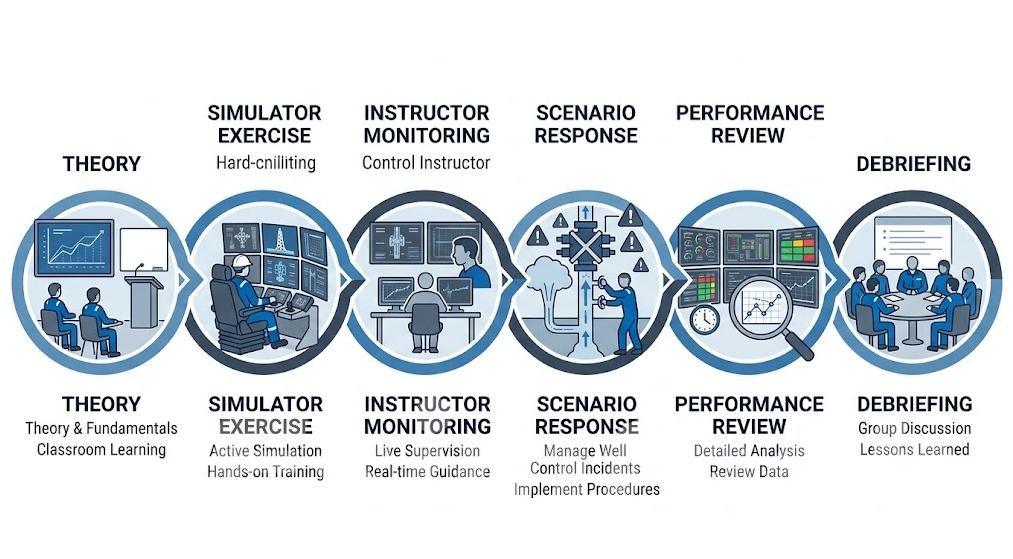
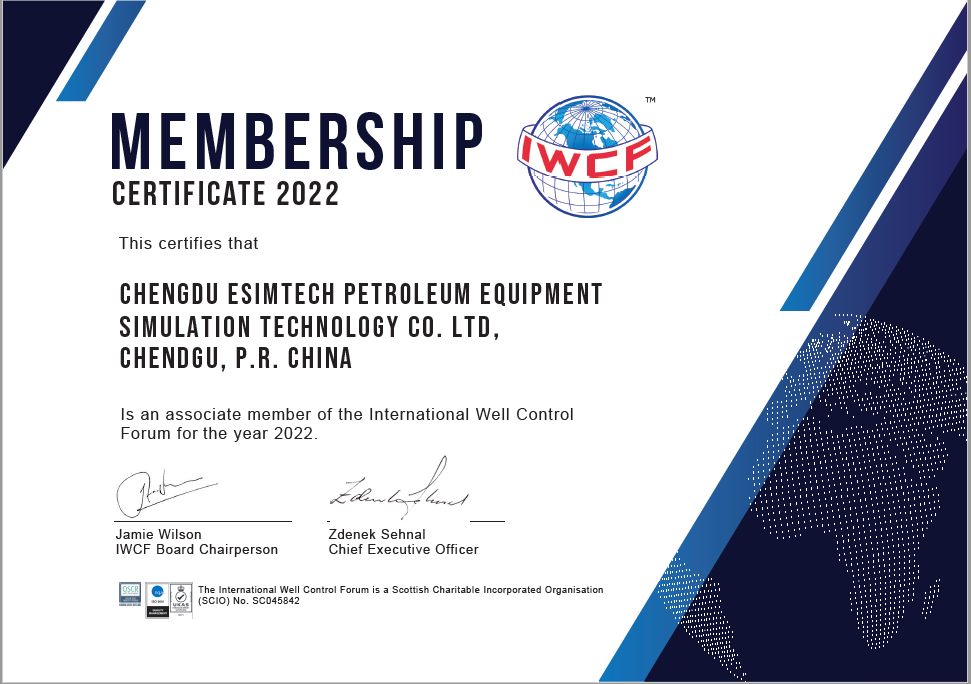
Compliant with international safety standards, such as the IWCF (International Well Control Forum) 4-level subsea certification, strict practical evaluations are required. High-fidelity simulations bridge the gap between classroom theory and actual operation.
Mastering the Driller’s Method and Wait & Weight Method in Deepwater
In deep water environments, the circulation well surge needs to be constantly adjusted to compensate for the huge frictional pressure within the long subsea choke line. The trainees use the simulator to practice calculating the initial dynamic pressure loss, manually adjusting the choke valve, and implementing the drilling method and the waiting for pressure increase method without exceeding the limit of the formation fractures.
| Operation Metric | Surface BOP Training | Deepwater Subsea BOP Training |
| Signal Transmission | Direct Hydraulic (Instant) | MUX Electro-Hydraulic (Signal Latency) |
| Line Friction Impact | Minimal Choke Line Friction | High Choke & Kill Line Friction Loss |
| Gas Behavior | Standard Surface Expansion | Hydrate Formation & Riser Gas Risk |
| Emergency Response | Surface Annular / Pipe Ram Close | Emergency Disconnect Sequence (EDS) & ROV Hot-Stab |
Scenario-Based Stress Training: Diverter System & Riser Gas Handling
If the gas bypasses the subsea blowout preventer and enters the offshore riser, as the near-shore static water pressure decreases, the gas will rapidly expand. The simulator enables instructors to simulate the sudden leakage of gas from the riser, testing the crew’s ability to safely divert the gas through the shunt housing, handle the overload of the mud gas separator, and prevent catastrophic deck blowout.
How to Integrate Subsea BOP Simulation into Your Training Center
Upgrading existing facilities or building a new maritime training academy requires strategic planning of the hardware and software ecosystem:
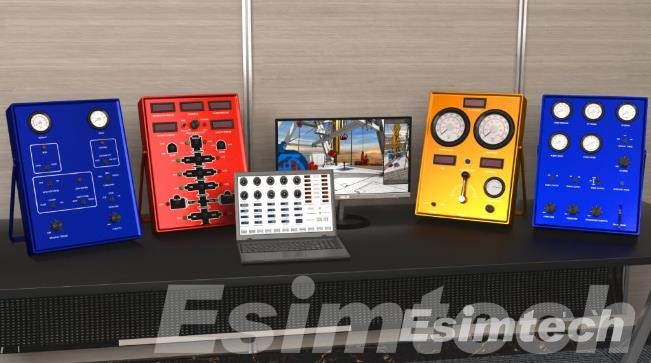
- Select the appropriate equipment: Determine whether your project requires a full-sized network console with a physical multiplexer panel, or a portable briefcase-style simulator that is easy to deploy on-site.
- Integrate regional geological data set: Load specific oceanographic data, pore pressure profiles and water depth parameters that match the target offshore basin (such as the Gulf of Mexico, the North Sea or the subsalt layer of Brazil).
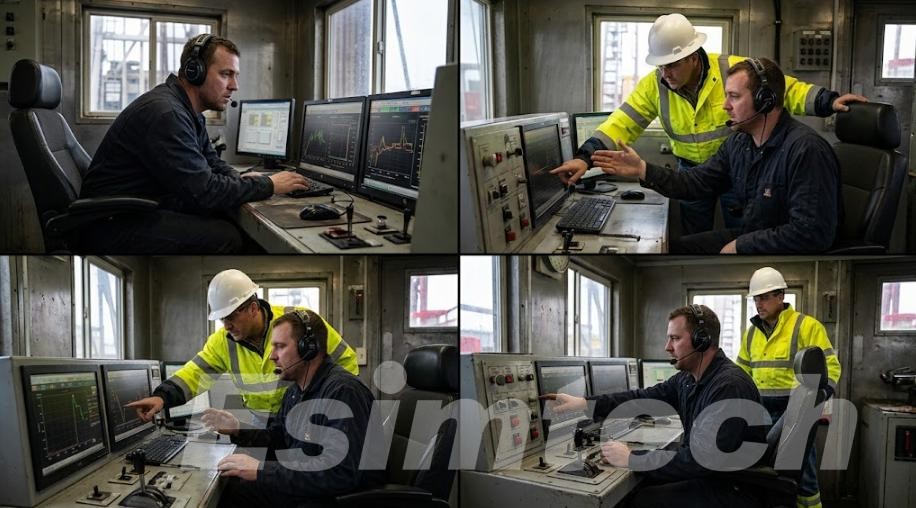
- Establish a multi-role team workflow: Select simulation software that can connect drilling workers, operation supervisors, on-site personnel, and underwater engineers to a unified interactive environment, in order to cultivate team resource management (CRM) skills.
To Summary
Deepwater drilling operations are at the forefront of energy exploration. Equipment failures or human errors can cause extremely serious health, safety and environmental (HSE) issues as well as economic losses. Professional subsea blowout preventer (BOP) control system simulators are an important safeguard for preventing offshore well control accidents. By precisely simulating multiplexer (MUX) control systems, subsea fluid dynamics, pipeline friction losses and emergency disconnection protocols, advanced simulators can provide drilling platform operators with the practical experience needed to complete deepwater operations safely and efficiently.