What is An Effective Emergency Response Plan for Well Blowouts

Written By: Computer Science Professor
Deeply rooted in the R&D of simulators for the oil and gas industry, committed to bringing safety to every oil worker.
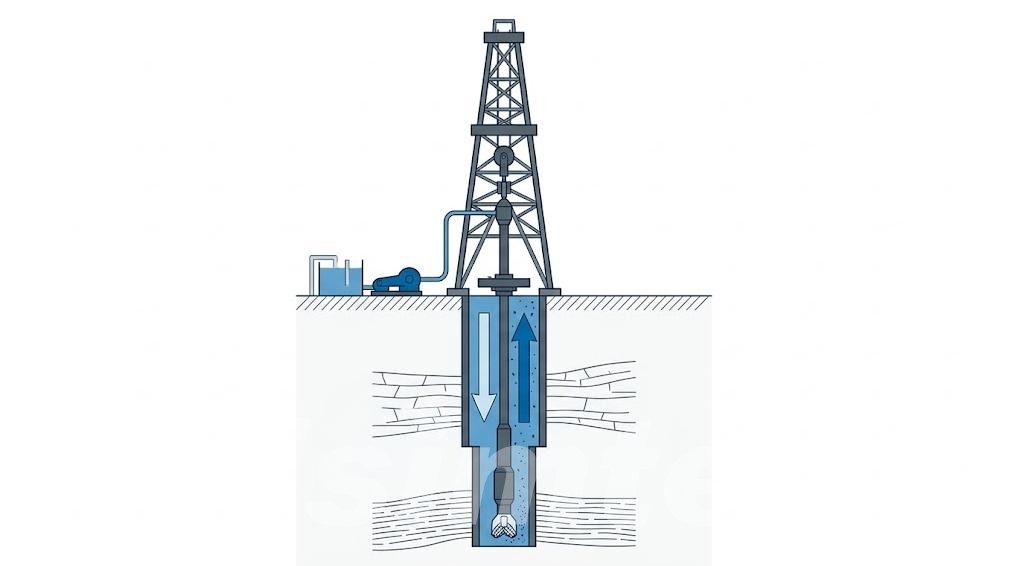
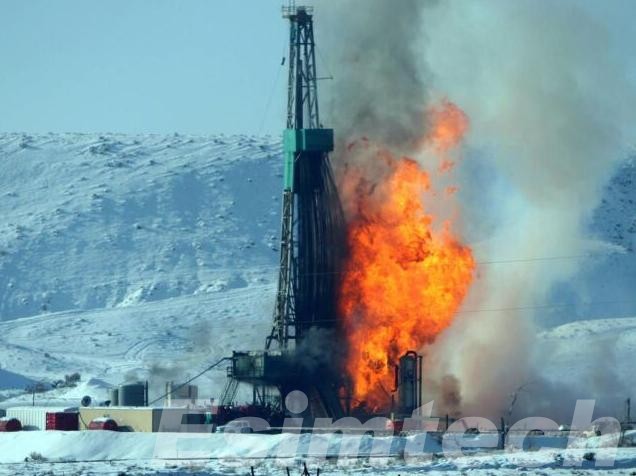
A well blowout is one of the most dangerous and a bit complex emergencies that can happen in drilling operations. It usually shows up when the formation pressure in a well ends up higher than the pressure from the drilling mud and well control systems, then it causes an uncontrolled release of oil, gas, or formation fluids. Since well blowouts can go from calm to chaotic really fast, including fires, explosions, environmental contamination, and sadly loss of life, having a well-structured emergency response plan(ERP) is essential for basically any drilling job.
Understanding the Nature of a Well Blowout
An effective emergency response plan starts with noticing what might go wrong, or how it could go wrong in practice. A blowout can come from several things, like:
- Failure of primary well control (mud weight imbalance)
- Equipment malfunction (blowout preventer failure)
- Human error during drilling, or during a well intervention
- A sudden high-pressure zone encounter
- Poor casing or cement integrity
Well blowouts are not all the same kind of incident. They can appear as surface events (a visible release at the wellhead) or as subsurface events (fluids migrating underground into other formations), and in that case, response strategies need to be adjusted because the conditions are different.
Main Purposes of an Emergency Response Plan for Well Blowouts
| Objective | Description |
| Protect human life | Ensure safety of all personnel through evacuation, sheltering, and hazard control |
| Rapid well control | Quickly shut in the well and regain pressure control using BOPs, valves, and intervention methods |
| Environmental protection | Prevent or reduce oil, gas, and chemical release into soil, water, and air |
| Asset preservation | Protect drilling rigs, equipment, and infrastructure from fire, explosion, or damage |
| Emergency coordination | Establish clear command structure and communication channels among teams and agencies |
| Regulatory compliance | Follow legal reporting requirements and industry safety standards |
| Incident containment | Restrict the spread of fire, gas, or fluids to affected zones |
| Operational recovery | Restore drilling operations safely after the incident is stabilized |
| Continuous improvement | Analyze incidents and update ERP based on lessons learned |
Key Components of a Well Blowout Emergency Response Plan
An emergency response plan must assume that escalation is possible at any stage and prepare for worst-case scenarios rather than ideal conditions.
1. Risk Identification and Scenario Preparation
A well blowout emergency response plan begins a good while before any drilling activity starts. At its base is a strong grasp of the geologic and operational risks that could drive uncontrolled well conditions. This means looking closely at formation pressure profiles, spotting possible kick zones, and checking how sound the casing and cement programs are. Scenario preparation takes it a bit further by imagining how different blowout types might play out, for example, shallow gas releases, high-pressure reservoir kicks, or offshore surface blowouts. When these possibilities are laid out in advance, operators can line up specific response routes instead of falling back on general procedures while a real crisis is unfolding.
2. Detection and Early Warning Systems
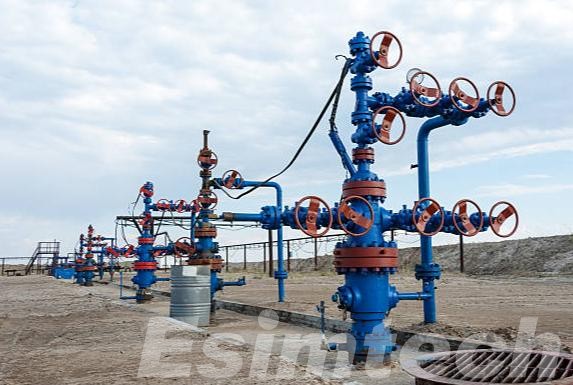
Spotting odd well behavior at the right time really matters, because otherwise it can turn into a full-scale blowout. Nowadays the emergency response plans include smarter detection tools that keep an eye on drilling specifics all the time like pit volume, pump pressure, flow rate, and gas readings. These signals act as an early caution for any influxes that might grow worse if nobody reins them in quickly. With automated alarms plus real-time data analytics, rig crews can notice changes sooner than watching only by hand, and that lets them take corrective steps right away before things get out of control.
3. Well Control and Shut-In Procedures
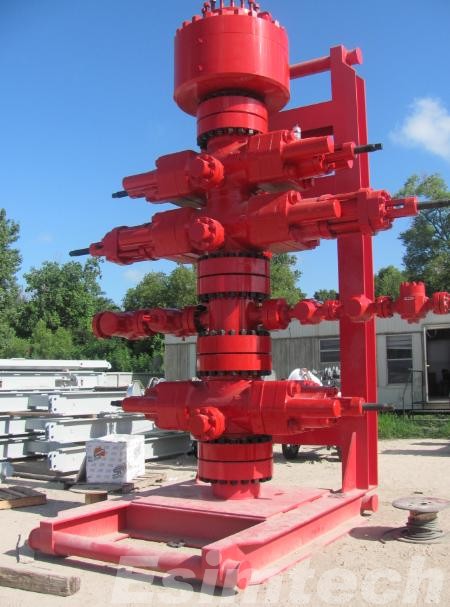
Once an abnormal situation is detected, the ability to quickly regain control over the well becomes the main priority. A full response plan, makes it clear shut-in procedures including when to activate blowout preventers and the step-by-step order for sealing the wellbore. It also spells out mud circulation tactics to balance formation pressure and halt any additional influx. These steps have to be accurate and rehearsed regularly, because pause in action or wrong execution can really make the incident worse.
4. Command Structure and Communication Protocols
During a sudden blowout emergency, the mental noise can be just as risky as the actual physical danger. A thoughtful plan puts a clean command chain in place, so decision-making power is clear for who is on site and who is in a remote support center. Communication protocols then make sure messages move fast and with proper clarity between rig staff, company response teams, external contractors and the regulatory authorities. When everyone follows the same framework, you avoid lag, reduce contradictory directives, and prevent those high-consequence misunderstandings, especially when minutes matter.
5. Personnel Safety and Evacuation Strategy
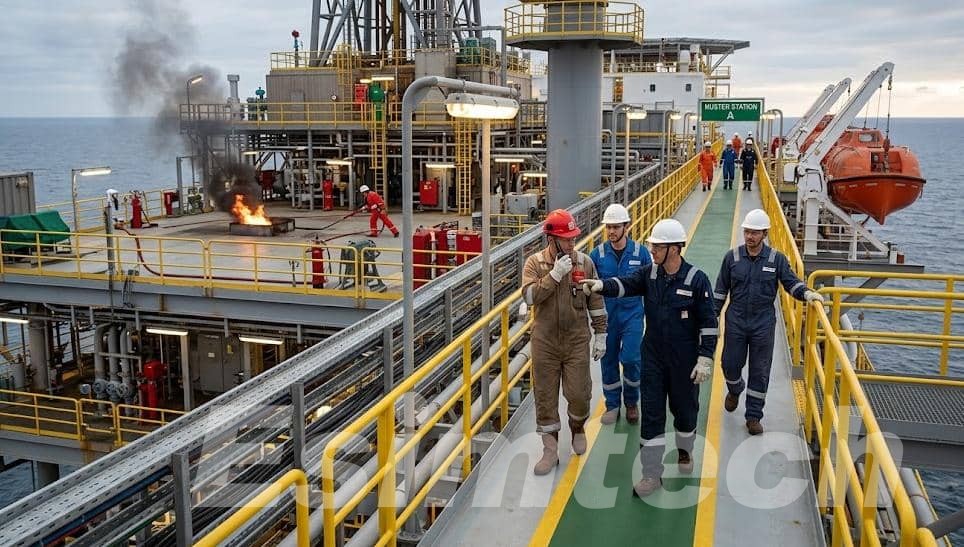
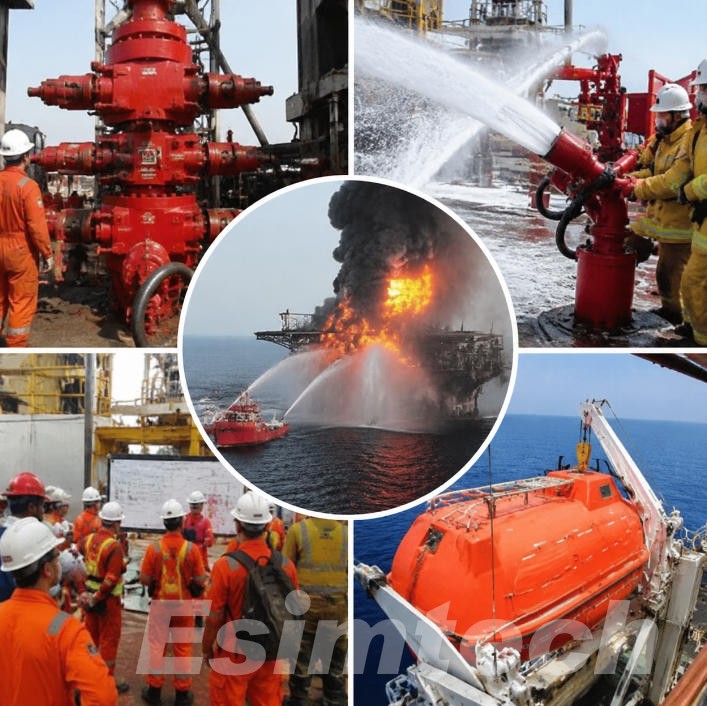
Protecting human life remains the main point of any emergency response. A solid plan usually has evacuation routes that are clearly laid out, set muster points, and transportation approaches like lifeboats or helicopters when you are dealing with offshore environments. It also makes sure that personnel accountability is actually working, so every person on the site can be followed during an emergency. Regular drills plus familiarization training improve the odds that workers respond quickly, almost automatically even when conditions get very harsh.
6. Fire Control and Hazard Containment Measures
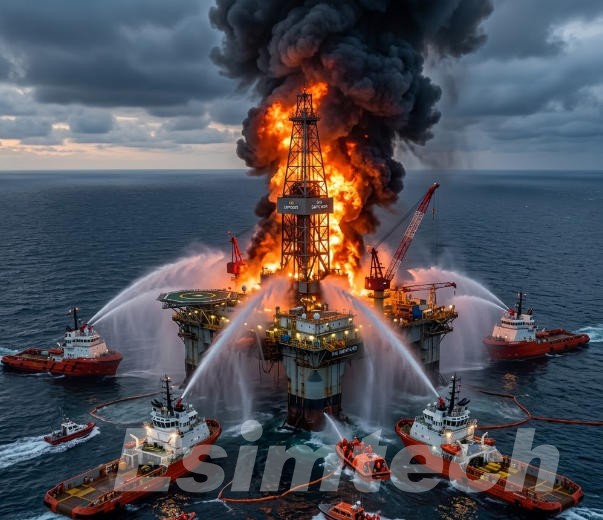
When a blowout ignites, quick containment really matters, so the situation does not spiral further. Emergency plans typically cover fire suppression approaches including water deluge systems, foam deployment, and remote shutdown of ignition sources. Setting up exclusion zones, and limiting entry to hazardous areas, is another key requirement. In more severe scenarios, specialized intervention teams may have to carry out well-capping operations once everything is stabilized.
7. Specialized Intervention and External Support
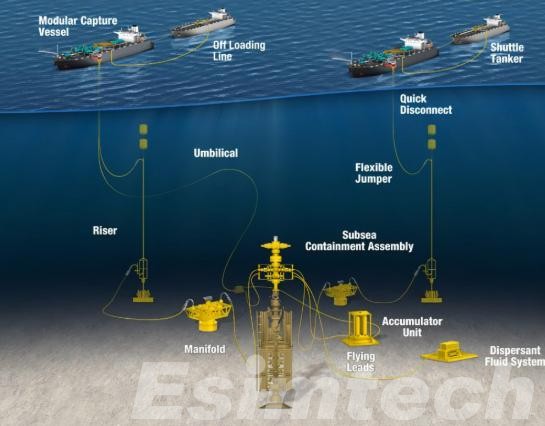
Not every blowout can be kept in check by onsite personnel alone, so having outside response ability becomes something you cannot ignore in preparedness. Emergency plans usually contain prearranged commitments with specialized well control organizations that can show up with capping stacks, relief well drilling tools, and engineering know-how. These crews offer essential backing during complicated events where the normal rig equipment falls short and getting back control takes more than usual effort.
8. Environmental Protection and Spill Management
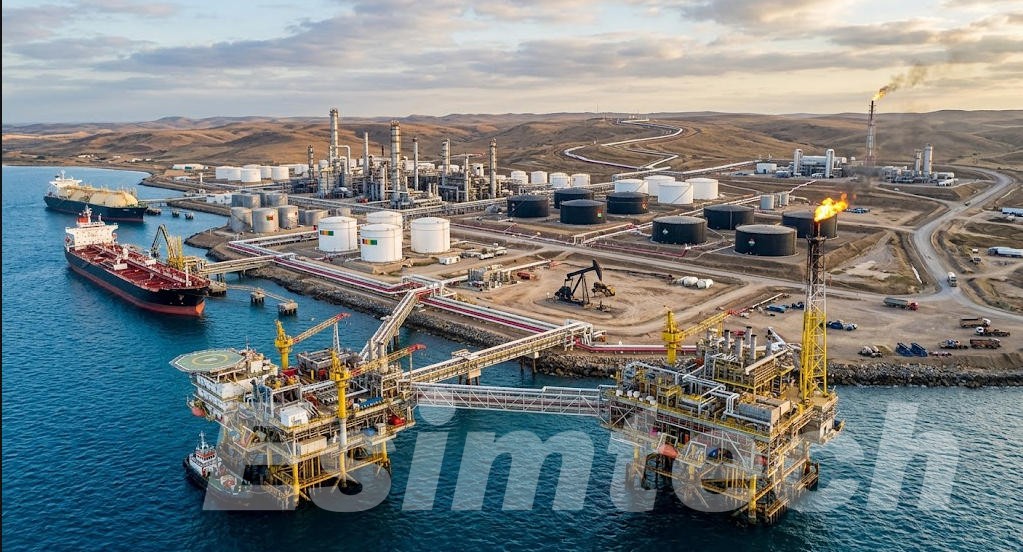
Blowouts can bring major environmental side effects, especially when hydrocarbons go into the nearby ecosystems. A properly designed response plan uses containment and mitigation steps like spill recovery systems, managed flaring techniques when it makes sense, plus ongoing environmental monitoring. Offshore activities may also involve putting in place containment booms and working together with wildlife protection agencies to reduce damage to local habitats, plants and animals.
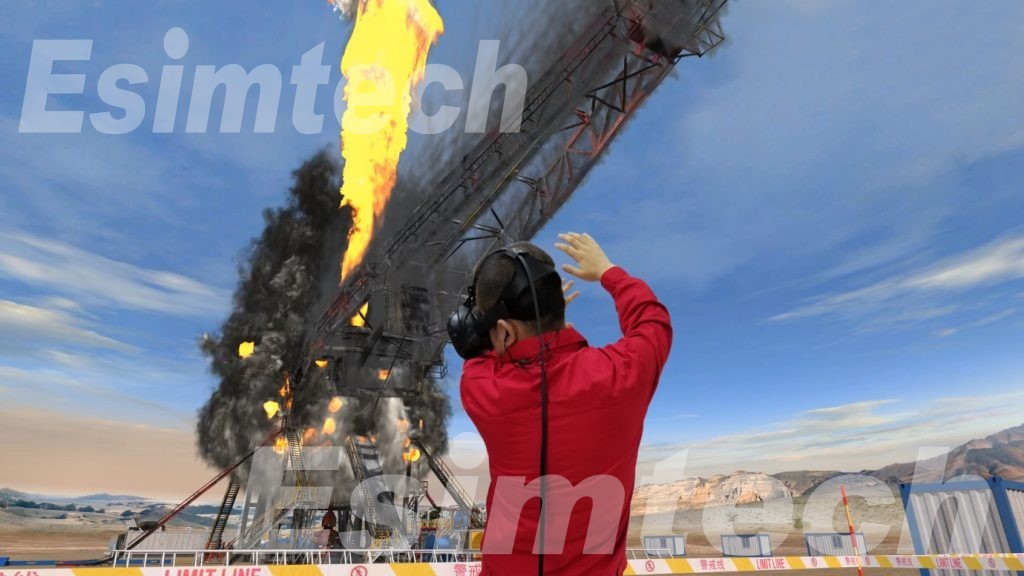
9. Training and Simulation Exercises
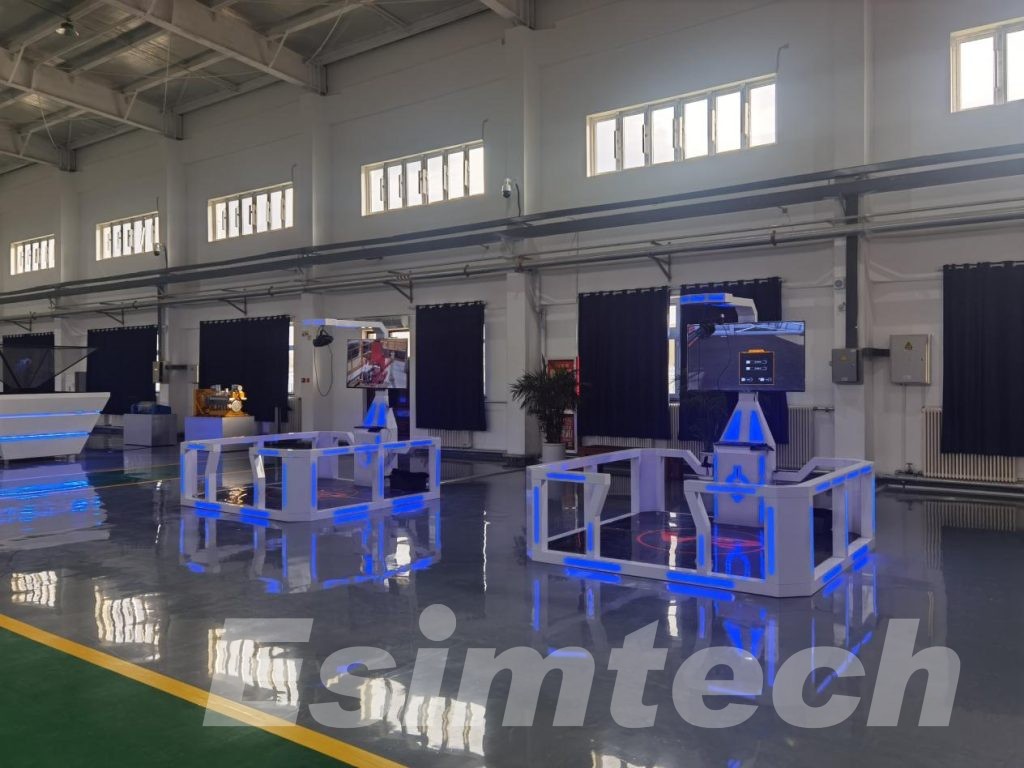
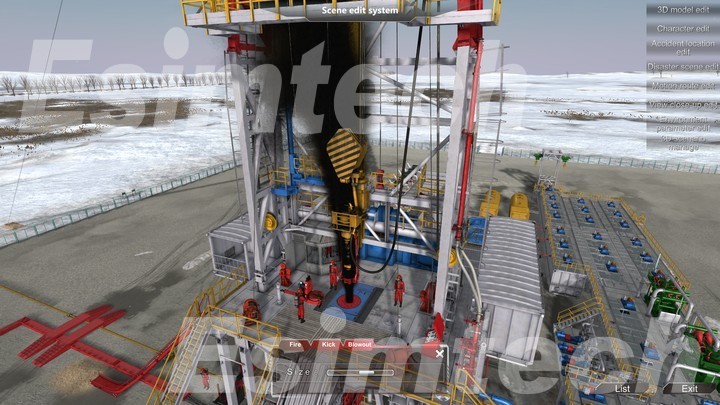
The following chart shows how emergency exercise simulation technologies, regular drills and scenario-based training are used for ensure that personnel are familiar with their roles and can act quickly under pressure.
| Simulation Exercise | Purpose | Key Activities | Primary Participants |
| Well Kick Detection Drill | Improve early recognition of abnormal well conditions | Monitor pit gain, flow rate, pressure changes, and identify kick indicators | Drillers, assistant drillers, mud engineers |
| Blowout Preventer (BOP) Activation Drill | Verify proper operation of the BOP system | Simulate emergency shut-in and BOP closure procedures | Drilling crew, BOP technicians |
| Well Shut-In Simulation | Practice standardized well control procedures | Execute shut-in sequence and stabilize well pressure | Drillers, toolpushers, well control specialists |
| Emergency Evacuation Drill | Ensure safe and orderly evacuation of personnel | Follow evacuation routes, muster procedures, and personnel accountability checks | All onsite personnel |
| Fire and Explosion Response Exercise | Prepare teams for ignition following a blowout | Activate fire suppression systems, isolate hazardous areas, coordinate firefighting efforts | Fire response team, HSE personnel, rig crew |
| Incident Command Tabletop Exercise | Test decision-making and communication under emergency conditions | Simulate incident management, resource allocation, and external communications | Incident management team, company leadership |
| Gas Release Simulation | Prepare personnel for hazardous gas leaks | Detect gas, activate alarms, establish exclusion zones, use respiratory protection | HSE team, drilling crew |
| Offshore Abandonment Drill | Practice emergency evacuation from offshore installations | Launch lifeboats, coordinate helicopter evacuation, conduct personnel headcount | Offshore crew, marine personnel |
| Relief Well Planning Exercise | Evaluate preparedness for prolonged blowout control | Simulate engineering design, logistics, and drilling of a relief well | Well control engineers, drilling managers |
| Multi-Agency Emergency Response Exercise | Strengthen coordination with external organizations | Simulate communication and joint response involving emergency services and regulators | Operator, contractors, government agencies, emergency responders |
| Digital Blowout Simulator Training | Develop technical and decision-making skills in a virtual environment | Simulate realistic blowout scenarios using advanced well control software | Drilling personnel, well control trainees |
| Post-Incident Recovery Simulation | Prepare for recovery after a blowout is controlled | Practice environmental assessment, equipment inspection, and incident investigation | Operations managers, HSE team, maintenance personnel |
10. Post-Incident Recovery and Improvement
After a blowout is controlled, people usually start turning to recovery and analysis. This part is about looking into what really triggered the incident, getting damaged equipment back to working state, and also handling any environmental impacts that showed up along the way. Regulatory reporting gets wrapped up as required by law, and the details gathered during the event are used to improve future emergency response plans. Over time, this improvement loop keeps helping, so every event feeds into safer, more resilient operations.
Challenges in Emergency Response Planning for Well Blowouts
The following chart provides the main challenges and potential mitigation methods in the emergency response planning for well blowouts.
| Challenge Area | Description | Impact on Response | Mitigation Approach |
| Unpredictable subsurface pressure | Formation pressures may be unknown or highly variable | Delays in decision-making and increased blowout risk | Advanced geological modeling and real-time pressure monitoring |
| Rapid escalation of events | Blowouts can develop from minor kicks to full uncontrolled flow within minutes | Reduced reaction time for personnel and systems | Early kick detection systems and strict shut-in protocols |
| Equipment failure risk | Failure of blowout preventers or control systems under extreme conditions | Loss of primary well control capability | Regular maintenance, testing, and redundancy systems |
| Human error under stress | High-pressure situations may lead to incorrect actions or delays | Improper shut-in or delayed response | Continuous training, simulation drills, and standard operating procedures |
| Complex offshore logistics | Difficulty in deploying equipment and personnel in remote marine environments | Slower response and limited access to resources | Pre-positioned emergency equipment and standby vessels |
| Coordination between multiple parties | Involvement of operators, contractors, regulators, and emergency teams | Communication delays or conflicting instructions | Defined command structure and incident management systems |
| Harsh environmental conditions | Extreme weather, sea states, or terrain limitations | Reduced effectiveness of response operations | Weather forecasting integration and adaptive response planning |
| Limited availability of specialized teams | Well control experts and capping equipment are not always immediately available | Delayed containment and well control operations | Pre-arranged contracts with emergency response providers |
| Environmental sensitivity | Operations near ecosystems, coastal zones, or populated areas increase consequences | Higher regulatory and reputational risk | Environmental impact planning and spill response preparedness |
| Data and monitoring limitations | Incomplete or delayed real-time data from the well | Slower detection and diagnosis of blowout conditions | Enhanced sensor networks and digital monitoring systems |
| Communication breakdowns | Failure in communication systems during emergencies | Confusion and inefficient response coordination | Redundant communication channels and clear reporting protocols |
| Training gaps | Infrequent drills or insufficient experience among personnel | Reduced effectiveness during real incidents | Regular simulation exercises and competency-based training |
Final Thoughts
An emergency response plan for well blowouts works like a system that keeps changing. It brings together engineering controls with real-time monitoring, trained staff, and quick mobilization resources. Whether an emergency response plan effort succeeds can decide if a blowout stays controlled or turns into a major disaster.
A well-prepared company treats blowout readiness as a core daily requirement instead of a regulatory paper thing, making sure safety, environmental protection, and operational resilience all stay in place across every drilling activity.