Oil Production: Challenges and Technological Innovations

Written By: Computer Science Professor
Deeply rooted in the R&D of simulators for the oil and gas industry, committed to bringing safety to every oil worker.
The global energy system depends on oil production which serves as its fundamental element to power industrial operations and transportation systems and drive economic growth. The oil and gas industry faces a deep transformation because it must overcome rising technical difficulties together with environmental issues and financial obstacles. The industry now uses innovative technology to transform its approaches to the exploration, extraction and resource management of oil.
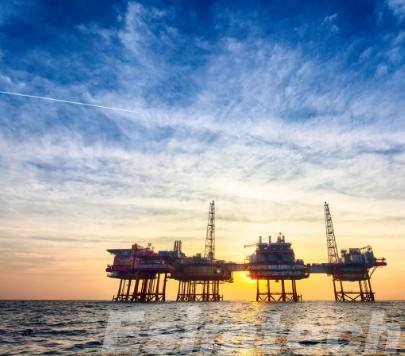
Evolving Landscape of Oil Production
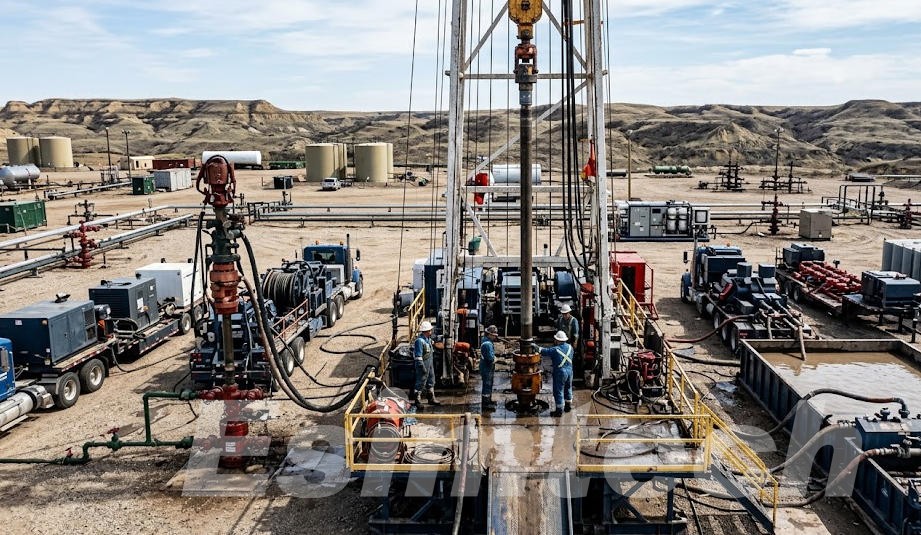
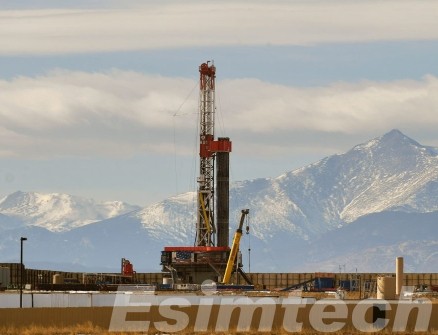
The oil production process has undergone major changes during the recent decades. Operators have begun to explore deepwater fields and ultra-deep reservoirs and shale formations because easily accessible reserves are now disappearing. The current situation requires extraction teams to use advanced methods while their equipment needs significant technological updates.
The operational priorities of the business sector now undergoe transformation because of two factors which include changing oil prices and rising environmental protection demands. Producers face new challenges because they must achieve profit goals while following stricter regulations and the worldwide trend toward environmentally friendly energy solutions.
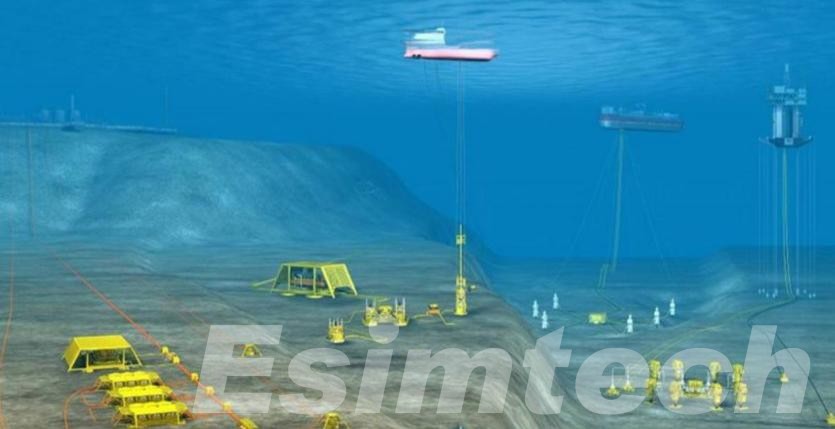
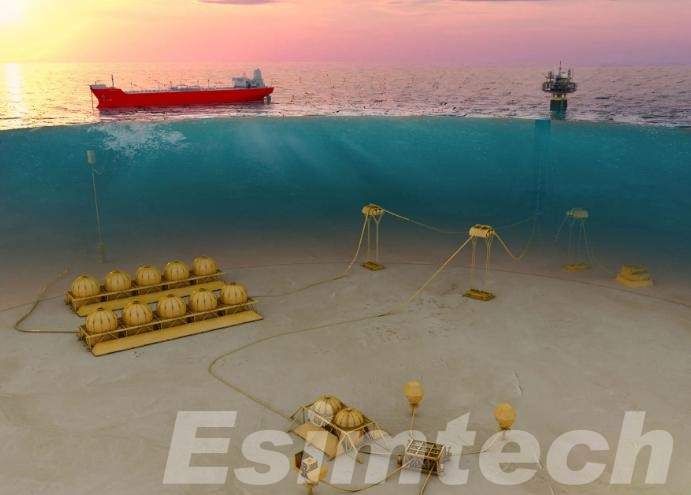
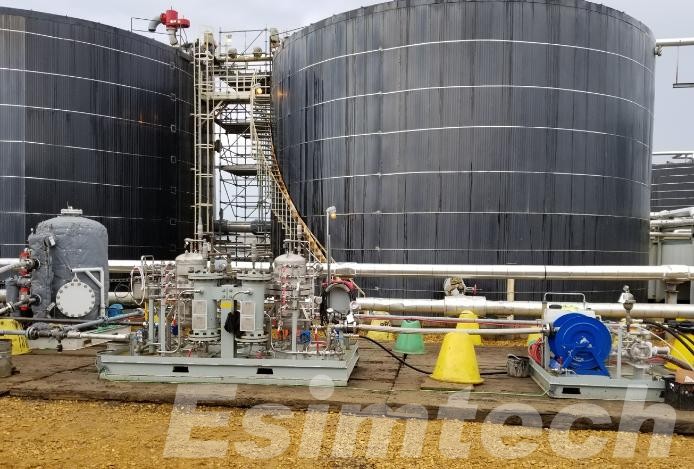
Subsea Oil Production System
Key Challenges in Oil Production
| Challenge | Description | Impact on Operations |
| Reservoir Complexity | Heterogeneous formations, pressure decline, and unpredictable flow behavior | Reduced recovery rates and inefficient extraction |
| Declining Production in Mature Fields | Aging reservoirs with decreasing natural pressure and output | Lower production efficiency and increased operating costs |
| High Operational Costs | Expensive exploration and production, especially in deepwater or remote areas | Reduced profitability and higher capital investment risks |
| Environmental Regulations | Strict rules on emissions, water use, and waste management | Increased compliance costs and operational constraints |
| Safety Risks | Hazardous working conditions in drilling, production, and transportation | Potential accidents, downtime, and legal liabilities |
| Data Management Challenges | Large volumes of data from sensors and monitoring systems | Difficulty in extracting actionable insights |
| Infrastructure Limitations | Aging pipelines, storage, and transport systems | Bottlenecks, leaks, and inefficiencies |
| Geopolitical and Market Volatility | Political instability and fluctuating oil prices | Uncertain investment environment and revenue fluctuations |
Technological Innovations Transforming Oil Production
Modern technologies are not only improving oil production capabilities but also reshaping how oilfields are managed and optimized.
1. Advanced Drilling and Well Construction Technologies
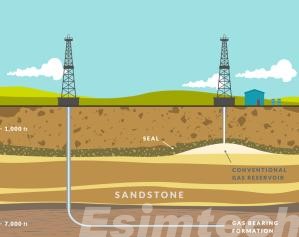
While conventional vertical drilling reigned supreme for decades, improvements have been made in its advancement with the arrival of horizontal and directional drilling technologies, already in use in experimental settings, which allow operators to reach further targets in ways hitherto not feasible. Such drilling and reservoir monitoring systems serve for the assessment of structural and stratigraphic deposition geometrical features, which, in turn, is expected to lead to faster oil production. Organizations realize that those are hugely and predictably costly drilling services.
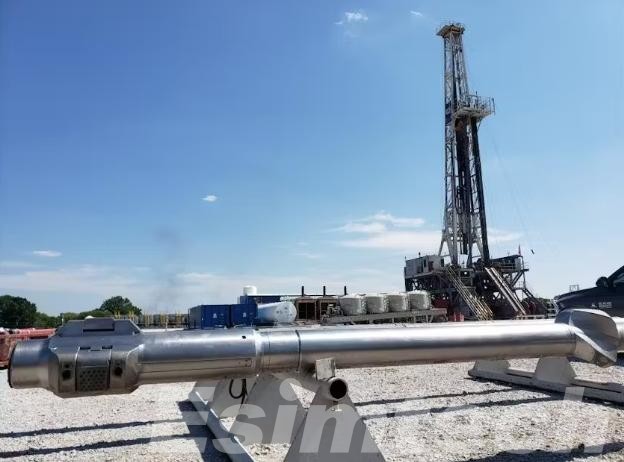
Rotary steerable systems and real-time drilling analytics further enhance precision, enabling operators to adjust drilling paths dynamically. This reduces non-productive time and minimizes the risk of costly errors, especially in complex geological formations.
2 . Hydraulic Fracturing and Reservoir Stimulation
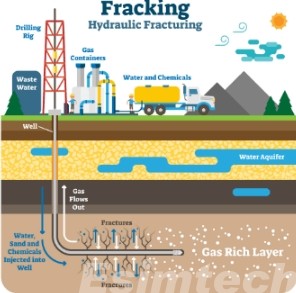
New technologies brought about by fracking are changing the way oil is recovered. Hydraulic fracturing, particularly, has been seen in the past few years as a mighty breakthrough in the oil game for most unconventional reservoirs, including Jugga (shale). Fractures are opened in rocks by these fluids, thus creating pathways that facilitate the smoother flow of hydrocarbons.
Fracturing fluid, type of proppant, and the procedure of developing the fracture network are some crucial design elements which add to the economic benefits of the oil-services company and do not harm the environment. With the help of state-of-the-art design tools, operators produce fracture networks that deliver more efficient stimulation and output, with minimal usage of a rare resource.
3. Enhanced Oil Recovery (EOR) Techniques
The contributing factor in utilizing enhanced oil recovery technology is that oil fields mature; hence, their productive lifespan is extended. Gas injection, water flooding, chemical flooding, and thermal recovery stimulation can carry out and mobilize trapped oil that wouldn’t have been removed from primary or secondary methods.
New enhanced oil recovery methods constitute such interesting smart chemicals as nanotechnology along with efficient delivery systems that ensure increased hydrocarbon recovery rates, thus rending commercially viable the extraction of oil from already depleted reservoirs.
4. Digitalization and Data-Driven Operations
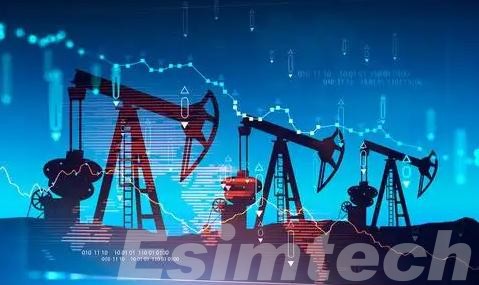
A sensor-driven oilfield that incubates oil production within an environment where data science ingests massive algorithms. This means automated collection of data from wells, pipelines, and equipment to ensure continuous performance monitoring and decision-making.
Big data analytics tools are being rolled out at scale for driving trend identification, optimizing production parameters, and removing inefficiency. This predictive approach of analysis is aimed at enhancing productivity while reducing operational costs.
5. Artificial Intelligence and Machine Learning Applications
Technology coupled with AI and Machine Learning is playing a significant role, refining strategies for crude production. These technologies scrutinize various datasets for predicting equipment failure, by tuning drilling configurations, to a refined reservoir management.
Models empowered with AI will ascertain active zones in the reservoir and give recommendations for the best extraction methods. This enhances productivity while reducing waste and increasing the fullness of the operation thereby supporting the extended service to the world.
6. Automation and Remote Operations
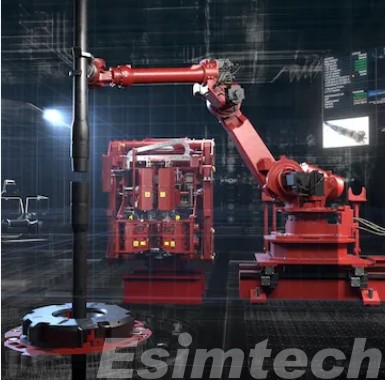
Undoubtedly, automation, especially in the zone of remote and hazardous settings, is changing processes among oilfields. Automated drilling systems, inspection robots, and remote monitoring systems are interventions reducing exposure of people to risk by allowing the technology to take the human-decision-making out of high-risk spots.
Consequently, operators at control centers are provided with state-of-the-art visualization tools for performing oversight roles over multiple sites that do not otherwise require moving from a single location. This set-up could be defendant in decreasing the operational threats to the worker and his/her costs and meanwhile also enhancing operational consistency.
7. Smart Sensors and the Internet of Things (IoT)
When smart sensors and IoT are in use, the instrumented data is generated across the realms of the oil production operations. These sensors provide data on pressure, temperature, flow rates, and the performance of equipment, as it is happening.
When these field sensors are connected into centralized systems, various operators enjoy the early, timely warning of an anomaly in time to prevent machinery from failing and interrupting the production process. Such transparent design is crucial to smoothly-operated sustainable processes.
8. Environmental and Sustainability Technologies
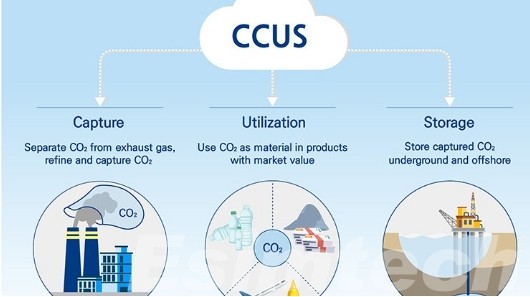
One of the focus areas of technological innovation in this drive for environmental responsibility is the management pathways for reducing ecological footprints consequent on oil production. To capture and store carbon emissions, Carbon Capture, Utilization and Storage (CCUS) processes are being weaned into hatchling.
Modern sensors, highly sophisticated satellite solutions, and the newest detection methods are all currently the supreme tools on the market. Capable of detecting methane leaks with frightening efficacy, these technologies raise the flag of detection long before big methane leaks stop production. As technologies, water treatment and recycling are also increasing. They reduce the consumption of fresh water. Moreover, the environmentally harmful effects of operations can be mitigated.
9. Digital Twin and Simulation Technologies
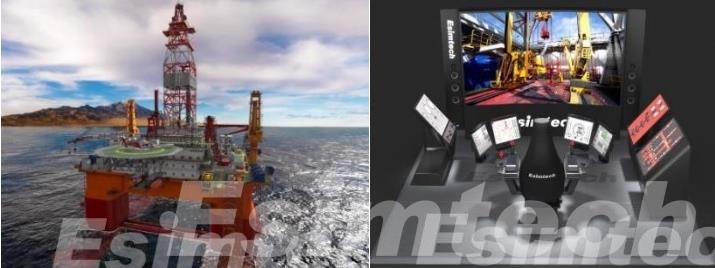
Digital twin and simulation technology is emerging as a powerful tool in oil production, which can simulate different scenarios and optimize overall performance.
| Technology | Description | Key Applications | Benefits to Oil Production |
| Reservoir Simulation | Models subsurface reservoirs to predict fluid flow and pressure behavior. | Reservoir management, production forecasting, enhanced oil recovery (EOR) planning. | Improved recovery rates, optimized production strategies, reduced uncertainty. |
| Drilling Simulation | Simulates drilling operations and wellbore behavior under various conditions. | Well planning, drill string design, training for drilling operations. | Reduced drilling risks, minimized non-productive time, improved safety. |
| Production System Simulation | Analyzes surface facilities and flow systems from wellhead to processing units. | Pipeline design, flow assurance, facility optimization. | Enhanced system efficiency, reduced bottlenecks, improved flow management. |
| Digital Twin Technology | Creates real-time virtual replicas of physical assets and operations. | Predictive maintenance, performance monitoring, operational optimization. | Reduced downtime, proactive issue detection, improved asset lifecycle management. |
| Hydraulic Fracturing Simulation | Models fracture propagation and fluid behavior in unconventional reservoirs. | Fracture design, proppant distribution analysis, stimulation optimization. | Increased extraction efficiency, reduced resource waste, better fracture control. |
| Geomechanical Simulation | Studies rock behavior under stress and pressure changes. | Wellbore stability analysis, sand production prediction, reservoir integrity assessment. | Improved well stability, reduced failure risks, enhanced safety. |
| Process Simulation | Simulates refining and processing operations in oil production facilities. | Equipment design, process optimization, energy efficiency analysis. | Lower operational costs, improved process efficiency, reduced energy consumption. |
| Flow Assurance Simulation | Predicts flow issues such as wax deposition, hydrates, or scaling. | Pipeline operation, subsea systems, thermal management. | Prevention of blockages, improved flow reliability, reduced maintenance costs. |
| Environmental Simulation | Models environmental impact of oil production activities. | Spill response planning, emissions analysis, environmental risk assessment. | Enhanced compliance, reduced environmental risks, better contingency planning. |
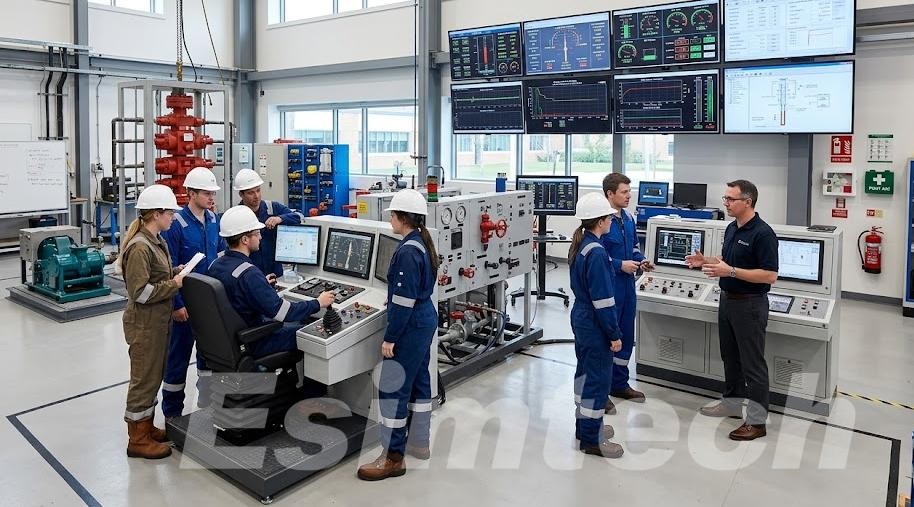
| Oil Training Simulators | Virtual platforms for training operators in realistic scenarios. | Safety training, emergency response drills, operational skill development. | Improved workforce competence, reduced human error, enhanced safety performance. |
Final Thoughts
Oil production is poised very precisely in the precarious dichotomy of a landscape. Complex issues demand innovative solutions for oil production. From reservoir complexity and declining output to environmental pressures and safety, the industry must adapt. By embracing advanced technologies and sustainable practices, the oil producers can enhance efficiency, reduce environmental impact, and ensure a coveted place in the future’s energy landscape.