How to Prevent Failure in Oil Drilling Equipment

Written By: Computer Science Professor
Deeply rooted in the R&D of simulators for the oil and gas industry, committed to bringing safety to every oil worker.
The oil drilling process stands as one of the most difficult industrial tasks because it requires operators to handle extreme conditions which include high-pressure systems and extreme temperatures and corrosive environments and ongoing mechanical force. Equipment failure that happen in these extreme environments result in expensive operational halts and environmental threats and critical security dangers. The oi industry needs to establish effective strategies for preventing oil drilling equipment failure because they help maintain operational performance while securing worker protection and asset defense.
Understanding the Basics of Oil Drilling Equipment
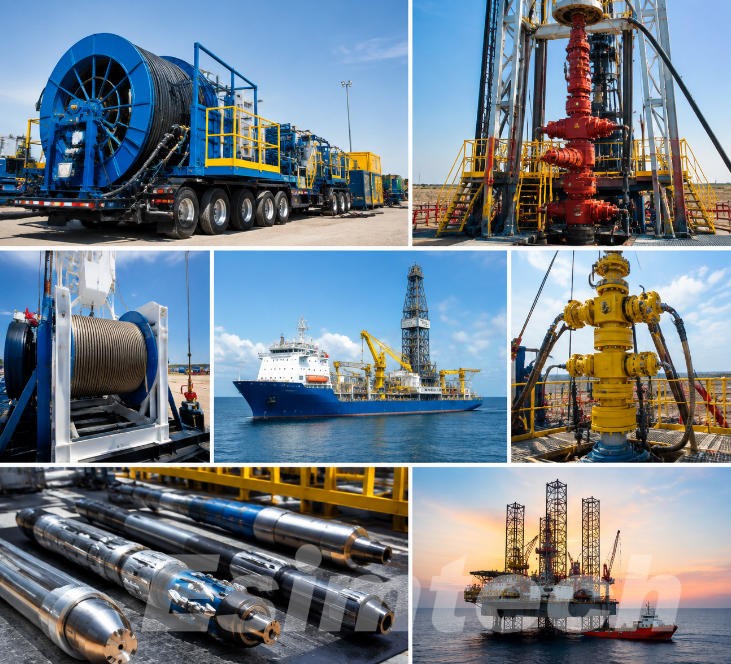
Oil drilling equipment represents the distinct machinery and tools which operators use to search for and retrieve and oversee oil and gas resources that exist within underground deposits. The system consists of drilling rigs and drill bits and drill strings and mud pumps and blowout preventers and well control systems which function together to create an underground path that leads to hydrocarbon deposits. The system enables physical drilling operations while maintaining operational safety and efficiency and environmental safety standards. The advanced oil drilling equipment uses automatic systems and real-time system monitoring and digital technology systems to enhance operational performance while decreasing the chances of equipment malfunction during drilling activities.
Understanding the Causes of Oil Drilling Equipment Failure
Effective prevention begins with identifying the root causes of equipment failure. In oil drilling systems, failures often result from a combination of mechanical, environmental, and operational factors.
| Specific Cause | Description | Impact on Equipment |
| Fatigue Failure | Repeated cyclic loading leads to crack initiation and propagation | Sudden fracture of drill strings, shafts, etc. |
| Wear and Abrasion | Continuous contact with solids and drilling fluids causes material loss | Reduced efficiency, component thinning |
| Overloading | Operating beyond design limits | Deformation, breakage |
| Corrosion | Chemical reactions with fluids (e.g., saltwater, H₂S, CO₂) | Material degradation, leaks |
| High Temperature and Pressure | Extreme downhole conditions affect material properties | Loss of strength, thermal expansion damage |
| Erosion | High-velocity fluids carrying particles erode surfaces | Surface damage, reduced lifespan |
| Improper Parameter Settings | Incorrect WOB, RPM, or fluid properties | Accelerated wear, instability |
| Human Error | Incorrect handling, misjudgment, or lack of experience | Equipment misuse, unexpected failures |
| Inadequate Maintenance | Lack of routine inspection and servicing | Undetected faults leading to failure |
| Delayed Replacement of Parts | Continued use of worn or damaged components | Chain failures, system breakdown |
| Poor Material Quality | Use of substandard or unsuitable materials | Premature failure under stress |
| Design Flaws | Inadequate engineering or incorrect assumptions | Repeated failures in specific components |
| Incompatibility Between Components | Mismatch in system design or specifications | Inefficiency, stress concentration |
| Sensor or Monitoring Failure | Faulty or inaccurate data from monitoring systems | Missed early warning signs |
| Harsh Operating Environment Variability | Unexpected geological or environmental changes | Sudden stress spikes, unpredictable failures |
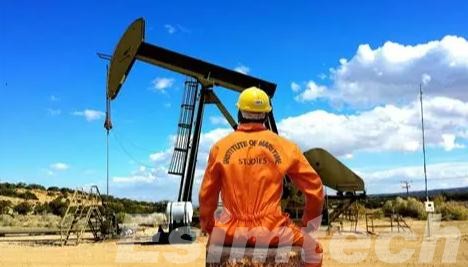
Effective Strategies for Preventing Oil Drilling Equipment Failure
A well-structured strategy for preventing oil drilling equipment failure does not rely on a single solution but instead integrates maintenance practices, engineering improvements, operational discipline and advanced technologies.
1. Robust Equipment Design
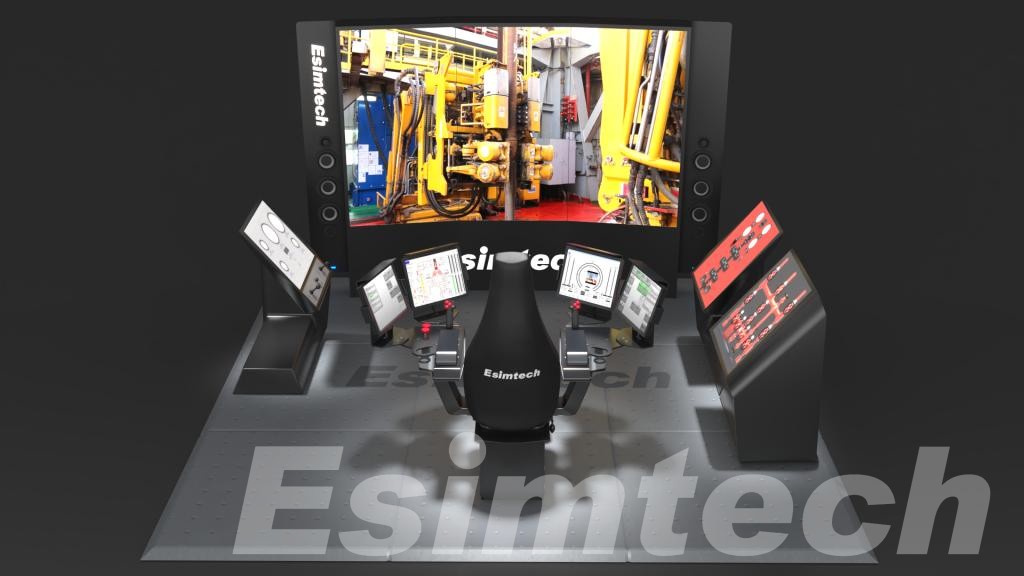
In asking for a well-designed equipment, their engineering tricks that it can march through the demands of drilling right into the drilling control room by working a properly fabricated safety factor, allowing yourself some latitude with critical-system redundancy, and seamlessly integrating all components. With the use of sophisticated drilling equipment simulators, engineers can verify the design under truly real-world conditions; easily scrutinize the design on stress levels of components, variations in thermal effects, and location of probable origins of failure if any prior to deploying. It is clear that where the weaknesses are dealt with at the initiation stage, failure potential during service can be substantially decreased.
2. Leveraging Predictive Maintenance and Real-time Monitoring
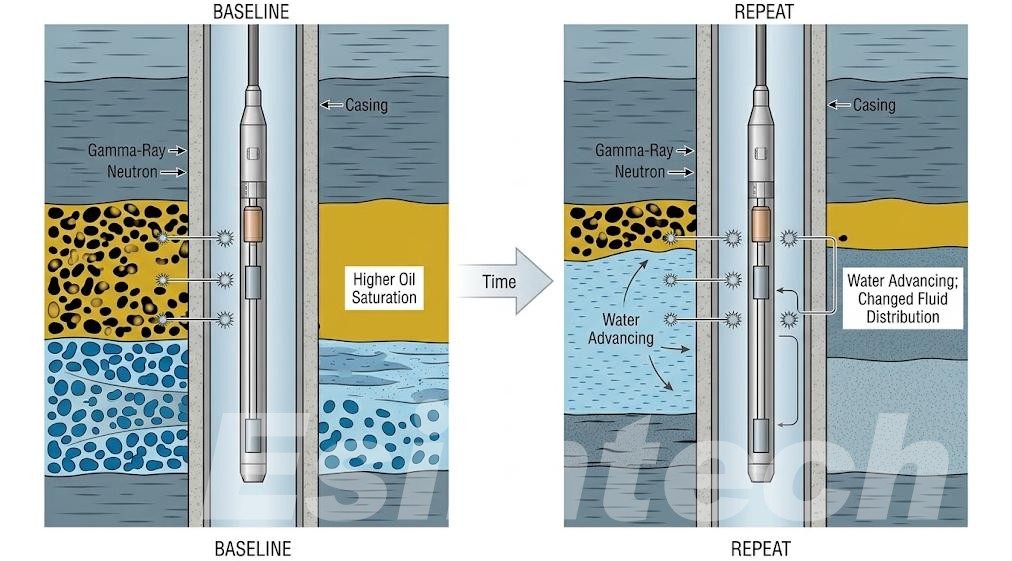
To enhance the reliability of equipment used in modern oil drilling operations, predictive maintenance has become a critical tool. Vibration, temperature, and pressure can now be scanned continuously by embedded sensors mounted on critical components, and these data can be processed in order to detect any deviation which might hint the presence of a fault. Hence, under these circumstances, instead of waiting for a fault to manifest itself, the phase of reliability-centered maintenance becomes the key factor for decision making. This system actually lessens unplanned downtime and assures timely and cost-effective interventions.
3. Optimizing Material Selection and Surface Protection
Materials performance is crucial in avoiding equipment failure. Thus, components that are exposed to corrosive fluids and mechanical wear must be of material from whose properties integrity is not diminished under stress. High strength alloys, corrosion resistance steels, Advanced composites, and the likes are some materials used for long life. Therefore, surface treatments such as coatings and hardening processes are applied to give protection against erosion and corrosion. This selection of right materials thereby increases the life of the equipment and reduces the frequency of maintenance.
4. Enhancing Inspection and Preventive Maintenance Practices
Routine inspection is vital to preclude failure. Nondestructive testing techniques provide a means for detecting internal defects such as cracks or voids without damaging the subject component. Regular maintenance schedules guarantee that worn parts are replaced before they reach critical failure levels. Attention to details like the lubrication, alignment, and calibration further enhances equipment’s optimal performance. These overall systems serve as the reproductive organs of operational reliability.
5. Maintain Optimal Operation Conditions
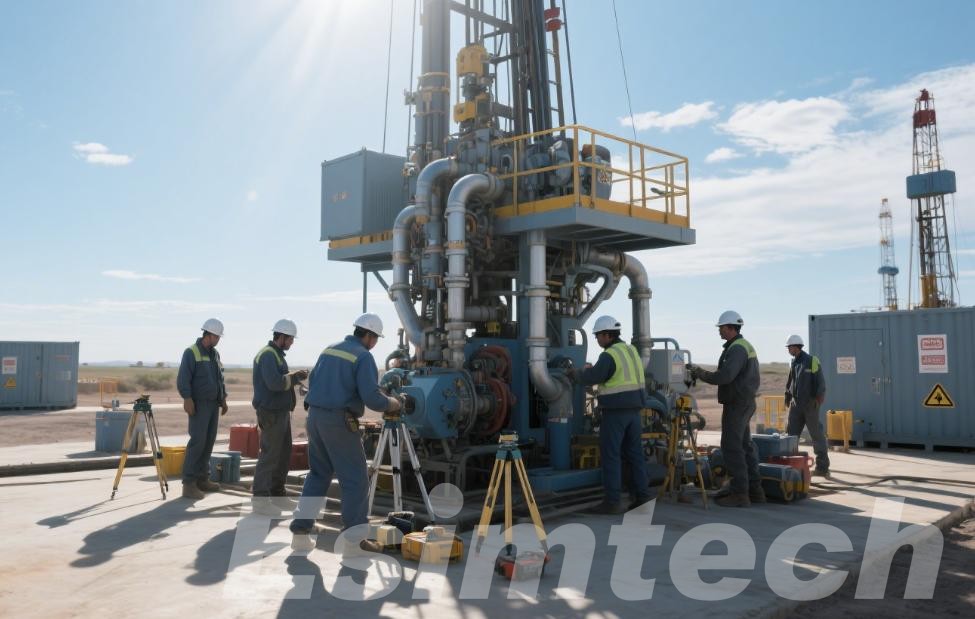
Machine health is in and of itself dependent on operational parameters. Load, speed, and mud properties will have to be carefully monitored to ensure less or below specified stress levels. Machine breakdown can be easily aggravated by operation outside the recommended parameters, leading to operator fatigue and fatigue in the long term. Automated drilling systems will reduce such risks by adjusting accordingly as changes in the real-time data occur. This will help by causing fewer errors by the operator, thus ensuring consistent performance.
6. Strengthening Workforce Competence and Safety Culture
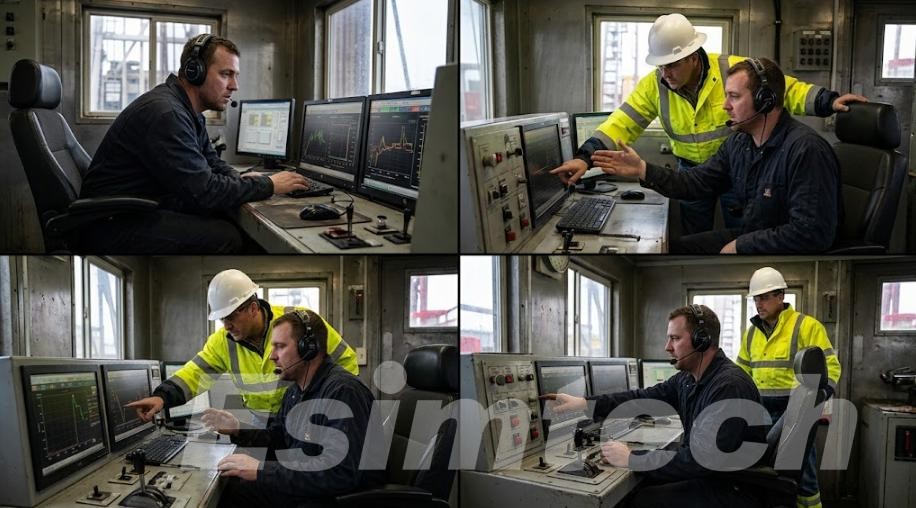
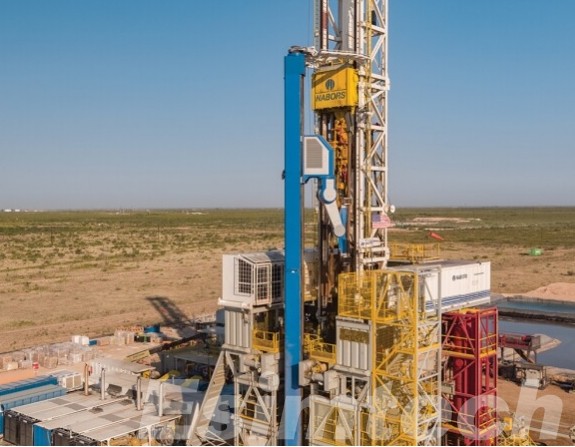
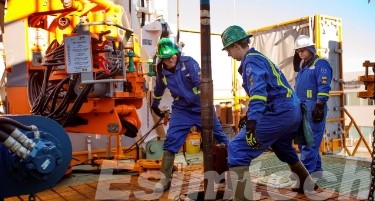
Human expertise is of paramount importance in preventing equipment failure. Knowing what to look for and how to interpret cause-and-effect indicators can enable experienced operators to react effectively under abnormal conditions. The idea of getting full blown training across a wide range of equipment teaches the workforce the expected behavior of their equipment and its operational limits, and trains the individual about safety procedures in terms of potential hazards. Thus, the great extent of the safety culture in place enforces best practices and slightly discourages negligence or mental oversight.
7. Integrating Digital Technologies and Smart Systems
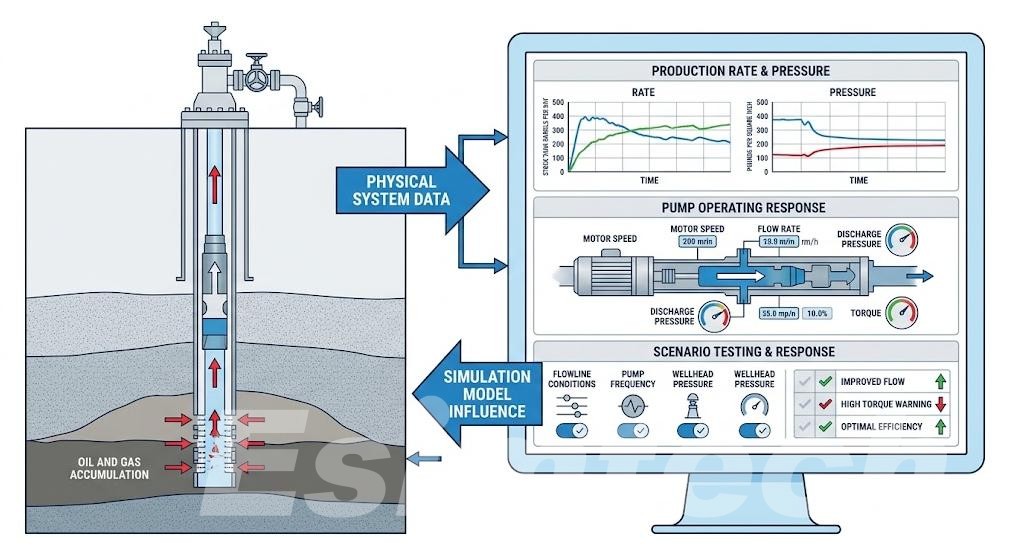
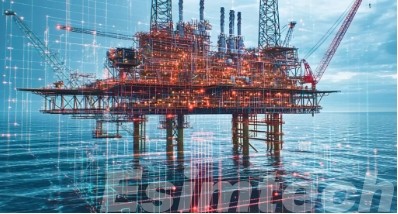
A strong point of the digital transformation of the oil and gas industry is that it creates tools that help to prevent equipment failure. The implementation of IoT, real-time data analytics, and digital twin technologies work in tracking the performance of equipment with the goal of getting better diagnosis.
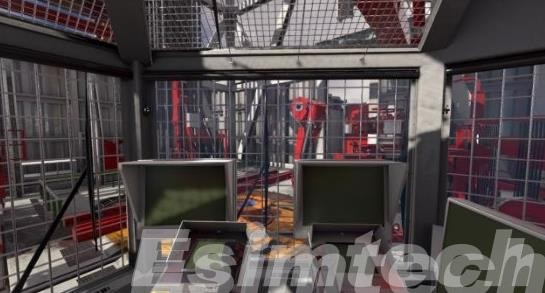
8. Using Simulation Technologies
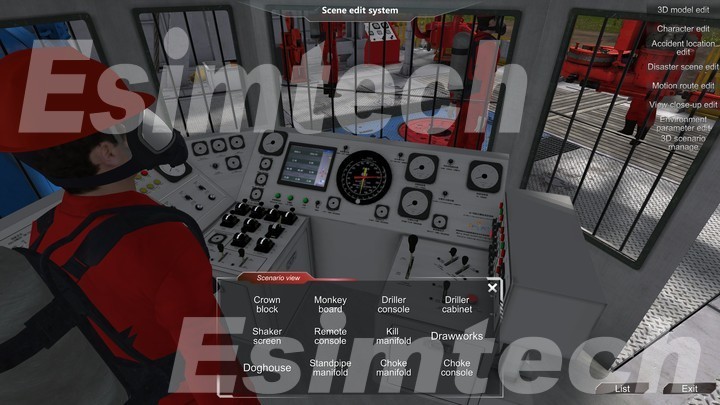
Various oil simulation technologies are adopted for preventing drilling equipment failure.
| Simulation Technology | Principle / Methodology | Key Application in Drilling Equipment | Failure Prevention Benefit |
| Finite Element Analysis (FEA) | Numerical analysis of stress, strain, and deformation | Drill strings, casings, wellhead components | Identifies stress concentration and structural weaknesses |
| Computational Fluid Dynamics (CFD) | Simulation of fluid flow, pressure, and heat transfer | Drilling fluids, mud circulation systems, hydraulics | Optimizes flow to reduce erosion, overheating, and pressure loss |
| Digital Twin Technology | Real-time virtual replica of physical equipment | Entire drilling systems, rigs, rotating equipment | Enables real-time monitoring and predictive failure analysis |
| Multiphysics Simulation | Coupled analysis of mechanical, thermal, and fluid effects | Downhole tools, drilling assemblies | Captures complex interactions causing failure |
| Fatigue and Fracture Simulation | Modeling crack initiation and propagation under cyclic loads | Drill pipes, connectors, rotating parts | Predicts fatigue life and prevents sudden breakage |
| Reservoir Simulation | Modeling subsurface pressure, temperature, and fluid behavior | Wellbore stability, formation interaction | Prevents collapse, blowouts, and equipment stress |
| Dynamic System Simulation | Time-dependent modeling of system motion and vibration | Drill string dynamics, top drive systems | Reduces vibration-induced damage and resonance failures |
| Thermal Simulation | Heat transfer and temperature distribution modeling | Downhole tools, electronics, drilling fluids | Prevents overheating and thermal degradation |
| Erosion and Corrosion Modeling | Predictive modeling of material loss due to environment | Pipelines, mud pumps, valves | Helps select materials and coatings to extend lifespan |
| Drilling Emergency Simulation | Probabilistic modeling of failure scenarios | Entire drilling operation systems | Assesses failure probability and supports risk mitigation |
9. Implementing Lifecycle and Asset Integrity Management
Effective oil drilling equipment failure prevention requires a long-term perspective that considers the entire lifecycle of equipment. Tracking performance data over time helps identify patterns of degradation and predict when components will require replacement. Asset integrity management systems ensure that equipment remains fit for purpose throughout its service life. By planning maintenance and upgrades strategically, operators can avoid unexpected failures and extend the useful life of their assets.
Challenges and Potential Solutions in Preventing Oil Drilling Equipment Failure
| Challenge | Description | Impact on Failure Prevention | Potential Solution |
| Extreme Temperature and Pressure | Harsh downhole environments affect material strength and performance | Limits reliability of materials and sensors | Use high-performance materials and robust sensor designs |
| Corrosive and Sour Environments | Presence of H₂S, CO₂, and saltwater accelerates corrosion | Increases risk of hidden damage and sudden failure | Corrosion-resistant alloys, coatings, inhibitors |
| High Mechanical Stress and Fatigue | Continuous cyclic loads on rotating and structural components | Difficult to predict fatigue life accurately | Advanced fatigue modeling and real-time monitoring |
| Vibration and Shock Loads | Drill string dynamics create unpredictable vibrations | Causes wear, loosening, and structural damage | Vibration control tools and dynamic simulation |
| Human Error | Incorrect operation or delayed response to anomalies | Reduces effectiveness of preventive strategies | Training, automation, and standardized procedures |
| Variable Operating Conditions | Changing geology and drilling parameters | Makes it hard to maintain optimal operating conditions | Adaptive control systems and real-time optimization |
| Inadequate Inspection Accessibility | Downhole equipment is difficult to access for inspection | Hidden defects may go undetected | Remote monitoring and non-destructive testing technologies |
| Irregular Maintenance Practices | Inconsistent or delayed maintenance schedules | Increases likelihood of unexpected failures | Implement predictive and preventive maintenance systems |
| Sensor Reliability Issues | Sensors may fail or provide inaccurate data in harsh environments | Leads to missed early warning signs | Redundant systems and frequent calibration |
| Data Integration and Analysis Complexity | Large volumes of data from multiple systems | Difficulty in extracting actionable insights | Advanced analytics and integrated digital platforms |
| High Implementation Costs | Advanced monitoring and simulation technologies are expensive | Limits adoption of preventive solutions | Cost-benefit analysis and phased technology implementation |
| Aging Equipment | Older systems lack modern monitoring and design improvements | Higher failure probability and limited upgrade compatibility | Retrofit solutions and lifecycle management |
| Strict Compliance Requirements | Need to meet safety and environmental regulations | Adds complexity to maintenance and operations | Integrated compliance management systems |
| Unpredictable Geological Conditions | Sudden formation changes or unexpected pressures | Increases risk of sudden equipment stress | Real-time data monitoring and adaptive drilling strategies |
Summary
Preventing failure in oil drilling equipment requires a comprehensive approach that combines encompassing high-end technology, top-quality materials, good maintenance practices and well-trained personnel. Adoption of predictive maintenance, optimization of operations and a high level of use of every digital advantage is the way forward for companies to enhance productivity by linking efficiency and simultaneously imagining reduced risks to their drilling solutions.