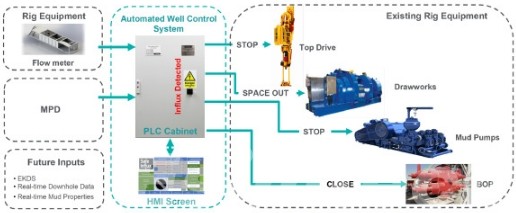
How to Choose an Oil and Gas Simulation Training System: A Practical Guide for Companies and Institutions
As the oil and gas industry increasingly demands higher standards for safety production, operational norms, and efficiency improvement, the traditional "master-mentee" training method has become inadequate for complex working conditions and high-risk scenarios. The oil and gas simulation training system, with its highly realistic process models and the ability to conduct repeated training and simulate accident scenarios, is becoming an important training tool for enterprises and educational institutions.
However, there is a wide variety of simulation systems on the market, with significant differences in their functions. How to select the right system has become a core concern for many managers and training directors. This article will systematically analyze the key points for selecting an oil and gas simulation training system from multiple dimensions such as training objectives, technical capabilities, application scope, and long-term value.
Define Your Training Objectives Before Selecting a Simulation System
Before purchasing the simulation training system, enterprises and institutions need to first clarify which problems they wish to solve.
For oil and gas enterprises, common goals include enhancing the operational proficiency of front-line staff, strengthening safety awareness, reducing the incidence of accidents, minimizing non-productive time (NPT), and accelerating the growth cycle of new employees. While for educational institutions and training centers, they are more concerned about whether the system can support course teaching, experimental training, and multi-position comprehensive training.
If the system is mainly used for safety and emergency drills, it needs to have a rich ability to simulate accident scenarios; if it leans towards process and technical training, it requires higher precision process models and parameter control functions. The clearer the goals, the easier it is to select the appropriate system that matches the actual needs.
Simulation Accuracy and Realism as the Core Selection Criteria
The core value of the oil and gas simulation training system lies in "reliability".
High-quality systems are usually constructed based on mature physical models and process algorithms, and can accurately reflect changes in wellbore pressure, fluid flow behavior, equipment response logic, and chain reactions under complex conditions. During the operation process, any parameter adjustment or operational error by the trainees will trigger results similar to those in the real field.
In addition, whether the system supports multiple operating states is also important, including normal production processes, equipment failure situations, and extreme accident scenarios. Through continuous switching of operating conditions for training, trainees can comprehensively master the response capabilities in complex environments, rather than just standard operations under ideal conditions.

Coverage of the Oil and Gas Operational Lifecycle
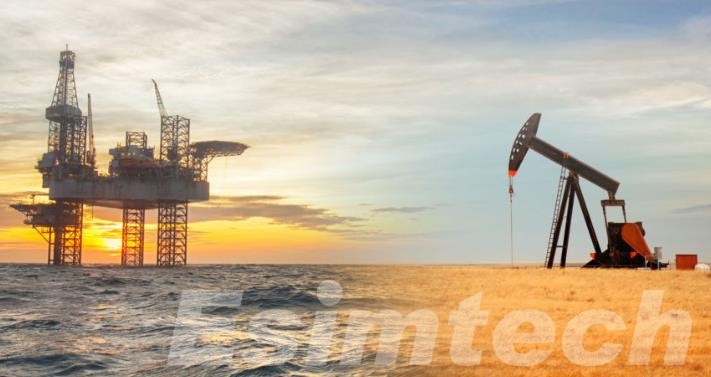
Oil and gas production involves multiple stages, from drilling, well completion to production and transportation. Each stage has different operational risks and technical requirements.
An ideal simulation training system should be able to cover the entire life cycle of oil and gas, including:
drilling and well control operation training, well completion and well repair operations procedures, simulation of oil and gas production processes, pipeline transportation and station operation management, as well as emergency response drills for accidents.
Modular design is particularly important in practical applications. Enterprises can prioritize the deployment of core modules based on current needs and gradually expand later, which not only controls the initial investment cost but also ensures the long-term applicability of the system.
Training Methods and User Interaction Experience
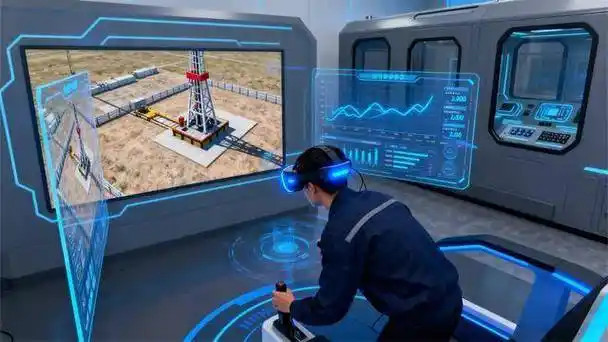
The current mainstream oil and gas simulation training systems can be roughly classified into desktop simulations, VR immersive simulations, and a combined hybrid mode.
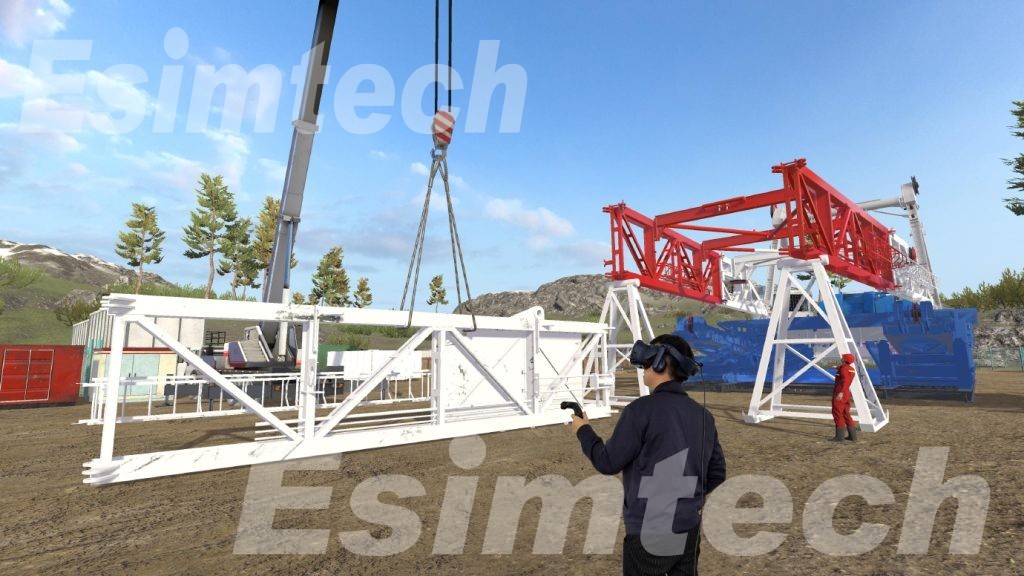
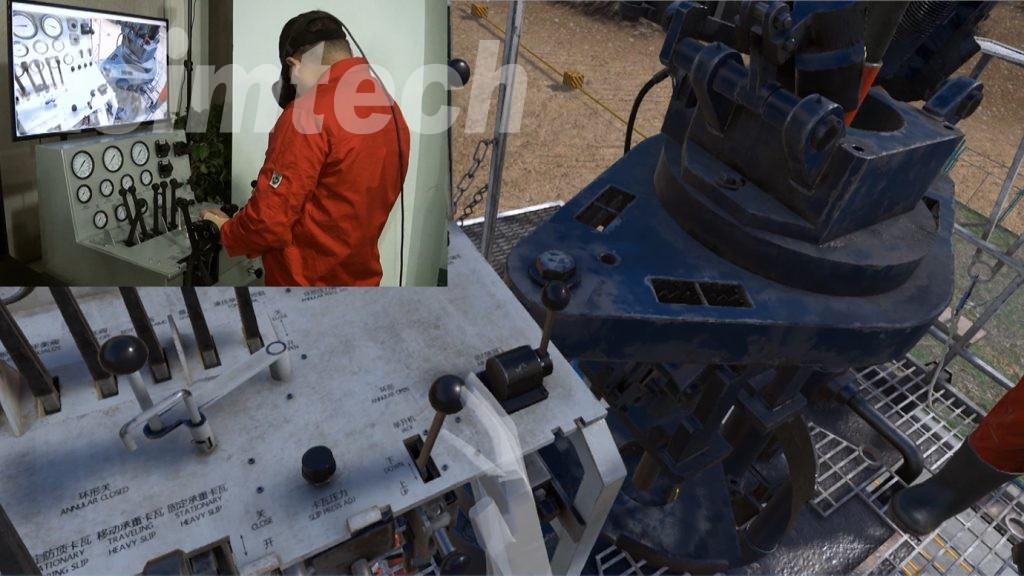
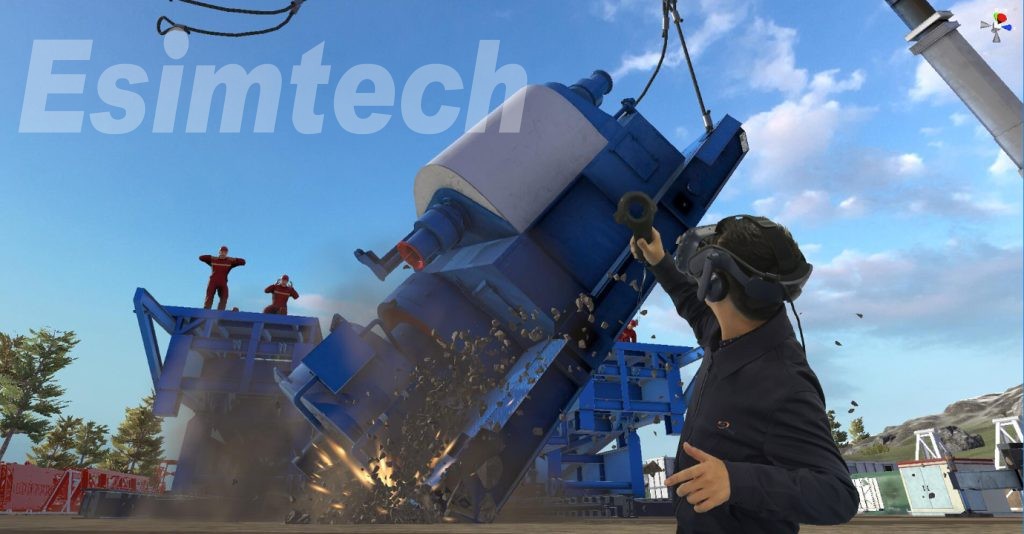
Desktop simulations usually focus more on process flow and parameter operation, and are suitable for technical training and teaching scenarios that combine theory with practice. VR simulations, through an immersive environment, reproduce the real site, and are more suitable for safety drills, emergency response, and high-risk operation training.
More and more enterprises are beginning to adopt hybrid training solutions, combining high-precision process simulations with VR scenario drills, which not only ensures technical depth but also enhances the learners' participation and memory effects.
In addition, whether the operation interface is consistent with the real equipment control system is also an important indicator for evaluating the system's professionalism. The operational logic that is close to the actual site can effectively shorten the learners' adaptation period from simulation to actual operation.
Performance Evaluation and Data Analytics Capabilities
An excellent oil and gas simulation training system is not only used for "practice", but also should have scientific evaluation functions.
The system needs to function automatically by recording all operational activities of trainees which includes their performance changes and all their errors and time taken for execution and complete test results. The data analysis process enables trainers to evaluate trainees' progress and performance level which helps to create effective training programs for their future development.
For enterprises, this quantitative evaluation mechanism helps to establish a standardized training system and improve the overall operational level.
System Stability, Scalability, and Technical Support
The oil and gas simulation training system usually requires long-term operation and continuous upgrading. Therefore, stability and the service capabilities of the supplier are of crucial importance.
When selecting the system, one should focus on whether it supports regular updates, whether it can adapt to new process flows or changes in industry standards, and whether it provides local technical support and customized development services.
A system that can continuously evolve can truly accompany the enterprise's development instead of being discarded after a short-term use.
Cost Investment and Long-Term Return on Value (ROI)
During the budget assessment stage, one should not only focus on the purchase price, but also conduct an analysis from the perspective of long-term benefits.
By using the simulation training system, enterprises can significantly reduce accident risks, minimize equipment damage, shorten the training period for employees, and enhance production efficiency. These indirect benefits are often much higher than the cost of the system itself.
Many oil and gas enterprises, after implementing the simulation training, can typically achieve a balance of investment returns within one to two years.
Practical Selection Recommendations for Different User Groups
| User types | Core training objectives | Key features of the recommendation system capabilities | Selection focus points |
| Oil and gas production enterprises | Enhance on-site operational capabilities, strengthen safety management, reduce accident rates and NPT | High-precision process model, multi-accident condition simulation, VR immersive safety drill, real-time data feedback | Simulation authenticity, system stability, scalable modules, technical support capability |
| Oilfield service companies | Standardized operation training, rapid adaptation of cross-project personnel to different working conditions | Multiple process scenario switching, rapid configuration of condition parameters, flexible training mode | Scenaristic flexibility, configuration efficiency, cross-business applicability |
| Colleges and training institutions | Teaching and training practice, course support, comprehensive skills development | Comprehensive modules, teaching mode support, scalable experimental scenarios | Ease of operation, teaching adaptability, system scalability |
| Safety training centers | Emergency drills, strengthening of accident handling capabilities | High-risk accident simulation, VR immersive experience, multi-role collaborative training | Scene authenticity, interactive experience, evaluation system |
| Internal training departments of enterprises | New employee onboarding training, skill improvement, capability assessment | Standard process training, operation record tracking, training data analysis | Evaluation function completeness, long-term maintenance support |
Conclusion
The oil and gas simulation training system has become an important tool for enhancing the safety level and technical capabilities of the industry. Scientific selection not only improves the training effect but also brings long-term operational value to the enterprise.
By clearly defining the training objectives, focusing on simulation accuracy, evaluating the business coverage, and emphasizing data analysis and service support, enterprises and institutions can more efficiently select the simulation training system that suits their own needs, laying a solid foundation for safe production and talent cultivation.