Modern Crude Oil Drilling Process and the Role of Simulation Technology

Written By: Computer Science Professor
Deeply rooted in the R&D of simulators for the oil and gas industry, committed to bringing safety to every oil worker.
In recent years, petroleum companies were forced to enhance their operational effectiveness, develop better safety management, and reduce environmental pollution. The development of drilling projects involving deeper and more complicated formations requires more than just a traditional workflow to comply with industry standards.
Current crude oil drilling processes make wide use of new technologies, including automation, monitoring, artificial intelligence, and simulations. They can be used to optimize the performance of operations and assist operators in making decisions at each stage of operations.
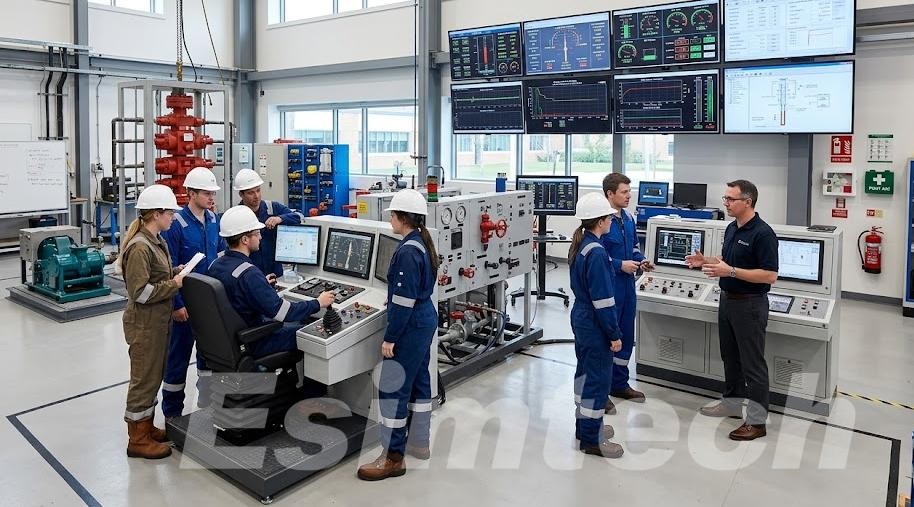
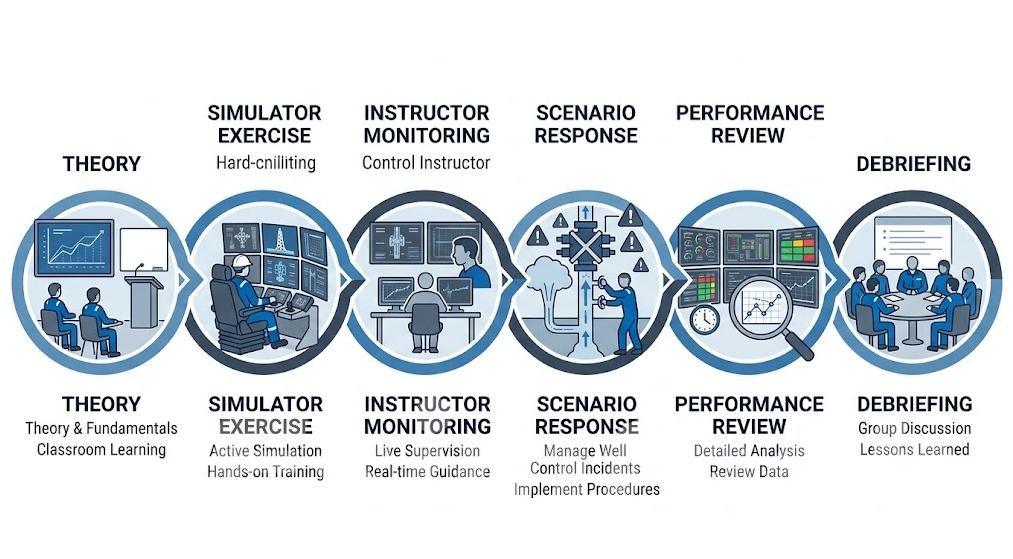
However, among the wide array of innovative solutions, the training simulator has become one of the most important ones for current oilfield drilling processes. It is now used to train crews, conduct well control exercises, and develop more effective production strategies through simulations.
This blog will explore the major stages of the modern crude oil drilling process and explain how simulation technologies are improving operational performance across the industry.
Oil Exploration and Reservoir Analysis
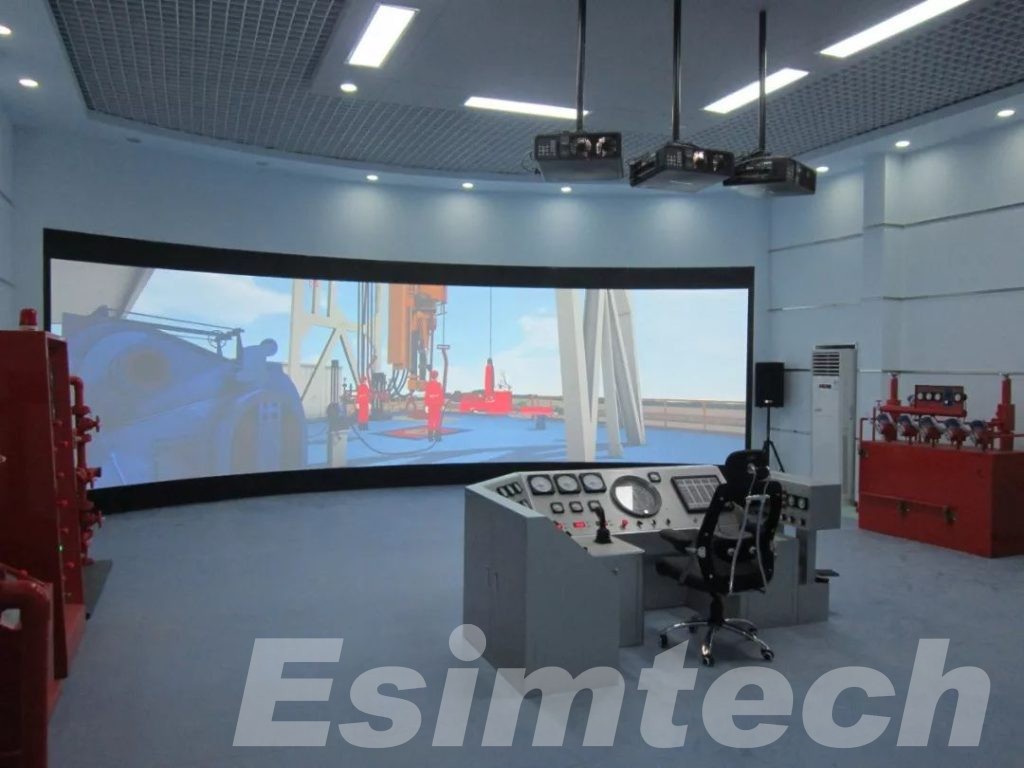
Before drilling, oil companies need to establish if there is any commercially viable hydrocarbon deposit in the underground formation. This step consists of geological research and reservoir assessment.
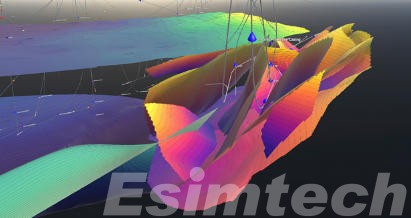
The exploration technologies of today exceed those of 10 years ago in complexity and efficiency. Modern 3D seismic imaging can enable geologists to get high-quality images of underground structures. On top of that, using artificial intelligence, it is easier to analyze big data sets.
Simulation tools are increasingly used during exploration to create digital reservoir models. Engineers use simulation software to test possible drilling pathways and estimate formation pressure.
Main Objectives of the Exploration Stage
- Detection of possible oil-bearing strata
- Reservoir size and structure analysis
- Decrease geologic uncertainty
- Assessment of drilling feasibility
- Increase chances for exploration success
This digital process will aid in making fast and informed investment decisions without wasting resources on needless drilling efforts.
Well Planning and Drilling Preparation
Following the confirmation of a drilling target, the process of well planning starts. Well design entails designing a drilling path, selecting drilling equipment, establishing drilling specifications, and preparing safety procedures.
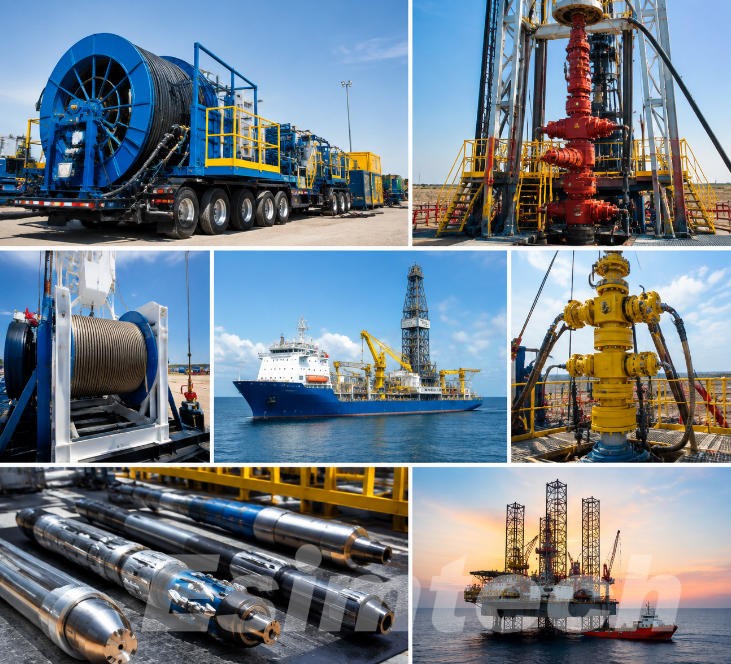
Contemporary wells are quite intricate. Directional and horizontal drilling practices are common for most offshore and shale oil wells because of their ability to ensure maximum contact with reservoirs.
In comparison with traditional vertical wells, contemporary wells demand extensive engineering calculations.
Key Elements of Well Planning
| Planning Area | Purpose |
| Well trajectory design | Optimize reservoir access |
| Drill string configuration | Improve drilling stability |
| Mud system selection | Control pressure and cool equipment |
| Casing design | Protect well integrity |
| Pressure prediction | Prevent kicks and blowouts |
The use of simulation technology is significant at this stage. Through drilling simulators, engineers get to simulate various scenarios before actual drilling commences. This minimizes uncertainties and allows for the discovery of any probable issues beforehand.
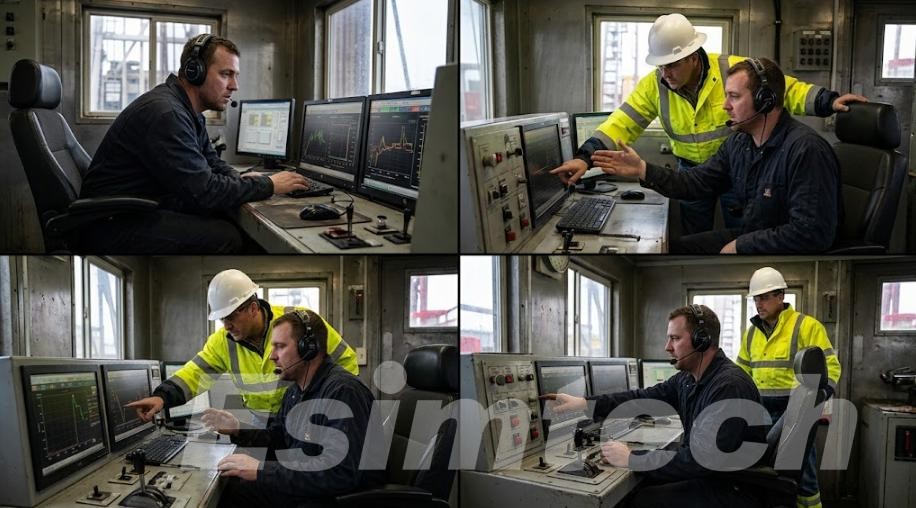
Drilling Training through simulation technology is popular in preparing the drilling team for the actual work. Operators learn how to respond in case of emergencies, handle equipment, and manage wells using simulation technology.
Drilling Operations and Real-Time Monitoring
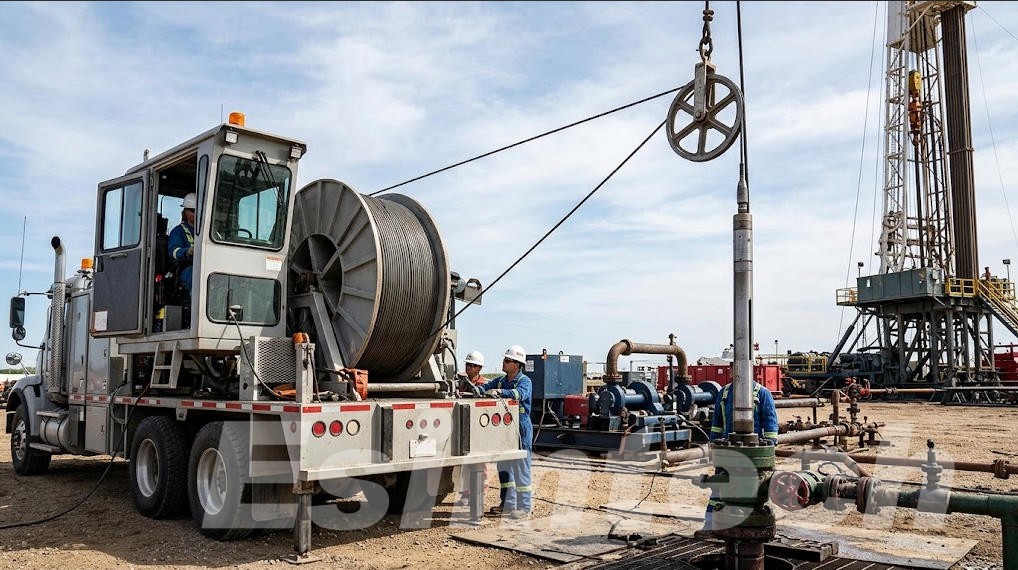
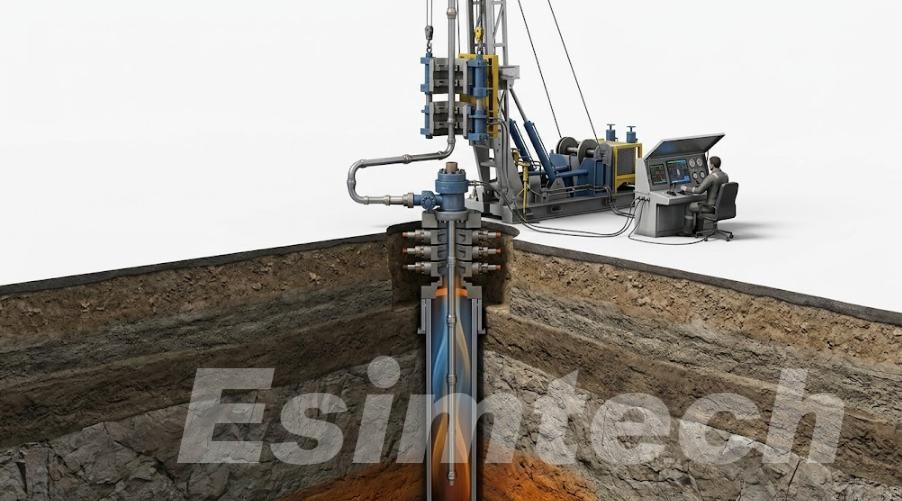
The drilling phase is the heart of the oil drilling process. In this phase, the drilling rig will drill the wellbore using the drill bit while pumping drilling fluid to keep the well stable.
In current drilling operations, there is a lot of information being generated in real-time. There are sensors placed around the entire drilling rig that collect information on:
- Pressure
- Temperature
- Torque
- Vibration
- Rate of penetration
- Mud circulation performance
All of this information allows engineers to track the drilling operation in real-time, allowing them to make changes to their operations in a timely manner.
A trend in the industry nowadays is automated drilling. Smart drilling systems are able to optimize their drilling operations based on the changes in the downhole environment.
How Simulation Supports Drilling Operations
| Simulation Application | Operational Benefit |
| Well control simulation | Improve emergency response capability |
| Blowout prevention training | Enhance operational safety |
| Managed pressure drilling analysis | Optimize pressure management |
| Equipment troubleshooting | Reduce operational downtime |
| Real-time drilling optimization | Improve drilling efficiency |
Instead of reacting only after problems occur, operators can now simulate “what-if” scenarios and take preventive action earlier.
Well Completion and Production Preparation
Upon drilling to the target depth, completion commences. It is a process that enables the preparation of the well for the production of crude oil.
Amongst other tasks, the well completion process will involve such procedures as casing of the well, well cementing, perforation of production zones, and deployment of production equipment. Unconventional resources like the shales will require the application of hydraulic fracturing techniques and multi-stage well stimulation methods.
Modern-day completion systems are becoming smarter and smarter. Most completions today come equipped with downhole sensors that collect real-time production information.
The use of simulation technology assists engineers in designing completion methods. Using computer modeling, an engineer can be able to estimate fluid flows and production curves.
Digital Twins and Production Optimization
With the start of oil production, constant monitoring becomes critical. The modern oil field produces vast amounts of data on daily operations, and digital management becomes more vital.
One of the fastest-growing technologies in the oil and gas sector is the digital twin.
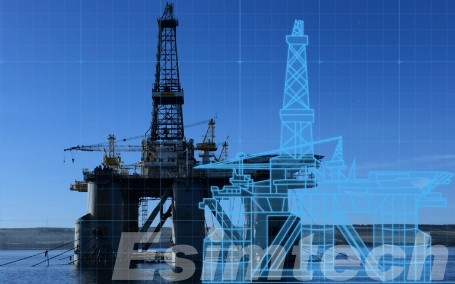
A digital twin refers to the virtual replica of actual machinery or process systems in real-time. By merging live sensor information with sophisticated simulations, a digital twin enables monitoring of machine status and performance prediction.
Common Applications of Digital Twins
| Application | Function |
| Predictive maintenance | Detect equipment issues early |
| Production optimization | Improve operational efficiency |
| Equipment health monitoring | Reduce unexpected failures |
| Remote operation support | Improve offshore management |
| Energy efficiency analysis | Lower operational costs |
Unlike the conventional monitoring system, the digital twin offers real-time data as opposed to static reports that are offered by the traditional system.
In light of increasing technical challenges in offshore and deepwater projects, it is anticipated that the digital twin technology will be even more crucial in future drilling processes.
Why Simulation Technology Is Becoming Essential?
Moreover, simulation technologies have evolved beyond the use for training operators. They are now a critical part of building digital oilfields.
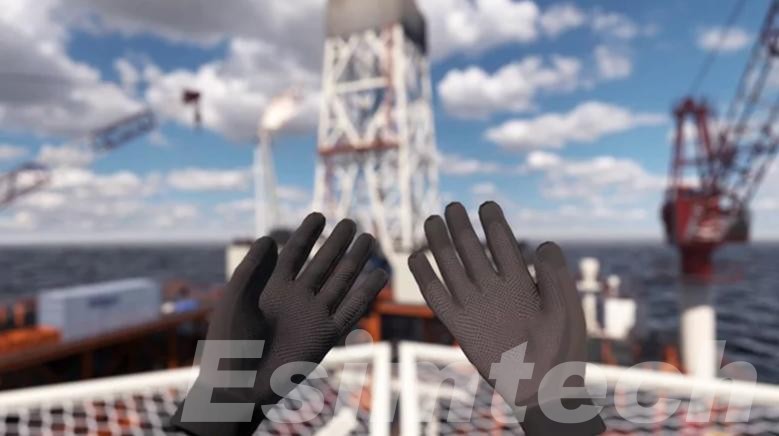
The latest generation of simulators integrates physical modeling, machine learning, and real-time operation data to build a very accurate virtual environment that can contribute to enhanced operation security, faster decision-making, and increased workflow efficiency through all stages of drilling.
- Enhance safety measures
- Cut down training expenses
- Increase drilling efficiency
- Decrease human error
- Enable predictive maintenance
- Decrease environmental risks
One more notable benefit of simulation is the positive impact on sustainability. It makes operations more efficient and decreases unnecessary drilling, thus cutting down emissions and energy consumption.
At the same time, simulation technology supports research into autonomous drilling systems, which may play a larger role in the future of intelligent oilfield operations.
Final
In the current times, oil drilling processes have become highly digitized, automated, and information-driven. In each stage of exploration and development, from drilling optimization to production monitoring, simulation technology has assumed an important role in enhancing efficiency and improving performance.
Esimtech offers specialized drilling simulators and oil & gas training programs that can assist energy firms in optimizing operations and preparing for digital oilfield development.
If you are looking to upgrade your drilling training systems or explore customized simulation solutions for your operations, visit the website to learn more or contact the team for expert support.