What are the Types of Wellbore Cleanout Methods

Written By: Computer Science Professor
Deeply rooted in the R&D of simulators for the oil and gas industry, committed to bringing safety to every oil worker.
You don’t have any other chance when it comes to the primary cement job. In case the wellbore isn’t clean, all processes that come after the completion of the process, followed by production—are endangered. Though the objective remains the same, the challenges of modern wells differ considerably from what we had back then. It’s not a matter of circulating bottoms up, but managing debris in HPHT conditions..
Types of Wellbore Cleanout Methods
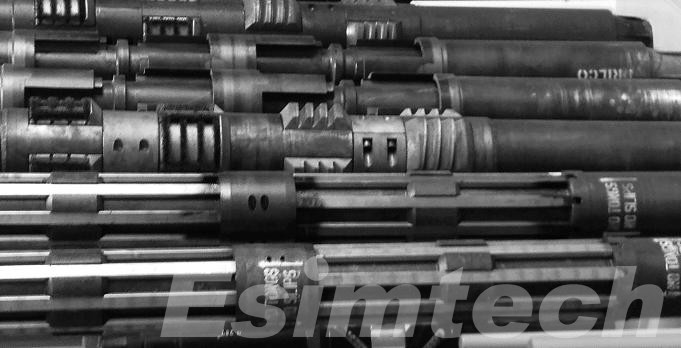
Wellbore cleanout methods are the warriors against debris and formation damage, ensuring optimal flow in oil and gas wells. These methods can be broadly categorized into two main sections based on their approach:
- Mechanical Cleanout Methods: As the name suggests, these methods utilize physical tools to remove or break up unwanted materials in the wellbore. Imagine them as the plumbers of the downhole world, using specialized tools to scrape, brush, mill, and even reach deeper sections with coiled tubing for a thorough cleaning.
- Chemical Cleanout Methods: Here, science takes the lead. Chemical treatments are pumped down the wellbore, acting like powerful solvents or dissolving agents. These chemicals target specific types of debris, dissolving carbonate deposits with acids, breaking down organic materials like paraffin with solvents, or even reducing surface tension with surfactants to enhance fluid flow.
Choosing the right method depends on the specific challenge faced downhole. Let’s delve deeper into each category to understand their strengths and applications!
Mechanical Wellbore Cleanout Methods
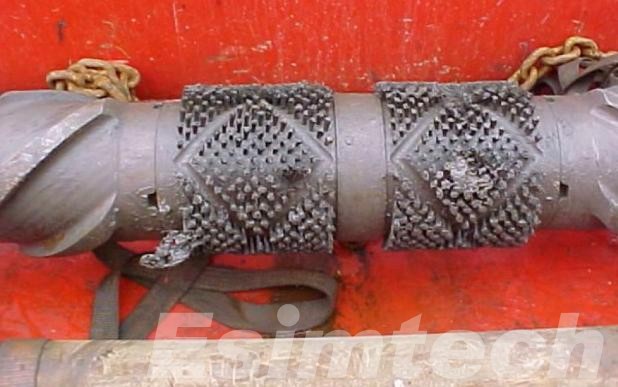
While the ultimate goal remains the removal of physical barriers, mechanical cleanout in 2026 will go from “brute force” to “precision displacement.” Not only do you have to be able to use the scraper, but you need to make sure that the tool string is tuned to the specific hydraulic dynamics of your well.
Smart Tool Strings and Feedback
Today’s tool strings consist of powerful scrapers, multi-blade brushes, and strong magnets built for high torque ERD wells. The next step is towards “intelligent” mechanical cleanout tools that give real-time feedback on downhole conditions.
The more sophisticated the tool string, the more likely it is that mechanical problems or wellbore sticking may occur.
The Move to Simulation-Dominated Mechanical Cleanout
The most significant hazard in mechanical cleanout is NPT due to unforeseen torque and drag. At Esimtech, our philosophy revolves around the concept of “Simulate Before You Circulate.”
Utilizing the Downhole Operation Simulator, one can:
- Anticipate Torque and Drag: Simulate the precise mechanical forces exerted on the cleanout string to avoid jamming in inclined zones.
- Tool Optimization: Establish the optimal positioning of scrapers and brushes to guarantee complete coverage of the casing inner surface.
- Hydraulic Flow Validation: Confirm that the mechanical agitation of debris matches sufficient fluid velocity to move solids upward.
In 2026, the most effective operators are not merely choosing equipment from catalogs; they are performing simulations of the cleanout operation to align mechanical and hydraulic operations seamlessly.
Chemical Wellbore Cleanout Methods
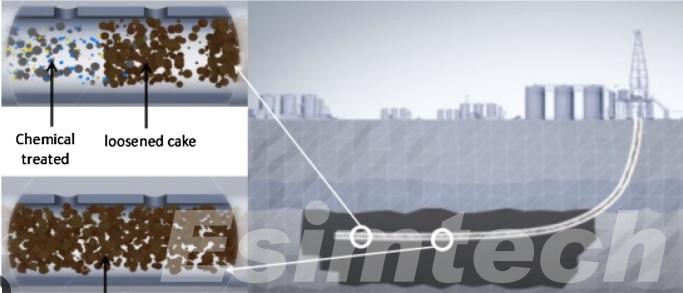
When brute force isn’t the answer, chemical wellbore cleanout methods come to the rescue. These methods utilize a targeted approach, employing various chemical treatments to dissolve, disperse, or alter unwanted materials restricting flow within the wellbore.
Think of them as the downhole chemists, strategically deploying different cleaning solutions for specific problems:
- Acids: The workhorses of chemical cleanout, acids are highly effective in dissolving inorganic deposits like scale, particularly carbonate minerals commonly found in formations. Different types of acids are used depending on the severity of the problem and formation compatibility. For example, hydrochloric acid (HCl) is a popular choice for carbonate removal, while stronger acids like hydrofluoric acid (HF) might be used for more stubborn formations, requiring extra caution due to their corrosive nature.
- Solvents: These cleaning agents target organic materials that can accumulate in the wellbore, hindering production. Paraffin, a waxy hydrocarbon byproduct of crude oil, is a common culprit. Solvents work by dissolving or breaking down the paraffin, allowing it to flow more freely with the produced fluids. Aromatic hydrocarbons and other organic solvents are often used for this purpose.
- Surfactants: These chemicals don’t directly dissolve debris, but they play a crucial role in enhancing wellbore cleaning. Surfactants act by reducing the surface tension of fluids, allowing them to penetrate deeper into formations and detach oil or debris more effectively. They also help disperse and emulsify certain materials, making them easier to remove during circulation.
- Chelating Agents: These specialized chemicals can form complexes with specific metal ions commonly found in formation water or scale deposits. By binding to these metal ions, chelating agents can help remove them from the wellbore, improving permeability and flow characteristics.
Chemical wellbore cleanout methods offer a powerful tool to combat downhole challenges. By understanding the types of chemicals available and their applications, well operators can make informed decisions to optimize production and extend well life.
Quick Reference: Selecting the Right Cleanout Strategy
| Method | Best Use Case | Key 2026 Benefit | Risk Management |
| Mechanical | Cement sheath & hard scale removal. | High-torque tool strings for ERD. | Torque & Drag simulation. |
| Chemical | Mud film removal & water-wetting. | Eco-friendly, high-solvency agents. | Displacement modeling. |
| Integrated | Deepwater & HPHT completions. | Total wellbore preparation. | Full-scale Digital Twin analysis. |
Benefits of Wellbore Cleanout
Regular wellbore cleanout offers a multitude of benefits that translate to improved well performance and ultimately, a healthier bottom line for oil and gas producers. Here’s a closer look at the key advantages:
- Increased Wellbore Productivity and Enhanced Production Rates: A clean wellbore allows for smoother flow of oil and gas towards the wellbore. By removing restrictions caused by debris and formation damage, wellbore cleanout methods like scraping and chemical dissolution can significantly increase wellbore productivity. This translates to higher production rates, maximizing the amount of oil and gas recovered from the reservoir.
- Improved Wellbore Injectivity for Efficient Fluid Flow: Wellbore cleanout isn’t just about getting oil and gas out; it’s also crucial for efficient injection of fluids like water during enhanced oil recovery (EOR) techniques. A clean wellbore ensures minimal resistance to injected fluids, allowing for better sweep efficiency within the reservoir and ultimately, maximizing oil recovery.
- Reduced Risk of Equipment Damage from Formation Debris: Debris like scale and formation solids can act like sandpaper, causing wear and tear on downhole equipment like pumps and tubing. Wellbore cleanout removes these abrasive materials, minimizing equipment damage and extending the lifespan of critical wellbore components. This translates to reduced maintenance costs and improved well uptime.
- Potential for Extending Well Life and Maximizing Production Potential: A clean and healthy wellbore is a well with a longer life. By removing damaging deposits and ensuring smooth fluid flow, wellbore cleanout helps to maintain the integrity of the wellbore and reservoir. This can extend the productive life of the well, allowing for continued oil and gas production over a longer period. With proper wellbore maintenance, maximizing the well’s overall production potential becomes a more achievable goal.
In conclusion, wellbore cleanout is not just a reactive measure; it’s a proactive approach to ensuring optimal well performance and maximizing profitability. By implementing a regular wellbore cleanout strategy, oil and gas producers can experience significant benefits in terms of production rates, equipment longevity, and ultimately, a healthier and more productive well.
Conclusion
Maintaining peak performance and maximizing oil and gas production rely heavily on wellbore cleanout. Familiarizing yourself with mechanical and chemical cleanout methods empowers you to select the best approach tailored to your well’s unique needs. Instituting a consistent wellbore cleanout regimen ensures seamless operations, production optimization, and sustained well integrity for the long haul.