Improving Workover Success Rates Through Precision Production Logging

Written By: Computer Science Professor
Deeply rooted in the R&D of simulators for the oil and gas industry, committed to bringing safety to every oil worker.
Workover operations are common practice for keeping mature oilfields productive. But doing a workover without proper data from the downhole environment means making expensive guesses. It is common practice in the industry to fail in workovers because wells are brought back into production showing the same water breakthrough, gas cone, or pressure problems.
But the reason behind such failures has nothing to do with poor planning of workovers; they are the result of wrong diagnostics. Using surface measurements or well production history alone will not provide you with the correct analysis of a problem.
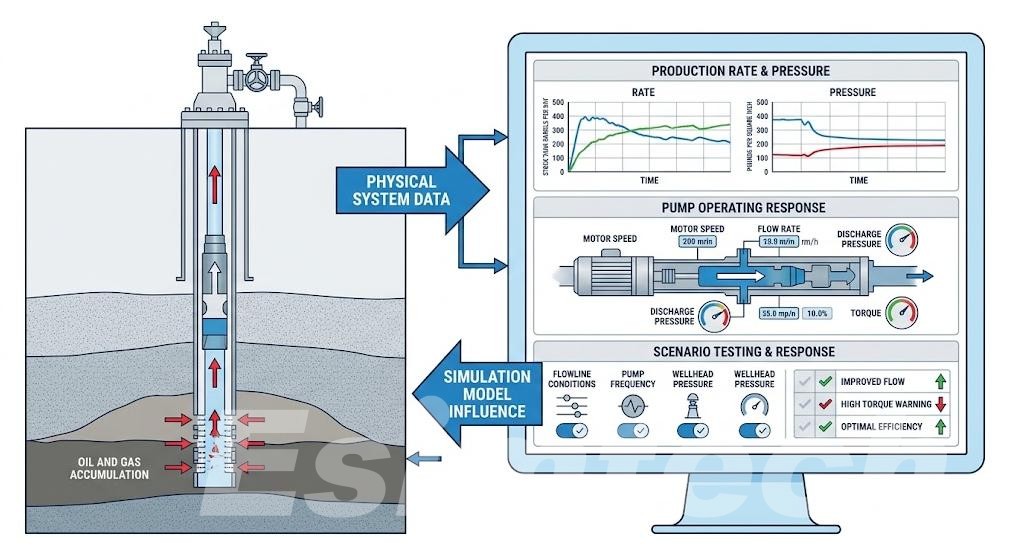
For better results when performing workover operations, it is necessary to change diagnostics from being purely hypothetical to precise. This can be achieved through production logging that allows you to identify possible problems in a well. In addition, training using simulations will help your crews perform logging flawlessly.
Financial and Operational Risks of Unguided Workovers
The use of a workover rig or coiled tubing without knowing the true downhole profile will result in high costs. In this situation, when engineers base their diagnostics on mere assumptions, the intervention selected will address the wrong problem area or cause.
One of the biggest risks in this regard relates to the misinterpretation of causes behind increased water production. For instance, if the operator assumes that an increase in water cut is due to the rising water table, setting up a bridge plug to isolate a lower zone poses the risk of plugging hydrocarbons from producing zones above. The cost implications of such misguided interventions include:
- Operational Expenses (OPEX): Daily rig rates, rentals for equipment, and chemicals used for unsuccessful treatment jobs.
- Permanently Compromised Formations: Wrongly applied acid jobs and squeeze operations can irreversibly damage formation permeability near the wellbore in producing zones.
- Lost Production Days: Each day wasted on an unnecessary or failed intervention is a day of missed revenues.
Additionally, any mechanical operations are stressful for both the casing and completion strings. Installation and pulling out packers, milling operations, and fishing in a damaged well bore will increase the risk of mechanical failure, causing an early death of the well.
Mechanical Integrity Diagnostics via Production Logging
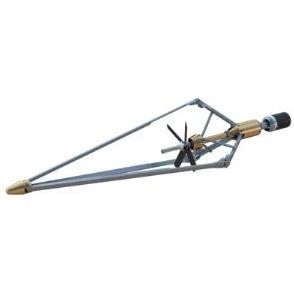
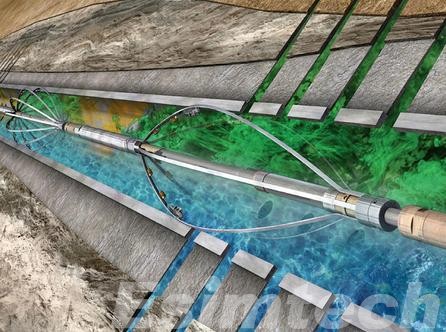
Production logging tools (PLT) remove any element of guesswork from the equation, allowing for the capture of a clear picture of what is happening at any given moment inside the wellbore. As opposed to evaluating a stationary system, PLT records behavior in an actual flow or injection process.
| Sensor Type | Primary Target | Workover Value |
| Spinner Flowmeter | Fluid Velocity | Identifies crossflow / active zones |
| Temperature Probe | Thermal Anomalies | Pinpoints casing leaks |
| Fluid Density | Phase Separation | Differentiates oil, water, and gas |
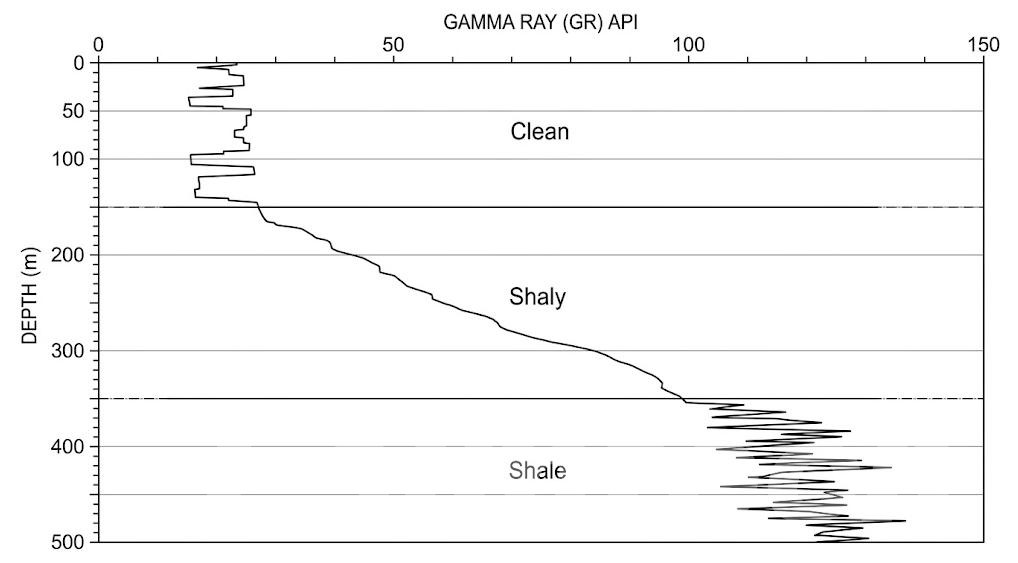
| Gamma Ray / CCL | Depth Control | Correlates log data to completion depth |
As part of a well integrity management system, production logging assumes a pivotal position in the task of locating casing leaks. Should a mechanical breakage arise anywhere within the casing string, the resulting flow of fluid will give rise to a unique temperature signature, which, when coupled with a flow meter, can be used to determine the exact depth of the leak.
Production logging is similarly essential in assessing fluid identification and zonal contribution. In the case of multiple zonal completions, fluid density and capacitive measurement logging is used to differentiate oil, water, and gas phases under flowing conditions.
With the above information available, the reservoir engineer is able to pinpoint exactly which perforations are contributing commercial hydrocarbons and which are contributing undesirable amounts of either water or gas to the well stream.
Workforce Competency Development with Production Logging Simulators
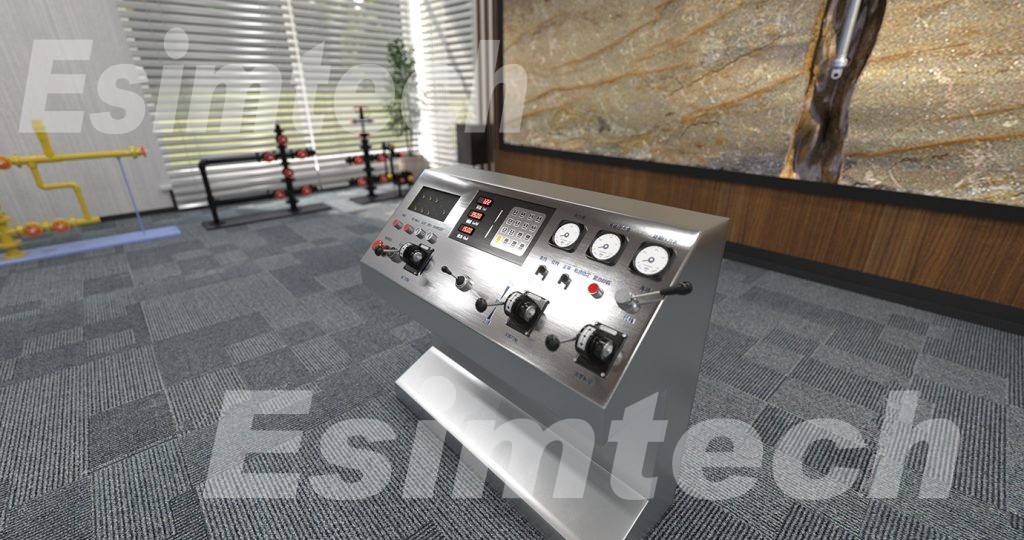
Though production logging generates useful information, the validity of such information rests on the expertise of the logging team and the engineers who interpret the curves. Miscalibration of tools, inappropriate line speed, or faulty interpretation of the logging curves will lead to disastrous results during a workover operation.
The solution to this problem is proper training of employees by way of a Production Logging simulator.
Physical Operation Procedure Familiarity
Controlled physical operations in wireline and slickline equipment used in live wellbores require following operational protocols. The trainee can use the production logging simulator to control winches, set up tools, and calibrate the processes in real time.
The simulator ensures that the operator adheres to specific rules such as controlling line speed, because excessive speed in a spinner flowmeter operation could result in instability of the tool string, whereas a slow speed cannot record velocity profiles. This minimizes any risks that might arise in actual operations.
Replication of Downhole Scenarios
It is very rare for field engineers to work in perfectly vertical wells where there is only one phase flow. In today’s sophisticated production systems, one will have deviated wells and even horizontal wells where different phases move at varied velocities.
An industrial-strength training simulator enables an instructor to replicate realistic downhole problems in the training program, such as:
- Leakages from progressive corrosion of casing along the length of the wellbore.
- Stratification and recycling of different fluids within the deviated parts of the wellbore.
- Accidental sticking of equipment during well completion.
This kind of training prepares personnel to face all eventualities out on the drilling site.
Diagnosis Skills Acceleration
The art of interpreting raw production logging curves cannot be understated. The production logging simulator acts as a bridge between textbook production logging curves and real-world, noisy production logging data.
Students learn to diagnose how particular mechanical issues like behind casing fluid channeling show up in many different sensors at once, for example, a local temperature decrease followed by a drastic change in fluid density.
Skills acceleration ensures that when engineers get raw logging files from an important piece of equipment, they can interpret the data with high confidence and design successful workovers.
Standardized Workflow for Production Logging Integration
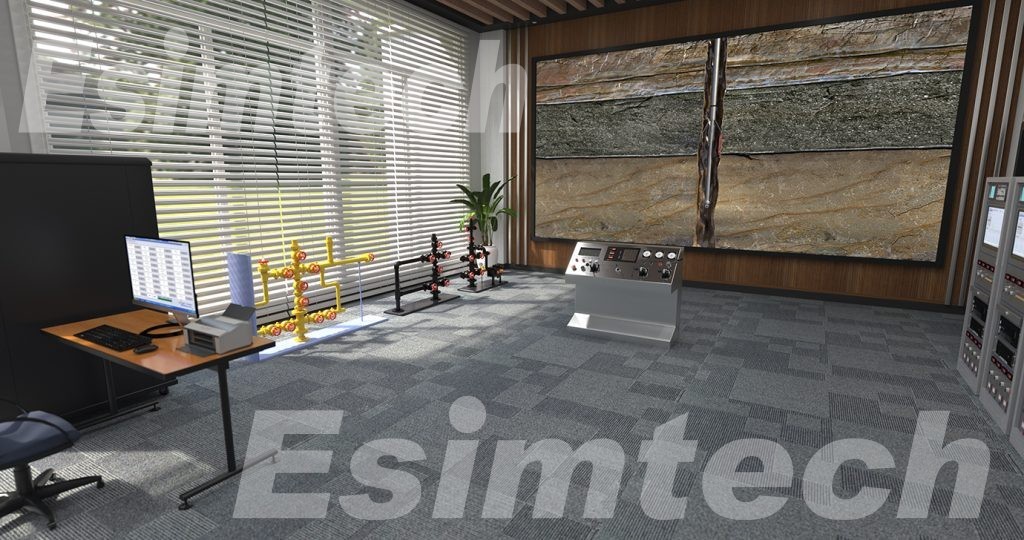
For both the ROI of the drilling operation and simulations to be optimal, an efficient process flow needs to be developed to include these aspects into the well intervention life cycle.
| Phase | Core Objective & Actions | Operational Deliverable |
| Phase 1: Pre-Job Simulation & Planning | Input target well geometry, deviation angles, and production history into the Production Logging simulator to run predictive scenarios. | Risk-Free Practice: Field crews rehearse tool handling and recognize potential fluid tracking anomalies before mobilization. |
| Phase 2: Precision PLT Deployment | Run the calibrated production logging tool string into the live wellbore while maintaining strict line-speed control as practiced in training. | Clean Log Profiles: High-resolution, uncorrupted flow profiles and thermal data captured without operational error. |
| Phase 3: Diagnostic Data Verification | Extract raw log files and cross-reference empirical curve behaviors against the simulated baseline models to isolate faults. | Definitive Diagnosis: Precise depths of casing leaks, behind-casing fluid channeling, or water entry zones identified with certainty. |
| Phase 4: Targeted Workover Intervention | Execute precise, data-driven engineering repairs based entirely on the verified production logging analysis. | Successful Intervention: Selective mechanical isolation, casing patches, or cement squeezes applied directly to the problem zone. |
The process flow ensures that every field team is adequately prepared, while each downhole job is based on correct and validated data.
To Conclude
Workover operation efficiency can be increased through the change of attitude towards workovers from aggressive actions to thorough diagnostics. Production logging is recognized as the most advanced technique to eliminate uncertainties downhole and provide engineers with factual information for designing mechanical interventions and isolations.
Nonetheless, any technological advance is limited by the skills of those operating it. Combining proven logging instrument packages with comprehensive training programs conducted with a cutting-edge Production Logging simulator ensures operators have two powerful tools at their disposal – reliable downhole data and error-free field personnel. In today’s world of prudent spending, both are crucial to eliminating unnecessary operational expenditures.