How to Integrate Well Logging with Reservoir Simulation

Written By: Computer Science Professor
Deeply rooted in the R&D of simulators for the oil and gas industry, committed to bringing safety to every oil worker.
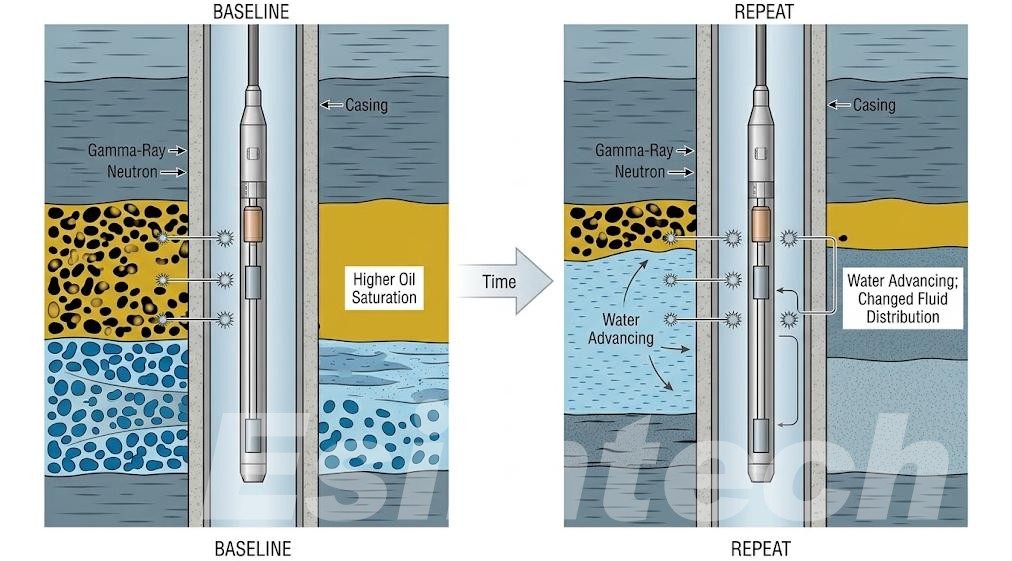
An accurate understanding of subsurface reservoirs is imperative for optimizing recovery and reducing operational risks in oil and gas exploration and production. Core components include well logging and reservoir simulation. Well logging provides an in-situ set of detailed measurements related to geological formations and reservoir simulation offers a basis where predictive frameworks are utilized on which information about fluid flow, behavior of the reservoir may be simulated through time. The integration of well logging with reservoir simulation enables a more precise reservoir characterization and would further help informed decision-making, enhanced production strategies.
Understanding Well Logging
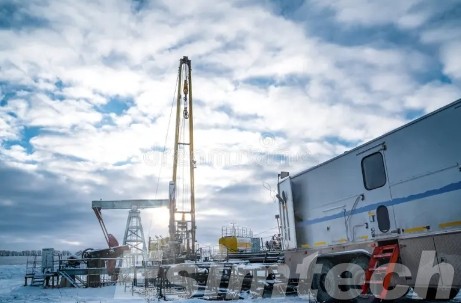
Types of Measurements in Well Logging
| Measurement Type | Description | Purpose |
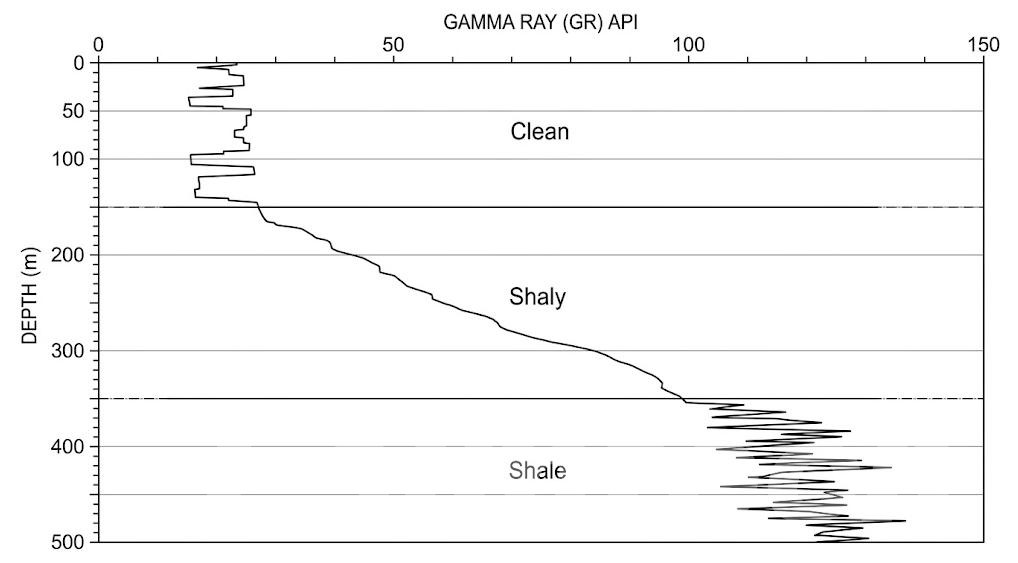
| Gamma Ray (GR) Log | Measures natural radioactivity of rocks | Differentiates shale vs. sand formations |
| Resistivity Log | Measures electrical resistance of formations | Identifies hydrocarbon-bearing zones vs. water zones |
| Porosity Log | Measures pore space in rocks (via neutron, density, or sonic logs) | Determines reservoir storage capacity |
| Density Log | Measures bulk density of formation | Assesses lithology and porosity |
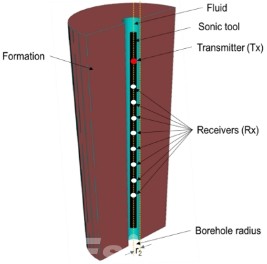
| Sonic / Acoustic Log | Measures travel time of sound waves through rock | Determines porosity, mechanical properties, and formation depth |
| Spontaneous Potential (SP) Log | Measures natural electric potentials in formations | Identifies permeable zones and formation boundaries |
| Neutron Log | Measures hydrogen content in formations | Estimates porosity, especially in hydrocarbon zones |
| Caliper Log | Measures borehole diameter | Detects washouts or irregular borehole shapes |
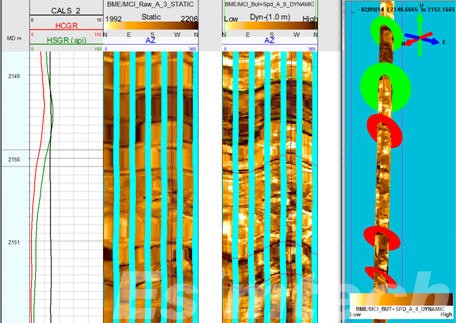
| Formation Micro-Imager | Provides high-resolution electrical images of borehole wall | Identifies fractures, bedding, and small-scale features |
| Nuclear Magnetic Resonance (NMR) Log | Measures response of hydrogen nuclei in fluids | Determines porosity, permeability, and fluid type |
Understanding Reservoir Simulation
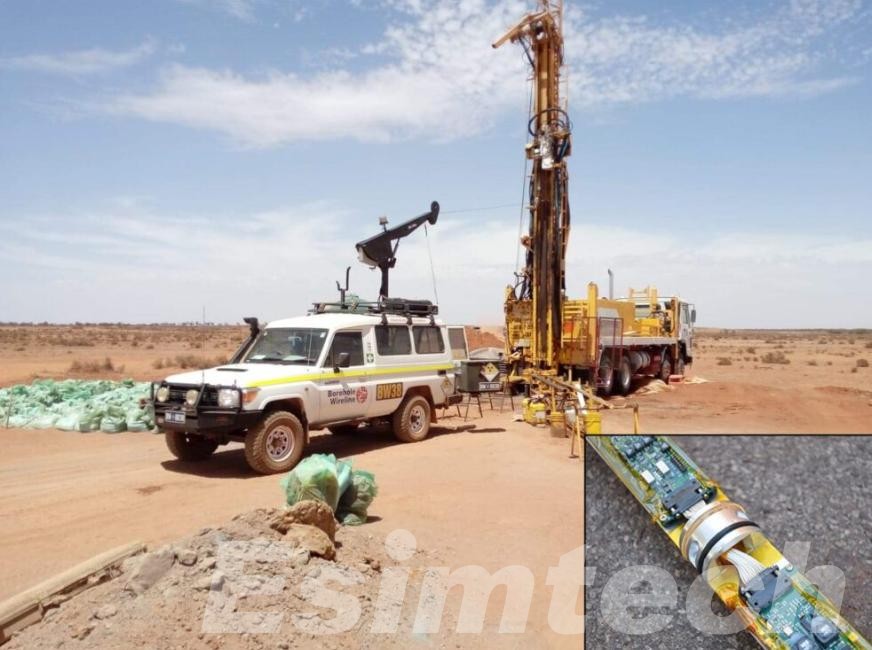
Reservoir simulation is the computational technique used in modeling the behavior of fluids within a reservoir. By implementing the principles of fluid dynamics, thermodynamics, and rock-fluid interaction, the reservoir simulation can predict future production, pressure changes, and issues dealing with the efficiency of enhanced recovery methods.
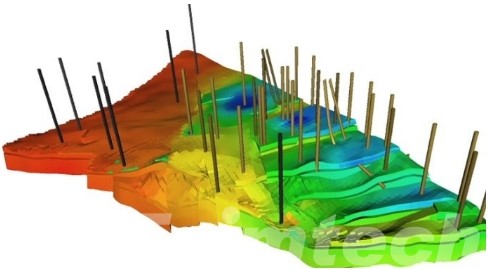
Inputs for reservoir simulation include:
- Geological Model: Describes the structure and stratigraphy of the reservoir.
- Petrophysical Properties: Derived mainly from well data, the input required for a reservoir simulation includes porosity, permeability, and saturation.
- Fluid Properties: The pressure-volume-temperature (PVT) relationships for reservoir fluids.
- Production Data: It calibrates the model by way of historical rates and pressures from wells.
Why the Integration of Well Logging Data with Reservoir Simulation is Needed
Enhancing Reservoir Characterization
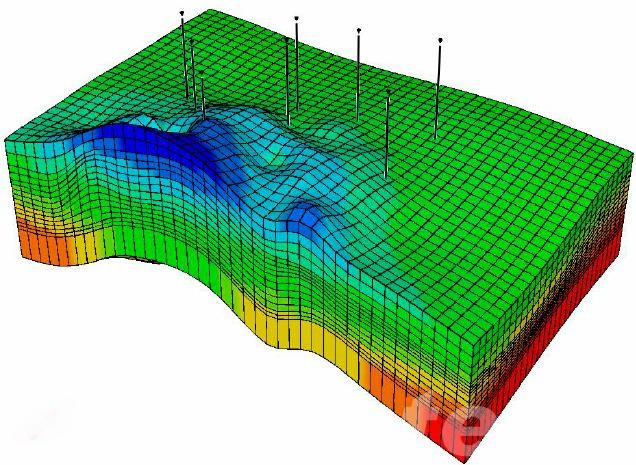
Well logging provides a high resolution for formation data incorporated into porosity, permeability, lithology, and fluids. If these data are not used in the reservoir simulation, then the models tend to oversimplify the complex geologic formation; thus, inaccurate prediction can be seen. Data in well logs are combined appropriately in order to make models in three dimensions that depict the reservoir as more heterogeneous than it is supposed to be. Such reservoir characterization, alongside its improved version, is crucial for identifying the high-potential zones that benefit optimal well placement and to plan recovery strategies well.
Improving Model Accuracy
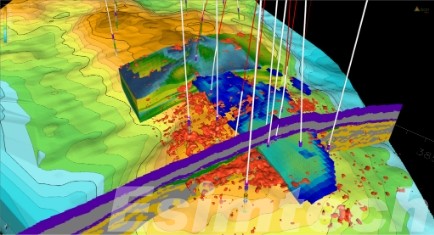
A variety of input parameters are involved in reservoir simulations that span from geological structure to fluid properties. If estimated, these inputs may fluctuate and introduce a significant margin of deviation in the geology’s actual behavior. Well logging is a way of acquiring precise in situ measurements verifying and scaling simulation models. Calibration thus helps reduce uncertainty, enables the simulation of reality to a closer extent, and gives a higher level of confidence when predicting production, pressure changes, and recovery efficiency.
Facilitation of Informed Decision-Making
Aside from simplifying reservoir interpretation, being able to feed well logs into reservoir simulations can significantly contribute to certain strategic decisions. With the vision of enhancing production or EOR techniques being carried out in various zones, reservoir engineers may choose wells and design them based on the information produced from these models. In this sense, errors are minimized in the selection of completion methods, also ensuring that various ways to produce and stimulate the wells are explored from time to time, aiming for the best possible recovery at all costs.
Supporting Optimization and Risk Management
The integration of well log data with the reservoir simulation, allows for slope optimization. Thus, through integrating well data continually into the simulations, the simulation models provide the necessary dynamics for the management of ever-changing production strategies. This dynamic approach significantly improves operational efficiency and reduces risks, such as unexpected pressure drops, water breakthrough, or uneven depletion of HC within the reservoir.
Enabling Advanced Reservoir Technologies
Digital twins and artificial intelligence crucially need accurate and continuous data. Well logging is the basic access to these technologies, which can allow advanced simulations that constantly consider geology, fluid flow dynamics, and production history. Without linking to well data, those powerful tools suffer immense dilution. estimates generally offered by geologists, geophysicists, reservoir engineers, and other professionals in modeling reservoir rock and fluids brings about varying degrees of complexity between both conflicting and inconsistent parameters. The upper limit of pervious, common to all reservoir simulations, is a scenario that makes these tools quite replicable, the most typical set of assumptions in them all. At the lowest level regarding the reality of reservoir fracturing design, their approaches leave a gap for improvements concerning production forecasts. Several disadvantages with respect to modeling stand in the way of simulation that can successfully capture a drainage area close to reality. The ability to predict recovery and decline in production is their bond.
Key Steps of Integrating Well Logging Data with Reservoir Simulation
Understanding the key steps involved in the process of integrating well logging data with reservoir simulation is crucial for engineers and geoscientists seeking to create reliable reservoir models.
1. Data Acquisition and Quality Control
The starting point of data integration follows the collection of well logging data with an utmost care for checking quality. Logs like those of the gamma-ray, resistivity, porosity, density, sonic, etc., offer an extensive discrimination of formations and fluid contents surrounding the boreholes. Prior to being utilized in simulations, it becomes so urgent to ascertain whether raw data has accuracy, correct for anomalies, and establish consistency. Thus, ensuring reliability in subsequent reservoir models.
2. Petrophysical Interpretation
The stage of petrophysical interpretation is the following after high-quality logs are handy. It is necessary to infer petrophysical properties such as porosity, permeability, water saturation, and lithology from raw measurements. Special methodologies like cross-plot analysis and empirical correlations are used to quantify the heterogeneity and hydrocarbon zones. The precise petrophysical interpretation of the hydrocarbon reservoir is an essential ingredient in the accuracy of the reservoir simulation.
3. Geological Modeling
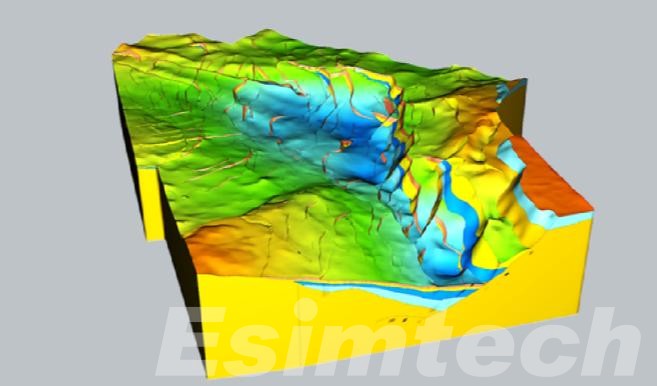
Basin interpretations describe the geology of the basin and thereby the geological and geophysical methods; With the interpreted petrophysical attributes, geoscientists plot the 3-D geological model of reservoirs. This geological modeling details the structure of the reservoir, stratigraphy, layering, and fault geometry, including heterogeneities seen in log data. Geologic modeling would hence supply the framework to reservoir simulation by providing the spatial distribution of rock properties, thus creating a realistic prediction of subsurface conditions.
4. Simulation Model Building
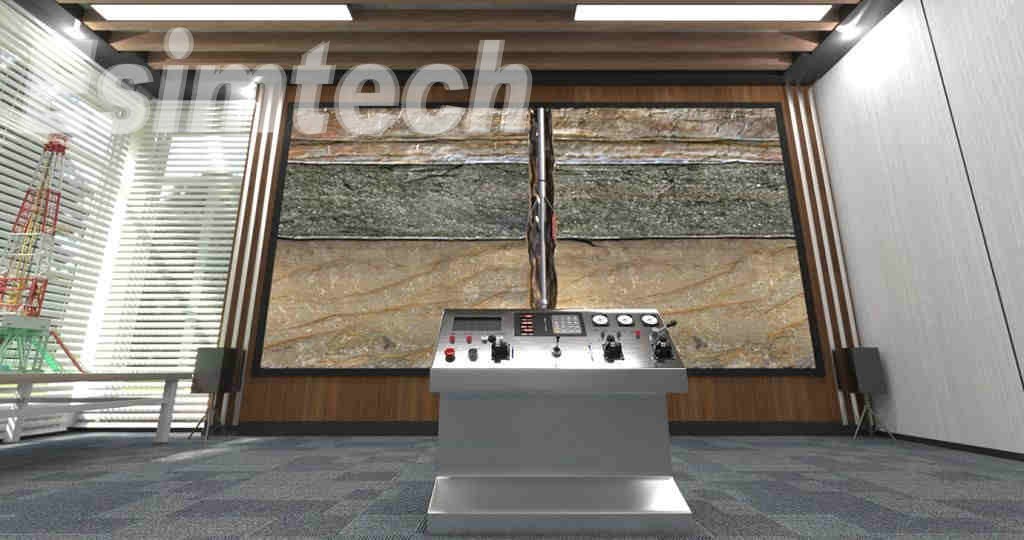
The geological model is then translated into a reservoir simulation model. Grid-based representations allow the well logging simulators to model fluid flow, pressure changes, and interactions between wells and the reservoir. Well logging data informs key simulation parameters, ensuring that each grid cell accurately reflects the properties measured in the field. This step bridges the gap between raw measurements and predictive modeling.
5. History Matching
History matching involves calibrating the reservoir simulation by comparing its outputs to historical production and pressure data. Adjustments are made to petrophysical properties, relative permeability curves, and other simulation parameters to align model predictions with real-world performance. Integrating well logging data at this stage ensures that the model reflects both the measured reservoir properties and observed production behavior.
6. Forecasting and Optimization
Once history matching is completed, the reservoir simulation model can be predicted into the future. This involves performing the full-scale simulation and then updating it with new data from any monitoring or field-supervised activities. Most importantly, predictions will be used to make decisions, based upon which the reservoir development plan will be optimized. After calibration, the integrated model is used to forecast reservoir performance under various development scenarios. Engineers can simulate production strategies, enhanced recovery techniques, and well placement options to optimize hydrocarbon extraction. Continuous updating of the simulation with new well data allows dynamic optimization, reducing risks and improving operational efficiency.
Challenges and Potential Solutions in the Integration of Well Logging Data with Reservoir Simulation
This chart provides a concise overview of the main challenges and strategies for overcoming them in integrating well logging data with reservoir simulation.
| Challenge | Description | Potential Solution |
| Data Resolution Differences | Well logs provide high-resolution vertical data, while simulation grids are often coarser. | Use upscaling techniques to translate high-resolution log data into grid-compatible properties. |
| Uncertainty in Petrophysical Interpretation | Converting log measurements into accurate porosity, permeability, and saturation can be complex. | Apply advanced interpretation methods and cross-validation with core and production data. |
| Complex Reservoir Geology | Presence of faults, fractures, and thin beds complicates modeling and simulation. | Incorporate geological modeling software and fracture modeling to capture heterogeneity. |
| Incomplete or Inconsistent Data | Missing logs or inconsistencies between wells reduce confidence in the reservoir model. | Use data reconstruction, statistical interpolation, or machine learning-based gap filling. |
| History Matching Difficulties | Aligning simulated results with historical production data is challenging in heterogeneous reservoirs. | Apply automated history-matching algorithms and iterative calibration techniques. |
| Computational Limitations | Detailed models of large reservoirs require significant computational resources. | Optimize model grid, use parallel computing, and implement cloud-based simulation solutions. |
| Integration of Multi-Physics Data | Combining thermal, chemical, and mechanical data with conventional flow simulation is complex. | Employ multi-physics simulation platforms and data fusion techniques. |
| Dynamic Updates of Reservoir Models | Incorporating new well data in real-time for continuous optimization can be difficult. | Develop digital twins and automated model updating workflows to enable dynamic integration. |
Emerging Technologies in Enhancing the Integration of Well Logging and Reservoir Simulation
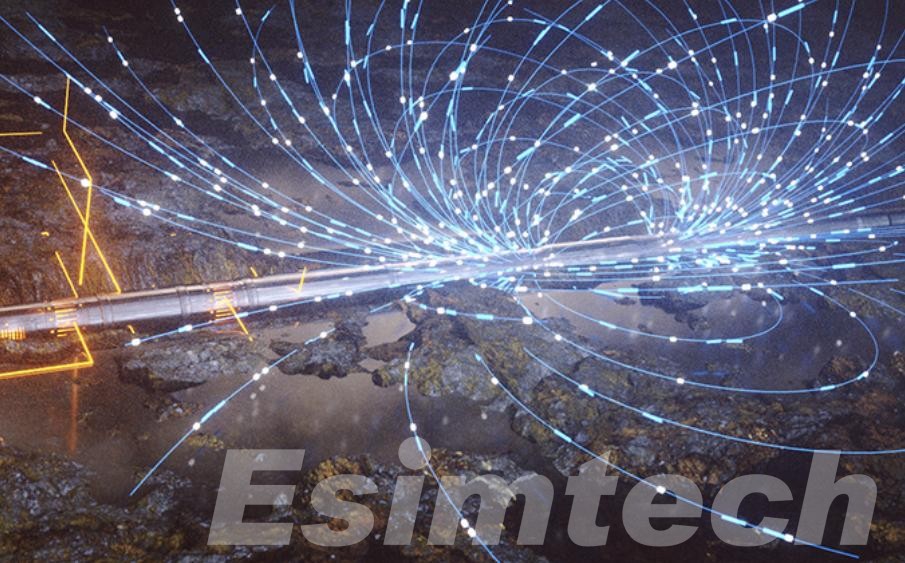
The latest advancements in the technology are creating changes in the process of integrating well logging data and reservoir simulation that brings higher speed, increased accuracy, and capabilities for handling more complex reservoirs. These new technologies are taking the interpretations, modeling and implementation of well data in simulation to another level.
1. Digital Twin Reservoirs
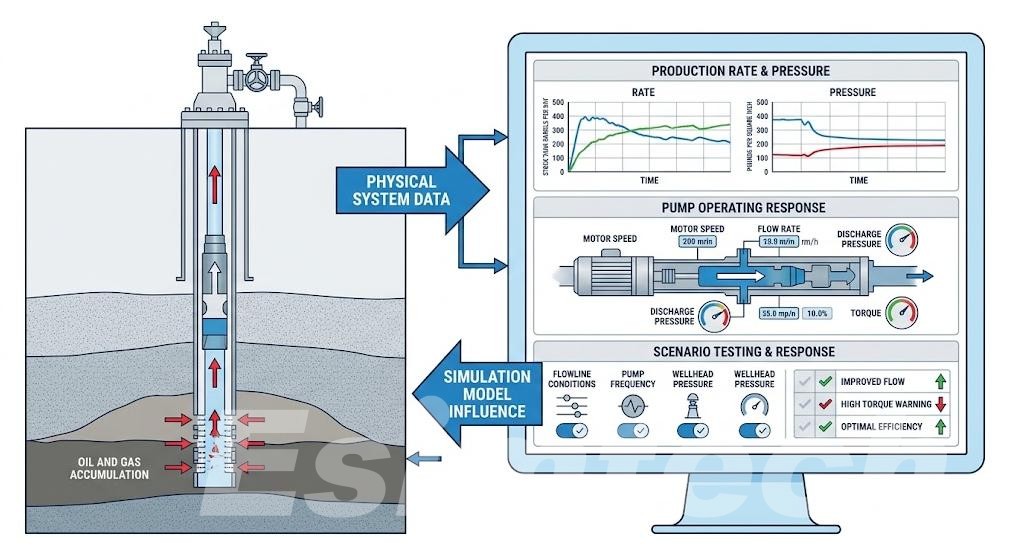
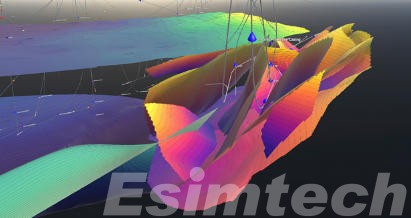
One of the most transformational concepts is the evolution of digital twin reservoirs. Digital twins are dynamic, real-time online reproductions of physical reservoirs that are continuously populated with updated well-log data and production information feeds. By integrating the updated logs into the simulation model, one can monitor the performance of the reservoirs online, test development scenarios, and act in a proactive manner. Digital twins reduce uncertainty and advance in making informed decisions using an accurate and constantly updated view of the reservoir.
2. Artificial Intelligence and Machine Learning
Artificial Intelligence (AI) and Machine Learning (ML) can be used more and more in enhancing the automated routines of wireline logging data interpretation and simulations. The algorithms can be taught to identify and predict facts about well petrophysical properties, to detect reservoir heterogeneities hitherto unknown with traditional methods; AI can, therefore, become the optimization agent for history matching, quickly calibrating reservoir models that then predict production performance.
3. High-resolution Imaging and Advanced Logging Tools
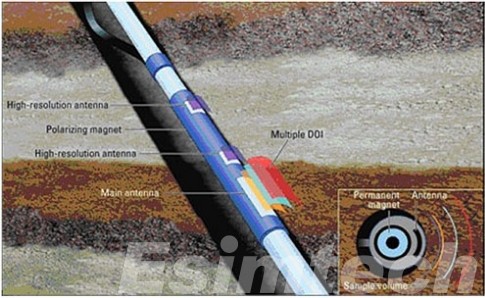
New well logging tools like the formation micro-imagers and Nuclear Magnetic Resonance (NMR) are providing more precise data sets than ever before, capturing detailed information regarding fractures, pore structures, and fluid distribution within the reservoir. Integrating this superior data into reservoir simulation could allow for more detailed modeling of complex features, facilitating an improved ability to forecast fluid flow and reservoir behavior.
4. Multi-Physics Simulation Platforms
Emerging simulation platforms are capable of integrating multi-physics data, including thermal, chemical, and mechanical effects, alongside traditional fluid flow modeling. These oil and gas simulation platforms allow engineers to simulate enhanced oil recovery techniques, thermal stimulation, and complex reservoir interactions with higher fidelity. By combining well logging data with multi-physics simulations, operators gain a more complete understanding of reservoir dynamics under different development scenarios.
5. Cloud Computing and High-Performance Computing
Recent years have seen a persistent increase in computational requirements for incorporating detailed well logging data into reservoir simulators, according to the advances in cloud computing and high-performance computing (HPC) technologies. Thus, cloud-based platforms have been seen as providing scalable resources for large datasets, thereby enabling engineers to conduct high-resolution simulations in a more efficient manner, while also providing platforms for accelerating computation-intensive processes such as history matching, uncertainty quantification, and dynamic optimization of the reservoir.
6. Data Analytics and Big Data Integration
Today’s advanced reservoirs provide tons of data from the well, production system, and seismic surveys. Big-data analytics tools can be used to process and integrate this data to derive some insights. By applying advanced analytics to well logging data and simulation outputs, engineers can recognize trends, manage uncertainties, and come up with better reservoir development strategies.
Final Thoughts
The integration of the well logging with reservoir simulation is an important leap forward in reservoir engineering. By merging the log-derived resolutions with the forecast capabilities of simulation models, operators can yield a higher level of understanding of underground reservoirs for higher production and lesser operational risks. The cooperation between well logging and simulations is gaining importance over time for a better reservoir management.