How to Mitigate Safety Risks in Well Interventions

Written By: Computer Science Professor
Deeply rooted in the R&D of simulators for the oil and gas industry, committed to bringing safety to every oil worker.
Well intervention operations get done to maintain, repair, stimulate, or improve the productivity of oil and gas wells, and this covers logging, stimulation, perforation, coiled tubing operations, wireline services, well control operations, and workovers. A lot of those things require complex procedures, carried out in hazardous environments. You deal with high pressures, explosive settings, heavy equipment, and also real human factors, and together they create major operational risks. Mitigating safety risks during well interventions is crucial, not just for people, but also for the equipment, the surrounding environment, and production assets. If operators plan properly, use advanced technologies, keep strict procedural controls, and continue training, they can meaningfully lower the odds of accidents and operational failures.
Understanding the Major Safety Risks in Well Interventions
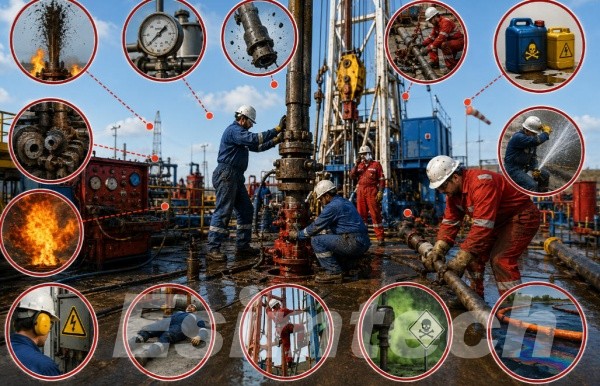
Well intervention activities expose crews and facilities to a wide range of hazards.
| Safety Risk | Description | Potential Consequences |
| Loss of Well Control | Uncontrolled release of formation fluids due to pressure imbalance or barrier failure | Blowouts, fires, explosions, environmental damage |
| High-Pressure Exposure | Sudden release of pressurized fluids or gases during intervention operations | Equipment damage, serious injuries, fatalities |
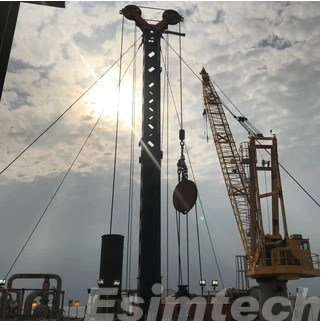
| Mechanical Hazards | Risks from heavy machinery, rotating equipment, and lifting operations | Crushing injuries, equipment accidents |
| Chemical Exposure | Contact with hazardous chemicals, stimulation fluids, or hydrocarbons | Toxic exposure, burns, respiratory issues |
| Fire and Explosion | Ignition of flammable hydrocarbons or gases in hazardous environments | Severe injuries, facility destruction |
| Equipment Failure | Failure of intervention tools, pumps, valves, or tubing systems | Operational delays, well control incidents |
| Human Error | Mistakes caused by fatigue, poor communication, or lack of training | Operational incidents, safety violations |
| Dropped Objects | Falling tools or equipment during lifting or rig operations | Personnel injuries, equipment damage |
| H₂S and Toxic Gas Exposure | Exposure to hydrogen sulfide or other toxic gases from the well | Poisoning, respiratory failure, fatalities |
| Electrical Hazards | Contact with electrical systems or faulty equipment | Electric shock, fires |
| Confined Space Hazards | Working in restricted or poorly ventilated areas | Suffocation, toxic exposure |
| Environmental Spills and Leaks | Release of hydrocarbons or chemicals into the environment | Pollution, regulatory penalties |
Effective Strategies for Mitigating Safety Risks in Well Interventions
Implementing effective risk mitigation approaches is essential for stopping mishaps, reducing downtime, and ensuring regulatory compliance for well interventions.
1. Conducting Comprehensive Risk Assessments
One of the main strategies for reducing safety risks in well interventions is performing very careful risk assessments before any work starts. Each intervention activity brings its own complications, depending on well conditions, reservoir pressure, fluid makeup, and how complex the operation becomes.
These risk assessments make it easier to spot possible hazards such as sudden pressure changes, equipment malfunction, gas releases, and mechanical incidents. Approaches like Job Safety Analysis (JSA), Hazard and Operability Studies (HAZOP), and Failure Mode and Effects Analysis (FMEA) are commonly applied to review operational weak points, then put preventive measures in place.
Detailed pre-job planning makes sure that all the possible risks are understood and handled before any field activities really get started. Good prep also helps the teams craft contingency plans for urgent emergency situations, which lowers the chance of uncontrolled incidents happening.
2. Strengthening Well Control Measures
Keeping well control is a basic part of intervention safety. When well control is lost it can cause blowouts, fires, explosions, and severe damage to the environment. For that reason well control strategies are necessary during the entire intervention process not only at the beginning.
Blowout preventers (BOPs), lubricators, packers, and pressure control gear act as important barriers that stop uncontrolled hydrocarbon flow. These systems should be inspected again and again, tested and then certified so they keep working properly in high pressure conditions.
Keeping an ongoing watch on well pressure and fluid behavior can give operators a chance to spot weird or abnormal situations early. With pressure readings in real time, crews can react faster to a formation influx or to equipment troubles, before they grow into bigger safety issues.
Barrier management practices also strengthen safety, since they make sure that several independent barriers stay active during intervention activities.
3. Ensuring Equipment Reliability and Maintenance
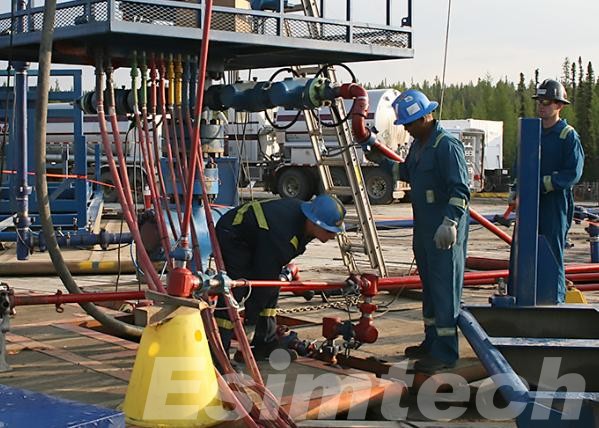
Keeping equipment in good condition is a big part of lowering intervention hazards. If something goes wrong with coiled tubing units, wireline systems, pumps, valves, or pressure control gear, the job can quickly become dangerous.
Preventive maintenance programs help reveal wear, corrosion, fatigue, and mechanical issues before any breakdown shows up. Regular inspections and testing should be carried out following firm industry requirements, and in line with what the manufacturer recommends.
Advanced inspection technologies like non-destructive testing (NDT) ultrasonic checking, and digital diagnostics give extra security about how reliable the equipment really is. Using high-quality materials, plus corrosion-resistant parts too, helps with longer service life even when the surroundings are harsh and a bit unfriendly.
Just as importantly, proper equipment certification and complete documentation matter, because operational safety has to stay solid, and regulatory compliance needs to be met, every time.
4. Enhancing Workforce Training and Competency
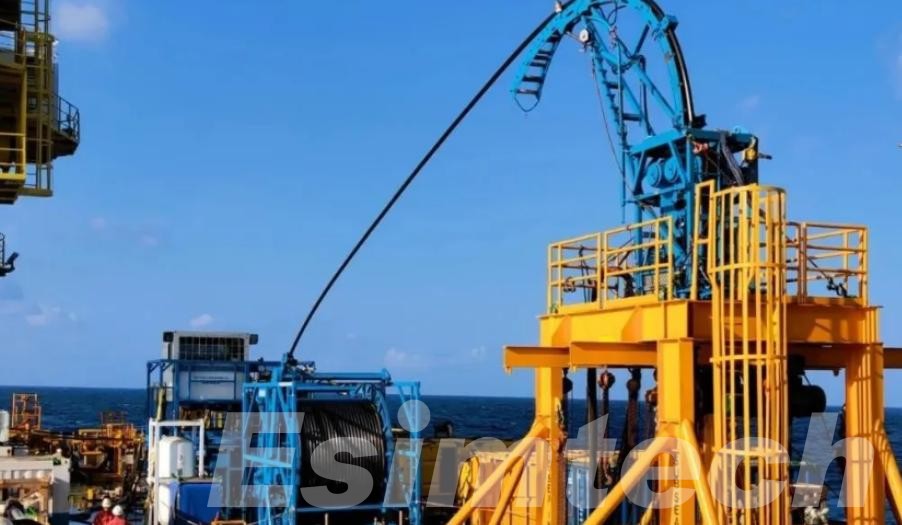
Highly trained personnel are essential for safe and efficient well intervention operations.
| Training and Competency Area | Description | Key Activities | Safety Benefits |
| Well Control Training | Training personnel to manage pressure control and prevent blowouts | Well control certification, kick detection exercises, well control simulator training | Reduces risk of loss of well control incidents |
| Equipment Operation Training | Educating crews on the safe use of intervention equipment | Hands-on equipment training, operational procedure reviews | Minimizes equipment misuse and mechanical accidents |
| Hazard Recognition Training | Teaching workers to identify operational hazards and unsafe conditions | Risk assessment workshops, hazard identification exercises | Improves proactive risk prevention |
| H₂S and Gas Safety Training | Training crews to handle toxic and flammable gas exposure risks | Gas detection training, breathing apparatus practice | Protects workers from toxic gas incidents |
| Personal Protective Equipment (PPE) Training | Instructing workers on proper PPE selection and usage | PPE fitting, inspection, and maintenance procedures | Reduces exposure to physical and chemical hazards |
| Communication and Coordination Training | Improving teamwork and operational communication | Shift handover procedures, safety meetings, communication drills | Prevents misunderstandings and operational errors |
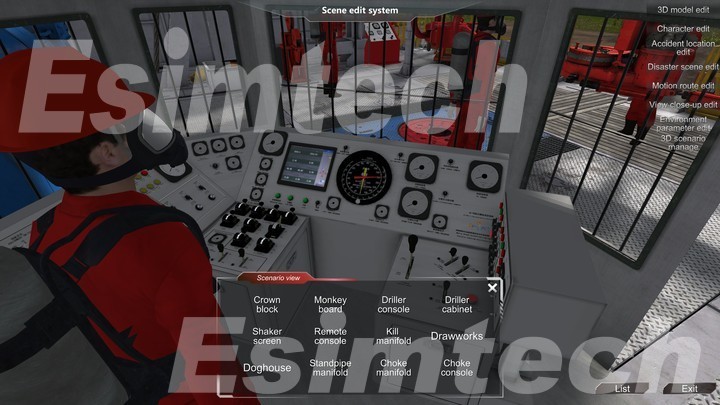
| Simulation-Based Training | Using realistic simulators to practice high-risk scenarios | Virtual well intervention simulations, crisis management exercises | Builds confidence and improves decision-making under pressure |
| Mechanical Handling and Lifting Training | Teaching safe lifting and material handling practices | Crane operation training, dropped-object prevention exercises | Reduces lifting injuries and equipment damage |
| Chemical Handling Training | Educating workers on safe storage and handling of hazardous chemicals | Chemical safety procedures, spill containment training | Minimizes chemical exposure and environmental risks |
| Regulatory and Compliance Training | Ensuring personnel understand industry standards and regulations | Compliance workshops, certification programs | Supports legal compliance and operational consistency |
| Competency Assessment Programs | Evaluating worker skills and operational readiness | Written exams, practical assessments, recertification | Verifies workforce capability and improves operational reliability |
| Fatigue Management Awareness | Addressing risks associated with worker fatigue and stress | Shift scheduling education, fatigue monitoring programs | Reduces human error and improves focus |
5. Adopting Automation and Digital Technologies
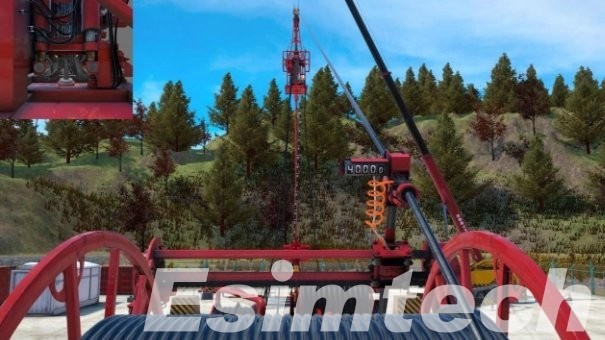
Modern digital tools are reshaping risk management during well interventions. Automation decreases direct human exposure to dangerous tasks, while also improving work rhythm and precision which helps a lot.
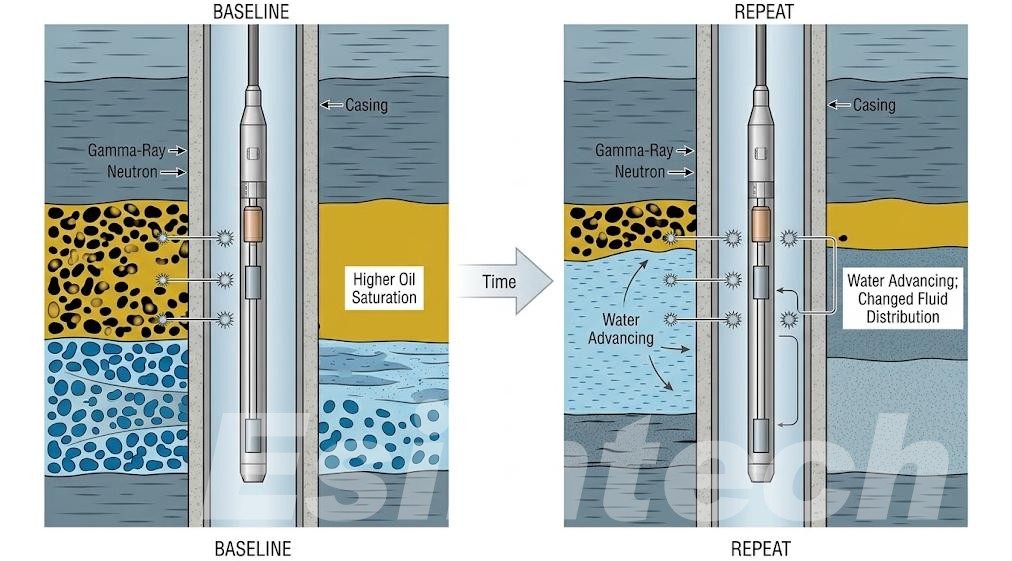
Real time monitoring systems deliver ongoing insights on pressure, temperature, flow rates, and how the equipment performs. Based on that data, operators can spot irregularities early, then make better operational decisions.
Remote-controlled systems and robotic intervention technologies also improve safety by keeping personnel further away from high-risk locations. Automated pipe handling, remotely operated valve units, and intelligent intervention tools make manual handling risks go down, plus they reduce operational mistakes.
Artificial intelligence along with predictive analytics are now used more often to foresee equipment failures and spot abnormal operating patterns before anything turns into an incident. These tools support proactive maintenance, and help with safer intervention scheduling.
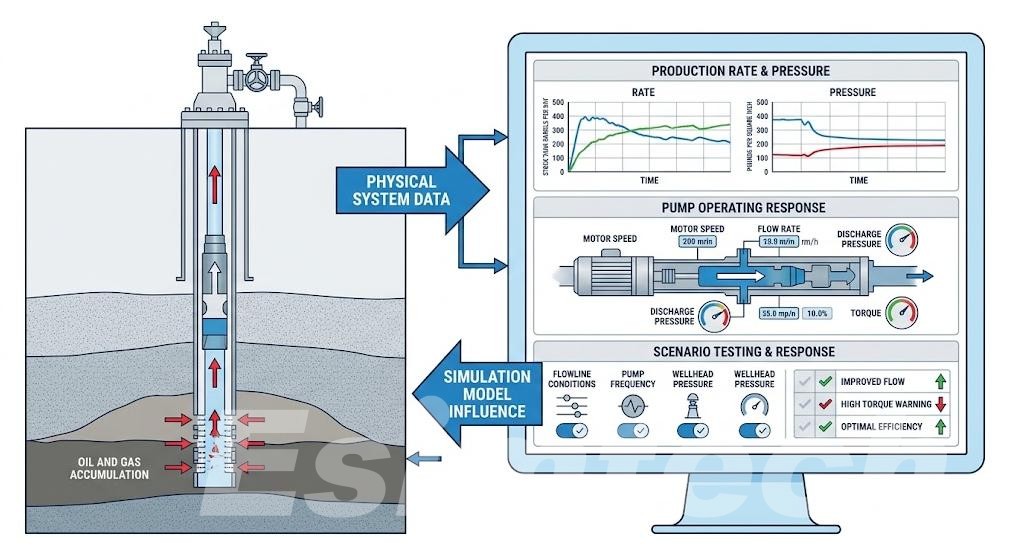
Digital twin technology, meanwhile, lets operators model well intervention scenarios, judge the possible hazards, and refine the procedures before the work begins at site.
6. Improving Communication and Operational Coordination
Effective communication is critical to prevent misunderstandings and those operational blunders during well interventions. When communication is weak between crews, contractors, and supervisors , it can contribute to accidents and also slow emergency responses down.
Before any work starts, clear communication rules should be set up. Pre-job safety meetings, shift handovers, and operational briefings help make sure everyone understands their responsibilities, and the present well conditions.
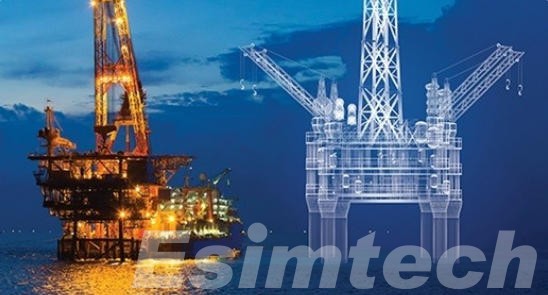
Using standardized wording, digital reporting systems, and real-time communication tools improves how different teams coordinate. In offshore work, where several activities can happen at the same time, in a tight limited workspace, strong communication habits matter even more.
Operational coordination also means making sure each contractor follows the same safety requirements and step by step procedures through the entire intervention project.
7. Strengthening Emergency Preparedness
Even with extensive preventive measures, accidents can still happen during well operations. Effective emergency preparedness is therefore, essential for minimizing the consequences of those mishaps.
Emergency response plans should spell out evacuation procedures, firefighting protocols, medical response actions, and well control strategies clearly. Personnel must be trained to react quickly and with skill to events like gas leaks, fires, equipment failures or blowouts, without hesitation.
Regular emergency drills and simulation exercises help improve response efficiency, and they also surface weak points in current procedures. Coordination with external emergency services and regulatory agencies adds another layer of strength to the way an incident is handled.
A well-prepared emergency setup reduces operational downtime, protects the workforce, and limits environmental harm when critical situations arise.
8. Managing Environmental and Chemical Risks
Environmental protection is becoming an ever more important part of well intervention safety management, because when things go wrong the consequences can hit both people and nature pretty hard. Hydrocarbon spills, chemical leaks, and poor waste handling can cause big ecological harm and also bring regulatory penalties.
Containment systems, leak detection technologies, and spill response procedures all help reduce environmental risk while the intervention is happening. Operators are also starting to use environmentally friendly intervention fluids, and low toxicity chemicals to further lessen the footprint, so the process stays more responsible.
Sound chemical storage, transportation, and handling routines are essential, for safeguarding workers and stopping accidental releases before they spread. Environmental monitoring systems provide continuous oversight of operational effects, and they help maintain regulatory compliance without last minute surprises.
Integrating environmental protection into overall safety management creates more sustainable and responsible well intervention operations.
Continuous Safety Improvement in Well Interventions
Safety management in well interventions needs to be seen as an ongoing activity not just a one time effort. A continuing improvement program can help organizations learn from what happened in daily operation and then improve future performance too.
| Continuous Safety Improvement Area | Description | Practices | Operational Advantages |
| Incident Investigation | Analyzing accidents and operational failures to identify root causes | Root cause analysis, corrective action reviews | Prevents recurrence of similar incidents |
| Near-Miss Reporting | Recording and evaluating near-miss events before accidents occur | Hazard reporting systems, safety observations | Identifies hidden risks and improves prevention |
| Safety Audits and Inspections | Regularly reviewing operational procedures and equipment conditions | Internal audits, field inspections, compliance checks | Enhances operational discipline and regulatory compliance |
| Continuous Training Programs | Updating workforce knowledge and operational skills | Refresher courses, simulator exercises, competency reviews | Maintains high safety awareness and technical competency |
| Real-Time Data Analysis | Using operational data to identify safety trends and anomalies | Monitoring systems, analytics platforms, AI-driven alerts | Supports proactive decision-making and early risk detection |
| Updating Operational Procedures | Improving procedures based on lessons learned and new technologies | Procedure revisions, best practice integration | Increases operational consistency and safety |
| Safety Culture Enhancement | Promoting employee involvement in safety initiatives | Leadership engagement, open reporting culture | Encourages proactive hazard management |
| Emergency Drill Improvement | Continuously refining emergency response capabilities | Regular drills, post-drill evaluations | Improves emergency preparedness and coordination |
| Contractor Safety Management | Ensuring all contractors follow consistent safety standards | Contractor evaluations, joint safety meetings | Reduces operational variability and communication gaps |
| Performance Benchmarking | Comparing safety performance against industry standards | KPI tracking, industry benchmarking studies | Drives continuous operational improvement |
| Knowledge Sharing and Lessons Learned | Distributing operational insights across teams and projects | Safety bulletins, case studies, technical workshops | Accelerates organizational learning and best practice adoption |
Summary
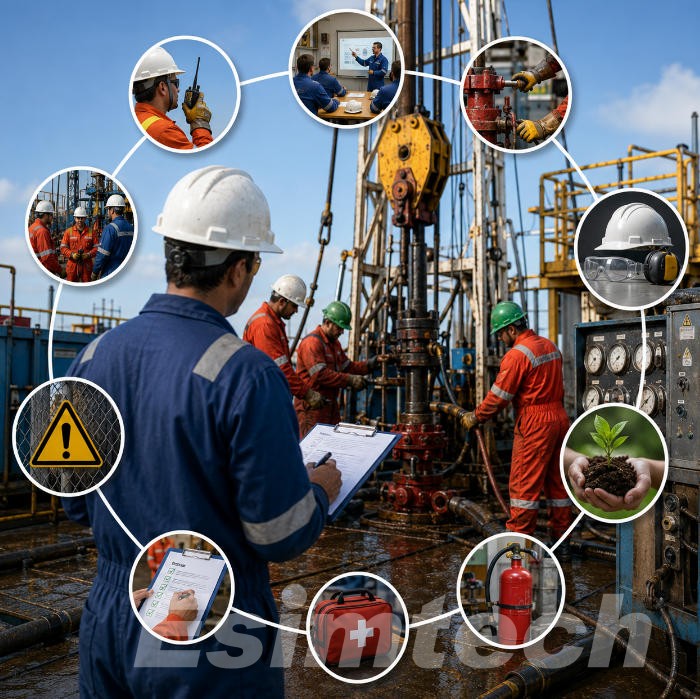
Mitigating safety risks in well interventions takes a broad plan that brings together careful planning, solid well control measures, dependable equipment, trained people, advanced technologies, and firm emergency readiness. Since these intervention jobs happen in complicated, high-risk conditions, proactive safety management becomes very important for shielding workers, protecting assets, and keeping the environment safe.
As digitalization, automation, and predictive technologies keep evolving, the future of well intervention safety is going to lean more towards intelligent monitoring, data-driven decision-making, and a reduction in human exposure to hazardous operations. And by continuously improving safety practices, while also taking on innovative technologies, oil and gas industry can reach safer, more efficient, and more sustainable well intervention activities.