Extended Reach Drilling from Offshore Platforms

Written By: Computer Science Professor
Deeply rooted in the R&D of simulators for the oil and gas industry, committed to bringing safety to every oil worker.
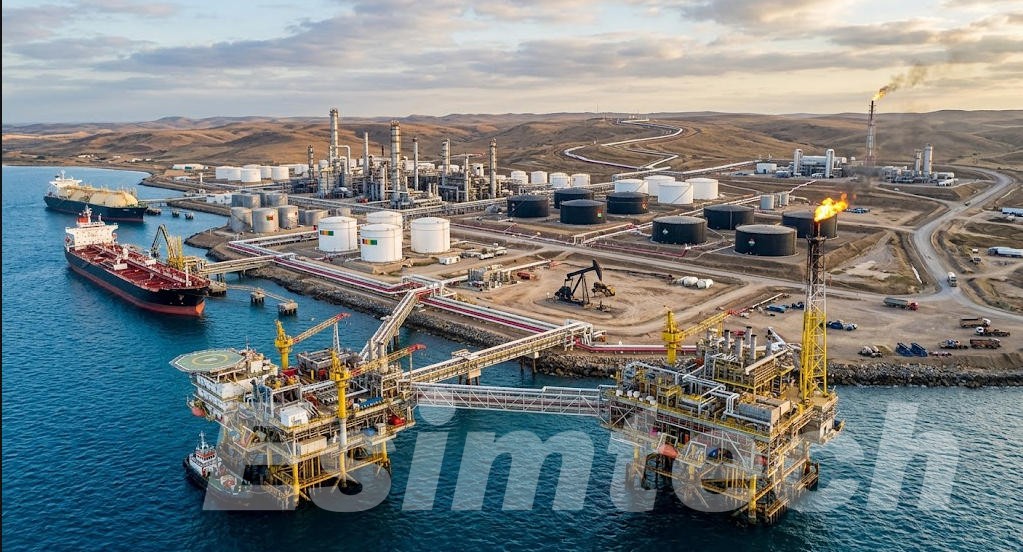
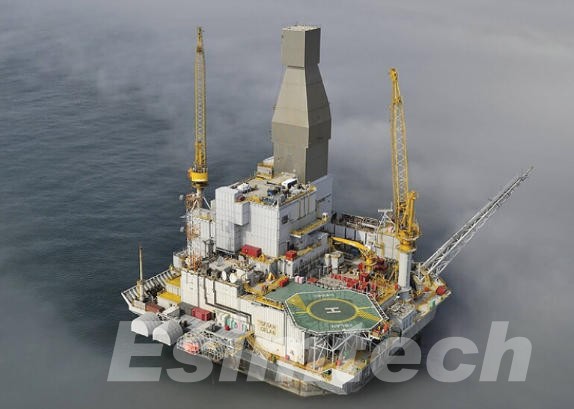
Extended reach drilling (ERD) enables oil and gas companies to access previously unreachable offshore reserve resources by using this method to extend their drilling capabilities beyond conventional offshore platforms. The combination of advanced drilling technologies with sophisticated planning systems enables ERD operators to achieve maximum reservoir contact while increasing production rates and decreasing platform requirements in multiple field operations which results in better economic performance and environmental preservation.
Understanding Extended Reach Drilling
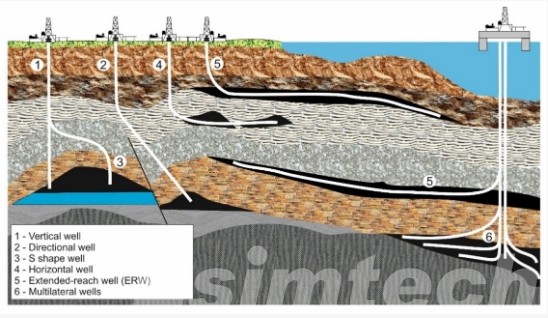
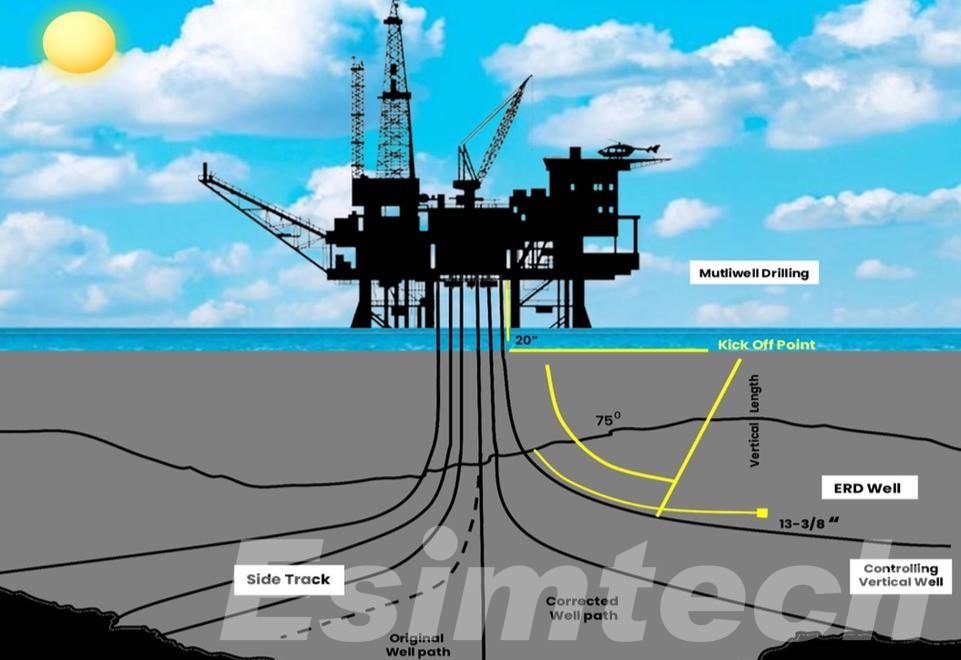
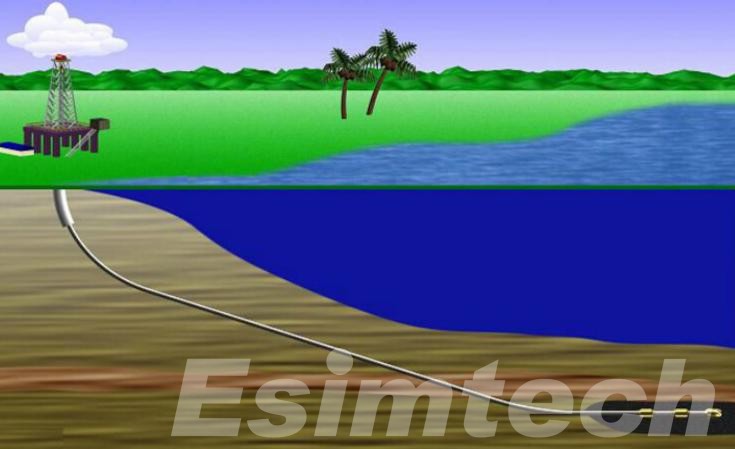
Extended reach drilling refers to the technique of drilling wells with a horizontal displacement which exceeds their vertical depth by a significant margin. The new drilling method allows operators to access reserves which exist beyond a distance of ten kilometers from their offshore drilling rig. The offshore environment benefits from this method because multiple platforms become too costly and environmentally challenging for installation to achieve operational efficiency.
Extended reach drilling wells show three main characteristics which include their ability to build and turn at high rates and their extended horizontal sections and their complex paths which scientists use to study the subterranean rock formations. Modern extended reach drilling operations depend on three key technologies which include advanced directional drilling systems and measurement-while-drilling (MWD) systems and real-time downhole data systems to achieve operational accuracy and operational process efficiency.
Advantages of Extended Reach Drilling from Offshore Platforms
1. Cost Efficiency
The ERD system enables one offshore platform to cover extensive reservoir areas which reduces the requirement for multiple offshore platforms. The system decreases the expenses of platform construction and subsea installation work and all related infrastructure costs which makes offshore field development more financially feasible.
2. Maximized Reservoir Contact
Wells achieve higher hydrocarbon recovery through extended horizontal reach which enables them to access more productive reservoir areas. The ERD system improves production efficiency through its ability to extract resources from multiple sections while operating from a single location.
3. Environmental Sustainability
The extended reach drilling system reduces the environmental impact of offshore operations through its requirement for fewer platforms and smaller subsea installations. The project adopts an environmentally friendly strategy through its design which creates less seabed disturbance and produces lower construction and operational emissions and maintains reduced marine vessel traffic.
4. Operational Flexibility in Challenging Conditions
Extended reach drilling enables access to reservoirs which exist underneath deep water and uneven seabeds and areas that require environmental protection because vertical drilling methods face operational challenges. The system provides operators with the capability to extract resources from challenging reservoirs while maintaining safety standards and operational efficiency.
5. Reduced Field Development Time
The extended reach drilling system enables field development to progress faster because it allows operators to reach multiple reservoir targets from a centralized operational base. The system enables operators to activate wells more rapidly which leads to better production schedules and increased profits throughout the duration of the project.
6. Enhanced Safety and Risk Management
The system decreases operational risks because it demands fewer offshore platforms and subsea installations which are potential sources of hazards during work at sea. Extended reach drilling enables safer offshore operation.
Key Technical Considerations for Extended Reach Drilling from Offshore Platforms
This chart provides the critical technical factors that engineers and operators must manage to successfully execute extended reach drilling from offshore platforms.
| Technical Consideration | Description | Impact on ERD Operations |
| Wellbore Trajectory Planning | Accurate design of the horizontal and vertical path to reach target reservoirs | Minimizes torque, drag, and mechanical stress on drill string; ensures reservoir access |
| Drill String Design | Selection of drill pipes, collars, and downhole tools optimized for long horizontal sections | Reduces fatigue, improves weight transfer, and enhances overall drilling efficiency |
| Torque and Drag Management | Monitoring and control of friction forces in extended horizontal sections | Prevents stuck pipe incidents and reduces wear on drill string and casing |
| Mud System Optimization | Use of drilling fluids tailored for cuttings transport, pressure control, and wellbore stability | Ensures efficient hole cleaning, prevents differential sticking, and maintains borehole integrity |
| Directional Drilling Technology | Use of rotary steerable systems (RSS), measurement-while-drilling (MWD), and logging-while-drilling (LWD) | Provides precise wellbore placement, real-time adjustments, and better reservoir targeting |
| Wellbore Stability and Pressure Management | Maintaining appropriate mud weight, managing formation pressures, and preventing collapse | Reduces risk of kicks, blowouts, and borehole instability in long-reach wells |
| Surface and Subsea Equipment | Platform rig capabilities, riser design, and subsea BOP systems | Supports safe deployment of long-reach wells while handling high torque and bending moments |
| Vibration and Fatigue Monitoring | Continuous measurement of drill string vibrations and fatigue life | Prevents premature equipment failure and extends the operational lifespan of drilling components |
Innovations Driving the Successful Extended Reach Drilling from Offshore Platforms
Innovations are the key to the success and economic viability of extended reach drilling projects. These innovations must surpass previous limitations, be environmentally friendly, and cost effective while promoting the push boundaries of offshore exploration and production operations through extended reach drilling in the area.
1. Advanced Directional Drilling Technologies
The most important development for successful extended reach drilling operations is advanced directional drilling technologies. The rotary steerable systems available today are quite advanced and allow the operator precise control of the trajectory of the drill bit while drilling continuously. They also eliminate costly trips in and out of hole. The systems improve drilling performance, reduce NPT, and provide an important asset to the lateral smoothness in long reach wells.
Modern, more sophisticated measurement-while-drilling (MWD) and logging-while-drilling (LWD) tools create real-time formation-traversal signals, absorption proofs, fluid phase states, and drilling-performing data. With this around-the-clock downhole feedback, drilling engineers can instantly alter their strategy in favor of keeping high accuracy in reservoir targeting and selecting the best well placement.
2. High-Performance Drill String and Materials
Innovations in mud string design and material engineering have changed the playing field of offshore extended reach drilling operations. Drill pipes with elevated tensile strength and improved fatigue resistance have reaped immediate benefits for drilling operations-operators are now able to drill farther and more safely without jeopardizing the structural integrity of the drill string. Light, strong materials and coatings applied to the pipe enhance the performance of the drill string by reducing the torque on the drill bit, while thereby reducing the chances for having problems with pipe sticking. Advanced drilling fluids and lubricants allow for EOR by lessening porous conditions of drag force and by creating formation stabilization in a more cohesive way. These newly designed mud systems stabilize pressures and control transient state flows and cuttings carried up channel during a long horizontal-drilling section while preventing damage of the formation.
3. Digitalization and Real-Time Monitoring
In extended reach drilling operations, digital transformation is acting as a chief impetus of innovation. An advanced ERD system, which contains real-time info collecting, transmitting, and analyzing capability from drilling equipment, downhole sensors, and surface operations, helps operators become proactive in recognizing issues at an early stage. The continuous monitoring of torque, drag, pressure, vibration, and temperature helps in the highest possible situational awareness, thereby enhancing safety.
Artificial intelligence and machine learning technology frameworks, which predict the performance of equipment and teach us ways of fine-tuning drilling parameters, are progressively taking over technology used for operation. The system examines both the historical and real-time data to suggest changes in its configuration in accordance with the situational indicators to enhance efficiency, minimize downtime, and reduce operational hazards.
2. Advanced Simulation Technologies
The following chart shows how drilling simulation technologies are used for successful ERD projects.
| Simulation Technology | Purpose in Extended Reach Drilling | Key Benefits for Offshore Platforms |
| Wellbore Trajectory Simulation | Simulates the planned drilling path and directional changes before drilling begins. | Improves trajectory accuracy, reduces collision risks, and optimizes well placement. |
| Torque and Drag Simulation | Predicts frictional forces acting on the drill string in long horizontal sections. | Helps prevent stuck pipe incidents and improves drill string performance. |
| Hydraulics Simulation | Models drilling fluid circulation, pressure losses, and cuttings transport. | Enhances hole cleaning efficiency and maintains proper pressure control. |
| Wellbore Stability Simulation | Evaluates formation stresses and potential collapse risks during drilling. | Improves casing design and minimizes instability-related drilling problems. |
| Reservoir Simulation | Analyzes reservoir characteristics, fluid flow, and production behavior. | Optimizes well placement and maximizes hydrocarbon recovery. |
| Geosteering Simulation | Simulates real-time steering decisions using geological and formation data. | Keeps the well within the productive reservoir zone for longer distances. |
| Managed Pressure Drilling (MPD) Simulation | Models annular pressure behavior throughout drilling operations. | Reduces blowout risks and improves drilling safety in narrow pressure windows. |
| Drill String Vibration Simulation | Predicts axial, torsional, and lateral vibrations during drilling. | Reduces equipment wear, improves drilling efficiency, and prevents tool failure. |
| Digital Twin Simulation | Creates a virtual replica of the drilling operation for real-time analysis. | Enables predictive maintenance, operational optimization, and faster decision-making. |
| Casing and Cementing Simulation | Simulates casing installation and cement distribution within the wellbore. | Enhances well integrity and reduces risks of casing failure or poor zonal isolation. |
| Emergency Response Simulation | Models emergency scenarios such as kicks or blowouts during offshore drilling. | Improves contingency planning and offshore safety preparedness. |
| Production Flow Simulation | Simulates hydrocarbon flow behavior after well completion. | Optimizes production strategies and improves long-term well performance. |
3. Enhanced Geosteering and Reservoir Navigation
The success of Enhanced Oil Recovery (EOR) operations is mainly pegged on highly accurate reservoir navigation. Innovative geosteering techniques have made it possible for operators to keep the drill bit in the most productive part of the reservoir during long extended-reach wells. Advanced in seismic imaging, real-time formation evaluation, and automated steering systems increases accuracy in well placement that maximizes hydrocarbon recovery.
Modern reservoir modeling software is designed for integrated earth science viewing where geological, geophysical, and drilling data are simultaneously utilized to identify subsurface conditions with a high level of detail. The integrated system consequently allows for rapid reaction to fluctuating formation characteristics, thereby allowing drill teams to optimize drilling trajectory throughout the drilling operation.
6. Improved Wellbore Stability and Pressure Management
Extended reach drilling significantly challenges formation stability. Not so long ago, managing pressure and drilling fluid systems have been welcomed into secure well integrity with innovative concepts. In annulus-pressure management, Managed Pressure Drilling (MPD) daily assists in the control of the well while alleviating the danger of kicks, losses, or blowouts.
With extended reach drilling down the wellbore, advances in casing and expandable tubular technologies have further bolstered well stability. This combination, while supporting the downhole structure, presents a larger internal diameter for high-rate production.
7. Automation and Remote Offshore Operations
Automation is causing a revolutionary transformation within the operations of offshore drilling. Herein is another impressive tech-oriented innovation; instead of repetitive tasks involved such as pipe handling, adjustment of drilling parameters, and checking of pressures, it becomes the job of an automated system that assures supervision, efficiency, and representative tasks instead of human attention. Simultaneous automated drilling along with subsurface orientation commands accomplishes another significant purpose involved in bringing the entire operation under more efficient pressure, and the monitoring of pressure conditions is not influenced by human error, and by the remote affirmation of the intended surface trend, the ballistic wellbore lands within the expected position.
Remote operation centers stand out among all the innovations that provide support for successful extended reach drilling projects. With onshore engineers able to keep real-time watch over the drilling activities far offshore, collaborate online with operational crews, and provide instant technical back-up, it is definite that both technological interventions will combine the offshore and onshore operational capabilities to reinforce decision-making as well as command of the operation.
8. Environmental and Economic Benefits
Innovations in extended reach drilling coverage appears to be a step towards another spring of greater environmental sustainability. By allowing multiple reservoirs access from a single offshore platform, ERD reduces the need for garden walls, subsea lines, and ancillary infrastructure, thereby minimizing seabed disturbance and lowering overall emission consequences from offshore development. Financially, efficient ERD operations lower the costs and time to expand field capacities and develop recovery rates for reservoir. Lesser platforms have a better income for offshore operators in the long term, since more production can go to the one.
Summary
Extended reach drilling from offshore platforms comes as a potential strategic remedy to unravel the complexities of the reservoir at minimum operational and environmental costs. By using state-of-the-art drilling technologies, proper and continuous monitoring leading to better reservoir contact, higher production, and safer offshore platform operations can be realized.