Pipeline Leak Detection in Practice: Cutting Through False Alarms with Sensing, AI, and Simulation

Written By: Computer Science Professor
Deeply rooted in the R&D of simulators for the oil and gas industry, committed to bringing safety to every oil worker.
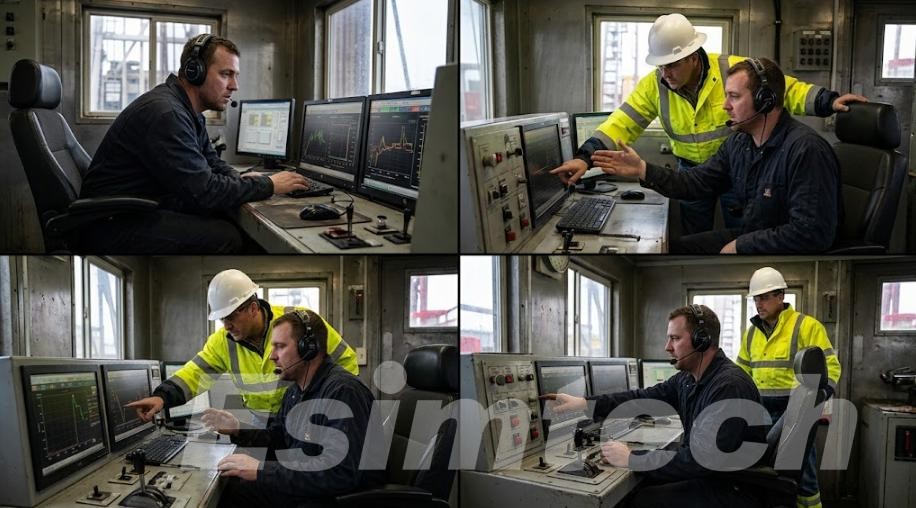
Ask any operator in the pipeline control room about the leak detection system (LDS), and what you are likely to hear is the same complaint: too many false alarms.
When the pipeline switches between multiple products, or when the main pumping station suddenly reduces the flow rate, water shock waves and pressure fluctuations will occur within the pipeline. Traditional instruments are prone to misjudging these normal operational fluctuations as pipeline damage. After experiencing hundreds or thousands of false alarms, operators are bound to develop “alarm fatigue” – which precisely masks the fatal risks of minor leaks.
Nowadays, in the face of increasingly strict zero-emission regulations (especially for methane and carbon dioxide) and complex on-site conditions, pipeline operators are under double pressure. Modern leak detection strategies no longer rely on a single “panacea” technology, but instead aim to build a comprehensive defense system that integrates multiple sources and conducts cross-validation.
1. Internal vs. External LDS: The Field Reality
A single technology is insufficient to cover all scenarios. Clearly identifying the advantages and disadvantages of each solution is the prerequisite for constructing a complete pipeline integrity plan.
Internal calculation method
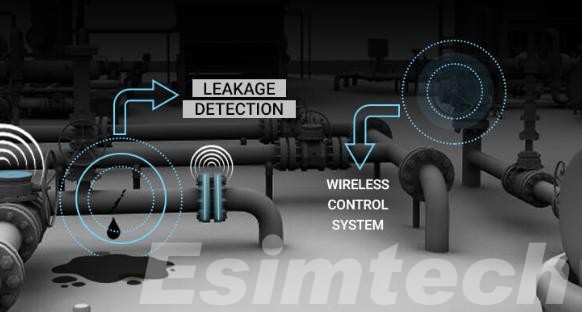
The internal system relies on standard SCADA data (flow, pressure, density, and temperature) to simulate the operation of the pipeline.
- Quality/volume Balance Method: Suitable for large-scale rupture detection in long-distance pipelines, with low cost and easy implementation. However, due to the compressibility of pipeline fluids (density changes) causing significant interference with the readings, this method is difficult to achieve rapid response.
- Extended Real-Time Transient Model (E-RTTM): As the industry standard for computational leak detection, E-RTTM solves the energy and momentum equations in real time, comparing the predicted hydraulic behavior with the measured data. Compared to the mass balance method, it can detect even smaller leaks, but it highly relies on high-precision instrument calibration.
External Physical Sensing
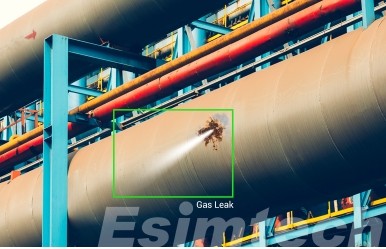
This method mainly identifies leaks by sensing external sounds, lights, or gas indications from the pipeline.
- Distributed Acoustic and Temperature Sensing (DAS/DTS): By using optical fibers laid along the pipeline, it can monitor the ultrasonic noise generated by leaks or capture the temperature changes caused by the Joule-Thomson effect in real time. Its advantage lies in extremely high positioning accuracy (within ±5 meters), but the cost of retrofitting existing buried pipelines is very high.
- Unmanned Aerial Vehicles and Satellite Remote Sensing: The optical gas imaging (OGI) technology installed on unmanned aerial vehicles or low-orbit satellites is suitable for large-scale inspections of remote pipelines. However, due to weather and flight plan constraints, this technology can only conduct periodic spot checks and cannot achieve continuous monitoring.
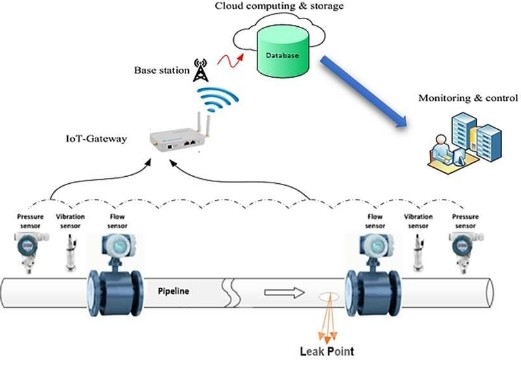
Practical Performance Comparison
No single detection technology can address all pipeline integrity risks. Internal detection methods (such as the mass balance method and Extended Real-Time Transient Modeling E-RTTM) are good at conducting continuous hydraulic monitoring of the entire pipeline network, but they are highly dependent on instrument accuracy and have difficulty detecting tiny leaks. External physical detection methods (such as Distributed Acoustic Sensing DAS) can accurately locate pinhole-level leaks with high precision, but the cost of retrofitting and installing them for existing pipeline networks is high. Online detection (ILI) intelligent pigging devices can precisely map structural defects, but they are more suitable as regular maintenance methods and cannot provide real-time leak warnings.
| Technology | Detection Capability | Reaction Speed | Field Limitation |
| Mass Balance | Major leaks (Greater than 3%) | Minutes to Hours | High false-alarm rate during dynamic flow |
| E-RTTM | Medium-to-small leaks (1% to 3%) | 30 to 120 Seconds | Requires strict instrument calibration |
| Fiber Optic (DAS) | Pinhole leaks (Less than 0.5%) | Real-time (Under 5 seconds) | High installation cost on legacy lines |
| Smart Pigging (ILI) | Metal loss & wall deformation | Periodic inspection | Provides no real-time leak alert |
How AI and Simulation Fix the “False Alarm” Problem
The latest breakthrough in pipeline integrity management lies not in the addition of new hardware sensors, but in the innovation of data processing methods.
AI-Driven Multi-Sensor Fusion
Modern edge computing no longer relies on a single pressure sensor or acoustic cable to directly trigger a shutdown. Instead, it utilizes machine learning algorithms to comprehensively evaluate multiple sources of data. For instance, when the pressure drops, if the acoustic sensor does not detect abnormal vibrations and the upstream valve has just completed the switch, the AI will determine it as a normal operation and suppress false alarms. This multi-dimensional cross-validation can eliminate over 95% of operational false alarms.
The Role of Dynamic Simulation
Pipeline safety faces a fundamental paradox:
In a real operating pipeline network, it is impossible to verify the effectiveness of the leak detection system by artificially causing damage. Dynamic simulation technology is precisely the key to solving this problem:
- Model calibration and digital twin: The dynamic simulator, as a real-time digital twin, can precisely detect minor hydraulic anomalies before the traditional alarm thresholds are triggered. This is achieved by running the parallel hydraulic model and synchronizing it with the actual SCADA data.
- CFD leakage scenario simulation: Computational Fluid Dynamics (CFD) can simulate the leakage diffusion paths under different aperture sizes, fluid pressures, and soil conditions, assisting engineers in scientifically optimizing the laying plan of optical fiber sensors to achieve comprehensive coverage at an extremely high cost-performance ratio.
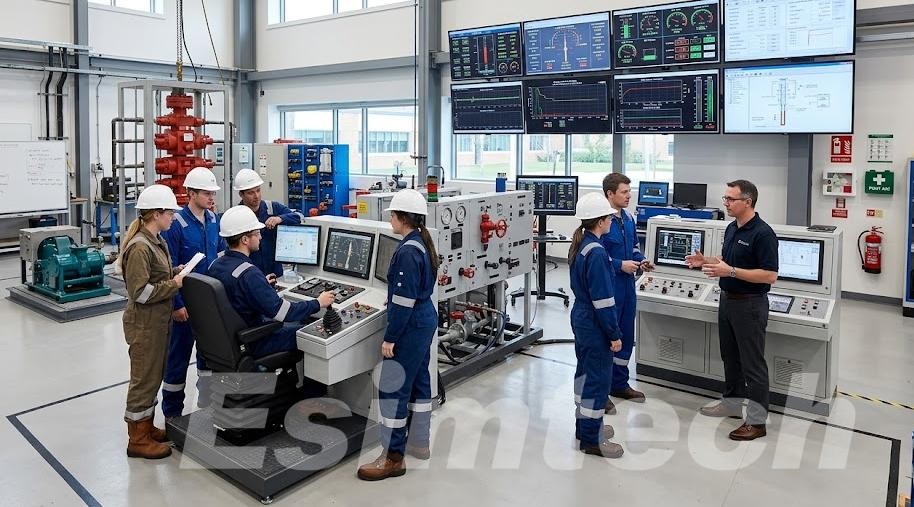
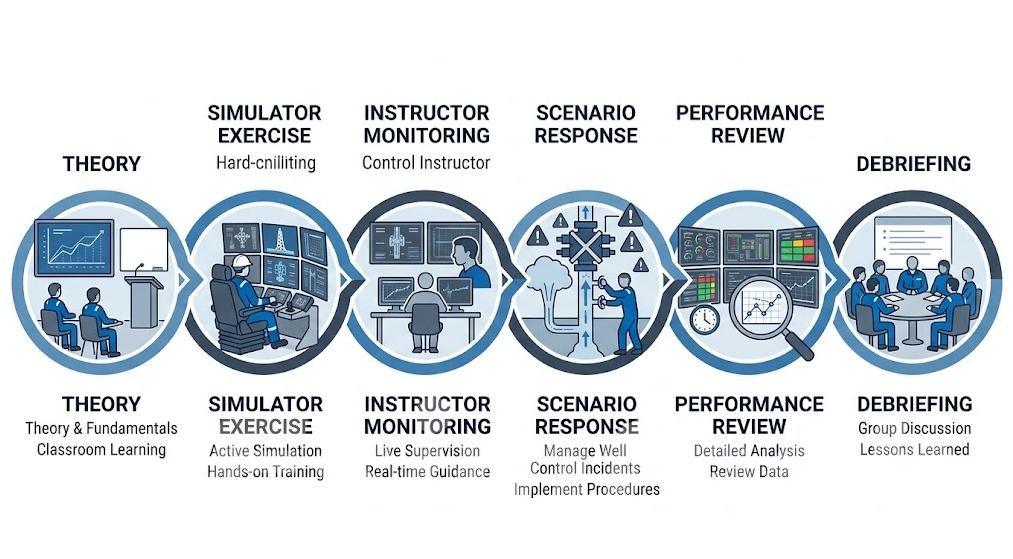
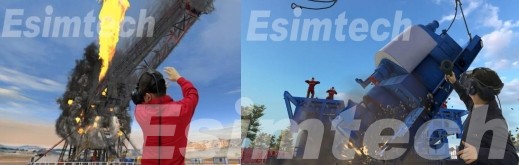
Control room emergency drill: In the event of a real leakage, operators must make decisions within seconds. The simulation platform (such as the Esimtech emergency simulation training system) can provide practical drills for dispatchers on pipeline rupture, compressor tripping, and emergency shut-off valve actions, ensuring prompt response when a real alarm is triggered.
Checklist for Building a Resilient LDS Strategy
When optimizing or designing the Pipeline Integrity Management System (PIM), the following engineering empirical methods are recommended:
- Identify high-consequence areas (HCA): Deploy fiber optic distributed sensing systems (DAS/DTS) in areas where the river passes through, in densely populated areas, and in ecologically sensitive zones.
- Upgrade the remote measurement performance of SCADA: Increase the sampling frequency of pressure and flow transmitters (greater than 10 Hz), providing high-precision data support for the E-RTTM hydraulic model.
- Integrating multi-source sensor data: Deploying AI algorithms on top of traditional SCADA and physical sensors to effectively filter out false alarms caused by process fluctuations.
- Conduct dynamic simulation verification: Use a high-fidelity simulator to conduct stress tests on the detection algorithm, and at the same time carry out real-site leakage drills to enhance the emergency response capabilities of the operation and maintenance team.
An excellent pipeline leakage detection system is not valued by the number of alarms, but by whether it can provide solid evidence for the emergency decision-making of operators. By integrating hardware sensors, dynamic simulation and intelligent data fusion in a deep manner, the operation and maintenance team can break free from the predicament of passive response and move towards true predictive monitoring.