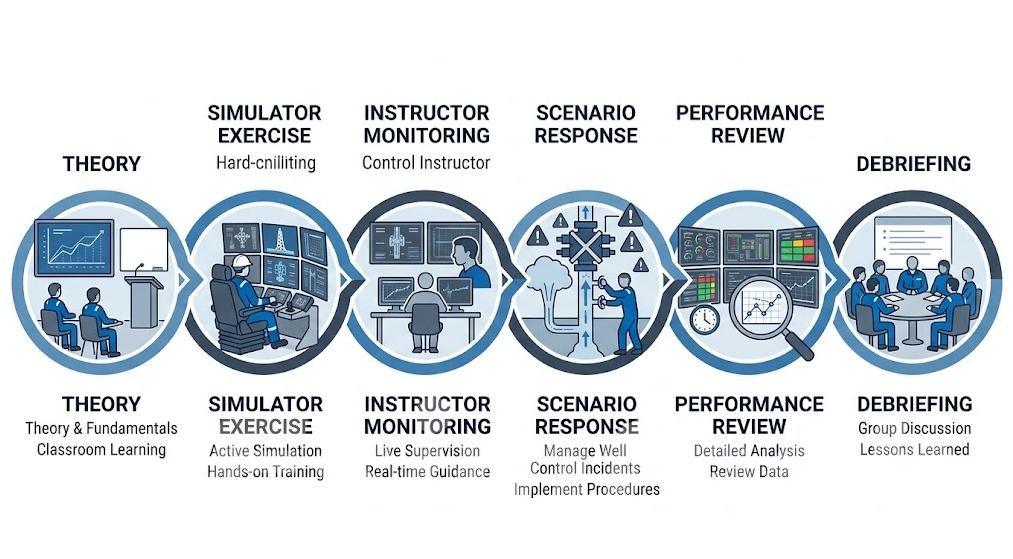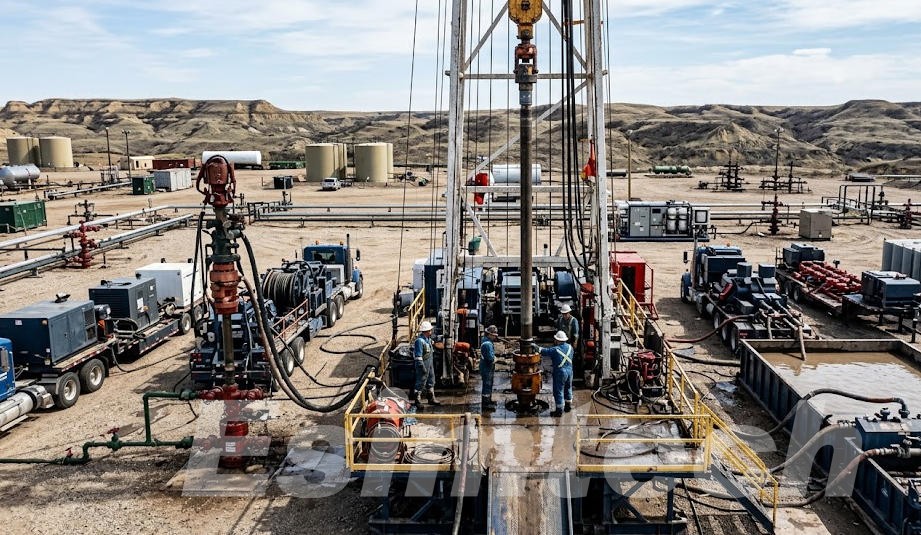
What is Offshore Construction? Key Components, Risks, and How Simulation Driving Safety

Written By: Computer Science Professor
Deeply rooted in the R&D of simulators for the oil and gas industry, committed to bringing safety to every oil worker.
Offshore construction in the oil and gas sector is a sophisticated and critical component of worldwide energy production. It entails the preparation, design, construction, transportation, installation, and upkeep of numerous offshore structures and facilities. Oil rigs, drilling platforms, and production facilities are examples of offshore installations that make it possible to explore and collect hydrocarbon resources from the seabed.
Navigating the complexities of offshore construction requires absolute precision. In this comprehensive guide, we explore the essential structural components, severe engineering challenges, and how cutting-edge simulation technology is transforming risk mitigation and operational training in modern marine engineering.
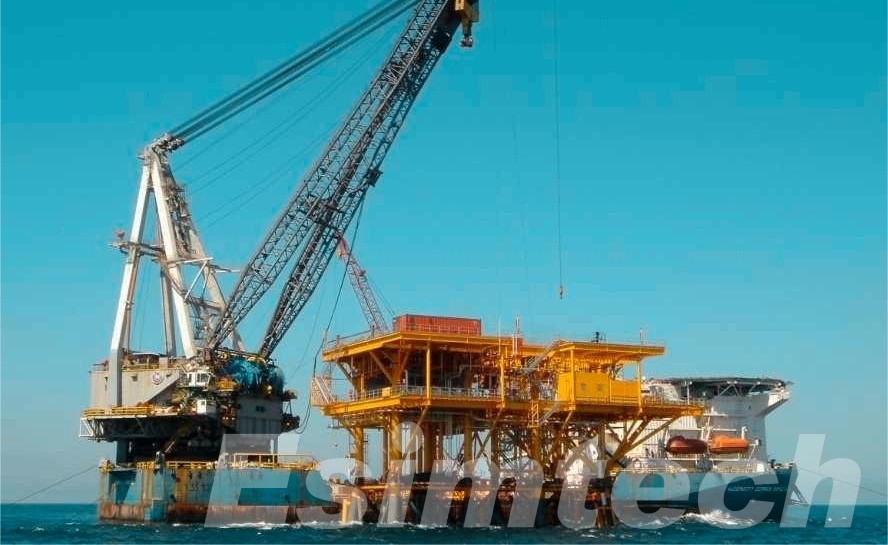
The Significance of Offshore Construction
Offshore construction plays a pivotal role in the oil and gas industry for several compelling reasons:
- Resource Extraction: Offshore construction plays a pivotal role in accessing oil and natural gas reserves located beneath the seabed, making a substantial contribution to the global energy supply. These offshore installations provide access to resources that are typically unreachable through onshore drilling methods.
- Economic Contribution: Offshore oil and gas production yields significant economic advantages, encompassing the creation of jobs, revenue generation, and investment prospects. It provides essential support to various industries, including engineering, construction, logistics, and maintenance.
- Enhanced Energy Security: Through offshore production, the diversification of oil and gas sources occurs, bolstering energy security. This diversification diminishes dependence on land-based reserves and assists in meeting the ever-growing energy needs of society.
Key Components of Offshore Construction
Offshore construction encompasses a wide range of activities, each crucial to the success of oil and gas projects.Here are some of the key components.
Offshore Platform Construction
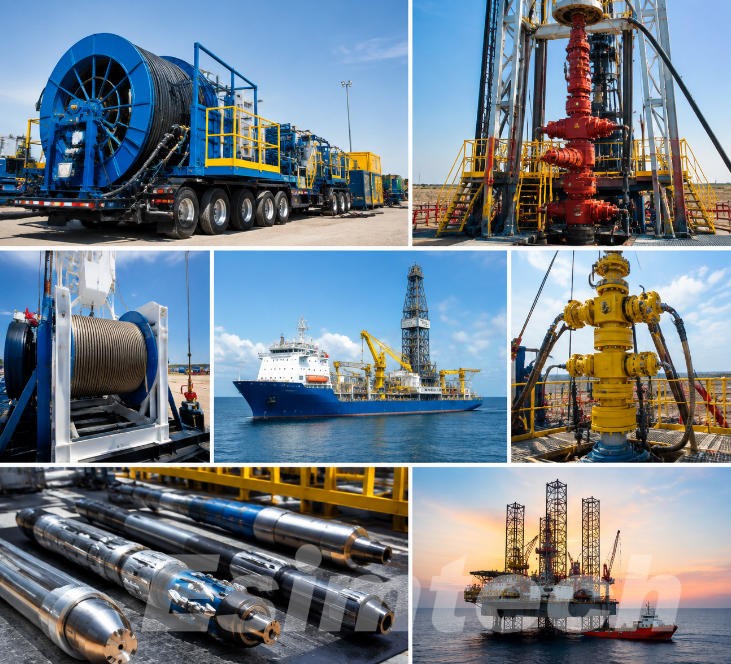
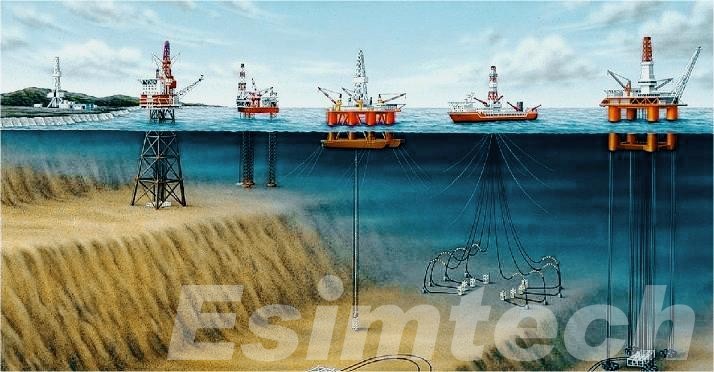
Offshore platforms serve as hubs for various activities, including drilling, production, and processing of oil and gas. These platforms come in various types, such as fixed platforms, floating platforms, and subsea systems, each designed for specific offshore conditions.
- Fixed Platforms: Fixed platforms such as jackets and gravity-based systems are fixed to the seabed, making them well suited for shallow waters. The installation of these systems poses a huge risk in terms of piling and structural assembly. Advanced drilling and well control simulation can be employed by engineers in the pre-construction phase in order to test the physical structure limits and prepare the staff for possible stresses.
- Floating Platforms: Deployed in ultra-deepwater zones where fixed structures are unfeasible, floating platforms—including semi-submersibles, SPARs, and Tension Leg Platforms (TLPs)—depend heavily on hydrodynamic stability. Modern project management utilizes high-fidelity marine navigation and ocean-environment simulators to model wave impact, ballast control, and mooring tensions, ensuring structural integrity long before the asset is towed to the offshore site.
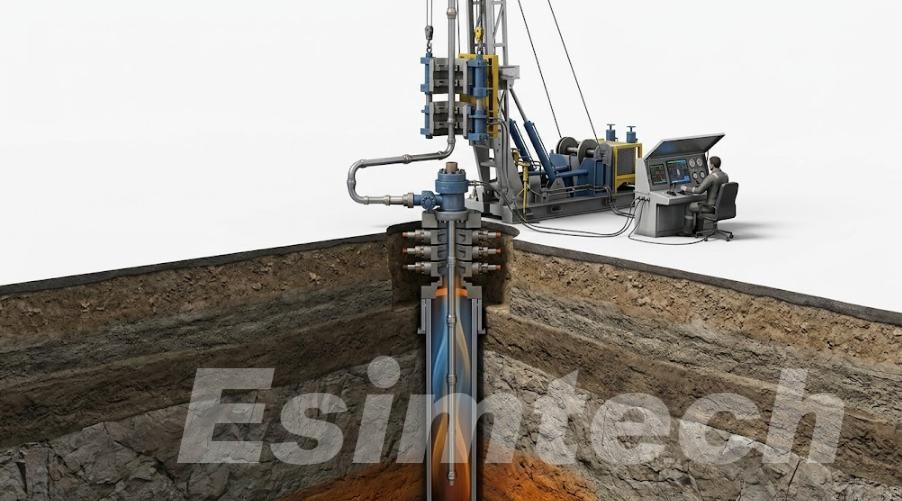
- Subsea Systems: In certain scenarios, offshore platforms are entirely submerged beneath the water’s surface. Subsea systems encompass wells, pipelines, and processing equipment installed on the seabed. Simulation is of paramount importance in the design and optimization of subsea systems, ensuring the efficient extraction of resources from beneath the ocean floor.
Offshore Oil Rig Construction
Building offshore oil rigs is a complex process that involves planning, making, and setting up drilling platforms in offshore areas. These rigs are crucial for finding and extracting oil and gas beneath the seabed. Constructing them is tough because of the tough environment and faraway locations where they are often placed.
- Design and Engineering: The process commences with meticulous design and engineering efforts. Engineers are tasked with considering critical factors such as water depth, wave height, seabed geology, and compliance with environmental regulations. To ensure the rig’s stability and safety, advanced computer simulations are employed to model and analyze these conditions comprehensively.
- Fabrication: Following the finalization of the design, the various components of the rig are meticulously fabricated onshore. This phase involves the construction of substantial steel structures, pipelines, and drilling equipment. Modern fabrication techniques, including 3D printing and automated welding, significantly enhance precision and efficiency throughout this stage.
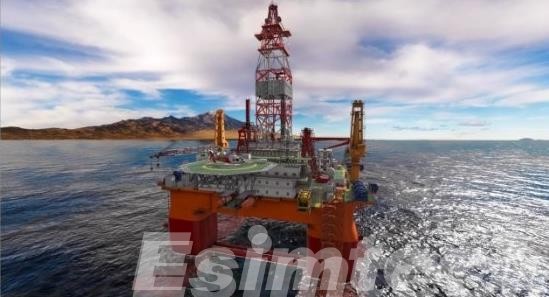
- Transportation: Upon completion of fabrication, the components of the rig face the challenging task of transportation to their offshore destination. This often presents a logistical puzzle, particularly when rigs are positioned hundreds of miles away from the nearest shoreline. To overcome this challenge, specialized vessels are deployed to transport these massive structures to their designated offshore sites.
- Installation: The installation of an offshore oil rig demands precision and expertise. The rig’s various components are carefully lowered into the water and assembled on-site. This intricate process frequently involves underwater welding techniques and the utilization of remotely operated vehicles (ROVs) to ensure the accurate placement of components.
Subsea Installations
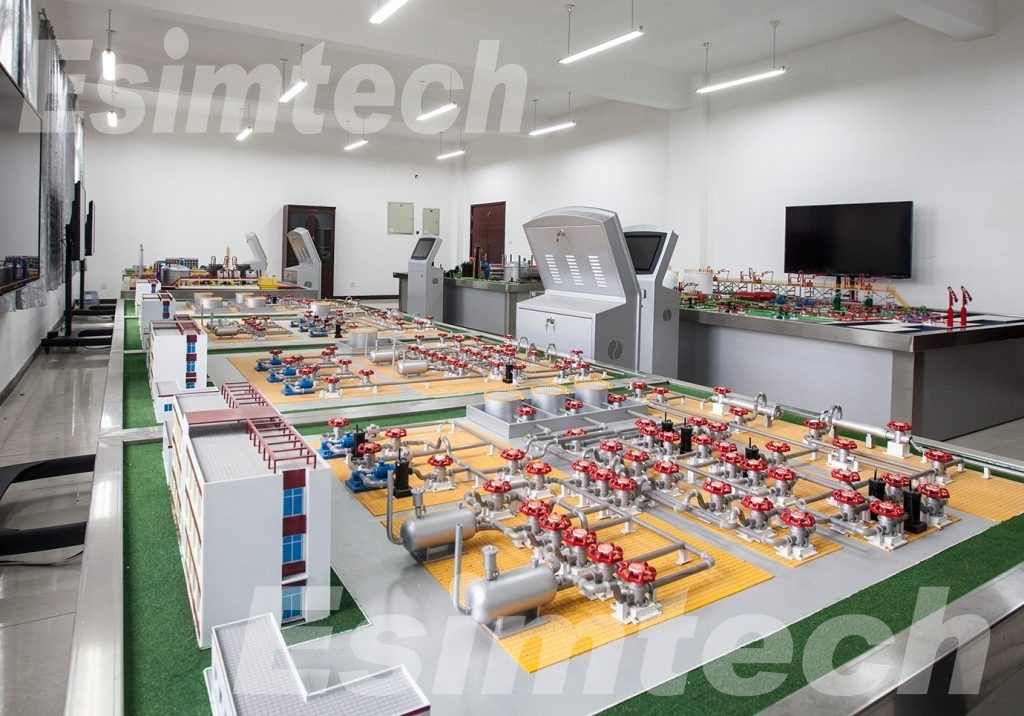
Submarine engineering requires perfection, since fixing any mistakes several thousand meters below sea level proves to be extremely costly. Subsea installation consists of installing complicated structures such as manifolds, subsea trees, and flowlines on the ocean floor. In order to avoid these hazards, oil and gas companies depend upon Downhole Operation Simulators and digital twins to help train ROV pilots and technicians.
- Wellhead Installation: Securely positioning access points on the seabed for drilling and extraction.
- Pipelines and Flowlines: Laying pipes on the seabed to transport hydrocarbons from wells to production platforms or onshore facilities.
- Manifolds: Distributing hydrocarbons from multiple sources and controlling their flow.
- Subsea Trees: Complex valve assemblies on wellheads for remote control and maintenance.
- Remote Operation and ROVs: Using remote technology and vehicles for inspections and repairs in deep, remote locations.
Pipelines construction
Pipelines are vital for transporting offshore-produced oil and gas. Key pipeline considerations include:
- Design and Engineering: Optimizing pipeline design for safety and efficiency in varying conditions.
- Materials and Coatings: Using corrosion-resistant materials and coatings to extend pipeline lifespan.
- Pipeline Laying: Deploying pipelines using specialized vessels and techniques suitable for water depth.
- Subsea Infrastructure: Integrating risers and tie-ins to connect pipelines with production platforms.
- Inspection and Maintenance: Regular inspections using ROVs to ensure pipeline integrity.
- Safety and Environmental Concerns: Implementing safety measures and monitoring systems to prevent leaks and protect the environment.
- Challenges in Deepwater: Addressing extreme pressure and temperature conditions in deepwater pipeline installations.
Challenges in Offshore Construction
Offshore construction is not without its challenges, and industry professionals must contend with a range of factors, including:
- Harsh Environmental Conditions: Offshore construction sites are exposed to extreme weather conditions, including hurricanes, high waves, and subzero temperatures. These conditions can disrupt operations and pose safety risks to workers.
- Logistics and Transportation: Mobilizing equipment, materials, and personnel to remote offshore locations can be logistically challenging. Specialized vessels and infrastructure are required for transportation.
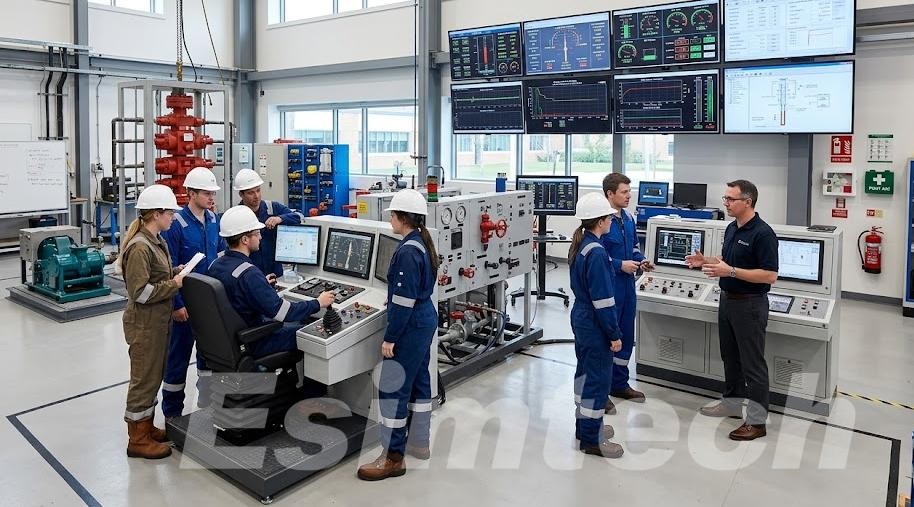
- Safety: Offshore construction is inherently hazardous, with potential risks associated with heavy machinery, working at heights, and exposure to hazardous substances. Strict safety protocols and training are imperative to protect workers.
- Environmental Impact: Offshore construction can have environmental consequences, including habitat disruption and the release of pollutants. Minimizing these impacts through responsible practices is a priority for the industry.
Recent Developments and Innovations in Offshore Construction
The oil and gas industry, driven by the need for efficiency and sustainability, has seen several recent developments and innovations in offshore construction:
Digitalization
The integration of digital technologies, such as the Internet of Things (IoT), sensors, and data analytics, has improved real-time monitoring and predictive maintenance, increasing the reliability of offshore installations.
Environmentally Friendly Practices
Environmental concerns have led to the adoption of greener practices in offshore construction. This includes the use of environmentally friendly materials, waste management, and minimizing the impact on marine ecosystems.
High-Fidelity VR Simulators
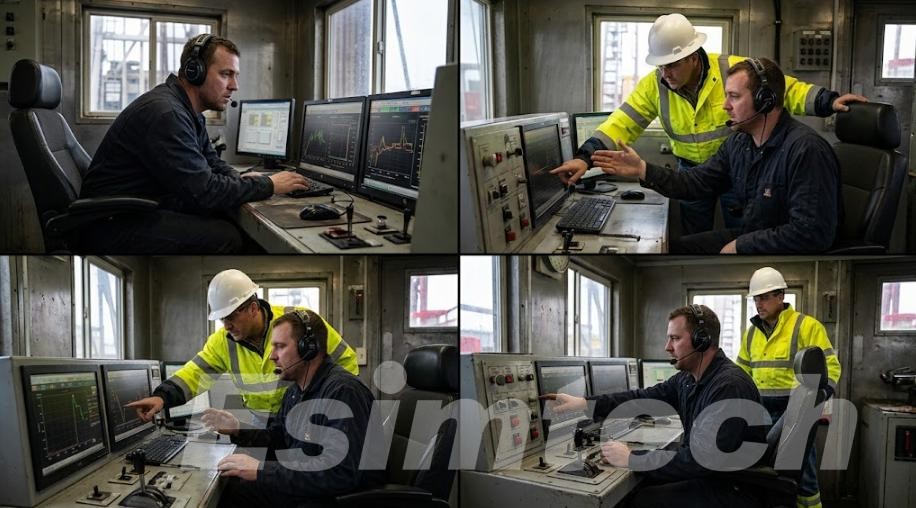
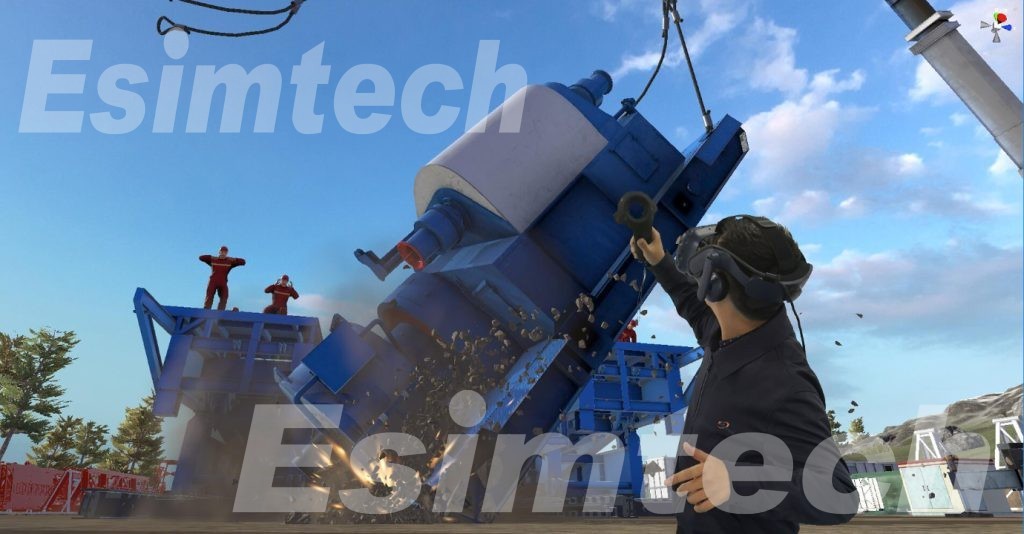
The integration of VR simulators into offshore training has been transformational. The use of VR technology allows creating a 3D twin of the platform, making it possible for personnel such as crane operators, derrickmen, and safety officers to perform dangerous procedures and drills with no risk involved.
Operational Digital Twins for NPT Reduction
Instead of testing things out while actually constructing offshore platforms, current engineers make use of digital twins. Using the integration of digital simulation systems that include oil & gas production and transport processes along with IoT sensors installed on the platform, it is possible to perform predictive maintenance and logistics planning.
Cost Optimization
Oil and gas production and transportation Simulation allows project managers to identify potential cost-saving measures by optimizing construction processes and logistics. By analyzing different scenarios, decision-makers can make informed choices that reduce project expenses.
Conclusion
Offshore construction is a critical component of the energy industry, enabling the extraction of valuable resources from beneath the seabed. The construction of offshore oil rigs and platforms is a complex and challenging endeavor that demands precision, innovation, and a commitment to safety and environmental responsibility.