Coiled Tubing vs. Conventional Workover for Well Intervention

Written By: Computer Science Professor
Deeply rooted in the R&D of simulators for the oil and gas industry, committed to bringing safety to every oil worker.
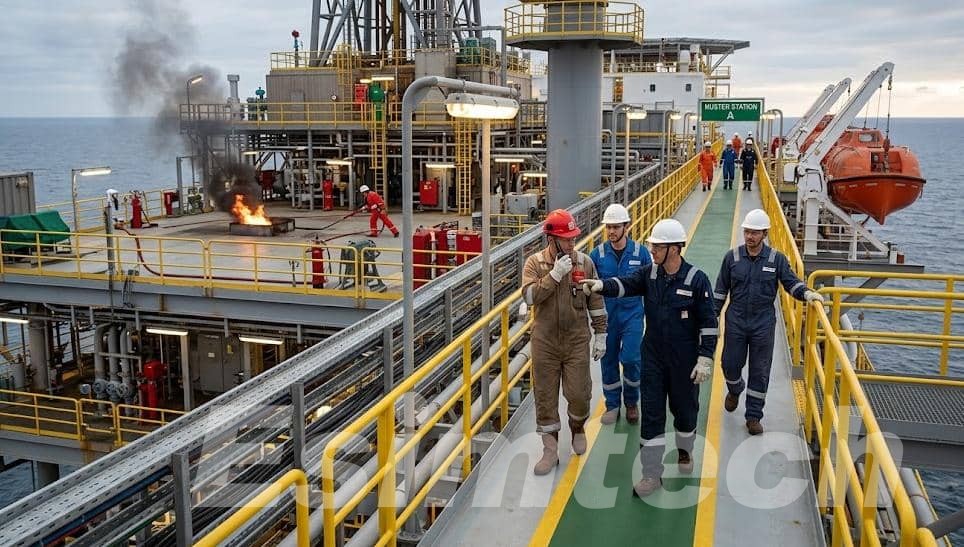
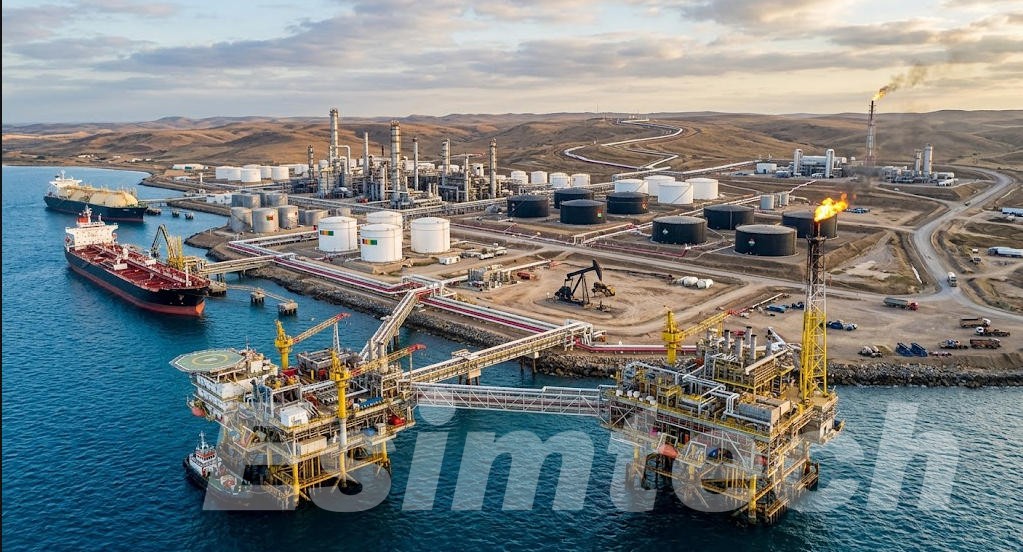
Well intervention matters a lot for keeping oil and gas output steady. It can also improve well performance and help existing wells last longer. When a well needs help, like maintenance, repair, stimulation, or improved production, operators usually compare coiled tubing and conventional workover operations.
Both options aim to solve similar issues. Still, they work in different ways. The equipment is built differently, the method of running into the well changes, and the cost and efficiency can shift too. Knowing how coiled tubing compares to conventional workover helps operators select the most suitable intervention solution for different well conditions.
Overview of Coiled Tubing for Well Intervention
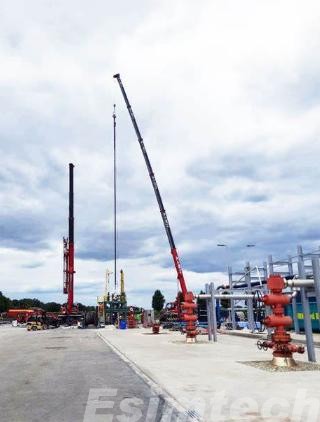
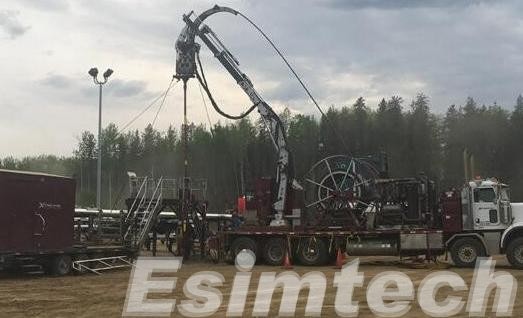
Coiled tubing is a type of well intervention. It uses one long, flexible steel tube. The tube is kept on a reel. Operators send the tubing into the well with an injector head. Pressure control gear is used to keep the well stable and protected.
With coiled tubing, the job can often be done in a live well. That means the operation may not need a full shutdown in many cases. For jobs that must start fast and avoid long downtime, this can be a strong advantage.
Common coiled tubing uses include:
- Well cleanouts
- Sand and scale removal
- Nitrogen lifting
- Acid stimulation
- Logging operations
- Plug setting and retrieval
- Milling and fishing operations
Coiled tubing units are often picked when speed and mobility matter, and when the team wants less impact on routine operations.
Overview of Conventional Workover for Well Intervention
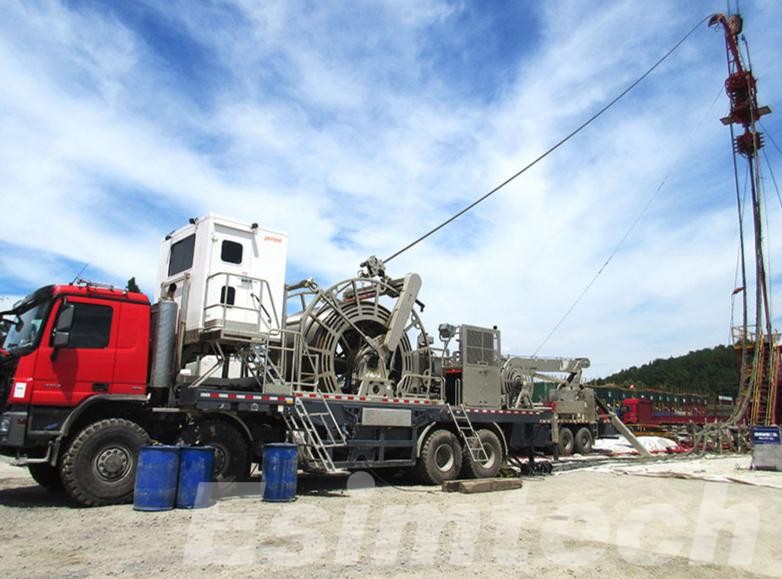
Conventional workover relies on a workover rig. This rig is used for major repair and maintenance work. Instead of one continuous tube, the work uses jointed pipe. Each pipe section is added as the string is lowered into the well.
A workover rig can lift heavy loads. It can also apply strong mechanical force. For tasks that need more complex work, these rigs offer more range in how the job is handled. They are often used when the well needs big changes downhole, or when key equipment must be swapped or altered.
Typical conventional workover tasks include:
- Tubing replacement
- Completion repair
- Downhole equipment recovery
- Fishing operations
- Well recompletion
- Major well servicing activities
Even though conventional workover can take more time and use more resources, it still plays a key role when intervention is hard.
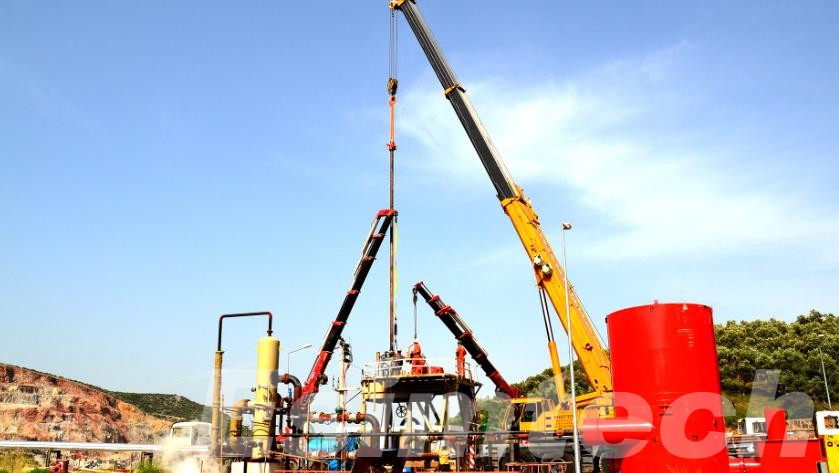
Key Difference Between Coiled Tubing and Conventional Workover for Well Intervention
1. Equipment Design and Operating Method
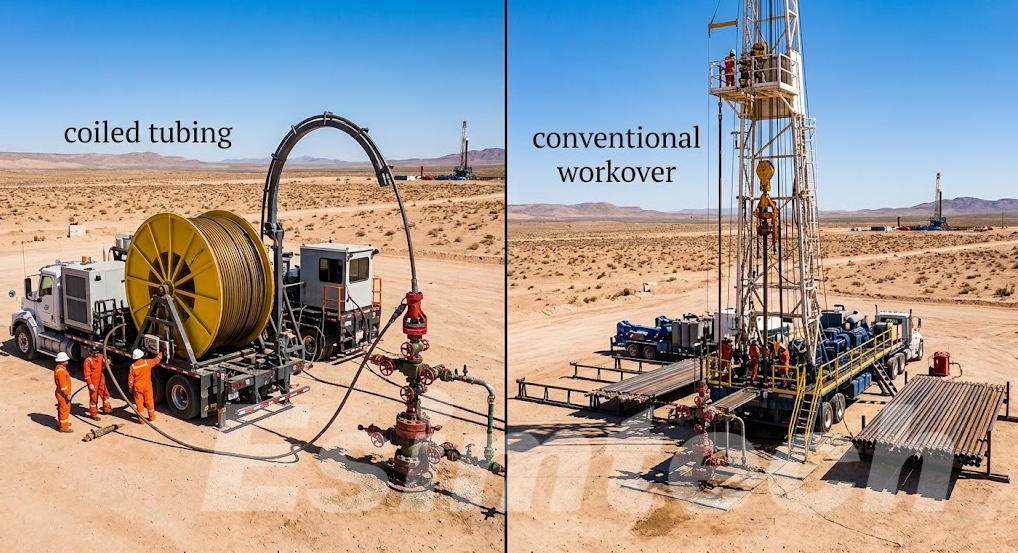
The most significant difference between coiled tubing and a conventional workover lies in how the tubing goes into the hole. With coiled tubing, you use one long strip of flexible steel. That tubing sits on a big reel at the surface. Then an injector system pushes it into the well. Pressure control hardware manages the job so it stays within safe limits. Since it comes as one length, you do not have to join pipe pieces during run-in.
With conventional workover, you rely on a workover rig and made-up lengths of jointed tubing or drill pipe. Each segment has to be added and taken off as it moves in and out of the well. People or mechanical tools handle those connections. The work takes longer, but the setup offers strong mechanical performance for tougher tasks.
Coiled tubing equipment is also smaller overall. That helps with moving the unit and putting it to work. Conventional workover rigs need more open area and extra support systems. Still, the bigger rig body can lift more, which matters for major repairs.
2. Operational Efficiency and Speed
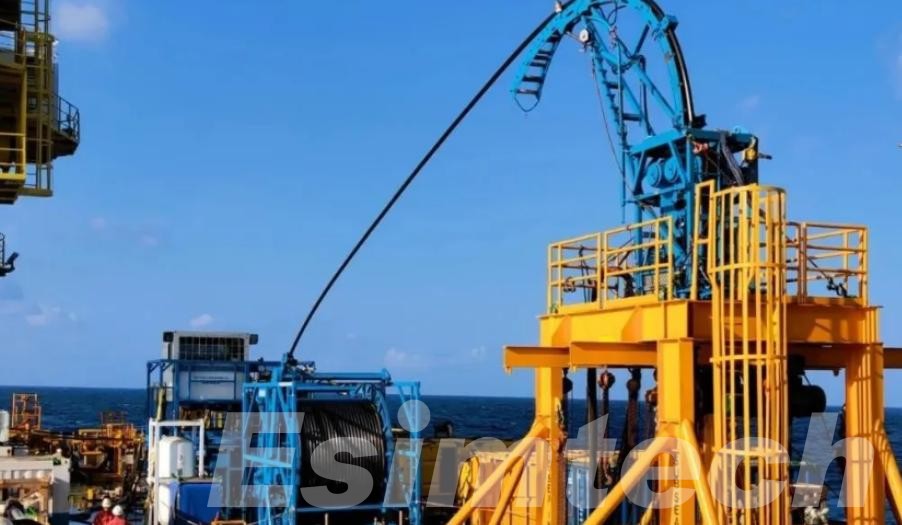
Coiled tubing often gets chosen for faster operations. Because the tubing is continuous, crews can start intervention sooner. They also do not need to repeat pipe connection steps over and over. That cuts down non-productive time. As a result, more maintenance tasks can fit into tighter schedules.
For jobs like well cleanouts, scale removal, or stimulation work, coiled tubing can keep fluids moving in a steady way. It can circulate as it travels through the wellbore. That supports smoother job execution and tends to shorten the total intervention time.
Conventional workover usually takes more time. The rig must be moved, set up, and then pipe handling must follow the normal step-by-step routine. Even so, the extra time can be needed for interventions that require heavier mechanical work. Examples include swapping out completion equipment or doing broad repairs.
3. Well Pressure Management
A further difference is well pressure handling. Coiled tubing setups include dedicated pressure control equipment. With that gear, operators can carry out many interventions while the well is still flowing. This can mean fewer production shutdowns. It is often useful for offshore wells and for assets where output value is high.
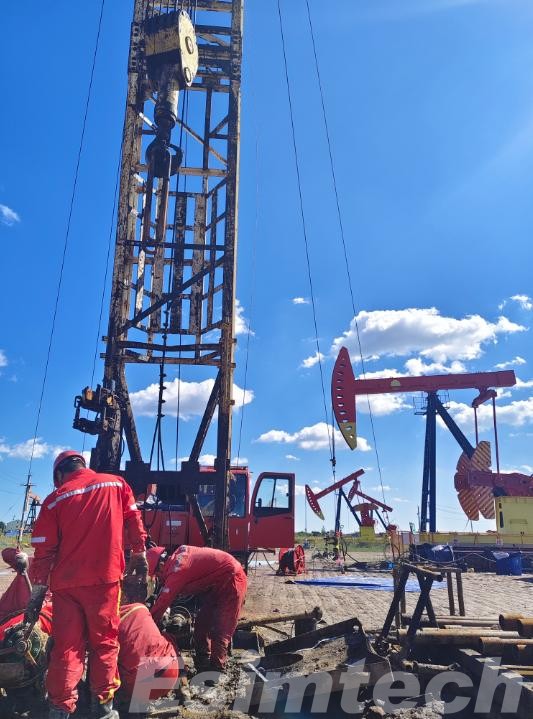
Conventional workover typically calls for more formal well control steps. In many cases, the well must be shut in before intervention starts. This can add downtime. On the other hand, it creates a more stable setup for large repair work.
So coiled tubing can fit quick pressure-tolerant tasks. Conventional workover is still the go-to choice when you need full access and you must handle heavier equipment.
4. Cost and Resource Requirements
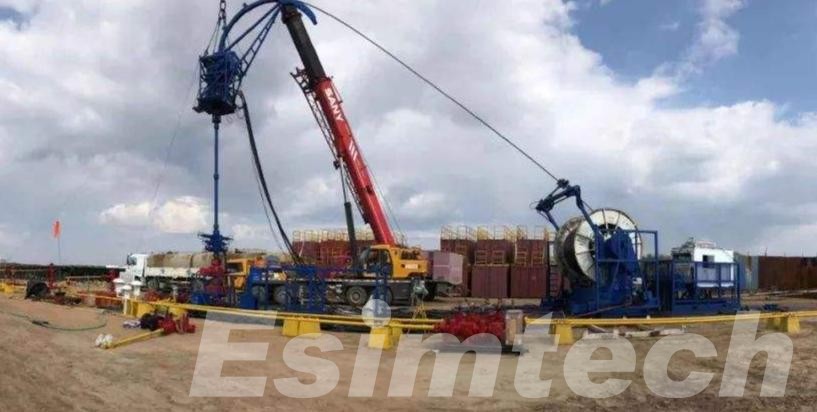
Cost efficiency matters when you compare coiled tubing with conventional workover. In many cases, coiled tubing needs less gear, fewer people, and less time on site. Because the system is smaller and the run starts faster, intervention costs can drop for routine jobs.
Another factor is downtime. When production shuts down less, operators can bring it back sooner, which improves the overall economics.
Conventional workover often costs more. Bigger rigs are involved, more manpower is needed, and projects usually take longer. Still, the extra expense can make sense when the job calls for strong mechanical force, heavy lifting, or major well changes.
What is most economical option often depends on the well intervention level. It is not only about the initial operating cost.
5. Application Range
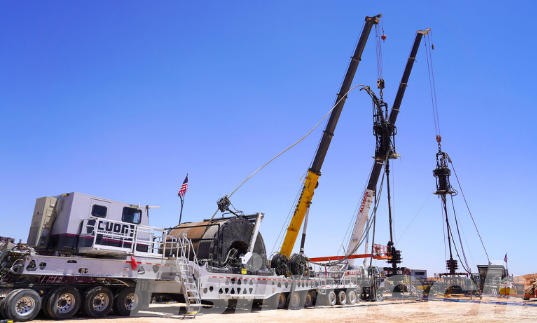
Coiled tubing and conventional workover focus on different tasks. Coiled tubing is a good fit when you need quick work, room to maneuver, and less disturbance to production. Typical uses include wellbore cleaning, nitrogen lifting, stimulation jobs, logging, plug placement, and other steps to boost output.
Conventional workover fits better for large well servicing work where strong mechanical ability is required. Examples are tubing replacement, completion changes, fishing work, recovery of downhole tools, and major repairs.
Select between them based on well condition and the target of the job. A smaller production problem may be handled with coiled tubing. A tougher mechanical failure can require a full workover rig.
6. Mechanical Capability
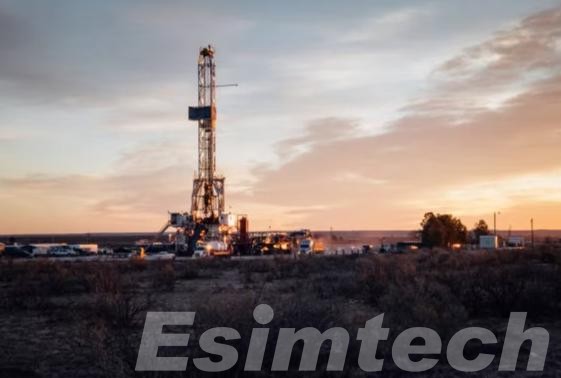
Conventional workover has the upper hand on mechanical strength. Workover rigs can deliver higher pulling power, torque, and handling capacity than coiled tubing units. That is why they work well for removing damaged equipment, swapping tubing strings, and doing heavy downhole tasks.
Coiled tubing is known for speed and flexibility. But it has limits when very high mechanical loads are needed. New coiled tubing systems keep improving, yet they are not meant to replace workover rigs for large mechanical interventions.
So, crews often use coiled tubing for maintenance that is efficient and uses moderate loads. They save conventional workover for projects that are more complex and physically demanding.
7. Environmental and Operational Impact
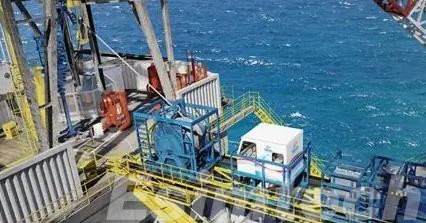
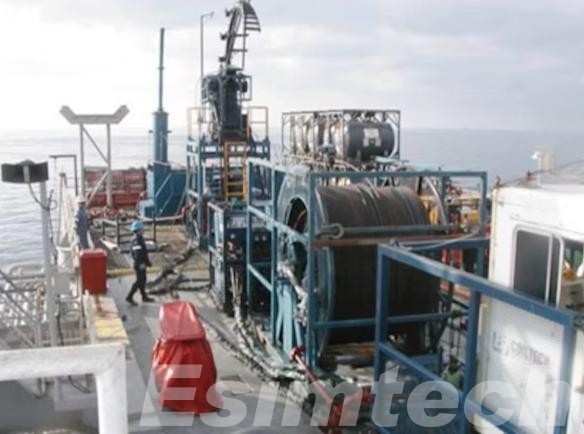
Coiled tubing usually leaves a smaller environmental footprint. The equipment is compact and the job duration is often shorter. Less transport is needed, and fewer staff are on site. That makes coiled tubing a better option for remote areas and places with tighter environmental concerns.
Workover work the usual way often needs bigger equipment and wider site logistics. That can mean more time before work starts, more truck and equipment movement, and a harder overall job plan.
Still, both approaches have to meet tough safety rules and environmental limits. That matters for responsible well intervention work.
Comparison Summary Chart
| Comparison Factor | Coiled Tubing | Conventional Workover |
| Basic Operation Method | Uses continuous flexible tubing stored on a reel and injected into the well using an injector head | Uses a workover rig with individual sections of jointed tubing or drill pipe |
| Equipment Structure | Compact coiled tubing unit, injector system, tubing reel, and pressure control equipment | Large workover rig, hoisting system, derrick/mast, and pipe handling equipment |
| Deployment Speed | Faster deployment because continuous tubing eliminates repeated pipe connections | Slower operation due to assembling and removing individual pipe sections |
| Well Pressure Operation | Can often perform interventions on live wells with pressure control equipment | Usually requires well shut-in and more extensive pressure management procedures |
| Production Downtime | Minimizes production interruption and allows faster return to production | Often requires longer production shutdown periods |
| Operational Cost | Generally lower cost for short and medium intervention operations | Higher cost due to rig rental, larger crews, and longer operation time |
| Equipment Footprint | Smaller and easier to transport, suitable for remote and offshore locations | Larger footprint requiring more space and complex logistics |
| Labor Requirements | Requires fewer personnel due to simplified equipment operation | Requires larger crews for rig operation, pipe handling, and support activities |
| Mechanical Strength | Lower pulling force and torque capacity compared with workover rigs | Provides high pulling force, torque, and lifting capability |
| Depth Capability | Suitable for many shallow and medium-depth intervention applications | Better suited for deep wells and complex intervention operations |
| Well Intervention Speed | Faster for routine maintenance and production enhancement tasks | Slower but more capable for extensive repair operations |
| Typical Applications | Well cleanouts, nitrogen lifting, acid stimulation, logging, plug setting, scale removal | Tubing replacement, completion changes, fishing operations, equipment recovery, major repairs |
| Flexibility for Complex Jobs | Limited when heavy mechanical work is required | Highly flexible for complex downhole operations |
| Transportation Requirements | Easier mobilization due to compact equipment design | Requires more transportation resources and preparation time |
| Best Suitable For | Fast, cost-effective, and minimally disruptive well intervention | Large-scale repairs requiring heavy equipment and mechanical capability |
| Main Advantage | Speed, efficiency, lower downtime, and live-well intervention capability | Strength, versatility, and ability to handle complex well repairs |
| Main Limitation | Limited mechanical force and load capacity | Higher cost, longer setup time, and greater operational complexity |
How to Choose Between Coiled Tubing and Conventional Workover
The decision between coiled tubing and conventional workover depends on several factors as below:
| Selection Factor | Recommended Method |
| Need for fast intervention | Coiled tubing |
| Minimal production interruption required | Coiled tubing |
| Routine cleaning or stimulation | Coiled tubing |
| Heavy equipment replacement | Conventional workover |
| Major completion repair | Conventional workover |
| High pulling force requirement | Conventional workover |
| Limited site access | Coiled tubing |
| Complex downhole operations | Conventional workover |
- For routine maintenance, production optimization, and fast intervention, coiled tubing is often the preferred choice.
- For major repairs, completion changes, and heavy mechanical operations, conventional workover remains the better option.
Future Development of Coiled Tubing and Workover Technologies
The future of coiled tubing and workover technologies is moving toward automation, digitalization, intelligent control, improved safety and higher operational efficiency.
| Future Development Area | Coiled Tubing Technology | Workover Technology |
| Automation and Intelligent Control | Development of automated injector systems, intelligent tubing movement control, and closed-loop operation systems to improve intervention accuracy and safety | Increased automation of rig operations, including automated pipe handling, lifting systems, and intelligent control platforms |
| Simulation and Digital Modeling | Use of coiled tubing simulation systems to predict tubing forces, hydraulic behavior, friction effects, fatigue conditions, and operational limits before field deployment | Application of workover simulation systems to optimize rig procedures, equipment coordination, well control planning, and complex repair operations |
| Real-Time Data Monitoring | Integration of sensors, downhole telemetry, and digital platforms for real-time monitoring of pressure, temperature, tubing load, and well conditions | Use of real-time rig monitoring systems to track equipment performance, loads, operating parameters, and safety conditions |
| Digital Twin Technology | Creation of digital replicas of coiled tubing systems to simulate intervention processes and optimize operating parameters | Development of digital twins for workover rigs and well intervention workflows to improve planning and predictive maintenance |
| Artificial Intelligence (AI) Applications | AI-based optimization of tubing deployment, cleanout efficiency, stimulation parameters, and failure prediction | AI-assisted decision-making for rig scheduling, equipment maintenance, operational risk assessment, and repair strategies |
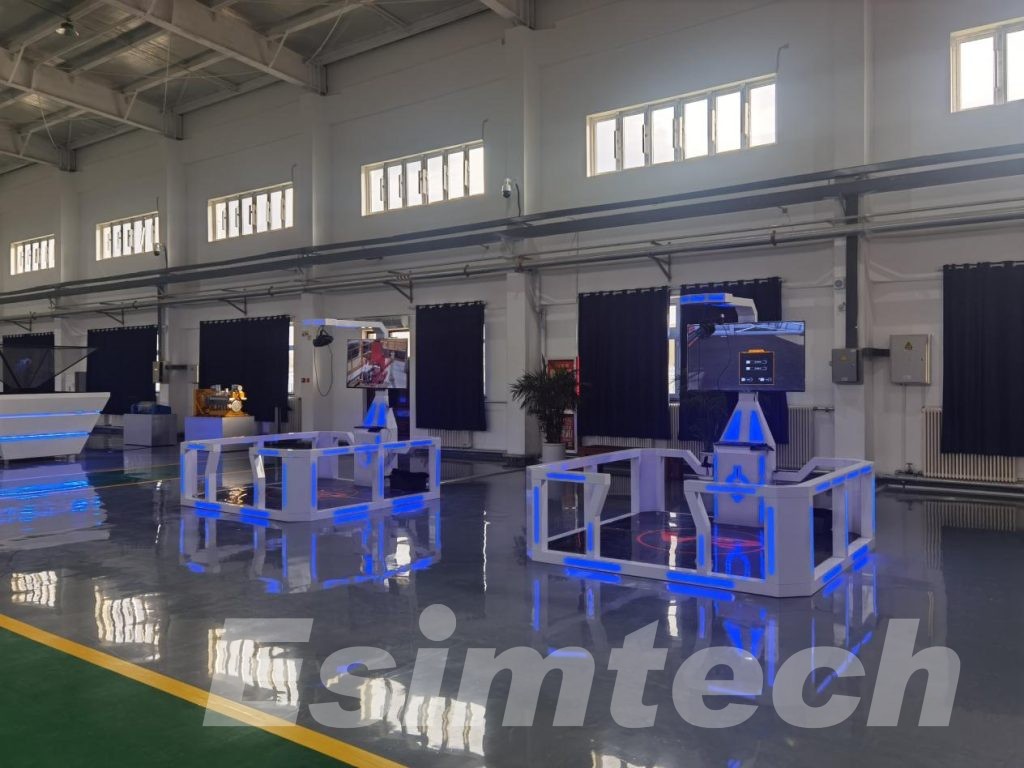
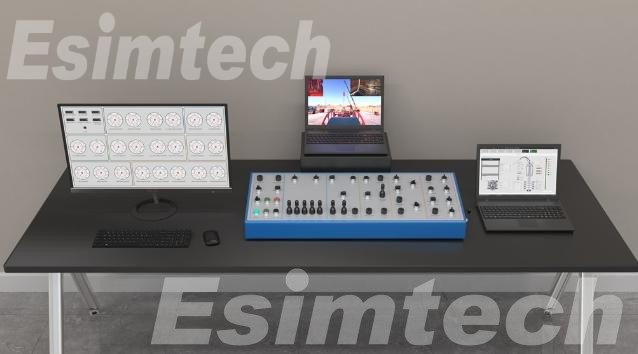
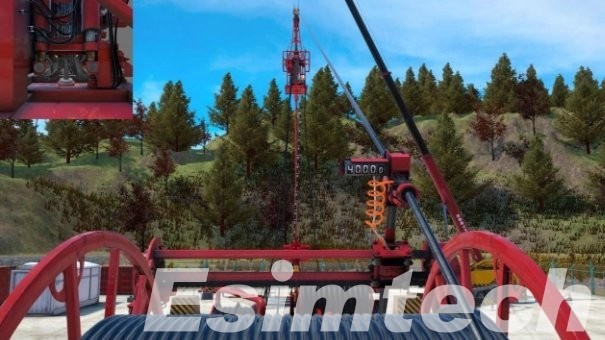
| Advanced Training Simulators | Coiled tubing simulators provide realistic training for operators on well cleaning, milling, stimulation, pressure control, and emergency scenarios | Workover simulators train crews in rig operations, completion repair, fishing operations, and well control situations |
| Extended Reach Capability | Development of stronger tubing materials, improved friction reduction methods, and advanced downhole tools for longer horizontal well interventions | Development of higher-capacity workover equipment for deeper wells and more complex completion systems |
| Remote Operation and Monitoring | Remote-controlled coiled tubing units enable specialists to monitor and optimize operations from centralized locations | Remote rig supervision systems allow engineers to support workover activities without being continuously onsite |
| Predictive Maintenance | Simulation models and sensor data help predict tubing fatigue, equipment wear, and possible operational failures | Digital monitoring helps predict failures of rig components, hydraulic systems, and mechanical equipment |
| Energy Efficiency and Environmental Improvement | Development of electric-powered coiled tubing units, reduced fuel consumption, and smaller equipment footprints | More efficient workover rigs with lower emissions, optimized energy usage, and improved resource management |
| High-Pressure and High-Temperature Operations | Advanced coiled tubing materials and simulation tools improve reliability in extreme well conditions | Enhanced workover equipment and procedures improve safety in high-pressure, high-temperature wells |
| Integration with Digital Oilfields | Connection of coiled tubing operations with cloud platforms, data analytics, and automated intervention systems | Integration of workover operations with digital field management systems for improved collaboration and efficiency |
Future coiled tubing and workover technologies will lean more on automation and software tools. Simulation and artificial intelligence will likely be used more often. Digital monitoring will help track what is happening during operations. Coiled tubing may get smarter with automatic control, models that update as data comes in, and better use of downhole signals. Conventional workover will also keep improving with smart rigs, easier equipment handling, and better digital oversight.
Final Thoughts
Coiled tubing and conventional workover both play major roles in modern well intervention. Coiled tubing tends to be faster, more mobile, cost-efficient and reducing production downtime, which helps during routine jobs. Conventional workover can bring stronger mechanical capability and more flexibility, so it can be needed for larger and more complex repairs.
By evaluating well conditions and matching the job goals, operators can select the right method. That can improve operating efficiency, lower expenses, and support better well output over the long run.