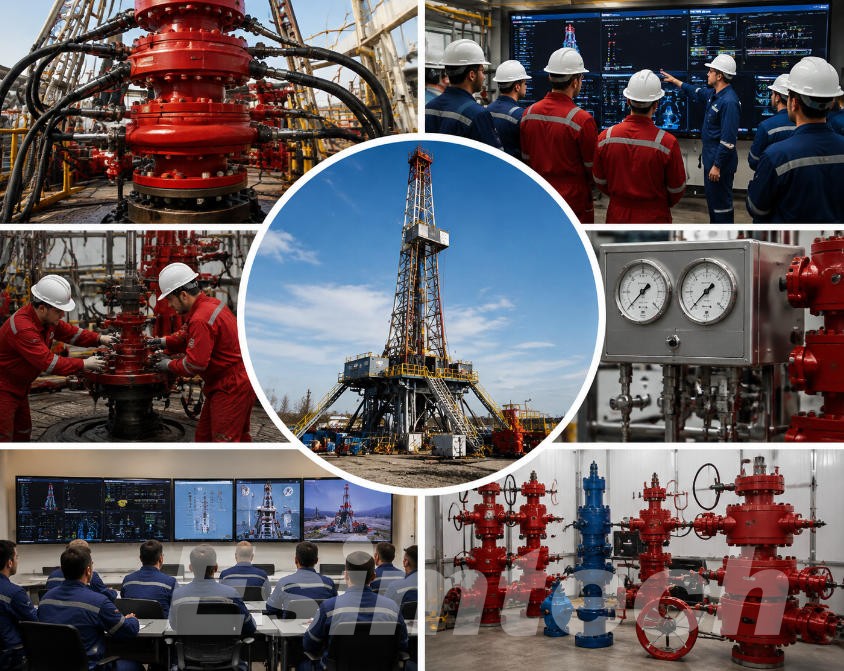
Effective Emergency Decision-making in Well Control

Written By: Computer Science Professor
Deeply rooted in the R&D of simulators for the oil and gas industry, committed to bringing safety to every oil worker.
Well control is one of the most critical aspects of drilling and well intervention. Because unexpected things like kicks, sudden pressure changes, equipment failures, or even loss of circulation can pop up fast, and if they are not spotted and managed properly, they can turn into a serious well control incident, like immediately. In those moments, emergency decision-making becomes a key factor, not just for the well but for protecting people, equipment, the environment, and keeping the well integrity in check.
Effective emergency decision-making in well control requires a combination of technical knowledge, real-time data analysis, and hands-on operational experience. And, you also need strong communication between the whole drilling team. Since well control incidents often happen in high-pressure, time-sensitive situations, personnel have to be able to notice early warning signs, judge the risks, and then carry out the right response processes quickly and accurately.
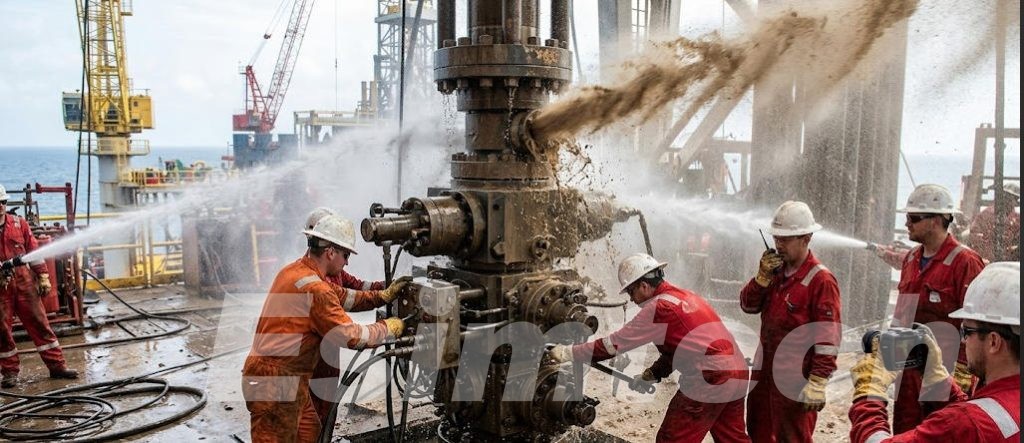
Understanding Emergency Situations in Well Control
A well control emergency occurs when formation pressure becomes uncontrolled or when the balance between formation pressure and wellbore pressure is disrupted.
The following chart provides the common emergency situations in well control, together with the causes, warning signs and risks.
| Emergency Situation | Causes | Warning Signs | Potential Risks |
| Kick (Formation Fluid Influx) | Insufficient wellbore pressure, improper mud weight, swabbing during tripping, unexpected formation pressure changes | Increase in pit volume, unexpected flow from the well, changes in drilling parameters, abnormal pressure readings | Loss of well control, possible blowout, equipment damage |
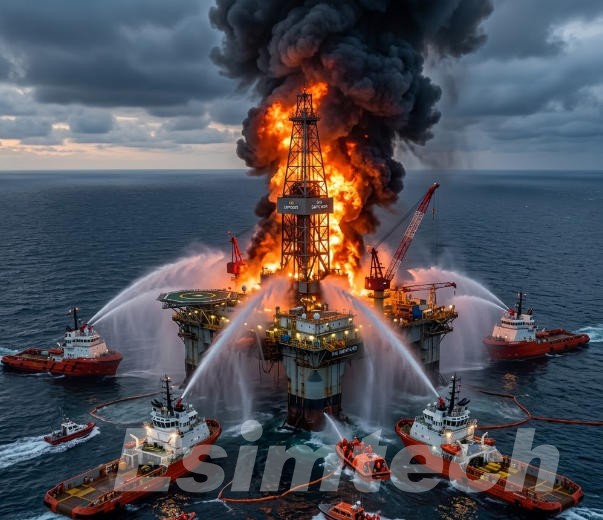
| Well Blowout | Failure to control a kick, ineffective pressure management, equipment failure, delayed response | Uncontrolled flow of formation fluids, rapidly increasing pressure, fluid discharge at the surface | Severe personnel injuries, environmental pollution, fire or explosion, major equipment loss |
| Lost Circulation | Naturally fractured formations, excessive mud pressure, weak formations, improper drilling practices | Reduced or no drilling fluid returns, decreasing mud level in pits, unstable well pressure | Loss of wellbore stability, formation damage, increased risk of kicks |
| Underground Blowout | Uncontrolled flow between underground formations, insufficient pressure control, crossflow between zones | Abnormal pressure behavior, unexpected fluid losses, inability to maintain normal well pressure | Difficult well recovery, formation damage, extended downtime |
| Abnormal Formation Pressure | Overpressured zones, geological uncertainty, inaccurate pressure prediction | Unexpected changes in drilling rate, gas shows, unusual torque and drag, pressure fluctuations | Increased kick probability, drilling complications, well instability |
| Gas Influx | Penetration into gas-bearing formations, low hydrostatic pressure, poor gas detection | Increased gas levels in returns, rapid pit gain, pressure changes, gas-cut mud | Rapid pressure increase due to gas expansion, blowout risk |
| Equipment Failure (BOP or Well Control Equipment) | Mechanical damage, poor maintenance, incorrect operation, aging components | Hydraulic problems, leakage, abnormal equipment response, pressure test failures | Reduced ability to control the well, increased safety risks |
| Pipe Sticking During Well Operations | Differential pressure, poor hole cleaning, unstable formations, excessive overbalance pressure | Increased torque, inability to move drill string, abnormal drag forces | Operational delays, stuck pipe recovery costs, potential well control complications |
| Loss of Wellbore Stability | Weak formations, improper mud weight, excessive pressure changes, geological stresses | Cavings in returns, increased torque and drag, hole enlargement, poor circulation | Stuck pipe, poor cementing conditions, increased risk of well control events |
| H₂S (Hydrogen Sulfide) Release | Drilling into sour formations containing hydrogen sulfide gas | H₂S alarms, gas detection system activation, unusual odor reports, health symptoms | Toxic exposure, fatalities, corrosion, environmental hazards |
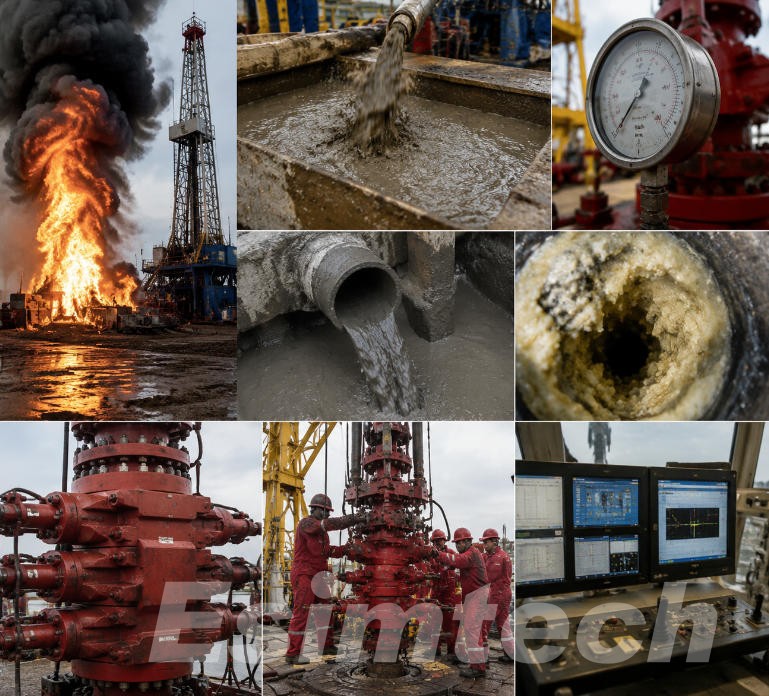
Decision-making Process During Well Control Emergencies
The decision-making process during well control emergencies requires a systematic approach that combines real-time data analysis, technical knowledge, operational experience, and teamwork. Since incorrect or delayed decisions can lead to severe consequences, drilling personnel must follow established procedures while remaining flexible enough to respond to changing conditions.
1. Recognizing and Confirming the Emergency Situation
The first stage of decision-making during a well control emergency is identifying that an abnormal condition exists. Early recognition is critical because the sooner a problem is detected, the more response options remain available.
Drilling teams depend on ongoing monitoring of key operational measures, like pit volume, fluid throughput, pump pressure, standpipe pressure, drilling pace, and the return flow pattern. When pit volume jumps quickly, when there is unexpected fluid coming out of the well during pump stop, or when pressure changes in a strange way show up, it can mean formation fluids have made their way into the wellbore.
Still, spotting something unusual is only the start. The crew has to check whether this state is actually a well control failure, or just ordinary operational drift. False alarms can cause unnecessary downtime, and if nobody recognizes a real anomaly in time, it can turn into a much tougher incident. That is why interpreting the measurements correctly is such an essential step for emergency choices.
2. Assessing the Severity of the Situation
After a well control emergency is verified, the next move is judging how severe it is. A fast assessment, but also accurate, supports choosing the most fitting response approach.
The assessment process involves looking at several things, for instance, the type of influx, estimated volume of formation fluids, well depth, formation pressure, mud properties, equipment condition, and what is happening right now during operations. For example, gas influx needs special attention because gas expansion during circulation can raise well pressure quite a bit, and then it becomes harder to keep control over the situation, during those control operations.
The team also has to consider potential risks linked with different response options. A choice that works well for a small kick in a steady formation may not be good for a big influx, a high-pressure reservoir, or a deep-water job. When operators understand the whole situation they can pick actions that reduce hazards while restoring well control.
3. Establishing Clear Command and Communication
Effective communication, and leadership are essential during well control emergencies, maybe more than people expect. A clear command structure helps decisions get made quickly and makes sure every person on site understands their responsibilities.
Before drilling operations begin, well control responsibilities should be clearly assigned across the drilling crew, supervisors, engineers, and the emergency response teams. During an emergency, the person in charge should coordinate how information is gathered, review the available options, and authorize the necessary actions.
Communication needs to be concise, accurate, and tied to standardized procedures. Key information, like pressure readings, equipment status, and planned actions, must be relayed immediately to the relevant personnel. When communication is weak, it can cause delays, confusion, and uneven responses. That tends to raise the chance that the incident escalates.
4. Selecting the Appropriate Well Control Response
After looking at the emergency situation, the team has to select the most suitable response method, because the wrong one can make everything harder. That pick usually depends on well conditions, what the equipment can actually handle and also what kind of problem is happening.
One familiar response is shutting in the well by using the blowout preventer system, or BOP for short. This step halts the uncontrolled flow and gives the crew time to check the pressure situation. Once the well is secured, the team can apply proper well control actions to remove the influx and bring the pressure balance back to normal again.
Sometimes the decision leans toward changing drilling fluid properties, then adjusting circulation rates. There is also managing surface pressure, or running specialized well intervention procedures instead. Every option needs careful evaluation, because careless actions can worsen the scenario or lead to more operational complications, later on.
Decision-makers have to juggle speed with accuracy, I mean you can’t just push one too hard. If you act slowly, the situation may end up getting more severe. But if you move too fast, without enough review, you could also end up creating additional risks, sometimes in ways you did not expect.
5. Using Real-Time Data
Today’s well control work more and more depends on digital tools to improve emergency decision-making. Real-time monitoring systems deliver nonstop snapshots of what is happening at the well, so personnel can spot issues earlier and make better, more grounded decisions.
Also, advanced data analysis platforms can pull together signals from different sources, like sensors, drilling systems, and pressure tracking equipment. This kind of system assists in highlighting abnormal patterns, forecasting likely outcomes, and supporting response planning, in a more coordinated way than manual checks alone.
6. Managing Human Factors During Emergencies
Even with strong technology support, human choice still drives a major part of emergency response for well control. Stress level, time pressure, and uncertainty can shake judgment. They can also lower how clearly teams communicate.
Training, along with lived experience, helps personnel remain composed and keep to the established procedures during emergencies. Frequent drills boost familiarity with emergency actions and give teams a chance to practice coordination in realistic conditions, not just in theory.
A strong safety culture also pushes personnel to report weird or abnormal conditions right away, and to pause operations when needed. Building a setting where safety concerns can be raised without hesitation makes early detection happen faster and lowers the chance of serious incidents.

7. Reviewing Decisions and Improving Future Responses
After a high-control emergency has been brought under control, it is essential to review the decision-making process for ongoing progress. A thorough breakdown helps clarify what happened, why specific choices were made, and how upcoming actions can be strengthened.
Usually, post-incident reviews look at equipment performance, how well communication worked, how quickly the response started, and whether procedures were followed correctly. The lessons gathered from these checks can be woven into training modules, daily operating guidelines, and emergency response plans.
Continuous improvement makes drilling teams more ready for what comes next, and it keeps well control practices moving forward as technologies change and as operational experiences keep coming in.
The Role of Training and Simulation in Well Control Emergency Decision-making
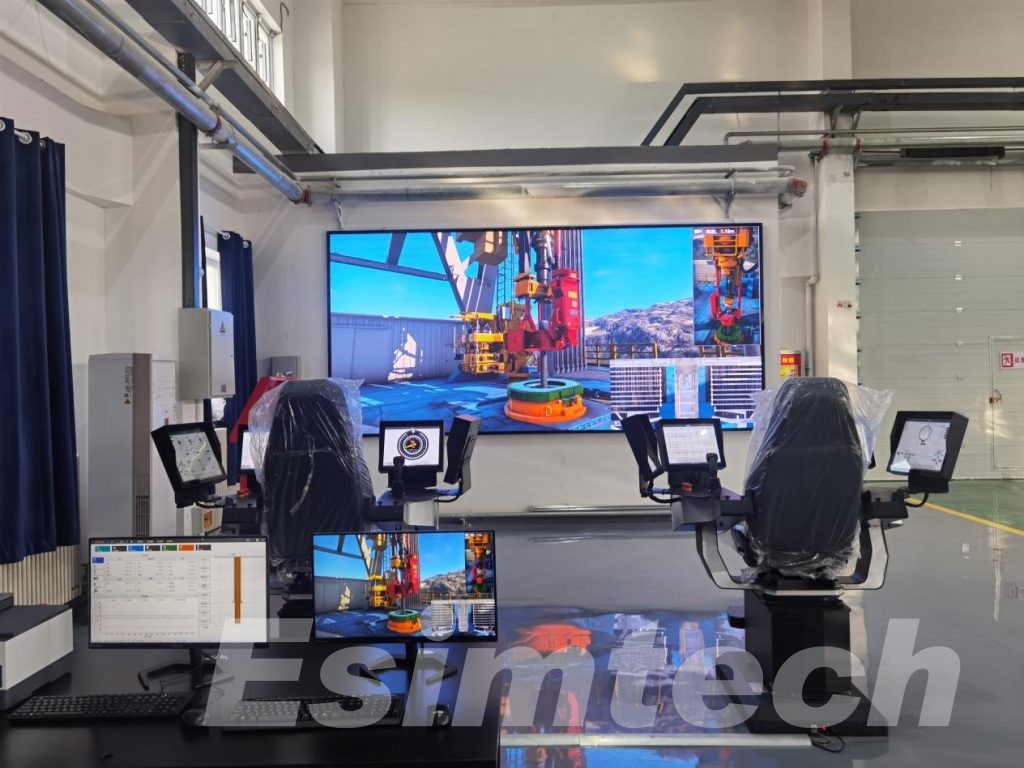
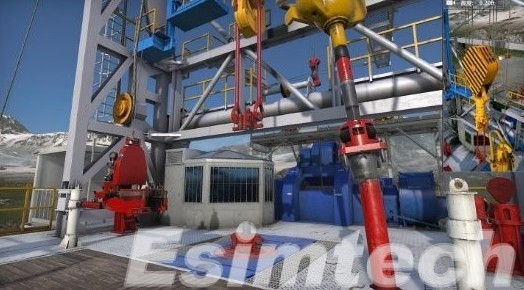
Well control incidents are uncommon, but they are still intensely complex, so training and simulation become absolutely necessary for getting personnel prepared. Traditional classroom sessions give theoretical grounding, but realistic simulation rehearsals let operators practise judgment and decision-making when conditions feel close to what they would face in real emergencies.
| Role of Training and Simulation | How It Supports Well Control Emergency Decision-making | Key Benefits |
| Developing Emergency Recognition Skills | Training and simulation expose operators to realistic warning signs, such as abnormal pressure changes, pit gains, and unexpected flow, helping them identify potential well control issues quickly | Enables early detection and faster response before conditions become critical |
| Practicing Realistic Emergency Scenarios | Well control simulators recreate situations such as kicks, blowouts, lost circulation, and equipment failures, allowing personnel to practice decision-making in a controlled environment | Improves confidence and prepares teams for complex well control events |
| Improving Pressure Control Decisions | Simulation allows operators to evaluate how changes in mud weight, circulation rate, and shut-in procedures affect well conditions | Enhances understanding of pressure behavior and supports safer control strategies |
| Strengthening BOP Operation Skills | Trainees practice operating blowout preventers and related well control equipment during simulated emergencies | Reduces operational errors and improves response accuracy during real incidents |
| Enhancing Real-Time Data Interpretation | Drilling simulation systems provide real-time data, including pressure trends, flow rates, and sensor readings, requiring operators to analyze information before acting | Develops data-driven decision-making abilities under emergency conditions |
| Building Team Coordination and Communication | Crew-based simulation exercises require drillers, supervisors, and engineers to communicate and coordinate their actions | Improves teamwork and reduces delays caused by unclear communication |
| Training Decision-Making Under Pressure | Emergency exercise simulators create time-sensitive situations where operators must evaluate risks and select appropriate actions | Helps personnel remain calm and make effective decisions during high-stress events |
| Preparing for Complex Drilling Environments | Advanced oil and gas simulators recreate challenging conditions such as deep-water wells, HPHT operations, and narrow pressure windows | Increases readiness for difficult well control challenges |
| Testing Emergency Procedures | Simulation allows companies to evaluate response plans, operating procedures, and communication protocols before real emergencies occur | Identifies weaknesses and improves overall emergency preparedness |
| Reducing Human Error | Repeated practice helps operators become familiar with emergency actions and improves their ability to follow proper procedures | Minimizes mistakes caused by lack of experience or uncertainty |
| Supporting Continuous Learning and Improvement | Post-simulation reviews analyze decisions, response times, and outcomes to identify areas for improvement | Promotes ongoing development of well control skills and safety performance |
| Creating a Safe Training Environment | Simulators allow personnel to experience dangerous scenarios without exposing people, equipment, or the environment to actual risks | Provides realistic practice while maintaining operational safety |

Summary
In well control, emergency decision-making is a pretty critical capability, and it affects safety, also drilling success. Real outcomes often come down to early detection, careful evaluation, clear communication and personnel that are actually trained for it.
When drilling teams blend operational experience with advanced monitoring technologies and realistic simulation training, they tend to respond faster, and with more precision, during well control emergencies. Using a structured decision approach also helps avoid major incidents in the first place, and it helps protect workers, the equipment, and the environment across the entire life cycle of a well.