Oil Rigs on Land: What You Need to Know

Written By: Computer Science Professor
Deeply rooted in the R&D of simulators for the oil and gas industry, committed to bringing safety to every oil worker.
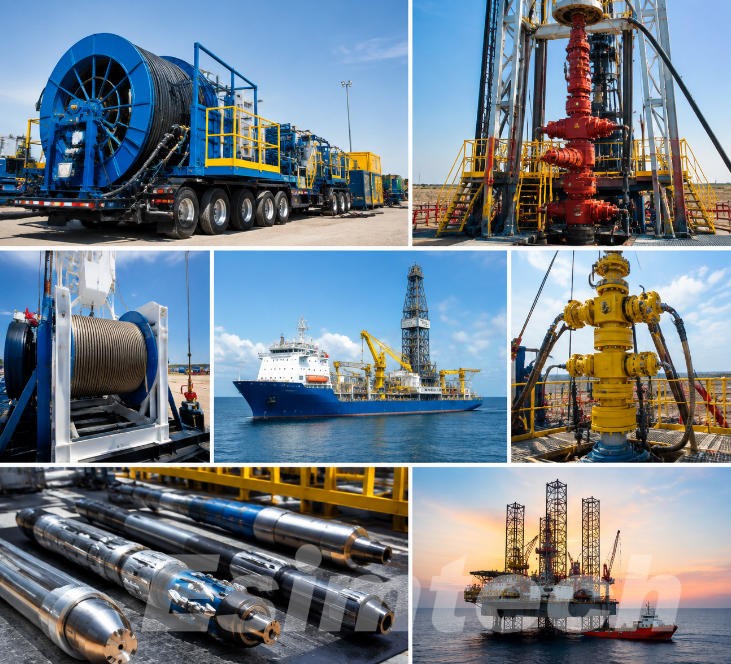
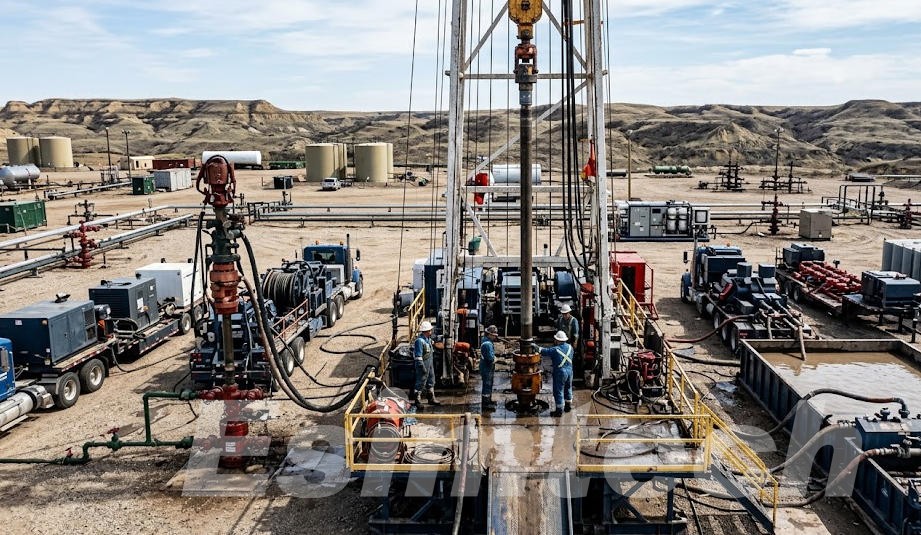
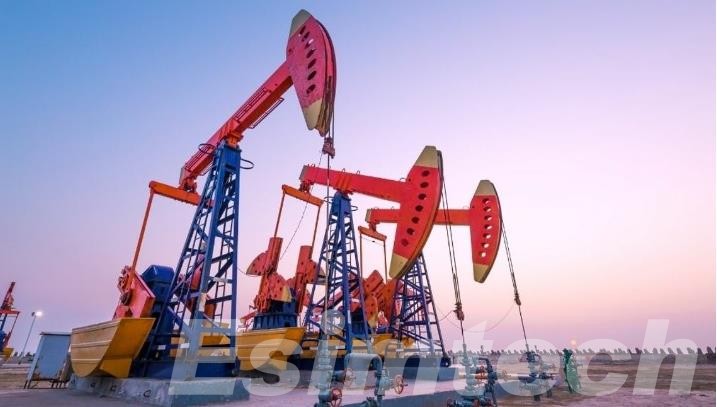
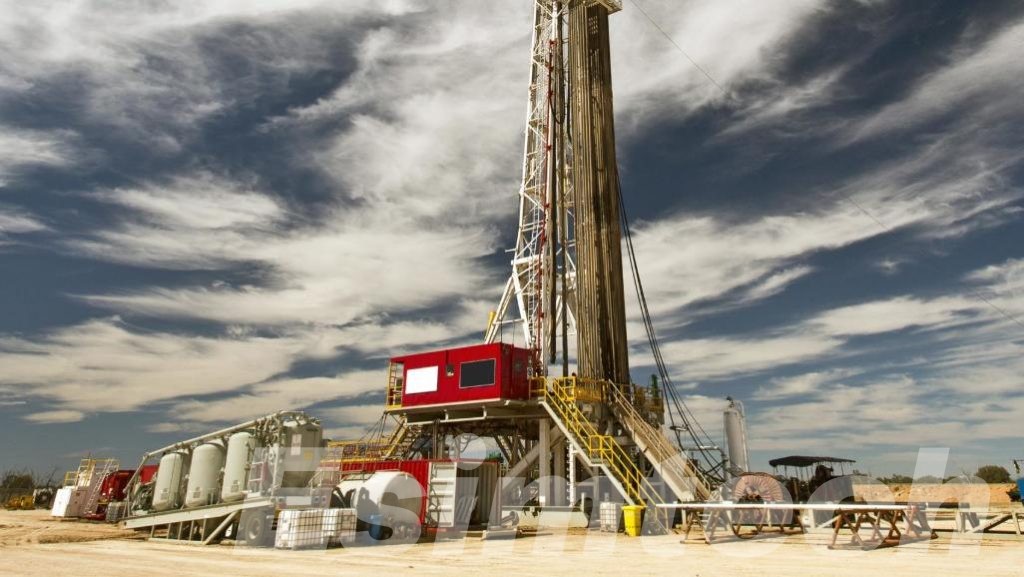
Oil rigs on land, which people often name onshore drilling rigs, are among the most critical and broadly used pieces of infrastructure in the global energy industry. Instead of running in oceans or seas like offshore platforms do, these rigs get built right on land and they handle the extraction of crude oil and natural gas from underground reservoirs. Even if they look less dramatic than those offshore installations, oil rigs on land still contribute a big share of global hydrocarbon output.
Understanding the Basics of Oil Rigs On Land
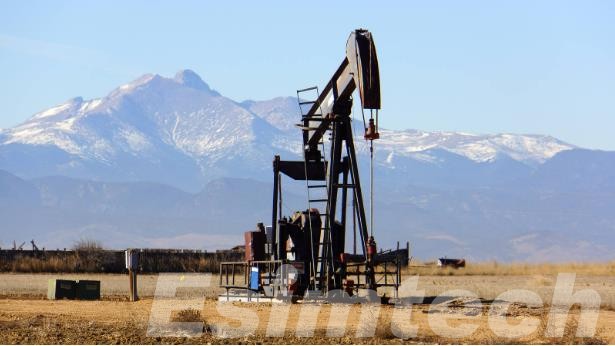
An onshore oil rig is essentially a big industrial structure made to drill deep into the ground, in order to tap oil and gas reserves locked in porous rock formations. These rigs can be movable or more stationary, and that depends on the drilling approach plus the geology at the particular site.
At their core, land rigs have a straightforward yet strong job: they spin a drill bit that’s attached to a long drill string. That bit keeps cutting through layers of soil, rock, and sediment until it finally arrives at formations rich in hydrocarbons. When the reservoir is reached, the well gets completed and then it is readied for production.
Key Components of Oil Rigs On Land
| Component | Description | Key Function in Drilling Operation |
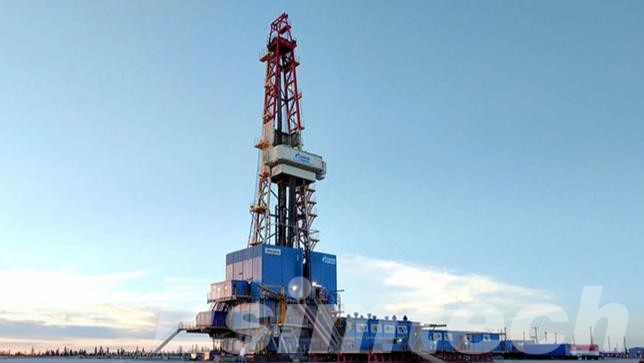
| Derrick / Mast | Tall steel structure erected over the well | Supports drilling loads and enables lifting/lowering of drill string |
| Substructure | Base that supports derrick and rig floor | Provides stable working platform and space for wellhead equipment |
| Drawworks | Large winch system with drum and brake | Controls hoisting and lowering of heavy drilling equipment |
| Top Drive / Rotary Table | Rotational drilling mechanism (modern rigs prefer top drive) | Rotates drill string to cut through rock formations |
| Drill String | Connected pipes including drill pipe, collars, and tools | Transfers rotation and drilling fluid to the drill bit |
| Drill Bit | Cutting tool at the bottom of drill string | Breaks rock formations to create borehole |
| Mud Pump | High-pressure pump system | Circulates drilling fluid into the wellbore |
| Drilling Fluid System | Tanks, shale shakers, and mixing equipment | Removes cuttings, cools bit, stabilizes well pressure |
| Blowout Preventer (BOP) | High-pressure safety valve assembly | Prevents uncontrolled release of oil or gas |
| Power System | Engines or generators (diesel/electric) | Supplies energy to all rig components |
| Hoisting System | Combination of drawworks, cables, and blocks | Handles lifting operations on the rig |
| Control System | Digital and manual control interface | Monitors pressure, torque, depth, and drilling parameters |
Working Process of Oil Rigs On Land
Oil rigs on land work through a highly coordinated sequence of mechanical, hydraulic, and digital processes.
1. Site Preparation and Rig Assembly
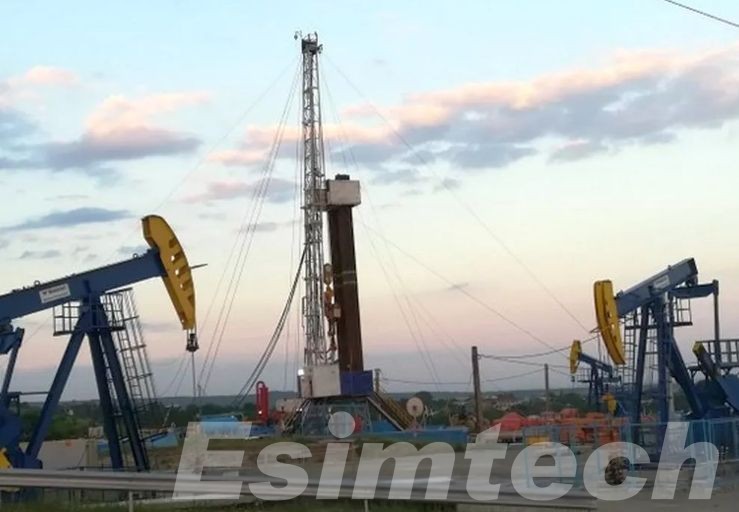
Before the drilling starts, the chosen site goes through heavy preparation, guided by geological surveys. These surveys point out possible oil-bearing formations, so the planning is not just guessing. When the location is finally confirmed, the ground is leveled and reinforced, so the heavy gear can sit safely and also handle the ongoing drilling workload. After that, floor work is done, rig components are brought to the site in separate sections and pieced together there. The tall derrick gets erected first. Then come the installation steps for the substructure, power units, and the drilling system parts that collectively bring everything into operational mode.
2. Drilling Process and Borehole Formation
Once the rig is active, drilling starts using a rotating drill bit, which cuts through layers of soil, rock, and sediment pretty steadily. That bit is attached to a long drill string, and this string is stretched further little by little as deeper formations are met. The rotation usually comes from a top drive system or a rotary table, both keeping the cutting action happening continuously at the bottom of the well. While drilling continues, sections of pipe are added again and again, so the wellbore can reach the targeted depths, sometimes down a few kilometers underground.
3. Drilling Fluid Circulation and Borehole Stability
A key part of the drilling work is the continuous circulation of the drilling fluid, often called drilling mud. The mud is pumped down through the drill string, then it comes out at the drill bit where it cools the cutting area and it transports the rock fragments back up. On the way up it goes through the surface equipment, where solids get removed, before the same fluid is put back into the loop. This arrangement not only boosts drilling efficiency but also helps keep a pressure balance in the wellbore, so the walls don’t collapse and it lowers the chance of an uncontrolled fluid inflow from underground formations.
4. Well Control and Safety Mechanisms
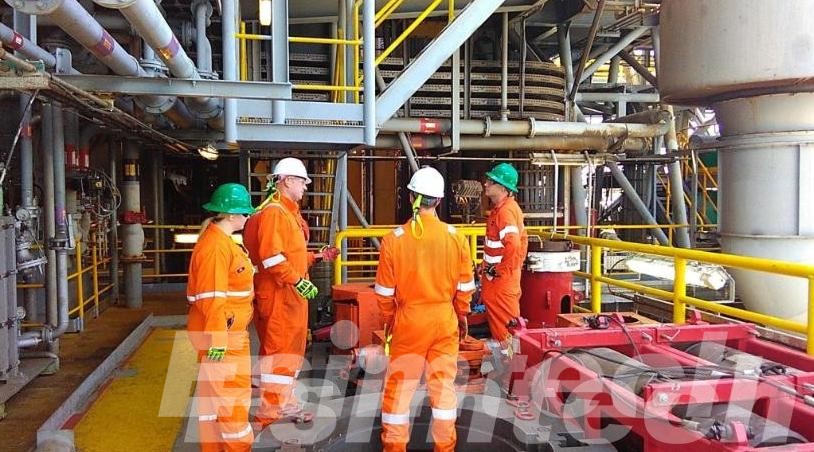
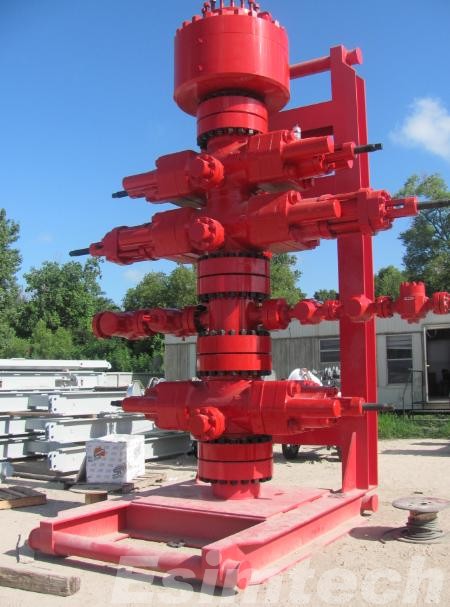
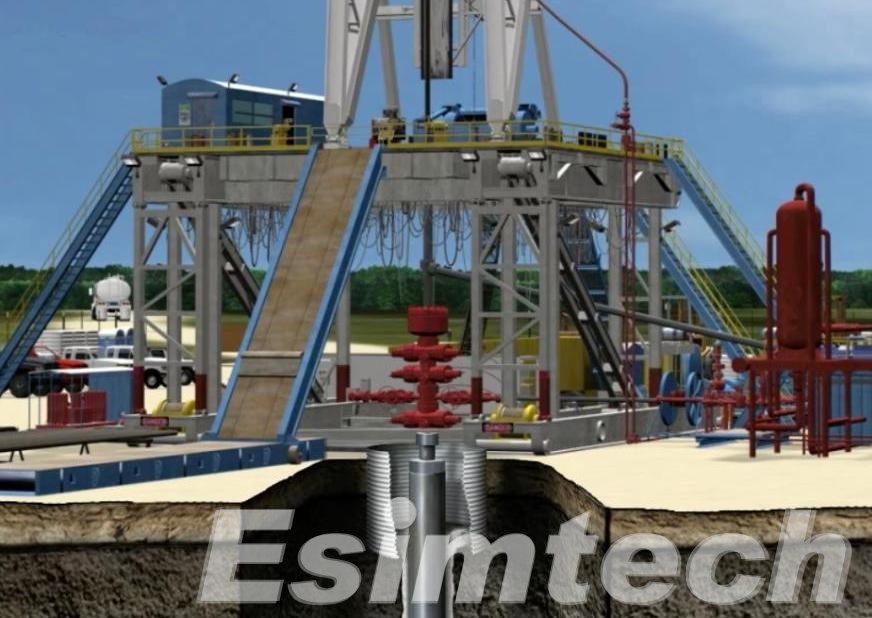
Safety sits at the center of every drilling activity, especially when the high-pressure underground formations start acting up. One of the key safety devices is the blowout preventer, it gets installed right at the wellhead so it can seal the well quickly if there is an unexpected pressure surge. With this setup, oil or gas can not escape uncontrollably, which keeps workers safer and helps protect the surrounding ecosystem, while the team stays in control of subsurface pressures during the drilling stage.
5. Casing, Cementing, and Structural Reinforcement
Once the well goes deeper, the steel casing is lowered into the drilled opening. Its job is to reinforce the structure and keep the hole from losing stability. After that, cement is pumped into the gap between the casing and the nearby rock formations. This forms a firm, sealed wellbore. The whole point is to avoid fluids blending across different underground layers, and to safeguard freshwater zones against contamination, and to support the well’s long-term structural stability.
6. Formation Evaluation and Production Transition
After the target depth is reached, specialized logging tools are lowered down into the well to check rock properties like porosity, permeability, and the hydrocarbon saturation levels. These readings aid in figuring out if the reservoir is actually fit for production. When the numbers look good, the well then gets completed by putting in production tubing along with surface control equipment, so oil or gas can reach the surface either on its own naturally, or with the added push from pumping systems.
Technical Innovations in Oil Rigs on Land
Modern technical innovations are mostly tuned for boosting drilling speed, strengthening safety margins, lowering environmental footprint, and giving access to hydrocarbon pockets that used to be difficult to reach. Because of this, land-based drilling operations are being reshaped in how they’re planned and carried out.
1. Automation and Digital Drilling Systems
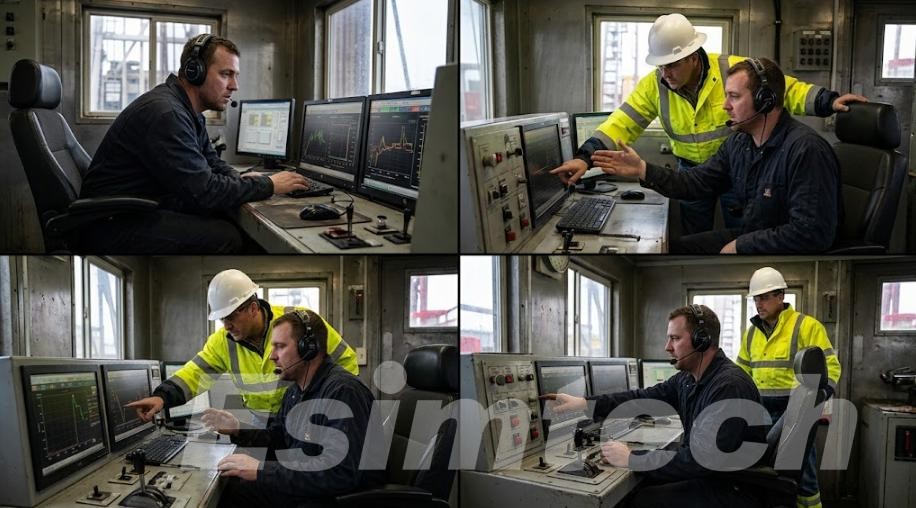
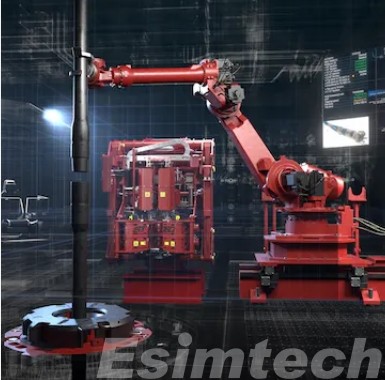
A key innovation on land rigs is automation integration. Automated drilling rigs now continuously tune values like weight on bit, rotary speed, and drilling fluid pressure, all in real time. Rather than depending completely on human tweaking, crews can manage drilling performance through a centralized digital control room with more precision and steadier results. This transition limits human error, and lets the rig keep the best drilling environment in place, even when dealing with complex geological settings.
2. Real-Time Data Monitoring and Smart Sensors
Modern land rigs are fitted with sophisticated sensor networks that gather data from several places across the whole drilling system. Usually, these sensors track vibration, torque, temperature, pressure, and even flow rate patterns, then push the information quickly up to surface control systems.
From there, real-time data analytics platforms work through the feed to spot irregular behaviors, foresee machinery breakdowns, and fine-tune the drilling approach. That forecasting ability helps operational reliability a lot, while also cutting down on expensive downtime.
3. Directional and Horizontal Drilling Technologies
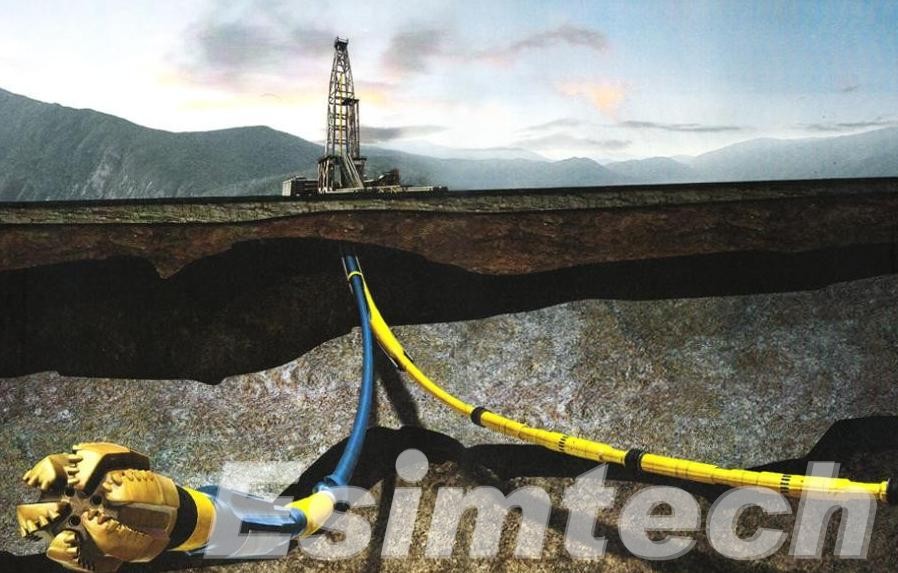
Directional drilling has changed onshore oil recovery, because wells can be steered away from straight down paths and instead tap reservoirs that are located far from the original surface drilling location. Horizontal drilling, in particular, makes it possible to maintain a long, steady contact with oil-bearing layers, and this improves production output dramatically. These technologies allow exploiting unconventional resources like shale oil and tight gas formations, which were previously not really worth the cost to produce, at least from a practical view.
4. Advanced Drilling Fluids and Wellbore Stability Solutions
Progress in drilling fluid chemistry has boosted wellbore stability and overall drilling performance quite a bit. Today’s drilling muds are designed with specific additives that boost lubrication, cut down friction and help keep high-pressure formations more stable.
A few higher-end systems also use adaptive fluids, which adjust their behavior with temperature and pressure changes, so drilling keeps the right conditions even in deep, complicated wells.
5. Enhanced Rig Power and Hybrid Energy Systems
Conventional rigs that run on diesel are being added to or even replaced by hybrid and electric power solutions. This shifts fuel usage down while also reducing emissions, and the energy efficiency becomes better in the same time.
Electric top drives, along with automated hoisting systems, tend to deliver a smoother, more precise level of control than the older conventional mechanical setups, which ends up improving overall performance and safety, too, in practice.
6. Simulation Technologies
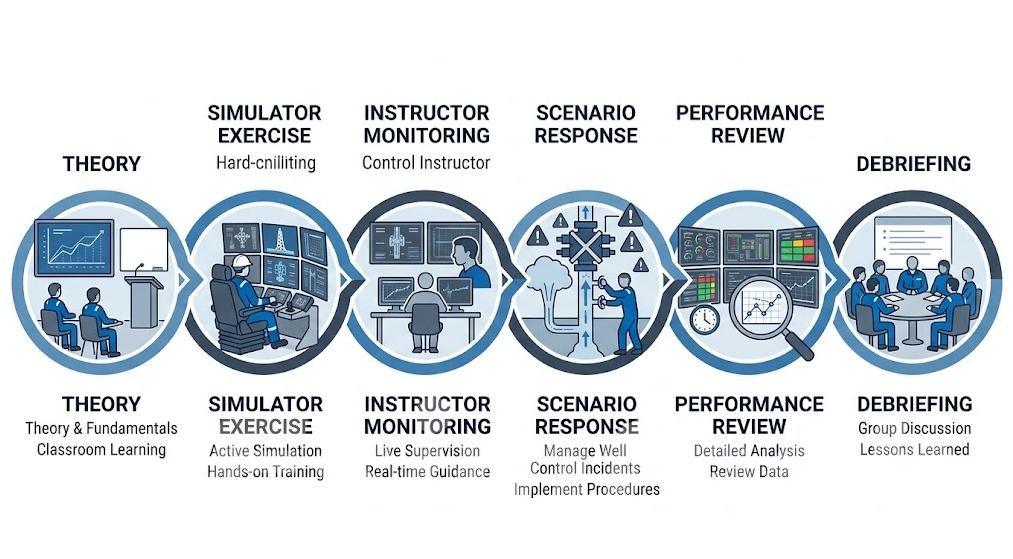
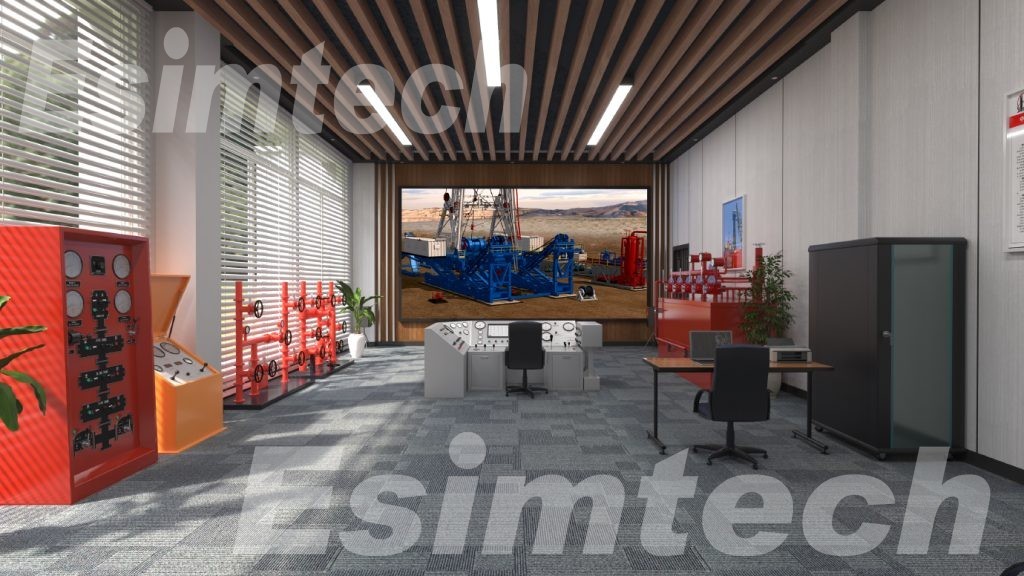
With oil and gas simulation technologies, engineers can test drilling strategies, predict equipment behavior, and optimize performance before applying changes in the actual field.
| Simulation Technologies | Description | How It Is Used | Key Benefits |
| Drilling Process Simulation | Computer models that replicate drilling operations underground | Tests drilling parameters like pressure, rotation speed, and bit performance before real drilling | Reduces drilling risks and improves efficiency |
| Digital Twin Technology | Virtual replica of a physical rig updated in real time | Mirrors actual rig conditions using sensor data from the field | Enables predictive maintenance and real-time optimization |
| Reservoir Simulation | Models underground rock formations and fluid behavior | Estimates oil/gas flow, pressure distribution, and recovery potential | Improves decision-making for well placement and production strategy |
| Wellbore Stability Simulation | Analyzes stress and pressure conditions in drilled holes | Predicts collapse risks and helps design casing and mud programs | Prevents well failures and improves safety |
| Equipment Performance Simulation | Simulates behavior of rig components like pumps and top drives | Evaluates equipment load, wear, and efficiency under different conditions | Extends equipment lifespan and reduces downtime |
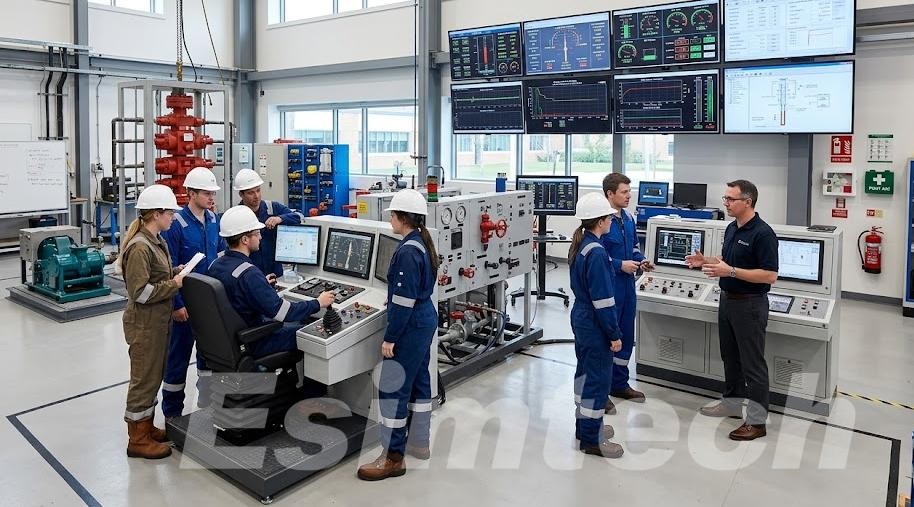
| Training Simulators (VR/AR Systems) | Immersive virtual environments for operator training | Trains drilling crews on rig operations, emergencies, and safety procedures | Enhances workforce skills without real-world risk |
| Hydraulic Fracturing Simulation | Models fluid injection and fracture propagation in rock | Optimizes fracking design for shale oil and gas extraction | Increases production efficiency and resource recovery |
| Real-Time Drilling Simulation | Live data-driven simulation during drilling operations | Adjusts drilling parameters dynamically based on incoming sensor data | Improves accuracy and reduces operational errors |
7. Environmental Monitoring and Sustainable Drilling Practices
Environmental sustainability has become a major focus in oil rig innovation. Modern systems include continuous monitoring of emissions, water usage, and waste management processes. Advanced containment technologies help prevent spills and reduce soil contamination. Additionally, improved site design and closed-loop drilling systems minimize environmental disturbance, making onshore drilling more compatible with stricter environmental regulations.
Final Words
Oil rigs on land are a basic part of the world’s energy industry. With ongoing technology upgrades and better environmental measures, onshore drilling keeps adjusting to what modern energy demands are asking, while trying for more efficiency and sustainability.