Floating Oil Rigs – 6 Key Points You Need to Know

Written By: Computer Science Professor
Deeply rooted in the R&D of simulators for the oil and gas industry, committed to bringing safety to every oil worker.
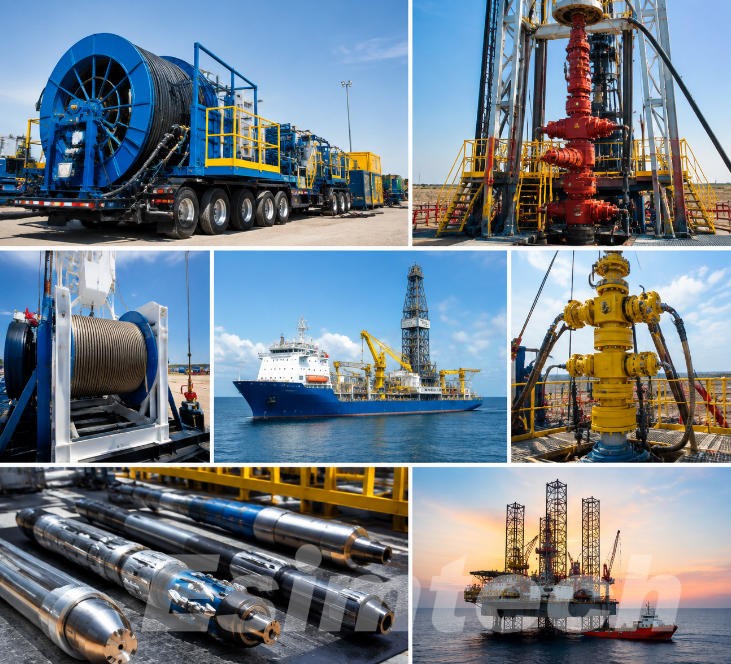
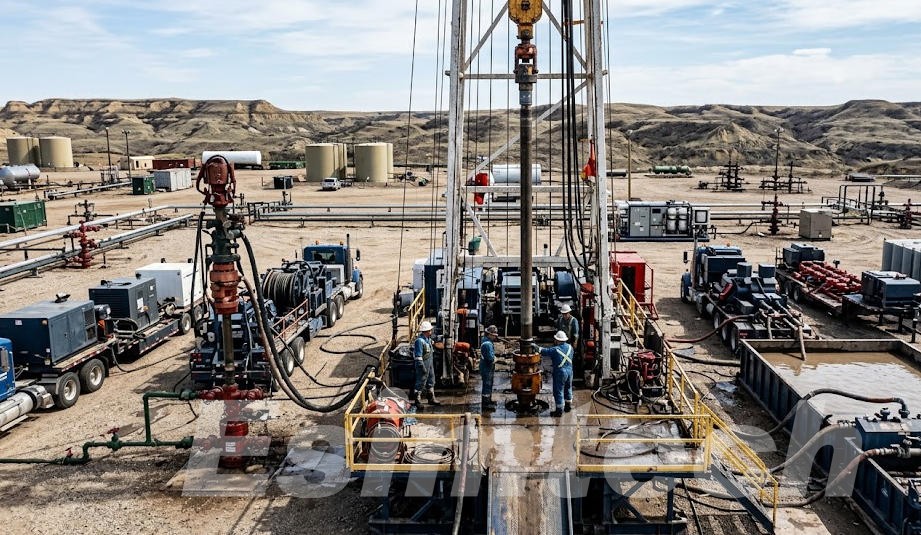
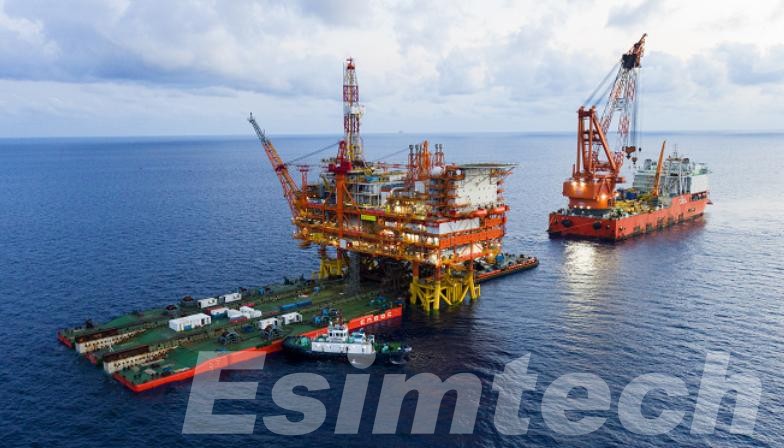
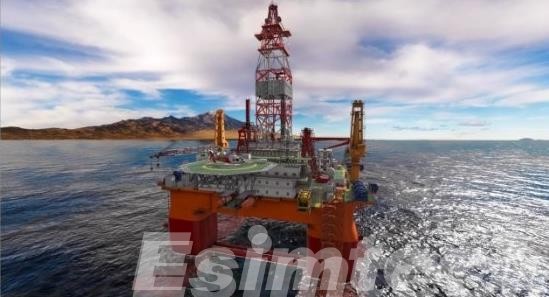
Floating oil rigs are offshore structures that stay buoyant while also supporting drilling and production tasks in the sea. Well, unlike fixed platforms that are anchored right to the seabed, floating rigs are set up to work in very deep water, where normal structures can’t be economically or technically put in place. In other words, these rigs matter a lot for reaching huge oil and gas reserves located thousands of meters under the ocean surface, even though that sounds unreachable at first glance. Nowadays, modern floating oil rigs mix advanced marine engineering, drilling know-how, and dynamic positioning systems, so they can keep working in some of the most difficult environments.
Understanding the Functions of Floating Oil Rigs
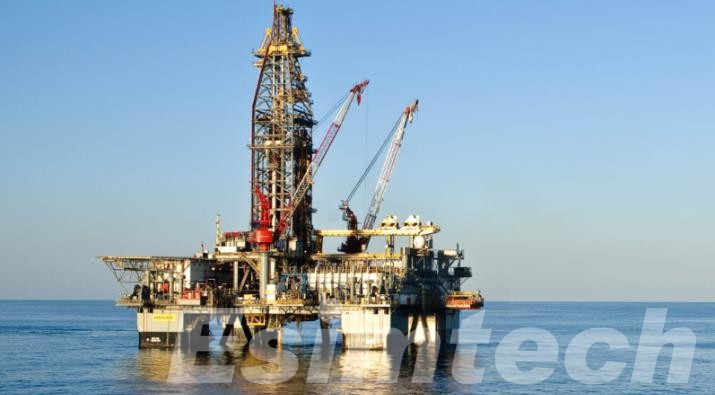
A floating oil rig is basically a mobile or semi-mobile offshore setup that sits on the water surface while doing drilling work, well intervention, or production activities. In practice, these rigs are tied into subsea wells through risers and a bunch of specialized hardware.
The floating design lets operators find and produce hydrocarbons in deepwater and ultra-deepwater zones where fixed platforms basically can’t work out. And yes, depending on what they’re meant to do, floating rigs can be for exploratory drilling, for field development, or for sustained long-term output, sometimes even for years.
Main Types of Floating Oil Rigs
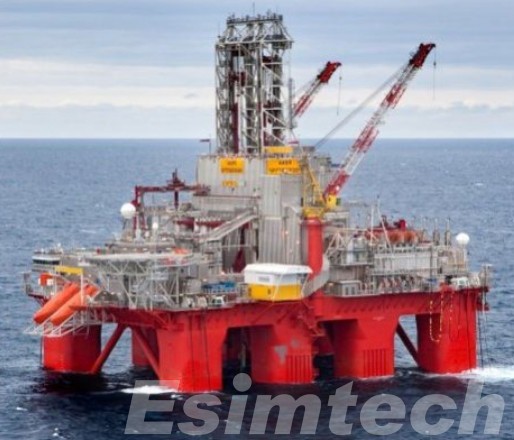
Several types of floating oil rigs are used throughout the offshore industry, each designed for specific water depths and operational requirements.
| Type of Floating Oil Rig | Structure/Design | Primary Function | Water Depth Capability | Key Advantage |
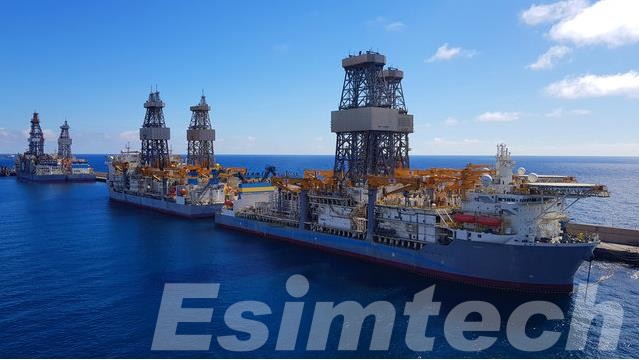
| Drillship | Ship-shaped vessel with central drilling equipment | Exploration and drilling | Ultra-deepwater (>3,000 m) | Highly mobile; can relocate quickly between sites |
| Semi-Submersible Rig | Floating deck supported by submerged pontoons and columns | Drilling operations | Deepwater | Excellent stability in rough seas |
| Tension Leg Platform (TLP) | Floating platform anchored by vertical tendons under tension | Production operations | Deepwater | Minimal vertical movement; stable for production |
| Spar Platform | Large vertical cylindrical hull extending deep underwater | Long-term production | Ultra-deepwater | Very stable in deepwater conditions |
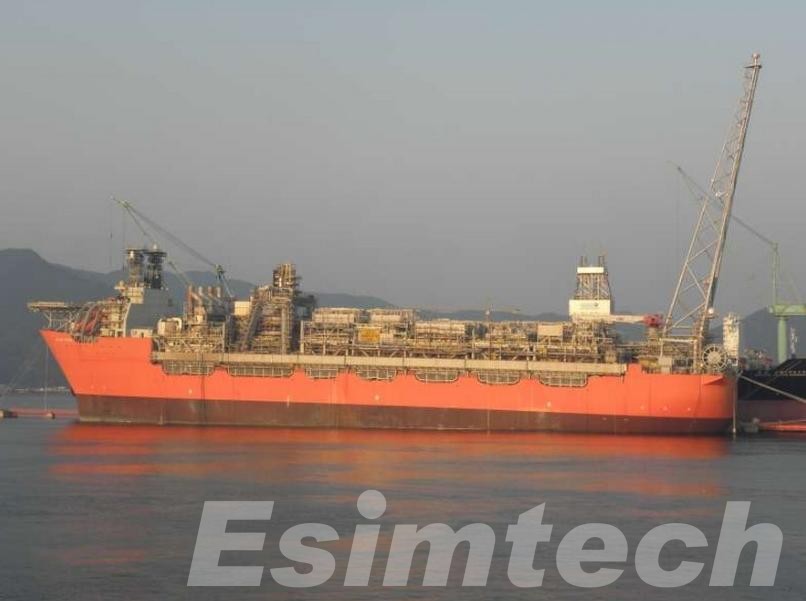
| Floating Production Storage and Offloading (FPSO) | Floating unit with production, storage, and offloading facilities | Production, storage, and offloading | Deepwater and remote locations | Combines production and storage; ideal where pipelines are impractical |
Key Components of Floating Oil Rigs
Floating oil rigs have a bunch of systems that sort of work together in order to keep offshore operations going.
| Component | Description | Function |
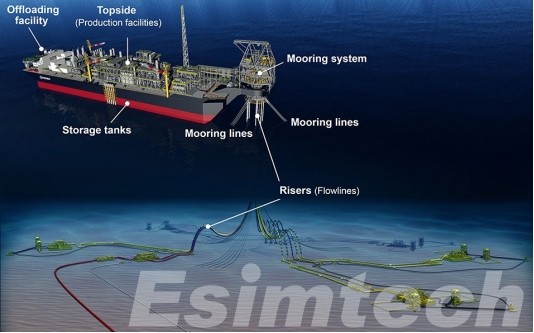
| Hull / Floating Structure | The main body of the rig that provides buoyancy | Keeps the rig afloat and ensures stability in water |
| Drilling Equipment | Includes derricks, top drives, mud systems, and blowout preventers | Used for drilling wells safely and efficiently |
| Mooring / Station-Keeping Systems | Anchors, chains, or dynamic positioning thrusters | Maintains the rig’s location during operations |
| Production Facilities | Separators, compressors, pumps, processing units | Processes hydrocarbons from subsea wells for storage or transport |
| Risers and Subsea Connections | Pipes connecting the rig to subsea wells | Transports oil, gas, and drilling fluids between the rig and the seabed |
| Accommodation Modules | Living quarters, medical facilities, recreational areas | Provides housing and essential amenities for offshore personnel |
| Safety and Emergency Systems | Fire suppression, lifeboats, alarms, and spill containment | Ensures safety of personnel and environment during emergencies |
| Power and Utility Systems | Generators, electrical systems, water supply, HVAC | Supplies energy, water, and climate control for operations and crew |
| Communication and Control Systems | Satellite, radar, monitoring, and control equipment | Enables remote monitoring, operational control, and safety management |
| Cranes and Material Handling Equipment | Deck cranes, winches, and lifting systems | Facilitates transport of equipment, supplies, and heavy components |
Advantages of Floating Oil Rigs Compared to Fixed Offshore Platforms
| Aspect | Floating Oil Rigs | Fixed Offshore Platforms | Advantages of Floating Oil Rigs |
| Water Depth Capability | Can operate in deepwater and ultra-deepwater environments | Generally limited to shallow and moderate water depths | Access to larger offshore reserves in deeper waters |
| Mobility | Can be relocated to different fields or drilling sites | Permanently installed at a specific location | Greater operational flexibility and asset utilization |
| Field Development Flexibility | Suitable for exploration, appraisal, and production projects | Primarily used for long-term production at fixed locations | Easier adaptation to changing project requirements |
| Installation Time | Typically faster to deploy since minimal seabed construction is required | Requires extensive seabed preparation and construction | Reduced project development time |
| Infrastructure Requirements | Can operate with limited offshore infrastructure, especially FPSOs | Often require pipelines and extensive supporting infrastructure | Ideal for remote offshore locations |
| Capital Utilization | A single rig can be used for multiple projects over its lifespan | Investment is tied to one field | Better return on investment through redeployment |
| Reservoir Accessibility | Can access dispersed and isolated offshore reserves | Economically viable mainly for large, long-life fields | Enables development of smaller or remote fields |
| Decommissioning | Can often be disconnected and moved to another location | Requires complete removal of fixed structures from the seabed | Lower decommissioning complexity and potential cost savings |
| Environmental Footprint | Requires fewer permanent seabed structures | Involves significant seabed installations and foundations | Reduced impact on the seabed and marine habitats |
| Technological Adaptability | Easier to upgrade with new drilling, production, and digital technologies | Modifications can be more complex and costly | Faster adoption of advanced technologies |
| Storage Capability | FPSOs can process, store, and offload oil onboard | Usually depend on pipelines or separate storage facilities | Greater independence from export infrastructure |
| Exploration Efficiency | Well-suited for exploratory drilling campaigns across multiple locations | Not practical for exploration activities | More efficient for discovering new offshore resources |
Challenges Associated with Floating Oil Rigs
1. Harsh Environmental Conditions
Floating oil rigs are always met with forces of nature, strong winds, big waves, and powerful ocean currents. These conditions can mess with rig stability, drilling accuracy, and operational efficiency. When severe weather shows up, like storms or hurricanes, the risks go up for both people and tools, and it often leads to temporary shutdowns or relocations.
2. Deepwater and Ultra-Deepwater Complexity
Working in deepwater and ultra-deepwater settings creates serious technical hurdles. High pressure, high temperature (HPHT) conditions call for specialized drilling plus production equipment. Subsea work gets harder because the water is deeper, which makes riser handling, blowout preventer reliability, and subsea well intervention more difficult and also more expensive.
3. High Capital Investment
Floating oil rigs need a lot of initial capital, for the whole design, building and getting them out there. When you compare them to fixed platforms, the spending per unit can end up being notably higher, not just the steel and mooring work, but also for dynamic positioning systems, better safety equipment and specialized subsea methods. The financial risk grows even more because of market uncertainty and the big price tag of downtime; even a short stop can cost a lot.
4. Maintenance and Logistics
Keeping floating rigs in good shape is harder than doing it for onshore facilities or even fixed offshore platforms. Since these units sit far out at sea, the offshore remoteness changes everything. Logistics, meaning moving equipment, spare parts, supplies, and people is more complicated and more expensive. Routine upkeep, inspections, and any emergency fixes have to be mapped out early so operations don’t get interrupted too much and the crew stays safe.
5. Safety Risks
Despite advanced safety systems, floating oil rigs still have inherent risks, like fires, blowouts, structural failures, and collisions. The mix of complex equipment, human factors and rough surroundings makes it necessary to have robust emergency preparedness protocols, even when procedures look good on paper.
6. Environmental Issues
Floating rigs can affect marine ecosystems through oil spills, unwanted discharges, atmospheric emissions and underwater noise. Environmental regulations require strict compliance, yet operators also need practical measures to minimize ecological harm. Mitigation tactics, such as advanced containment frameworks and drilling fluids that are more environmentally compatible, are needed to protect marine life.
7. Technological Reliance
Floating oil rigs depend on sophisticated technologies like dynamic positioning, automation, and digital monitoring platforms. Although these tools raise operational efficiency, a system glitch or a cyber attack can interrupt the workflow, even endangering safety. Because of that, redundancy, and routine system testing becomes crucial to reduce those risks.
8. Crew Fatigue and Human Factors
People working on floating rigs often stay isolated for long stretches, dealing with long shifts and few recreation options. Fatigue, stress and human error can lower productivity and, in turn, increase accident likelihood. Supporting crew well-being, planning rotation rosters, and improving offshore living conditions is critical, to keep safe operations running smoothly.
9. Regulatory Compliance
Floating rigs have to follow a mix of international, regional, and local rules for offshore work. Meeting safety, environmental and operational expectations can pile up extra complexity during both planning and real execution. If you do not comply, you can end up with fines, unexpected shutdowns, or legal fallout.
10. Decommissioning Hurdles
When a floating rig reaches the end of its useful operational time, decommissioning becomes tricky in a technical way, a financial way, and also an environmental way. Taking things apart the right way, sending materials for reuse, recycling, or relocating them, means you need careful coordination, so the environmental footprint stays smaller, and the total costs do not grow. In some situations, removing what is down on the seabed, like subsea equipment and mooring systems, brings extra layers of difficulty too.
Technological Innovations in Floating Oil Rigs
1. Advanced Dynamic Positioning Systems
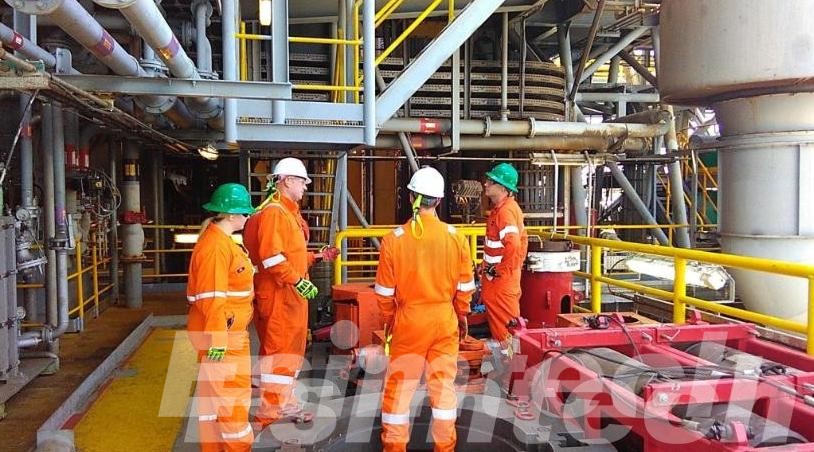
One of the most significant technological innovations for floating rigs is the development of advanced dynamic positioning (DP) systems. DP systems use computer-controlled thrusters and sensors to maintain the rig’s precise position and heading without the need for traditional anchors. This technology allows floating rigs to operate in deepwater regions where anchoring is impossible. Modern DP systems integrate real-time data from GPS, wind sensors, and motion sensors to ensure accurate station-keeping, even in harsh ocean conditions.
2. Automation and Remote Monitoring
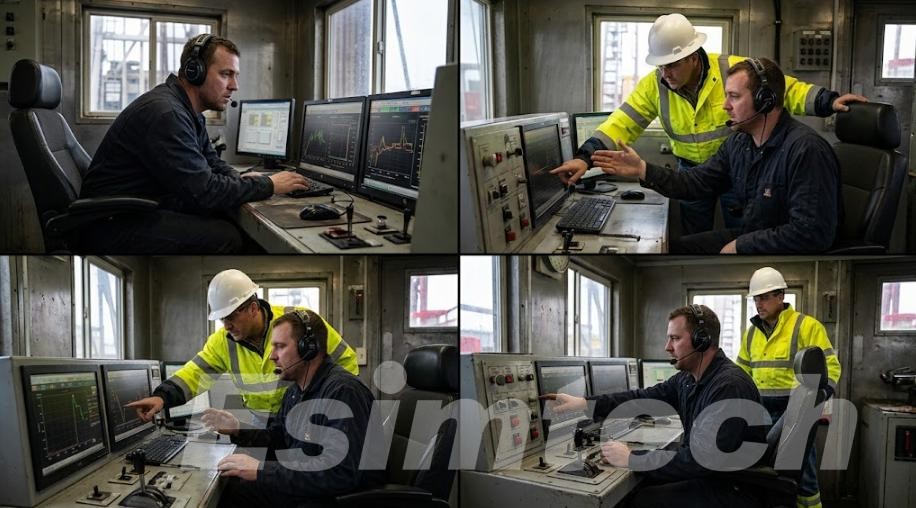
Automation really has changed how floating oil rigs run, in more streamlined ways. Drilling, production, and safety systems can now be watched and managed from a distance, which lowers the time humans spend in dangerous conditions.
Newer automation tools help these rigs complete intricate tasks with very little hands-on work. With remote monitoring in place, operators get real-time diagnostics plus predictive maintenance, which helps them foresee equipment breakdowns before they happen, and that usually cuts down downtime and overall operating expenses.
3. Enhanced Subsea Technologies
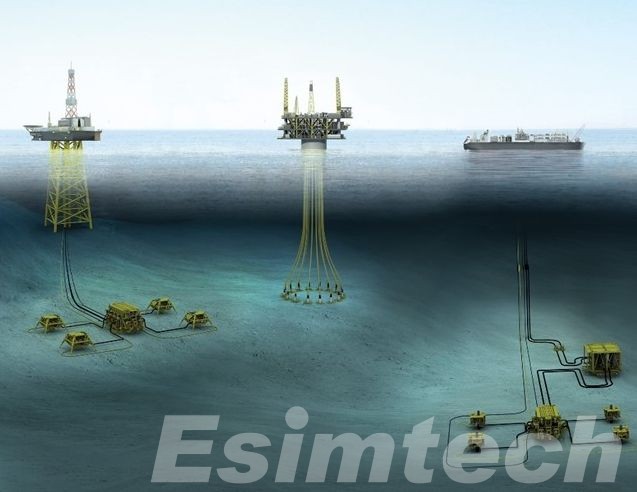
Subsea technology innovations have widened what floating oil rigs can do. HPHT well equipment, stronger risers, and subsea control platforms let these rigs reach deeper reservoirs and also handle more demanding geological structures.
Technologies like subsea separation, boosting, and processing let operators handle part of the hydrocarbon stream directly on the seabed, so the rig’s production facilities don’t have to carry everything at once. With those improvements, overall performance tends to go up, safety issues can be addressed earlier, and environmental risk is kept lower.
4. Digitalization and Data Analytics
Digitalization and data analytics, meanwhile, have changed floating oil rigs in a big way. With digital transformation, the installation of sensors around the structure creates huge pools of operational information, this data can then be examined with artificial intelligence and machine learning methods. The results are insights that support choices in real time, they also help fine tune drilling and production, and they strengthen predictive maintenance routines.
5. Energy Efficiency and Sustainability Technologies
Energy efficiency and sustainability technologies are also now more common on modern floating rigs. Hybrid power systems, using diesel generators alongside renewable energy sources, help reduce both fuel use and emissions, which ends up being better for long-term operations.
Advanced waste management, emission control system and eco-friendly drilling fluids further enhance environmental performance. This helps operators comply with strict environmental regulations and trims the overall carbon footprint of offshore operations, in a more steady way.
6. Robotics and Autonomous Systems
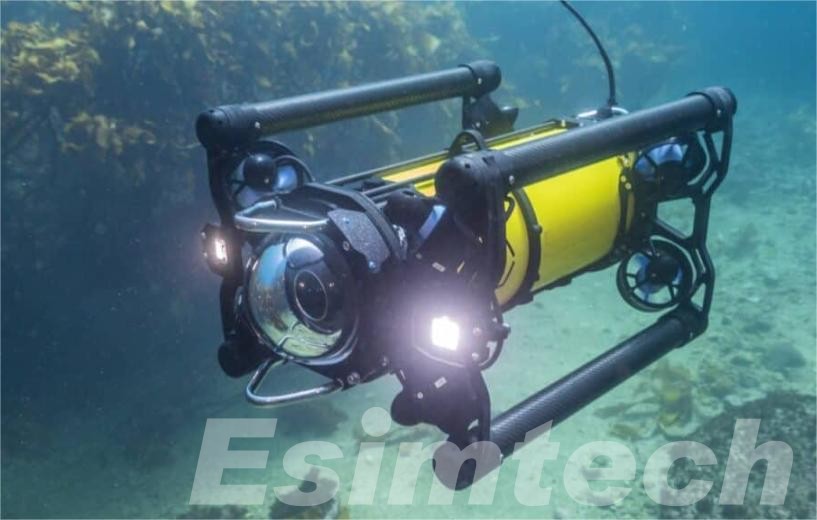
Robotics and autonomous systems now play a larger role in floating oil rigs. Remotely operated vehicles (ROVs), and autonomous underwater vehicles (AUVs) handle inspections, maintenance, subsea interventions without divers being needed.
Onboard robotic systems can take care of repetitive tasks, move tools and parts, or support emergency situations. Putting robotics in place improves operational safety, lowers human workload, and brings better precision in complex offshore work.
7. Advanced Safety and Emergency Systems
Safety innovations on floating rigs keep getting better, in a way that feels constant. There is real-time monitoring of structural integrity, like sensors watching everything continuously, plus fire detection, and gas leak systems as well, so hazards can be caught early before they become a problem. Evacuation technologies also move forward, advanced lifeboats and emergency response systems included, which help crew safety when things turn urgent.
8. Simulation Technologies
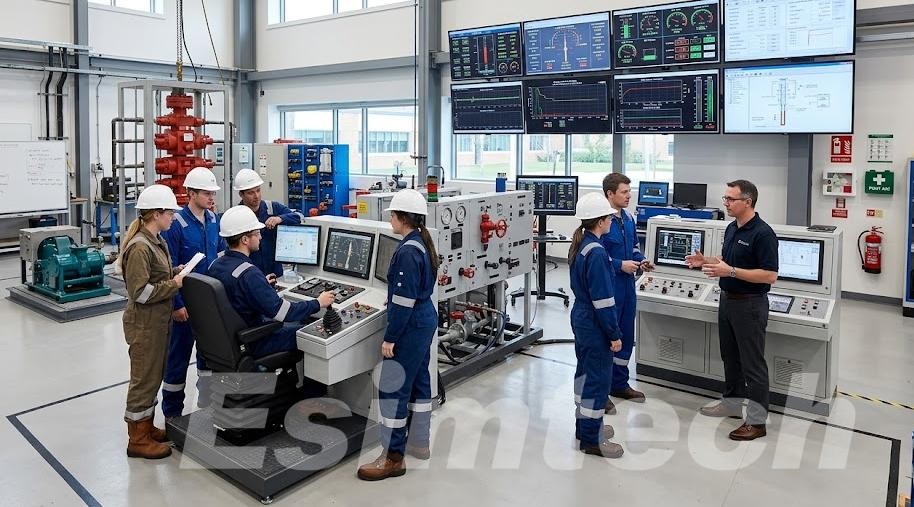
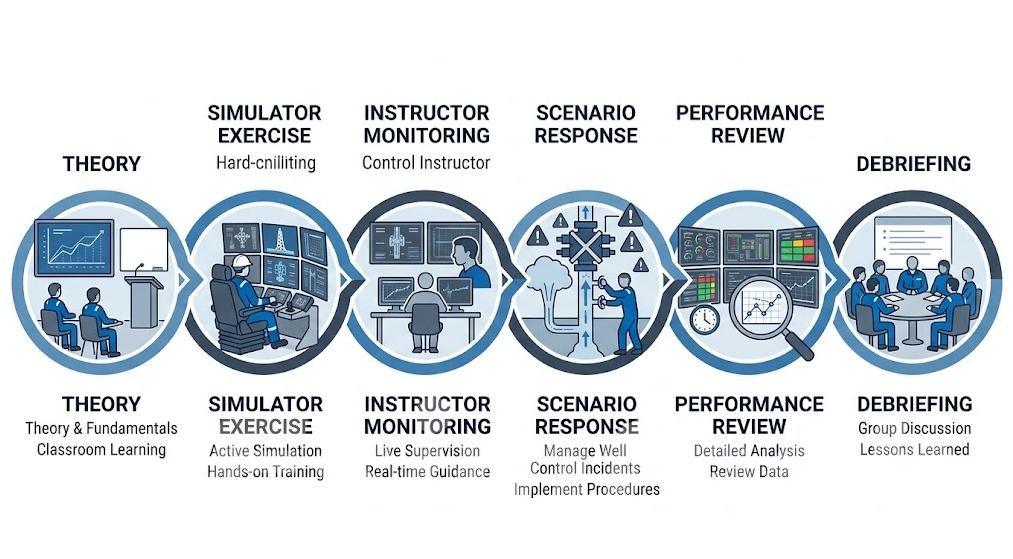
The following chart provides how simulation technologies are used for enhancing the safety of floating oil rigs, improving preparedness without exposing workers to risk.
| Simulation Technology | Purpose | Key Benefits |
| Dynamic Positioning Simulation | Models and predicts rig movements in response to wind, waves, and currents | Improves station-keeping accuracy and reduces risk of drifting |
| Structural and Stability Simulation | Analyzes hull, pontoons, columns, and overall rig stability | Ensures safe operation in harsh sea conditions; predicts responses to load and environmental forces |
| Drilling Process Simulation | Replicates drilling operations, including wellbore behavior and mud circulation | Optimizes drilling parameters, reduces risks, and minimizes equipment wear |
| Subsea System Simulation | Models subsea risers, blowout preventers, and pipeline connections | Tests reliability and safety of subsea equipment under extreme conditions |
| Emergency Scenario Simulation | Simulates fire, blowout, evacuation, and environmental hazards | Enhances crew training, emergency preparedness, and response efficiency |
| Production Process Simulation | Models oil and gas separation, storage, and offloading operations | Optimizes production efficiency, reduces downtime, and improves throughput |
| Digital Twin Simulation | Creates a virtual replica of the rig and its systems for continuous monitoring | Supports predictive maintenance, operational planning, and risk assessment |
| Environmental Impact Simulation | Predicts oil spill behavior, emissions, and ecological effects | Assists in regulatory compliance and environmental risk mitigation |
Final Words
Floating oil rigs changed offshore oil and gas production in a big way, letting crews reach deepwater resources that previously were out of reach. With inventive engineering and advanced technologies, these structures bring flexibility, mobility, and the ability needed for modern offshore work. And since the sector keeps evolving, floating oil rigs will stay crucial assets for exploration and production of offshore energy, helping feed global energy demand while also improving safety, efficiency, and environmental stewardship.