How to Improve Well Control Performance

Written By: Computer Science Professor
Deeply rooted in the R&D of simulators for the oil and gas industry, committed to bringing safety to every oil worker.
Well control is critical for drilling that stays safe and runs with fewer delays. The core job is to keep formation pressure in a set safe band. At the same time, it must stop any unwanted flow of fluids into the hole. When well control is done well, it cuts down the chance of kicks, blowouts, damage to rigs and tools, lost time, and harm to the environment. To improve the performance of well control, teams need solid engineering, dependable gear, trained people, clear communication during operations, and steady watch over the well.
Understanding the Fundamentals of Well Control
Well control is about how you manage formation pressure. It also includes using the right mud balance, keeping an eye on hole conditions, and making sure you have barriers that can stop an uncontrolled entry of fluids. If drillers know how pressure links together, they can spot a kick sooner. They can also handle shut-in steps the right way. Knowledge of pressure links, kick signs, shut-in steps, and well control tools helps crews react fast when something looks wrong. Ongoing drills, regular practice, and constant checks help lock in the skills needed for daily readiness.
Key Factors Affecting the Performance of Well Control
| Key Factor | Main Influence on Well Control | Effect on Performance |
| Formation Pressure | Determines the pressure that must be controlled in the wellbore | Accurate pressure prediction helps prevent kicks and influxes |
| Mud Weight | Provides hydrostatic pressure to balance formation pressure | Incorrect mud weight can increase the risk of kicks or lost circulation |
| Equivalent Circulating Density (ECD) | Changes bottomhole pressure while circulating | Excessive ECD may fracture the formation, while insufficient ECD may allow influx |
| Kick Detection | Identifies abnormal flow, pit-volume, or pressure changes | Early detection enables faster and safer intervention |
| Well Control Equipment | Provides mechanical barriers and pressure-control capability | Reliable equipment improves the ability to contain and control well pressure |
| Barrier Integrity | Maintains primary and secondary well barriers | Strong barriers reduce the likelihood of uncontrolled formation influx |
| Crew Competence | Determines the quality and speed of well-control decisions | Skilled personnel improve response accuracy and reduce operational errors |
| Real-Time Monitoring | Tracks pressure, flow, volume, gas, and drilling parameters | Continuous monitoring helps identify abnormal conditions earlier |
| Communication | Ensures critical well information reaches the right personnel | Clear communication reduces delays and misunderstandings |
| Operating Procedures | Defines how drilling and well-control activities should be performed | Consistent procedures reduce human and operational errors |
| Drilling Practices | Influences pressure fluctuations and wellbore stability | Controlled drilling practices help maintain a stable pressure environment |
| Wellbore Conditions | Includes hole cleaning, instability, losses, and influx behavior | Poor wellbore conditions can complicate pressure control |
Key Measures for Improving Well Control Performance
1. Understand the Well and Its Pressure Environment
A strong plan for well control starts with a close look at the geology and the pressure setting for the well. Before and during drilling, engineers need to review formation pressure, fracture pressure, pore pressure, temperature, fluid traits, and any pressure surprises that may show up.
Good pressure forecasts help drilling teams choose mud weights and set safe work limits. As drilling moves forward, crews should compare what they see in the well with what they expected. If the numbers drift, that can show changes early. This ongoing review is extra important when the gap between pressures is small.
2. Maintain Accurate Mud Properties
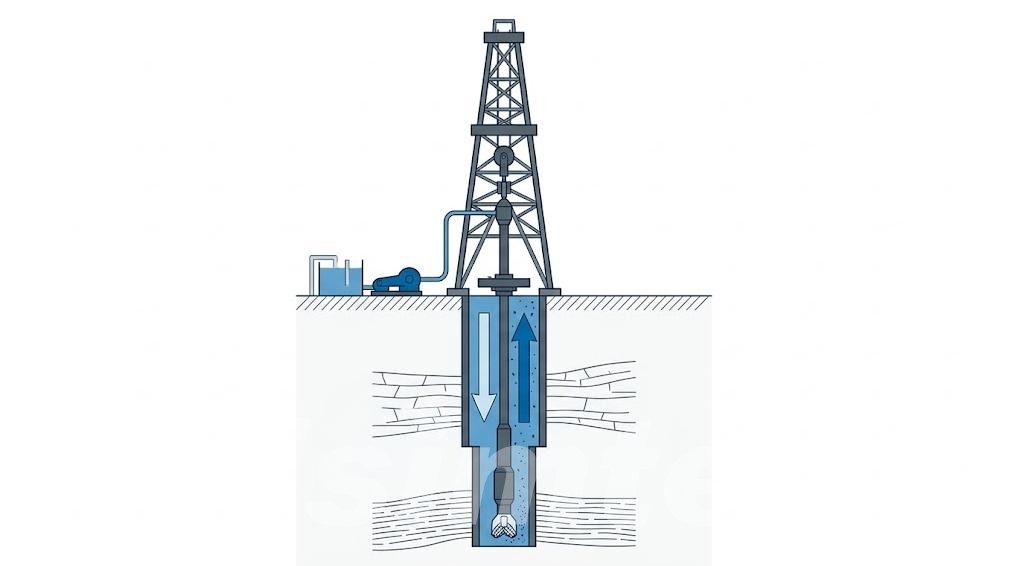
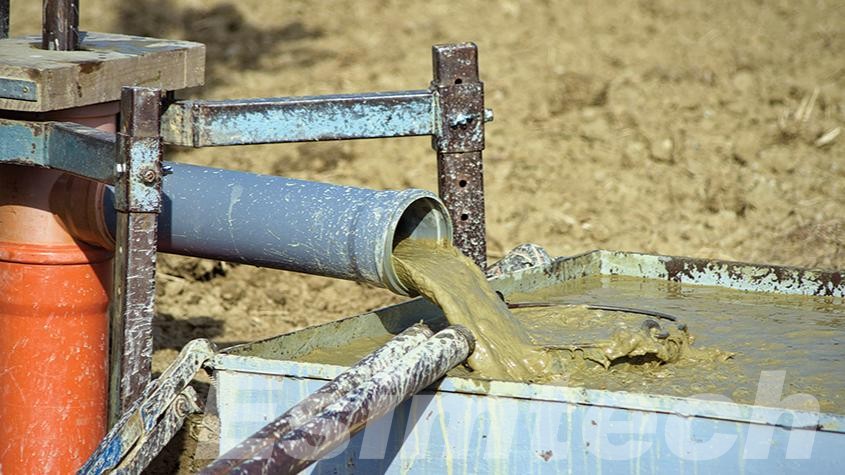
Drilling mud acts as a main barrier. For well control to hold up, the mud weight and other mud traits need to stay in the right range.
Mud density should be checked often. At the same time, teams should watch rheology, fluid loss, solids level, and chemical traits. These should also stay within the expected operating limits. If mud traits shift in an odd way, the equivalent circulating density and hydrostatic head can change. That can shrink the buffer between formation pressure and fracture pressure.
Solid control matters here too. Good mixing steps, plus timely mud treatment, help keep mud behavior steady.
3. Strengthen Well Monitoring
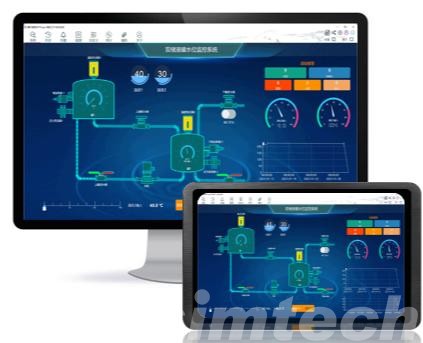
Early detection is a key part of well control. Many modern rigs collect a lot of real-time information. That data can help crews notice odd well behavior before it grows into a bigger issue.
Important signs show up in several places. Flow rate can shift. Pit volume may change. Pump pressure can drift. Return flow might not match the usual pattern. Drilling settings can also move. Gas readings may rise or fall in a way that looks wrong. Trip volumes can vary too. With automated monitoring, the system can check live values against expected patterns. If the numbers depart from the norm, it can send an alert to the crew.
However, the tools should support people, not take over their role. The drilling staff must grasp what the readings mean. They also need to act fast when something looks off.
4. Conduct Regular Well Control Drills
Well control skills can fade when they sit unused. Practice on a routine basis keeps the crew quick and coordinated. It also builds confidence for fast response during a kick or other strange event.
Drills can include kick spotting, shut-in steps, and loss of circulation. They can also cover equipment faults and breakdowns in communication. The training should use the same staff who would run the response in a real well control case.
After each drill, the group should go back over what happened. They should point out slow moments, errors, and any missed steps. Then they should revise procedures if needed. This approach keeps learning going, instead of treating drills as a box to check once.
5. Improve Personnel Competence
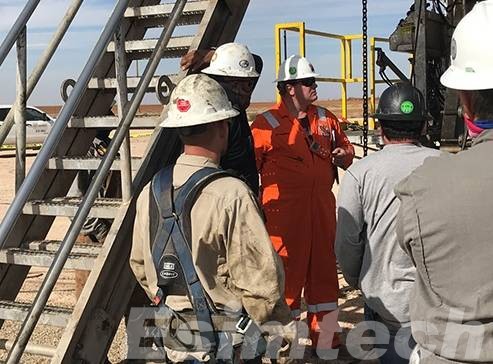
Well control results depend a lot on what the team knows and how they decide under stress. Staff should get training on pressure control ideas. They should also be trained on barrier handling. Kick detection, shut-in actions, and emergency response need clear coverage.
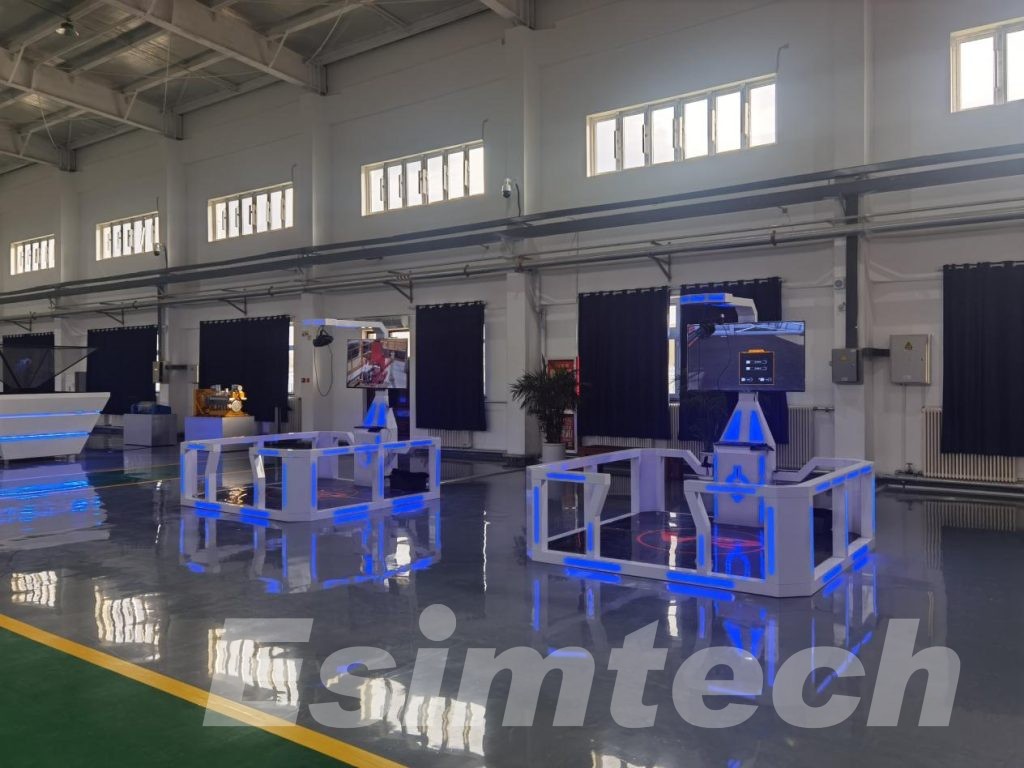
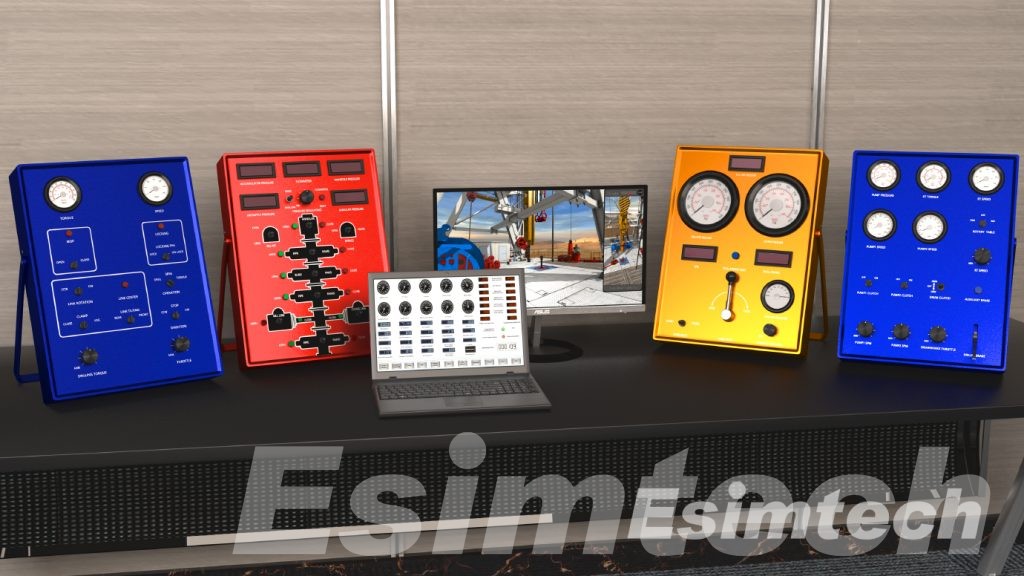
Use both classroom concepts and hands-on work. Simulation training can be a strong option. It lets people practice as pressures change. It also helps them make choices without putting a real well at extra risk.
Skills should be reinforced using prior lessons. That includes past incidents, near misses, and day-to-day operational events.

6. Use Reliable Well Control Equipment
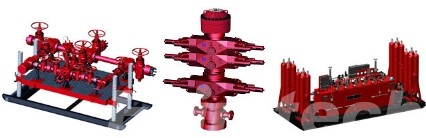
Well control equipment acts as a physical safety line. It has to stay in good working order. Items like blowout preventers, choke manifolds, valves, control units, pressure gauges, and related parts should be checked, tested, and kept up in line with required rules and the site procedures.
When operations get critical, equipment trust matters even more. That includes drilling, pulling pipe, running casing, pressure testing, and final well work. Good maintenance logs and written test steps help keep the equipment ready for use when it is needed.
7. Strengthen Barrier Management
A well should be managed using clearly defined primary and secondary barriers. The drilling team needs to understand the status of each barrier and recognize when a barrier has been weakened, removed, or compromised.
Barrier status should be communicated clearly between drilling, mud, cementing, well services, and other relevant teams. Before starting a critical operation, personnel should verify that the required barriers are in place and capable of performing their intended functions.
A systematic barrier-management approach reduces the likelihood that multiple failures will occur without detection.
8. Improve Communication and Teamwork
Not every well control issue starts as a technical failure. Some events come from poor coordination, unclear duties, and slow choices.
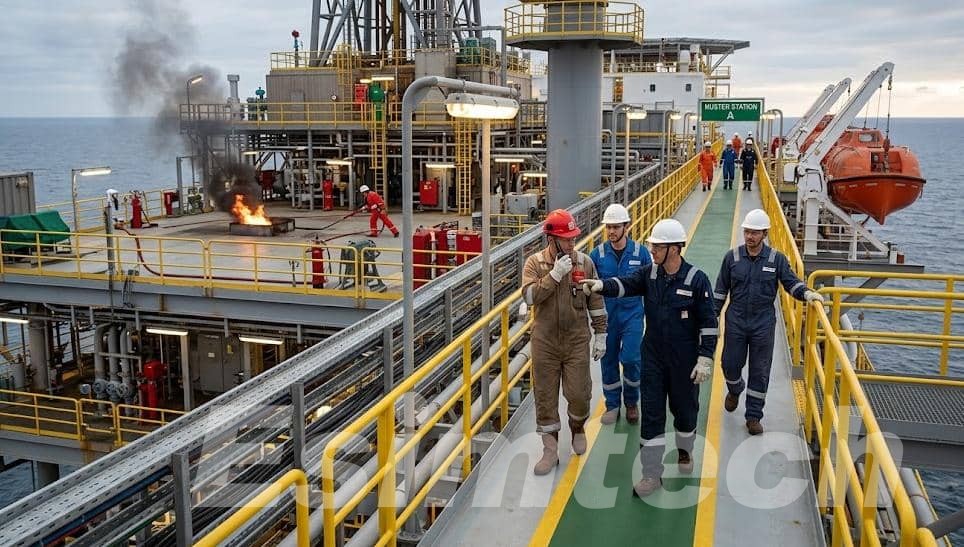
Before work starts, pre-job talks and toolbox meetings should spell out how to run the job, who owns each task, how updates flow, and what to do if something goes off plan. When conditions turn abnormal, updates need to move fast and stay clear between the rig floor, control systems, supervisors, and other staff.
A good safety mindset should also push people to share odd signs early, without delay. Reporting early can highlight weak signals before a small issue grows into a full well control incident.
9. Apply Real-Time Data and Simulation Technologies
Digital technologies can help well control by giving a clearer view of downhole conditions. With real-time data, teams can pull inputs from many sensors and show the results in a way that is easier to use during drilling.
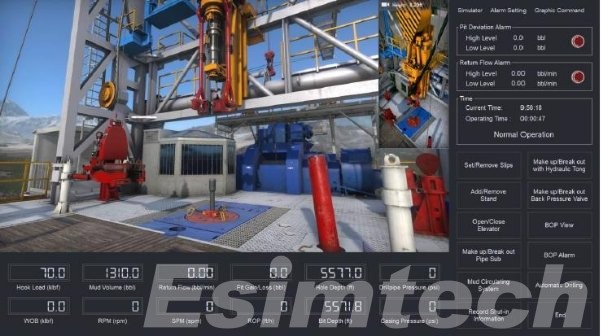
The following chart provides how simulation technologies are used for improving well control performance.
| Simulation Technology | How It Is Used | Contribution to Well Control Performance |
| Well Control Simulators | Recreate realistic drilling and well-control scenarios | Improves crew decision-making and emergency response skills |
| Drilling Simulators | Model drilling parameters, pressure changes, circulation, and formation behavior | Helps crews understand how operational changes affect well stability |
| Kick Simulation | Simulates formation influxes under different conditions | Improves kick detection, well shut-in, and response procedures |
| Hydraulics Simulation | Models pressure losses, mud circulation, ECD, and bottomhole pressure | Supports better control of the pressure window and mud program |
| Managed Pressure Drilling (MPD) Simulation | Reproduces narrow pressure-window drilling conditions | Allows crews to practice maintaining precise pressure control |
| Blowout Preventer (BOP) Simulation | Simulates BOP operation and well shut-in scenarios | Builds familiarity with equipment operation and emergency procedures |
| Virtual Reality (VR) Training | Creates immersive rig-floor and well-control environments | Provides realistic hands-on practice without exposing personnel or equipment to operational risks |
| Scenario-Based Simulation | Tests responses to kicks, lost circulation, equipment failures, and other abnormal events | Improves preparedness for complex and unexpected situations |
| Real-Time Drilling Simulation | Uses live or simulated drilling data to model changing well conditions | Helps personnel recognize abnormal trends and make faster decisions |
| Post-Drill Simulation Analysis | Replays training exercises or operational events | Identifies weaknesses and provides opportunities for continuous improvement |
Simulation technologies work best when paired with regular practice, trained instructors, realistic cases, review of performance, and feedback from what went wrong or right. This lets crews repeat well control actions and build skill before an actual event happens.
10. Learn From Incidents and Near Misses
Ongoing progress depends on taking lessons from both good outcomes and bad ones. Well control events, near misses, odd pressure changes, and cases where steps were not followed should be reviewed in a clear process.
The goal should not be only to point to a single person’s error. Reviews should look at deeper contributors like written steps, training quality, equipment layout, fatigue and workload, hand-offs and talk, supervision, and how the organization runs work.
After that, lessons should be folded into the work instructions, training plans, risk checks, and future well planning.
11. Establish a Culture of Continuous Improvement
Improving well control is not a one-time effort. It needs steady review and updates. Key performance measures can track things such as kick detection speed, time to respond, drilling results, equipment dependability, training completion, and whether barriers still meet the requirement.
Regular reviews help teams spot weak points early. That can keep small problems from turning into major incidents. When you bring together engineering controls, well trained people, dependable tools, clear procedures, and ongoing practice, the well control system becomes more solid.
Final Words
Improving well control performance needs more than one fix. It must cover both the work itself and how people perform it. Keep pressure handling correct. Keep drilling fluid stable. Use monitoring that you can trust. Manage barriers the right way. Maintain equipment on schedule. Train on a routine basis. Encourage clear, steady communication. All of that supports safer work.
Simulation technologies and real-time data can further enhance detection, training, and decision-making. Most importantly, well control should be seen as part of everyday operations. It is not only something you do when an emergency starts. If drilling teams keep checking how things go and they learn from each event, safety improves. Operational risk goes down. Well construction tends to be more consistent.