How to Mitigate Risks in Oil Drilling Operations

Written By: Computer Science Professor
Deeply rooted in the R&D of simulators for the oil and gas industry, committed to bringing safety to every oil worker.
Oil drilling operations are kind of inherently complex and they involve pretty meaningful risks. So risk mitigation is, in a way, essential to keep drilling safe, efficient and also sustainable. To mitigate risks in oil drilling, you really need a proactive approach that blends careful planning with advanced technologies, experienced crews, solid safety frameworks and ongoing surveillance. When drilling teams spot potential hazards early and then put in place fitting control measures, companies can reduce the chance and also the overall impact of incidents, in a noticeable way.
Common Risks in Oil Drilling Operations
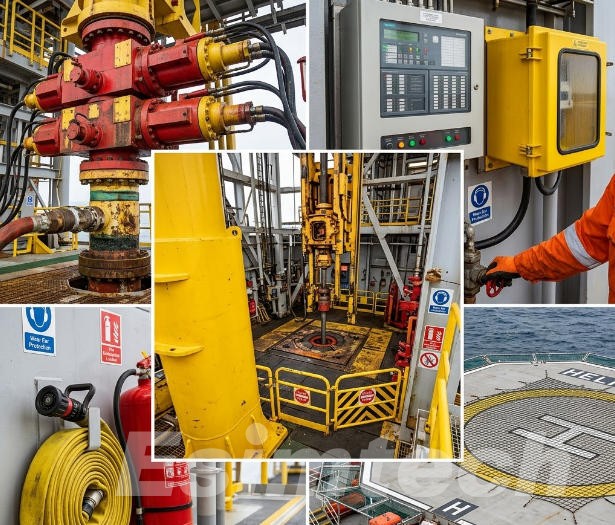
This chart provides the main categories of risk commonly encountered during oil drilling operations and the possible consequences associated with each risk.
| Risk Category | Description | Potential Consequences |
| Well Control Failure | Unexpected formation pressure causes kicks or blowouts. | Fire, explosion, injuries, fatalities, environmental pollution. |
| Equipment Failure | Malfunction of rigs, pumps, drill strings, or blowout preventers. | Operational downtime, accidents, costly repairs. |
| Geological Uncertainty | Unexpected faults, pressure zones, or unstable formations. | Stuck pipe, lost circulation, well instability. |
| Human Error | Mistakes due to inadequate training, fatigue, or poor communication. | Accidents, equipment damage, procedural violations. |
| Fire and Explosion | Ignition of hydrocarbons or flammable materials. | Severe injuries, fatalities, asset destruction. |
| Environmental Pollution | Oil spills, drilling fluid leaks, or improper waste disposal. | Ecosystem damage, regulatory penalties, cleanup costs. |
| Weather and Natural Hazards | Storms, hurricanes, flooding, earthquakes, or extreme temperatures. | Operational disruption, equipment damage, safety risks. |
| Corrosion and Material Degradation | Exposure to corrosive fluids and harsh environments. | Equipment weakening, leaks, structural failure. |
| Transportation and Logistics Risks | Accidents involving personnel, equipment, or supply transport. | Injuries, delays, loss of materials. |
| Cybersecurity and Control System Failure | Disruption of digital monitoring or automated control systems. | Loss of operational control, data compromise, safety incidents. |
Effective Strategies for Mitigating Risks in Oil Drilling
1. Comprehensive Planning and Hazard Identification
One of the most effective ways to lessen risks in oil drilling begins way before the drilling rig is even parked at the site. Thorough planning helps operators spot possible hazards and craft strategies for them before the actual work starts. Geological surveys, seismic studies ,and reservoir analyses give useful details about what is happening under the ground, and they allow engineers to foresee complications like abnormal pressure zones, unstable formations, and fault networks.
During the planning phase, drilling teams carry out detailed risk assessments, this lets them examine operational hazards environmental impacts, and workplace safety concerns. Once the team understands what can go wrong at a specific drill location, and under a given set of subsurface conditions, the company can make better decisions about equipment choice, well architecture and backup actions.
2. Strengthening Well Control Systems
Maintaining good control is one of the most critical things in drilling safety. When oil or gas is released in an uncontrolled way it can lead to blowouts, fires , environmental harm, and meaningful financial losses. The key well control strategies aim at stopping abnormal pressure situations from turning into major incidents.
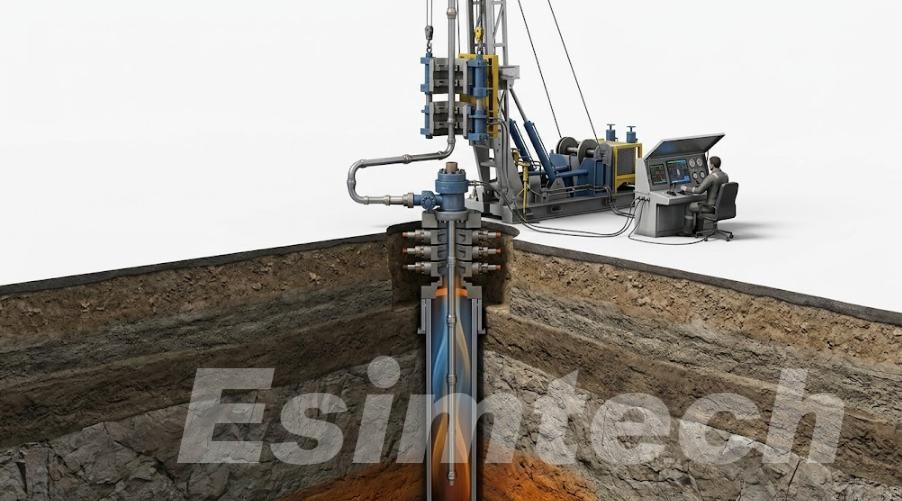
In today’s drilling, operations rely on advanced blowout preventers, automated pressure monitoring platforms, and more detailed drilling fluid handling methods so the well stays under control. With ongoing observation of drilling parameters, operators can spot pressure oddities earlier, then correct course before a dangerous situation becomes real. Also, frequent testing and careful upkeep of well control equipment make sure the safety system keeps working reliably, exactly when it is required.
3. Enhancing Equipment Reliability and Maintenance
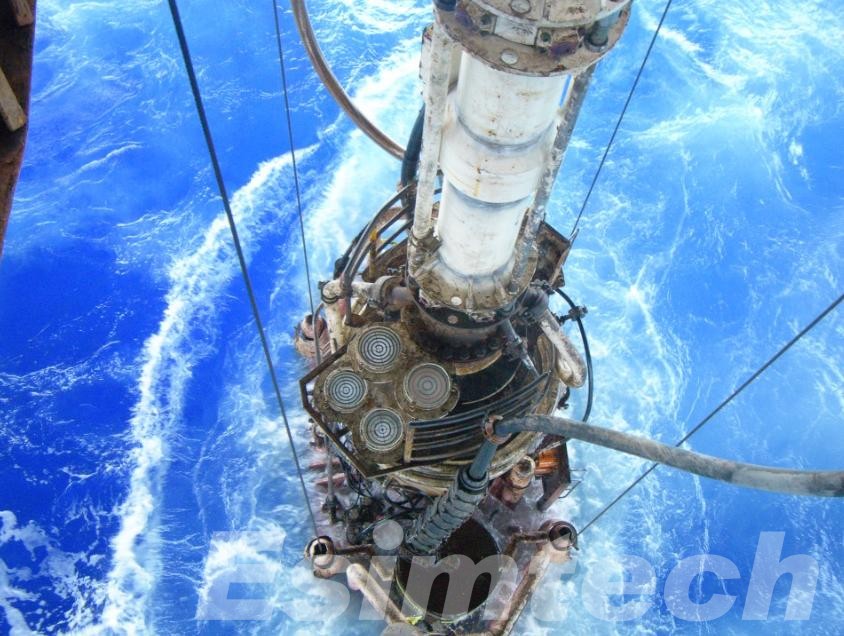
Mechanical failures are still a big part of the overall risk picture in oil drilling. Stuff like drilling rigs, pumps, hoisting systems, and the drill string assemblies are placed under very hard operating conditions, which can speed up wear and raise the odds of a failure happening. For that reason, being proactive with upkeep is really essential to keep risk levels lower.
Preventive maintenance routines help spot trouble early, before it turns into a full equipment breakdown. And today, predictive maintenance advances let operators track how assets perform in real time. They use sensors plus diagnostic tools, and then the team checks things like vibration behavior, temperature changes, and other operational measurements. Once these signals are reviewed, early failure cues show up, repairs can be planned ahead of time, and major complications are less likely. The result is better equipment dependability, and also less expensive shutdown time.
4. Improving Workforce Competency and Safety Awareness
Human factors still seem to matter in drilling incidents a lot. Even with advanced technology, and equipment that works well, operational safety ends up depending heavily on what people know, how they do their tasks, and how they decide under pressure. Because of that, training programs really are essential to lower the risks.
Building a solid safety culture helps employees take part in hazard noticing and risk management efforts in a real way. When people speak openly and everyone feels responsible for safety, it tends to lower workplace incidents quite a bit.
2. Adopting Digital Technologies and Automation
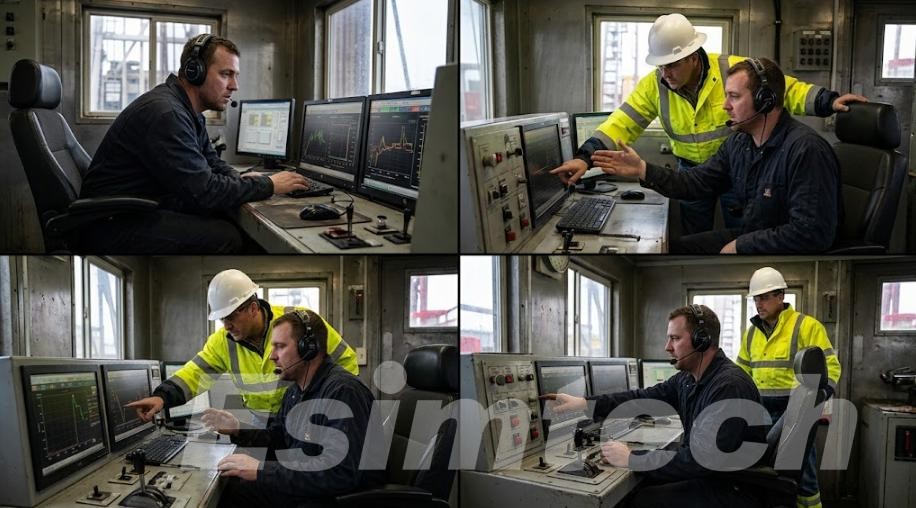
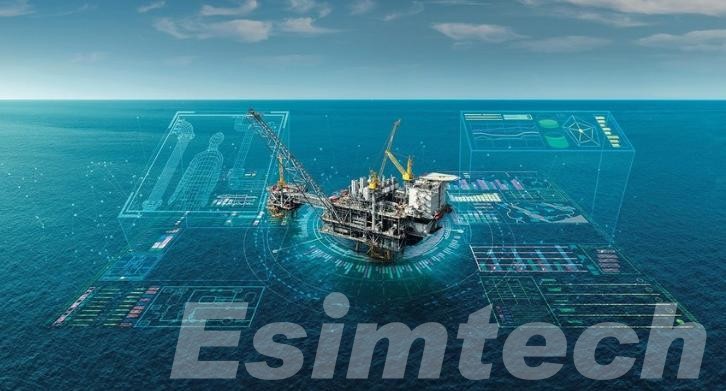
Digital transformation is changing how risk management works throughout the oil and gas sector. With real time monitoring, teams get ongoing visibility into operating information, so engineers and drilling supervisors can spot unusual conditions quickly. Automated control systems can react to specific risks faster than manual interventions, which in turn reduces the chances of human mistake.
Artificial intelligence and machine learning technologies further enhance risk mitigation by processing huge datasets and spotting patterns that might point toward emerging problems. Predictive analytics can forecast equipment failures, tune drilling parameters for better performance and assist with stronger decision-making during drilling operations
3. Integrating Simulation Technologies
The following chart offers how simulation technologies have become essential tools for proactively identifying, evaluating, and mitigating risks throughout the oil drilling lifecycle.
| Simulation Technology | How It Is Used in Oil Drilling | Risk Mitigation Benefits |
| Drilling Simulators | Replicate real drilling operations and equipment behavior in a virtual environment. | Improves operator skills, reduces human error, and enhances decision-making during critical situations. |
| Well Control Simulators | Simulate kicks, blowouts, and pressure-control scenarios. | Trains crews to recognize and respond to well control incidents before they escalate. |
| Reservoir Simulation | Models subsurface reservoirs, fluid flow, and pressure behavior. | Reduces geological uncertainty and supports safer well planning. |
| Digital Twin Technology | Creates a virtual replica of drilling equipment and operations using real-time data. | Enables predictive maintenance and early detection of equipment failures. |
| Managed Pressure Drilling (MPD) Simulation | Simulates pressure management strategies during drilling. | Helps prevent lost circulation, formation damage, and well control events. |
| Geomechanical Simulation | Models rock properties, stress distribution, and wellbore stability. | Minimizes risks of wellbore collapse, stuck pipe, and formation instability. |
| Emergency Response Simulators | Recreates emergency situations such as fires, explosions, and evacuation scenarios. | Improves preparedness and response efficiency during actual emergencies. |
| Hydraulic Simulation | Analyzes drilling fluid flow, pressure losses, and cuttings transport. | Optimizes drilling performance and reduces risks associated with poor hole cleaning and pressure fluctuations. |
| Equipment Performance Simulation | Tests the operational performance of rigs, pumps, BOPs, and other critical equipment under various conditions. | Identifies potential weaknesses before deployment and improves equipment reliability. |
| Offshore Weather and Environmental Simulation | Models weather patterns, ocean currents, and environmental conditions affecting offshore operations. | Supports safer operational planning and reduces weather-related risks. |
| Blowout Scenario Modeling | Simulates potential blowout events and hydrocarbon release pathways. | Helps develop effective containment and emergency response strategies. |
| Integrated Field Development Simulation | Combines geological, drilling, production, and economic models into a single simulation environment. | Supports informed decision-making and reduces overall project risk. |

4. Environmental Protection Strategy
Environmental risks are a major concern in present oil drilling operations. Oil spill events, releases of drilling fluid, emissions, and troubles with waste management can cause serious harm to ecosystems and nearby communities. Effective environmental protection practices are therefore an essential part of risk mitigation, and they should not be treated as secondary.
Companies are increasingly rolling out broad environmental management systems that pull together spill prevention technologies, leak detection systems, waste treatment routines, and ongoing emissions monitoring efforts. There’s usually a lot of careful planning and regular environmental audits, which helps with staying in line with regulations while also keeping the possible impact of drilling activities as low as practicable. When operators proactively tackle environmental risks, they often cut down liabilities, and also improve sustainability outcomes.
5. Emergency Preparedness and Response Planning
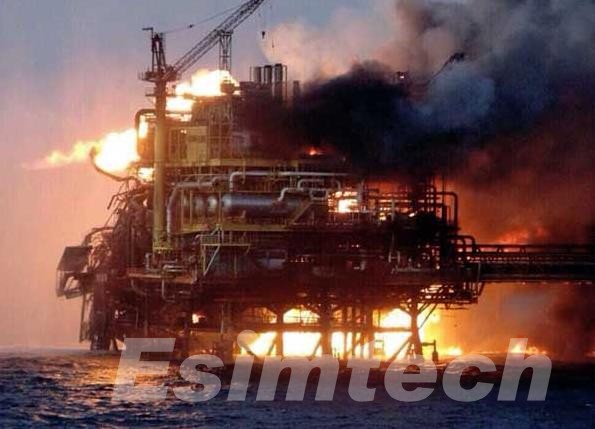
Even with all those preventive measures in place, some incidents can still show up. Strong emergency preparedness means an organization can act quickly and effectively when unexpected events appear. Well developed emergency response plans set out straightforward procedures for handling scenarios like blowouts, fires, equipment failures, and environmental releases.
Regular emergency drills let teams practice response actions, and in the process, they improve coordination across different groups. These sessions also surface weaknesses in emergency procedures, and they give everyone a real chance for ongoing refinement. When an organization is well-prepped, it can limit the impact of incidents and restart operations more quickly, generally speaking.
Continuous Risk Monitoring in Oil Drilling
This chart illustrates how continuous risk monitoring enables drilling operators to maintain safer, more efficient oil drilling operations.
| Monitoring Area | Parameters Monitored | Purpose | Risk Mitigation Benefits |
| Well Pressure Monitoring | Formation pressure, annular pressure, bottom-hole pressure | Detect abnormal pressure changes during drilling | Prevents kicks, blowouts, and well control incidents |
| Drilling Fluid Monitoring | Mud weight, viscosity, density, flow rate | Ensure proper wellbore pressure balance | Reduces risks of lost circulation and formation damage |
| Wellbore Stability Monitoring | Borehole condition, rock stress, formation integrity | Identify instability and collapse risks | Minimizes stuck pipe incidents and wellbore failure |
| Equipment Condition Monitoring | Vibration, temperature, wear indicators, operating performance | Assess equipment health in real time | Prevents unexpected equipment failures and downtime |
| Blowout Preventer (BOP) Monitoring | Hydraulic pressure, valve status, system functionality | Verify readiness of well control systems | Enhances reliability during emergency situations |
| Drilling Parameter Monitoring | Rate of penetration, torque, weight on bit, rotation speed | Optimize drilling performance and detect anomalies | Improves operational efficiency and reduces mechanical risks |
| Gas Detection Monitoring | Hydrocarbon gas concentrations and influx indicators | Detect gas entry into the wellbore | Provides early warning of potential well control events |
| Environmental Monitoring | Emissions, spills, waste discharge, water quality | Ensure environmental compliance | Reduces environmental impact and regulatory risks |
| Structural Integrity Monitoring | Rig structures, offshore platforms, support systems | Detect fatigue, corrosion, and structural weaknesses | Prevents structural failures and safety incidents |
| Cybersecurity Monitoring | Network activity, system access, data integrity | Protect digital drilling systems and operational technology | Reduces risks of cyberattacks and operational disruptions |
| Personnel Safety Monitoring | Worker location, fatigue levels, exposure to hazards | Enhance workforce protection | Lowers accident rates and improves emergency response |
Summary
Mitigating risks in oil drilling takes a broad and forward-looking approach that ties together technology, careful planning, practical training, safety management, and ongoing improvement. By doing deep risk assessments, using solid well control systems, keeping equipment maintenance reliable and consistent, building workforce skills, enforcing environmental protection measures, and adding real time monitoring, drilling companies can reduce major operational hazards and improve overall efficiency.
As drilling projects get more and more complex, organizations that prioritize risk mitigation will be in a better position to safeguard their personnel, assets, and environment while still reaching sustainable operational results. Effective risk management is not only a regulatory obligation and it also serves as a foundational element in responsible and successful oil drilling operations.