Types of Offshore Drilling Rigs: Choosing the Suitable One for Specific Projects

Written By: Computer Science Professor
Deeply rooted in the R&D of simulators for the oil and gas industry, committed to bringing safety to every oil worker.
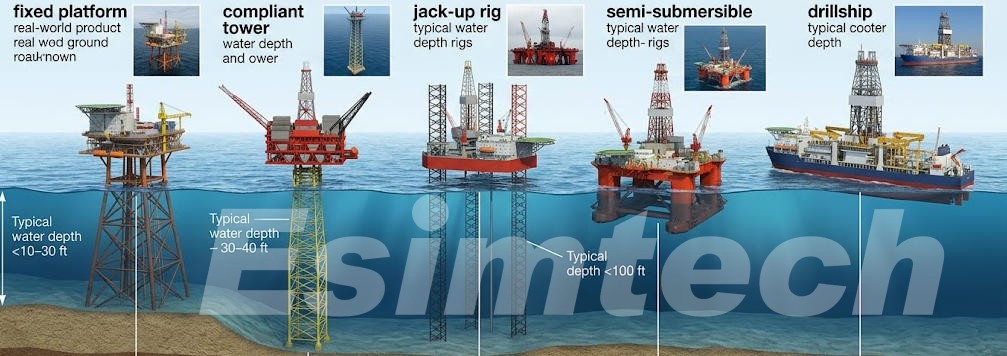
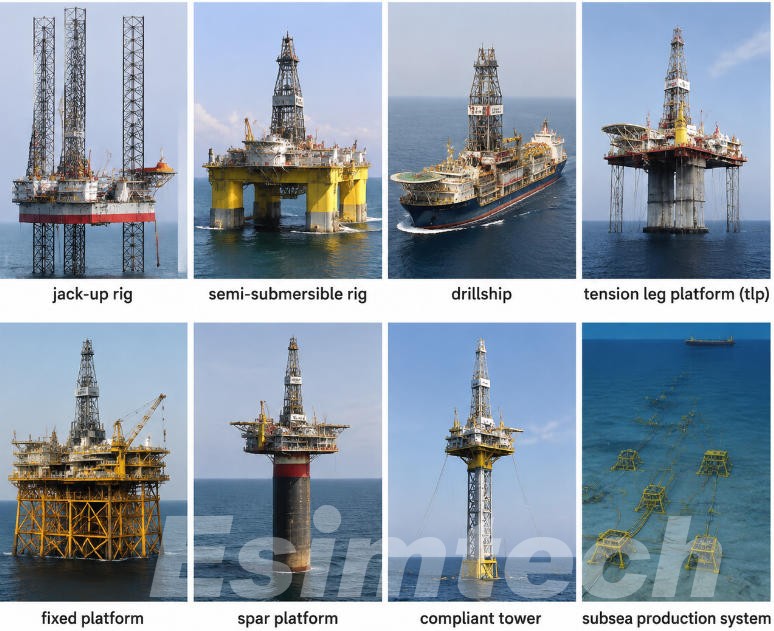
Offshore drilling rigs are a kind of specialized structures that are meant to find and take out oil and natural gas resources under the seabed. But, unlike land-based drilling equipment, offshore rigs have to work in rough marine settings, including deep water, fast currents, nasty weather, and also tricky geological formations. There are a few different types of offshore drilling rigs, and they are usually developed based on water depth, the actual drilling needs, how much mobility is required, and how long the project will last.
From shallow-water fixed platforms up to more advanced deepwater drillships, every single rig type has its own special traits and practical uses. If people understand the different drilling rig types help operators select the most suitable solution for offshore exploration and production projects.
Different Types of Offshore Drilling Rigs
1. Fixed Offshore Platforms
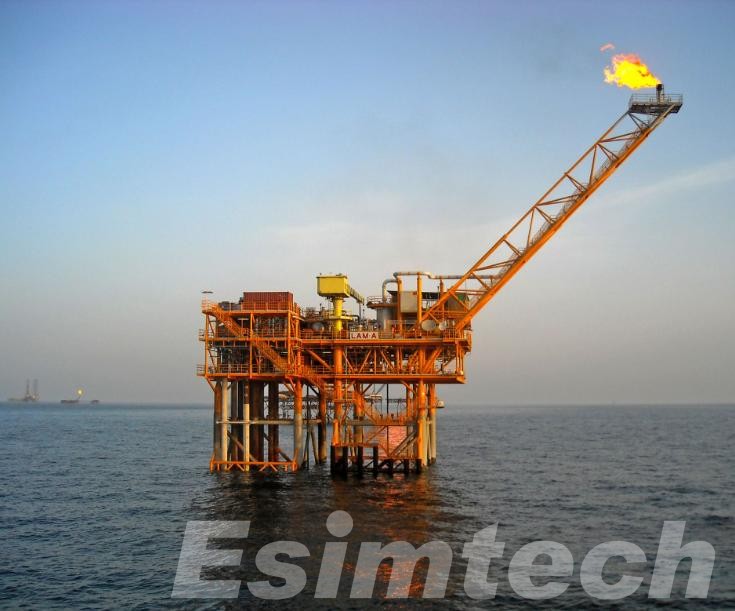
Fixed offshore platforms are permanent structures installed directly onto the seabed. They are mostly used in shallow to medium water depths, especially when long-term oil and gas production is expected. These platforms are built with steel or concrete foundations, which give firm stability against wave action, wind, and the ocean’s current movement.
In general, a fixed platform includes a supporting jacket, a deck section, drilling equipment, production facilities and living quarters. Since they stay in one place for many years fixed platforms fit well with large offshore fields where the production conditions are predictable.
The main benefits of fixed platforms cover strong stability, large production capacity, and the possibility to handle big processing systems. Still, installation needs a major investment, plus they can become less practical in very deep water because of construction limitations, and the overall expense.
2. Jack-up Rigs
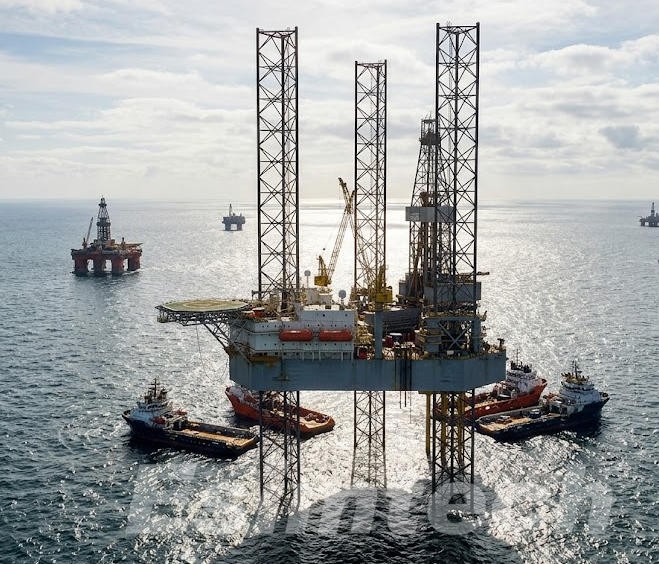
Jack-up rigs are mobile offshore drilling units, usually used in shallow-water areas. They come with multiple extendable legs that can be lowered down to the seabed, while the working platform rises above the water surface.
When they are being transported, the legs are pulled up, so the whole rig can be carried by a specialized vessel. After it reaches the drilling spot, the legs are lowered again until they touch the seabed firmly, and then the platform becomes a steady drilling base.
Jack-up rigs are commonly chosen for exploration drilling, well maintenance, and development work, especially in water depths up to about 150 meters, though that range depends on the rig design. Their ability to move, the comparatively low operating expense, and fast setup means they remain among the most used offshore drilling options.
3. Semi-submersible Rigs
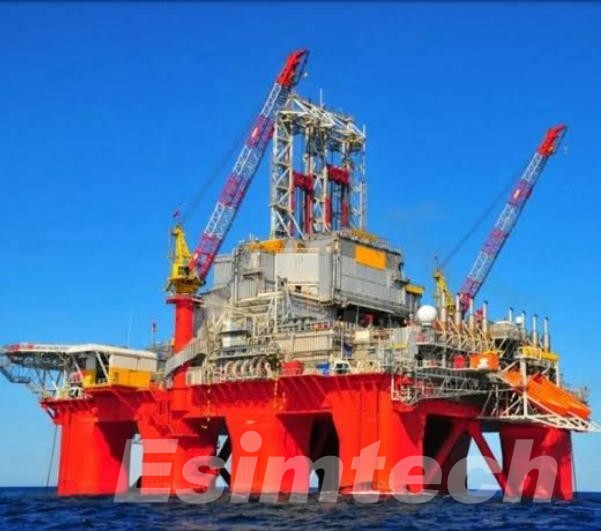
Semi-submersible rigs are floating offshore drilling units made for working in deeper waters. They have a big platform that is held up by submerged pontoons and columns. When the operators change the ballast tanks, the rig can sink a bit, so it sits more securely, especially when the sea gets rough and the waves keep pushing.
In practice, these units are kept in place by mooring systems that link to the seabed or by dynamic positioning technology. Since a large part of the structure stays below the water surface, the rig tends to feel less wave impact than surface vessels do. less wave motion usually means the equipment stays in a more controllable state.
Semi-submersible rigs work well for deepwater drilling and harsh environments. They show up often in locations where the water depth goes beyond what jack-up rigs can manage. Their strong stability makes it possible to run complicated drilling tasks, for instance exploration wells, and extended drilling programs.
4. Drillships
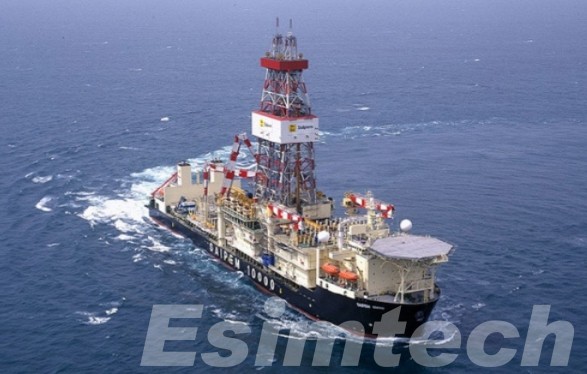
Drillships are really mobile offshore drilling vessels, made for deepwater and even ultra-deepwater exploration. On these ships the drilling system sits in the middle of the hull, so the drilling work can go through an opening, often called a moon pool, which just makes it easier to keep the process steady.
Most modern drillships rely on advanced dynamic positioning systems to stay in place without classic anchoring. In practice computer-controlled thrusters automatically fine tune the vessel’s position based on wind, sea state, and ocean currents. It feels like the ship is continuously listening and correcting, even if you are not watching.
They bring several benefits too, like high mobility, a large storage capacity, and the ability to shift between well sites relatively fast. Because of that they are commonly used for deepwater exploration programs in offshore basins and also more remote ocean regions.
And with improvements in drilling technology, modern innovative drillships can work in water depths that exceed several thousand meters, so they become important for finding new offshore energy resources.
5. Tension Leg Platforms (TLPs)
Tension Leg Platforms are floating production structures that are linked to the seabed by vertical, tensioned tendons. Those tendons keep the platform held in place, while still letting it move a little up and down due to waves and tides. Not too much, but enough to stay survivable during rougher sea states
TLPs bring together the flexibility of floating setups with the steadiness you usually expect from fixed platforms. They’re mostly picked for deepwater fields, where permanent production facilities are needed for the long run
One notable advantage of TLPs is that they can manage both drilling and production at the same time in deepwater settings. Their reduced oscillation helps with drilling precision and supports the placement of subsea hardware and the associated production systems
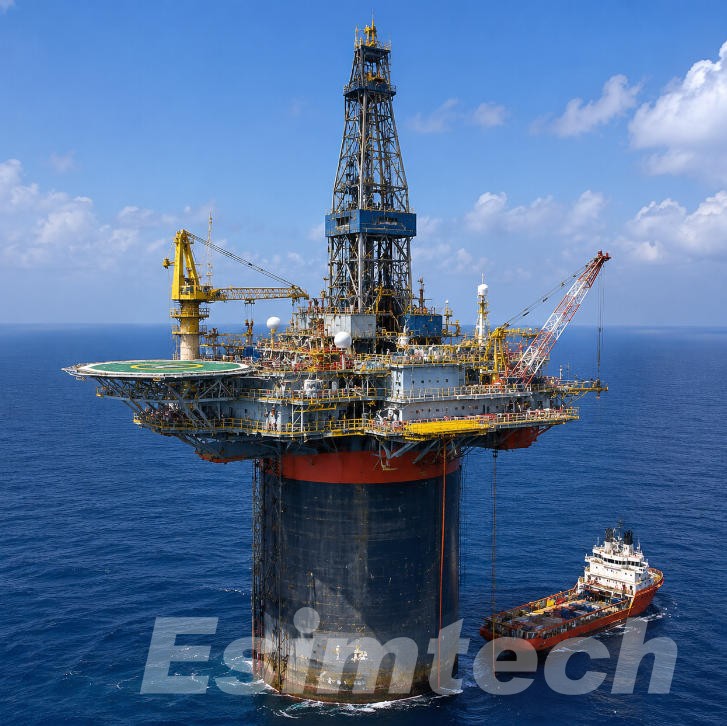
6. Spar Platforms
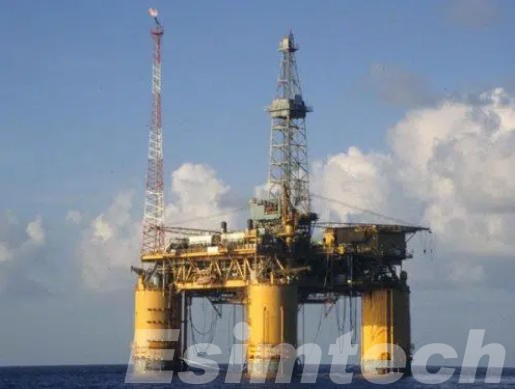
Spar platforms are deepwater floating structures that use a large vertical cylindrical hull as the main body. The bottom part goes way down below the sea surface, giving strong stability and smoother behavior in open water
The design reduces the motion that waves bring in, so spar platforms can work well for production jobs in deepwater settings. Typically, they’re tied to the seabed by a mooring system, and they can carry drilling equipment, processing facilities, plus storage systems too.
Spar platforms are often chosen in deepwater regions when a steady, long-lasting output is needed. Their strong stability and the extra deck area help them stand out as a key option for offshore oil and gas work.
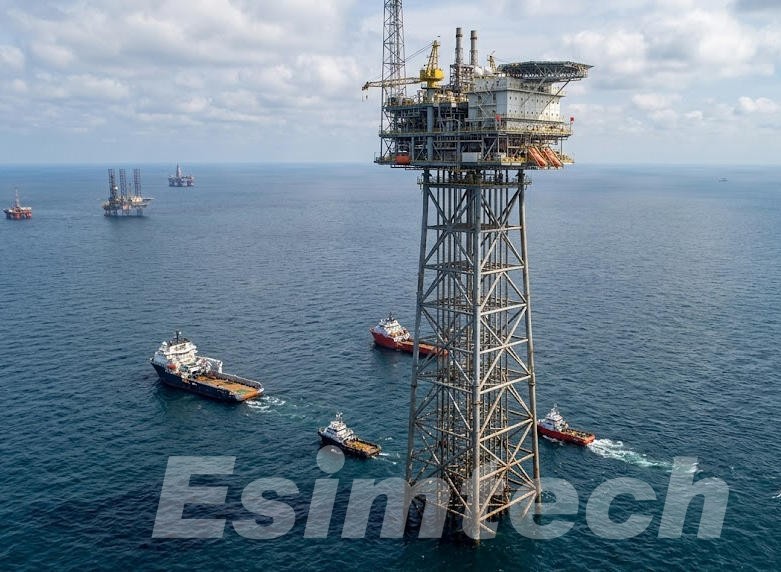
7. Compliant Towers
Compliant towers are tall and flexible offshore structures built for deepwater use. Instead of being like fixed platforms with rigid supports, these towers are meant to sway a bit under wind, waves, and currents while still keeping overall structural integrity.
They generally use a narrow framework which helps reduce wave induced loads, and that’s why they can function in deeper waters compared to traditional fixed platforms. With this setup, they can hold drilling and production facilities while still enabling long-term field development.
Compliant towers are usually deployed in medium to deeper water settings, where operators want a lasting offshore setup, while keeping the structural stress lower.
8. Subsea Production Systems
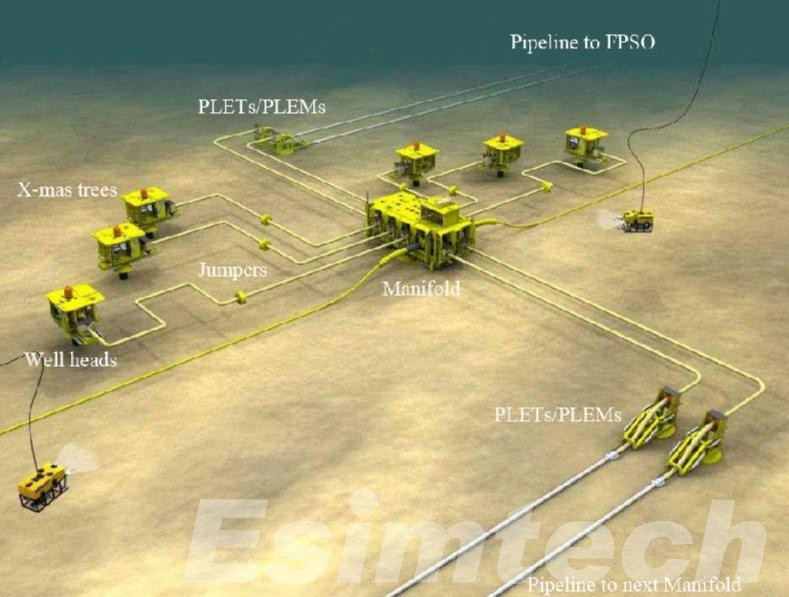
Even if they are not technically drilling rigs, subsea production systems sit very near to offshore drilling activities. In practice, these systems install wellheads, valves, and production machinery right on the seabed, then they tie back to floating facilities or platforms.
With subsea systems, operators can work offshore fields in extreme depths, where classic platforms are less feasible. During the drilling phase, they are frequently paired with drillships or semi-submersible rigs, and the whole arrangement continues after the wells are completed.
Innovations in subsea technologies, remote monitoring, and underwater robotics has widened what deepwater oil and gas teams can attempt.
Comparison of Different Offshore Drilling Rigs
| Type of Offshore Drilling Rig | Structure Design | Applications | Mobility | Suitable Water Depth |
| Fixed Offshore Platform | Steel or concrete structure fixed directly to the seabed | Long-term oil and gas production | Low | Shallow to medium water depths |
| Jack-Up Rig | Floating platform with extendable legs placed on the seabed | Exploration drilling, well maintenance, shallow-water development | High | Usually up to about 150 m |
| Semi-Submersible Rig | Floating platform supported by submerged pontoons and columns | Deepwater exploration and drilling operations | Medium | Deepwater environments |
| Drillship | Ship-shaped drilling vessel with a central drilling system and moon pool | Deepwater and ultra-deepwater exploration | Very High | Several thousand meters |
| Tension Leg Platform (TLP) | Floating platform anchored with vertical tensioned tendons | Deepwater production and drilling | Low to Medium | Deepwater fields |
| Spar Platform | Large vertical cylindrical floating hull moored to the seabed | Deepwater oil and gas production | Low | Deepwater fields |
| Compliant Tower | Flexible tall structure fixed to the seabed | Medium to deepwater production projects | Low | Medium to deep water |
| Subsea Production System | Seabed-installed wells and production equipment connected to floating facilities | Deepwater field development | Depends on connected facility | Deep and ultra-deep water |
Key Factors to Consider for Choosing the Right Offshore Drilling Rigs
From shallow-water jack-up rigs to advanced deepwater drillships, each offshore drilling rig has unique capabilities and limitations. Understanding the key selection criteria helps companies optimize drilling performance and reduce operational risks.
| Key Factor | Why It Important | Main Considerations | Suitable Rig Examples |
| Water Depth | Determines whether a rig can safely operate at the project location | Shallow, deepwater, or ultra-deepwater requirements; seabed conditions | Jack-Up Rig, Fixed Platform, Semi-Submersible Rig, Drillship |
| Drilling Environment | Ensures the rig can withstand marine conditions | Wave height, wind speed, ocean currents, storms, temperature, harsh environments | Semi-Submersible Rig, Spar Platform, Drillship |
| Geological Conditions | Defines the drilling technology and equipment required | Reservoir depth, rock formation, pressure, well complexity | Advanced Drillship, Semi-Submersible Rig |
| Drilling Depth Capability | Ensures the rig can reach target reservoirs | Maximum drilling depth, drilling pressure, well-control systems, top drive capacity | Deepwater Drillship, Semi-Submersible Rig |
| Rig Mobility | Determines operational flexibility and relocation ability | Number of drilling locations, exploration requirements, transportation needs | Drillship, Jack-Up Rig |
| Project Duration | Influences whether a temporary or permanent structure is preferred | Short-term exploration, long-term production, field development plans | Jack-Up Rig, Fixed Platform, TLP, Spar Platform |
| Safety Systems | Reduces operational risks and protects personnel | Blowout preventers (BOP), emergency shutdown systems, fire protection, safety history | All modern offshore rigs |
| Cost and Budget | Affects overall project economics | Rig rental cost, installation, fuel, maintenance, crew, downtime expenses | Jack-Up Rig for lower cost; Drillship for complex projects |
| Rig Availability | Helps maintain project schedules | Contractor availability, delivery time, regional rig demand | Available jack-ups, semi-submersibles, drillships |
| Technology Level | Improves efficiency and drilling performance | Automation, remote monitoring, AI analysis, digital twin systems | Modern Drillships, Smart Semi-Submersibles |
| Environmental Performance | Supports sustainable offshore operations | Fuel efficiency, emissions reduction, waste management, energy-saving systems | New-generation Offshore Rigs |
| Maintenance and Reliability | Minimizes downtime and operational interruptions | Equipment condition, spare parts availability, maintenance support | All rig types depending on design |
| Crew Capability and Support | Ensures safe and efficient operation | Crew experience, training programs, offshore logistics support | All offshore drilling units |
| Regulatory Compliance | Ensures legal and safe operation | Offshore standards, environmental regulations, certification requirements | Certified Offshore Drilling Rigs |
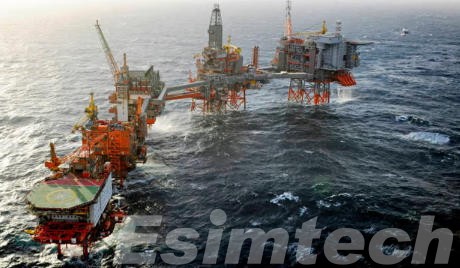
Future Trends in the Development of Offshore Drilling Rigs
The future for offshore drilling rigs is tied to automation, digital tech and environmental sustainability, really. Today’s rigs are more and more fitted with artificial intelligence and remote monitoring systems, and it makes daily operations look less improvised. Automated drilling systems lower human risk while also boosting precision in those complex offshore settings.
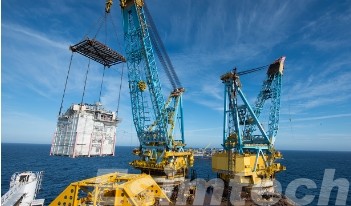
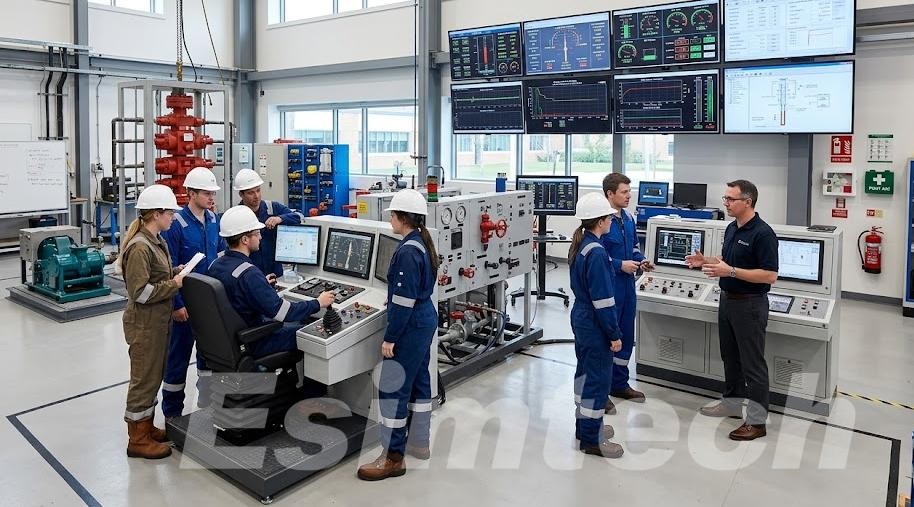
Oil and gas simulation technologies will keep mattering more and more for future offshore drilling rig development, because they help teams design things more safely, run operations smarter, and train people better. With advanced drilling simulators, digital twins, and virtual modeling systems, engineers can examine rig layouts, study drilling output, and foresee how equipment behaves in many possible offshore situations, even before anything is shipped out to the field.
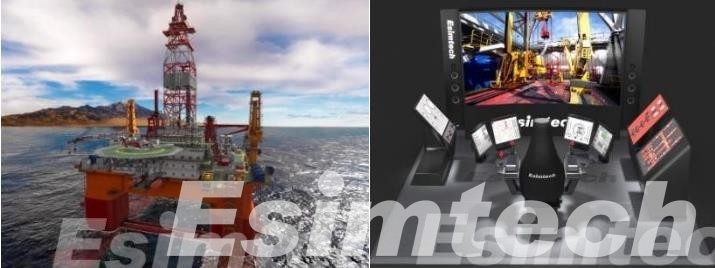
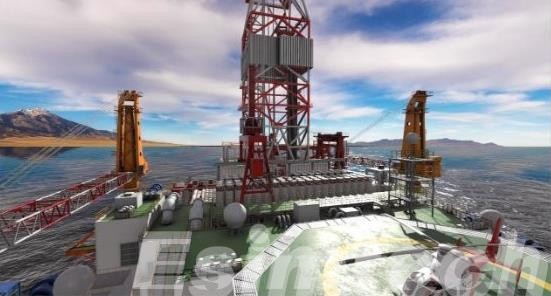
When harsh environments, difficult well programs, and emergency situations are mimicked in a controlled way, operators can tune rig structures, strengthen decision-making, and improve crew education by using emergency training simulators. As offshore work pushes into deeper, more demanding settings, simulation-based approaches will support the creation of more capable, dependable, and safer next-generation drilling rigs.
Also, offshore energy initiatives are leaning more toward reducing emissions by using energy-efficient equipment, hybrid power systems, and newer waste management technologies. As exploration pushes into deeper, more challenging environments, advanced offshore drilling platforms will keep being important for global energy development, you know.
Summary
Offshore drilling rigs come in various designs, each developed to meet specific operational challenges.
- Fixed platforms provide reliable long-term production in shallow waters
- Jack-up rigs offer flexible solutions for shallow-water drilling.
- Semi-submersible rigs and drillships enable exploration in deep and ultra-deepwater regions
- Advanced floating structures such as TLPs and spar platforms support complex offshore developments.
Selecting the proper offshore drilling rig depends on details like water depth, subsurface or geological conditions, what the project actually needs, and the budget economics side. With offshore exploration technology still advancing, these drilling systems are expected to get more efficient, safer for crews, and better fitted to future demands of the energy industry.