Top Drive vs. Kelly Drive Drilling: What are the Key Differences

Written By: Computer Science Professor
Deeply rooted in the R&D of simulators for the oil and gas industry, committed to bringing safety to every oil worker.
Drilling technology has kept evolving to push operational efficiency, safety, and wellbore quality forward. In rotary drilling operations, two main drilling drive systems show up over and over, the Top Drive system and the Kelly Drive system. While Kelly Drive tech has been around for decades and it still works well in many jobs, Top Drive drilling systems have become more common in current oil and gas drilling, mostly because they can boost drilling performance and also lessen some operational constraints.
Grasping the differences between Top Drive and Kelly Drive drilling systems helps drilling contractors choose the suitable technology for different well depths, varying geologies, and specific operational expectations.
Overview of Kelly Drive Drilling
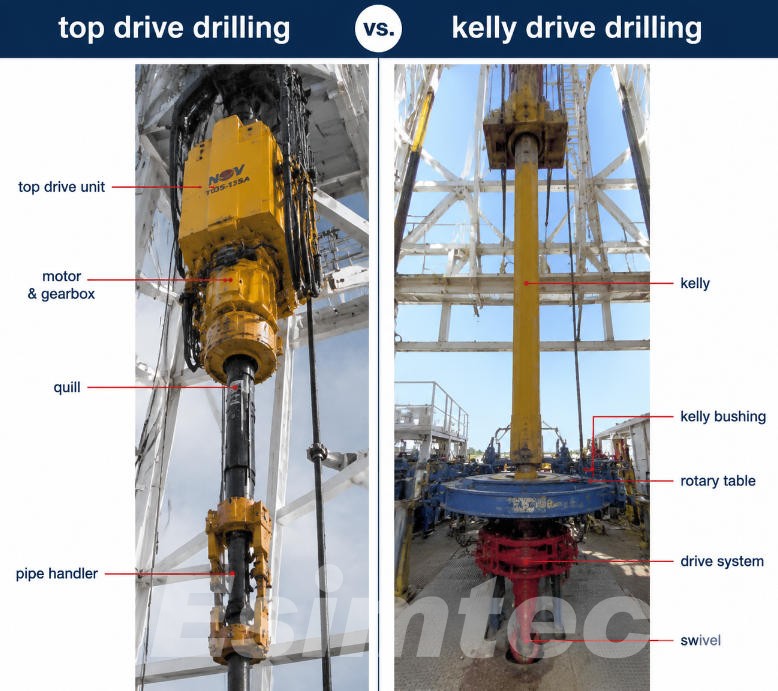
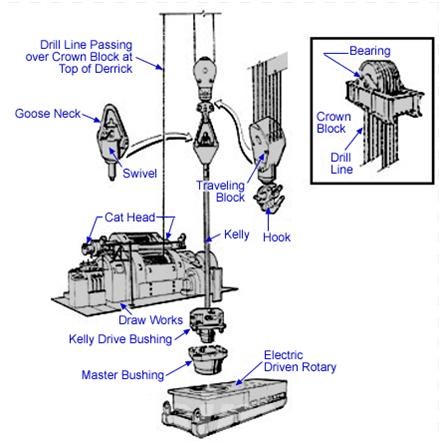
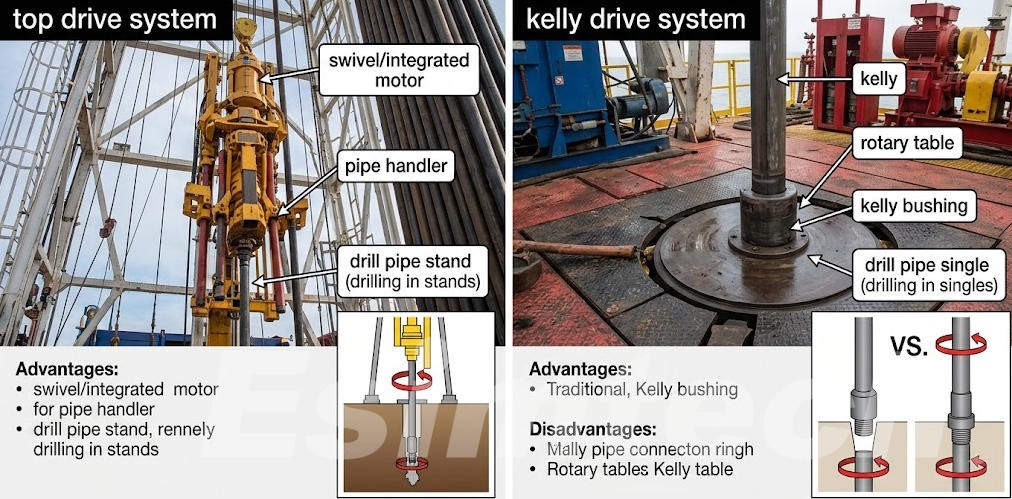
Kelly Drive drilling, is a traditional rotary approach where the rotation that comes from the rig floor rotary table gets passed into the drill string by way of a kelly and the kelly bushing assembly. In that setup, the kelly is a specially formed polygon-shaped pipe. It travels vertically through the rotary table while also sending the torque along to the drill string, so it is not just moving up and down, it is also doing the work.
While drilling is going on, the kelly progresses downward as the borehole is advancing. When the useful kelly length has been fully consumed, the job has to pause for a moment so an additional drill pipe length can be made up, connected, then put back into service. That add-and-connect sequence keeps repeating during the whole operation.
Kelly Drive systems are fairly straightforward in design. Because of that, they have been used a lot in land drilling over the years, mainly due to reliability and the lower initial investment.
Overview of Top Drive Drilling
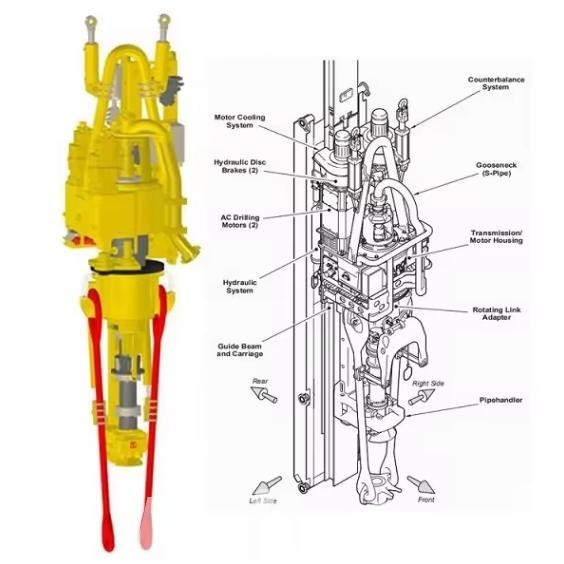
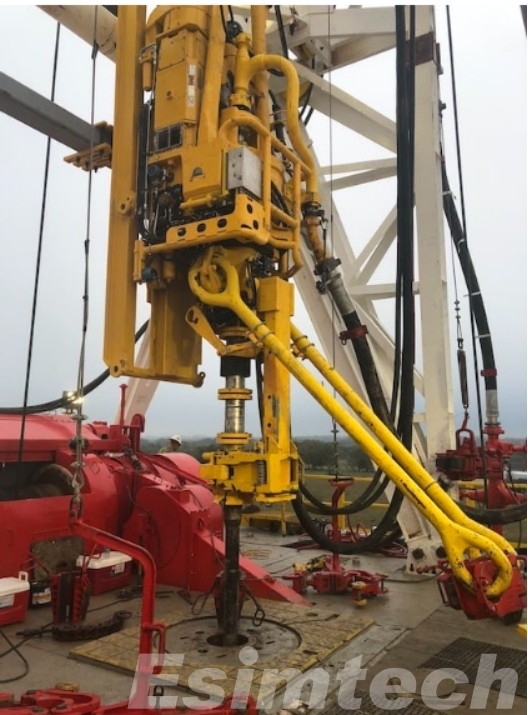
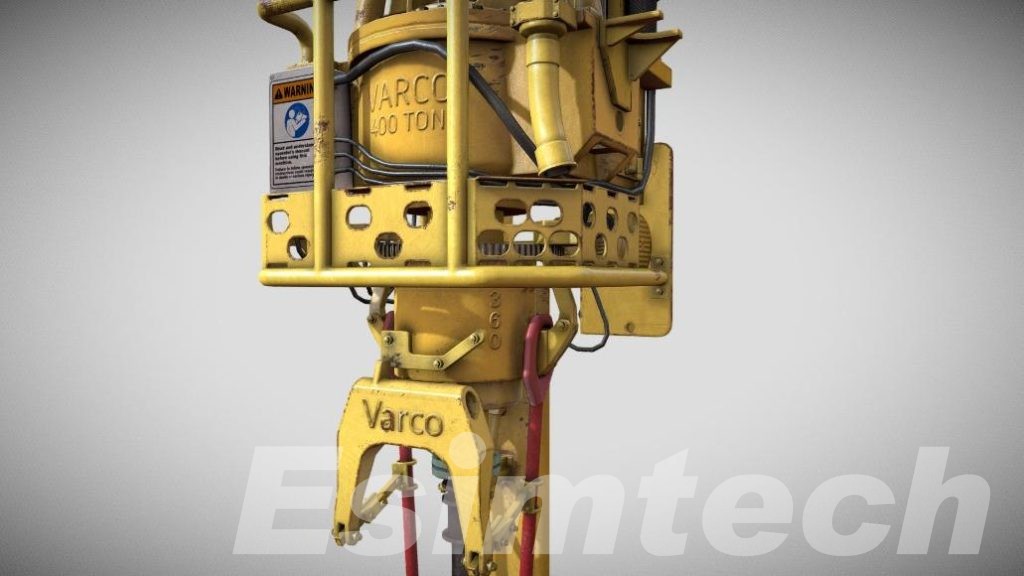
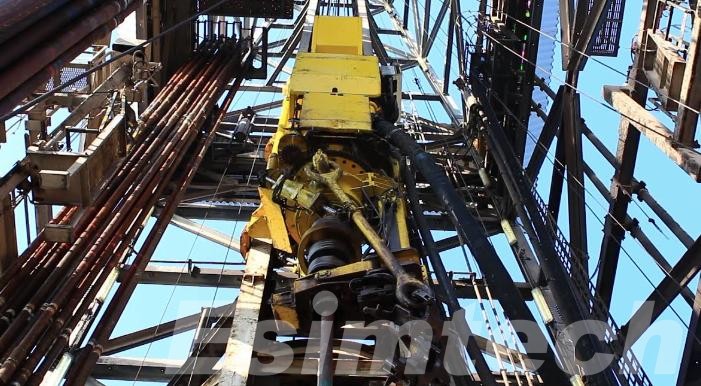
A Top Drive system is a modern drilling mechanism mounted at the top of the mast or derrick. Instead of sending rotation from a rotary table, the system uses an electric or hydraulic motor placed above the drill string to directly drive the pipe in motion.
The Top Drive brings together a few functions, like pipe rotation, drilling mud circulation, and pipe handling. It helps drillers work with multiple connected drill pipes, commonly called stands, instead of adding single joints one at a time.
This arrangement gives more drilling adaptability, especially for very deep wells, directional drilling, and offshore work.
Key Differences Between Top Drive and Kelly Drive Drilling
Designs, operating methods, performance capabilities, and applications for Top Drive drilling and Kelly Drive drilling are significantly different.
1. Drilling Method
The largest operational difference between the two systems is how drill pipe is brought into the well during drilling, this part is really what changes everything.
With Kelly Drive drilling, the kelly length limits how much drilling can happen before another joint or segment has to be added. In that setup the drill string must often stop rotating while workers handle new connections, and that pausing can add up over time.
Top Drive drilling technology, in contrast, lets operators drill with stands made from several drill pipe joints. This reduces connection frequency, and it supports longer stretches of uninterrupted drilling. A typical stand can include two or three joined drill pipes, which boosts drilling efficiency noticeably.
2. Drilling Efficiency
Top Drive drilling technology usually gives higher drilling efficiency because it trims down non-productive time that comes from pipe connections. When there are fewer interruptions, operators can keep a steadier drilling pace, and that helps boost the overall rate of penetration.
Kelly Drive systems often need more frequent pauses, and especially in deep wells where thousands of feet of drill pipe must be brought in during the run. Each added length triggers another connection sequence. That repetition can push up drilling duration as well as the amount of work and manpower that is needed.
3. Torque Control and Drilling Performance
With a Top Drive system, the control of drilling variables tends to be more precise, including torque, rotation speed, and drill string motion. This tighter manage ability matters most when you are working in demanding formations or running directional drilling
Since the motor is linked directly to the drill string, Top Drive systems can change rotation quickly and keep more consistent downhole drilling conditions
Kelly Drive systems lean on mechanical power transfer through the rotary table, so the whole setup really turns on that. For typical drilling tasks this works well, but in more advanced well construction runs they usually feel less adaptable than you would want.
4. Safety
Safety improvements is one of the big benefits of Top Drive drilling. Because the rig can reduce a lot of the hand work, the driller console can steer many actions rather than relying on constant manual pipe-handling on the rig floor.
Kelly Drive operations, meanwhile ask for more direct manual handling of the kelly, drill pipe, and the connection gear. That extra touching and maneuvering raises worker exposure around heavy moving equipment, and it also means more potential hazards show up during routine work.
So by trimming down manual interruption, Top Drive systems contribute to a safer jobsite, especially for offshore work and for high-pressure drilling scenarios.
5. Directional and Horizontal Drilling Capability
Modern wells often need complex paths, including horizontal legs and extended-reach drilling. In practice, these jobs demand very precise steering of the drill string while rotating it and while moving it.
Top Drive arrangements are usually a better match for directional drilling, because they can turn and circulate the drill string while you are running ahead, or when you are making up connections, also during tripping. That approach supports better hole cleaning, helps reduce stuck pipe risks, and helps keep wellbore quality steady.
Kelly Drive systems are less agreeable for very demanding wells, mainly because there are more frequent pauses and because the control range is limited, this combination trims operational flexibility.
6. Cost
The following chart lists the cost comparison between Top Drive and Kelly Drive drilling systems
| Category | Top Drive | Kelly Drive |
| Initial investment | Higher | Lower |
| Maintenance requirements | Higher due to advanced components | Lower due to simpler design |
| Operating efficiency | Higher | Moderate |
| Labor requirements | Lower | Higher |
| Long-term productivity | Generally higher | Suitable for basic applications |
Although Top Drive systems require greater initial investment, their improved efficiency, reduced downtime, and enhanced safety can provide great economic benefits over the life of a drilling project.
Summary Comparison Chart
| Comparison Factor | Top Drive Drilling | Kelly Drive Drilling |
| Drive Location | Installed at the top of the derrick or mast | Located on the rig floor through a rotary table |
| Power Transmission Method | Directly transfers torque from the motor to the drill string | Transfers torque through the rotary table, kelly bushing, and kelly |
| Main Components | Top drive motor, gearbox, quill, pipe handler, control system | Rotary table, kelly, kelly bushing, swivel, and drive system |
| Drilling Method | Allows drilling with multiple connected pipe joints (stands) | Typically drills with single pipe joints |
| Connection Frequency | Requires fewer pipe connections, reducing downtime | Requires more frequent connections during drilling |
| Drilling Speed | Generally faster due to continuous drilling capability | Slower because of frequent interruptions for pipe additions |
| Torque Control | Provides precise electronic control of torque and rotation speed | Relies on mechanical control through the rotary table |
| Directional Drilling Capability | Excellent for horizontal and extended-reach wells | More limited for complex well trajectories |
| Hole Cleaning Performance | Can rotate and circulate while making connections, improving cuttings removal | Rotation and circulation are more restricted during connections |
| Automation Level | Highly automated with advanced monitoring and control features | Lower automation level with more manual operations |
| Safety Performance | Reduces manual pipe handling and improves rig floor safety | Requires more manual handling of drilling equipment |
| Operational Flexibility | Suitable for complex drilling environments and challenging formations | Best suited for conventional drilling operations |
| Equipment Complexity | More complex with advanced mechanical and electronic systems | Simpler design with fewer components |
| Initial Investment Cost | Higher purchase and installation cost | Lower initial equipment cost |
| Maintenance Requirements | Requires specialized maintenance for motors, controls, and hydraulic systems | Easier maintenance due to simpler mechanical structure |
| Offshore Application | Widely used for offshore rigs and deepwater drilling | Less common in modern offshore operations |
| Deep Well Performance | Highly effective for deep and ultra-deep wells | Less efficient for very deep drilling projects |
How to Choose Between Top Drive and Kelly Drive Drilling System
Selecting between a Top Drive and Kelly Drive drilling system depends on factors such as well depth, drilling complexity, operational requirements, and budget.
- Top Drive systems are ideal for modern drilling projects requiring higher efficiency, improved safety, precise torque control, and better performance in directional, horizontal, and offshore wells.
- Kelly Drive systems remain a practical choice for conventional drilling operations where simpler equipment, lower investment costs, and easy maintenance are priorities.
Applications of Top Drive and Kelly Drive drilling systems
| Application | Recommended System | Reason |
| Offshore drilling | Top Drive | Better automation and safety |
| Deep wells | Top Drive | Faster drilling and fewer connections |
| Horizontal wells | Top Drive | Improved directional control |
| Extended-reach drilling | Top Drive | Handles complex well paths |
| Shallow conventional wells | Kelly Drive | Lower cost and simple operation |
| Small drilling projects | Kelly Drive | Easier maintenance |
Future Development of Drilling Drive Technology
The drilling industry is moving toward greater automation, digital monitoring, and intelligent drilling control.
| Future Development Trend | Description | Benefits for Drilling Operations |
| Higher Level of Drilling Automation | Future drilling drive systems will integrate automated controls, smart sensors, and advanced monitoring technologies | Reduces manual operations, improves safety, and increases drilling consistency |
| Intelligent Top Drive Systems | Top Drive units will adopt AI-based control, real-time data processing, and adaptive drilling functions | Optimizes torque, speed, and drilling parameters for improved performance |
| Digital Twin Integration | Virtual models of drilling drives will simulate equipment behavior and operating conditions | Enables predictive maintenance, performance analysis, and reduced downtime |
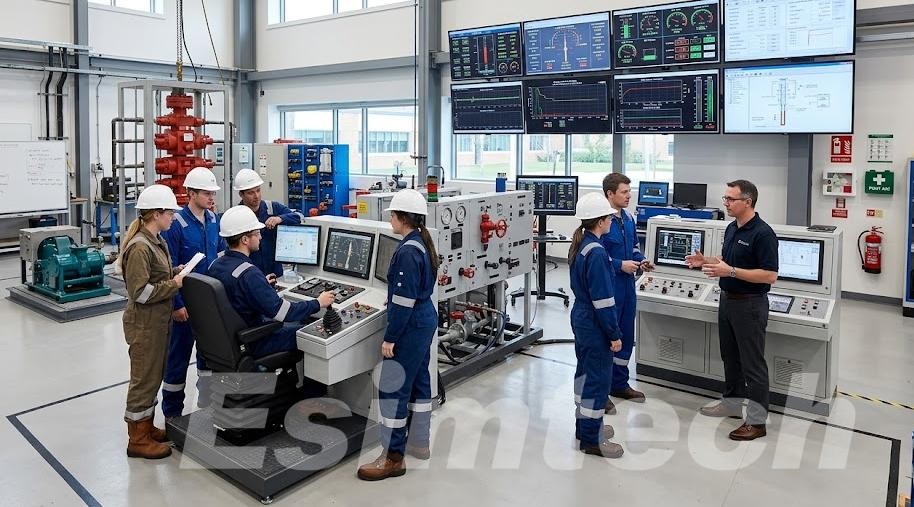
| Advanced Drilling Simulation Systems | More realistic Top Drive simulators will replicate complete rig operations | Improves operator training, enhances decision-making, and reduces operational risks |
| Remote-Controlled Drilling Systems | Drilling drive equipment will increasingly support remote operation and centralized control | Improves worker safety and enables operations in challenging environments |
| AI and Machine Learning Applications | Intelligent algorithms will analyze drilling data and recommend optimal operating conditions | Improves drilling efficiency, reduces equipment stress, and prevents failures |
| Improved Torque and Power Capacity | New drive motors and transmission systems will provide higher torque output for difficult drilling conditions | Supports deeper wells, complex formations, and extended-reach drilling |
| Energy-Efficient Drive Solutions | Future systems will use efficient electric motors, optimized power systems, and hybrid technologies | Reduces energy consumption, operating costs, and environmental impact |
| Real-Time Condition Monitoring | Advanced sensors will continuously monitor vibration, temperature, load, and equipment health | Allows early fault detection and improves equipment reliability |
| Enhanced Directional Drilling Capability | Drilling drives will provide more precise rotation control for horizontal and complex well paths | Improves wellbore accuracy and drilling success rates |
| Automated Pipe Handling Integration | Drive systems will work together with robotic pipe-handling equipment | Reduces manual labor, improves safety, and speeds up drilling operations |
| Greater Use of Top Drive Systems | Expansion of Top Drive adoption in offshore, deepwater, and unconventional drilling | Improves productivity and supports increasingly complex well construction projects |
| Modular and Compact Drive Designs | Future drilling drives will become lighter, smaller, and easier to install | Provides greater flexibility for different rig types and locations |
| Sustainable Drilling Technologies | New drive systems will focus on reducing emissions and improving energy efficiency | Supports environmentally responsible drilling operations |
| Next-Generation Kelly Drive Improvements | Traditional Kelly Drive systems will continue to be optimized for specific low-cost drilling applications | Maintains an economical solution for conventional drilling projects |
Final Thoughts
Still, both Top Drive and Kelly Drive drilling solutions show up across the drilling industry in meaningful ways. Kelly Drive is often retained as a dependable and cost-efficient choice for conventional drilling tasks, while Top Drive technology brings noticeable gains for efficiency, safety, automation, and wellbore management.
For modern drilling jobs, especially deep wells, directionally drilled paths, offshore sites, and those hard geological scenarios, the Top Drive drilling systems have become the go-to option. As the drilling work keeps asking for more output and less shutdown time, Top Drive technology will keep influencing the future of faster and more consistent well construction.