Key Technologies for Oil and Gas Drilling in Mature Oilfields

Written By: Computer Science Professor
Deeply rooted in the R&D of simulators for the oil and gas industry, committed to bringing safety to every oil worker.
Mature oilfields are basically reservoirs that have been producing oil and gas for quite a few years, and they have already seen major depletion. Even when these fields still hold large amounts of remaining hydrocarbons, getting them out gets more and more challenging because reservoir pressure keeps dropping, water production starts rising, geological conditions get complicated, and well productivity can get kinda lower.
In order to maximize recovery and stretch the economic life of mature fields, oil and gas operators are leaning into advanced drilling technologies. These help with better well placement accuracy, lower operational costs, and they also let teams reach reserves that were kind of unreachable before. Modern oil and gas drilling technologies often mix automation, digital tools, smarter well designs, and a deeper reservoir perspective, so production performance can be improved overall.
Challenges of Oil and Gas Drilling in Mature Oilfields
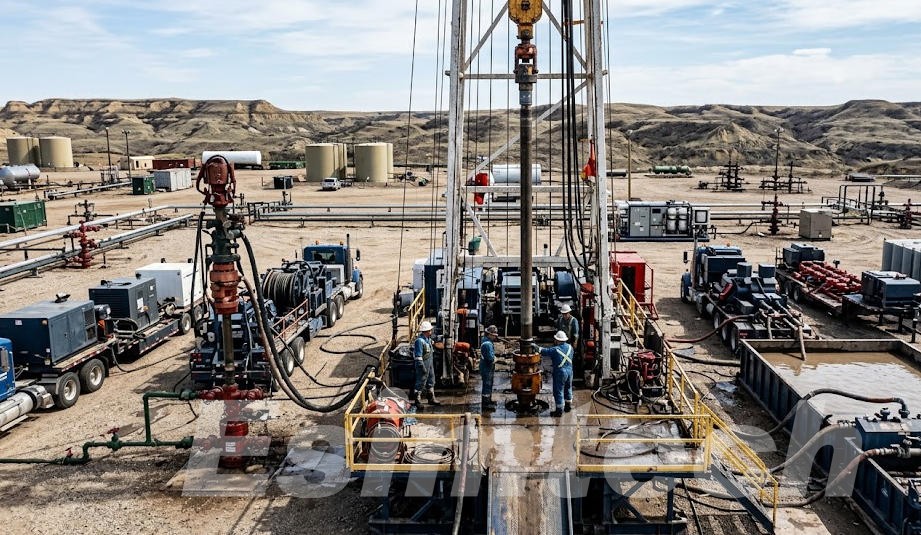
Extracting these remaining oil and gas resources in mature oilfields becomes increasingly complex as reservoirs experience pressure depletion, changing fluid characteristics, and declining production performance.
| Challenge | Description | Impact on Drilling Operations |
| Declining Reservoir Pressure | Long-term production reduces natural reservoir pressure, making it harder for hydrocarbons to flow into wells. | Lower production rates, reduced well productivity, and increased artificial lift requirements. |
| Complex Reservoir Conditions | Mature fields often contain highly heterogeneous formations, thin oil zones, faults, and compartmentalized reservoirs. | Difficulty in accurately locating remaining reserves and increased risk of drilling non-productive wells. |
| Wellbore Stability Problems | Depleted formations may have weak rock structures that are prone to collapse or instability. | Increased drilling downtime, stuck pipe incidents, and higher operational risks. |
| Lost Circulation | Reduced formation pressure and naturally fractured reservoirs can cause drilling fluids to escape into the formation. | Loss of drilling fluids, increased costs, and potential well control issues. |
| Formation Damage | Drilling fluids and solids may enter the reservoir and reduce permeability around the wellbore. | Lower production rates and reduced effectiveness of stimulation treatments. |
| Limited Access to Remaining Reserves | Remaining hydrocarbons are often located in small, isolated, or difficult-to-reach areas. | Reduced recovery efficiency and increased development costs. |
| Aging Well Infrastructure | Existing wells, casing, and equipment may experience corrosion, wear, or mechanical failures after years of operation. | Increased maintenance requirements, safety risks, and production interruptions. |
| Higher Water Production | Mature reservoirs often experience increased water breakthrough due to long-term production or water flooding. | Reduced oil recovery, increased handling costs, and more complex production management. |
| Narrow Pressure Windows | Depleted reservoirs may have small differences between pore pressure and fracture pressure. | Greater risk of kicks, lost circulation, and difficult drilling control. |
| Reduced Economic Efficiency | Mature fields require more advanced technologies and higher operational investment to recover remaining reserves. | Higher drilling costs and longer project payback periods. |
| Environmental and Regulatory Challenges | Aging fields must meet stricter environmental standards while continuing production. | Increased compliance costs and operational limitations. |
| Data Management Difficulties | Older fields may lack complete reservoir data or have inconsistent historical records. | Poor decision-making and uncertainty in drilling planning. |
Common Solutions and Technologies for Oil and Gas Drilling in Mature Oilfields
1. Advanced Wellbore Placement Technologies
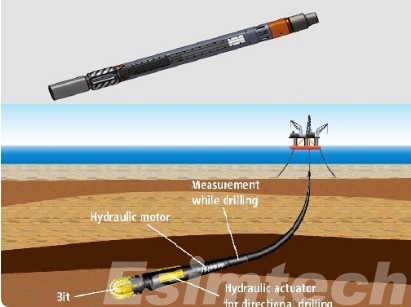
Accurate wellbore placement is one of the most important parts in mature oilfield development, at least when you think about how many variables show up later. As reservoirs get more depleted, traditional drilling approaches may not reach the remaining hydrocarbon intervals as well as they used to. In that situation, advanced wellbore placement technologies allow operators to steer with more confidence through complicated reservoirs and squeeze more contact out of the productive formations.
Measurement While Drilling (MWD) and Logging While Drilling (LWD) systems deliver near-real-time information on drilling direction, formation behavior, and reservoir limits. Because this data comes while drilling is happening, engineers can make immediate course corrections, which lowers the chance of passing through a zone that should have been targeted. In other words, the risk goes down, and the planning becomes less guessy during execution.
Geosteering technology has also grown into a key tool in older fields, and it matters even when the layers are thin. Using live geological signals, geosteering systems assist drillers to keep horizontal wells inside the narrow reservoir band, so reservoir exposure improves. More exposure usually links to higher production potential, which is why operators keep leaning on these methods.
2. Extended Reach Drilling and Horizontal Drilling
Horizontal drilling is widely used in mature oilfields, because it creates much more interaction between the wellbore and the reservoir. Compared to conventional vertical wells horizontal wells can open up a far larger reservoir area, which helps hydrocarbon movement and can reduce the overall number of wells that have to be drilled.
Extended Reach Drilling (ERD) technology makes it possible for operators to drill wells that include extremely long horizontal segments. This method is especially helpful in mature fields, where the remaining reserves tend to sit away from existing well platforms, or where access is tricky in more remote regions.
Improvements in drill bits, downhole motors, rotary steerable systems, and drilling fluids have made it easier to build longer and more complicated well paths, while still keeping good wellbore stability.
3. Managed Pressure Drilling (MPD) Technology
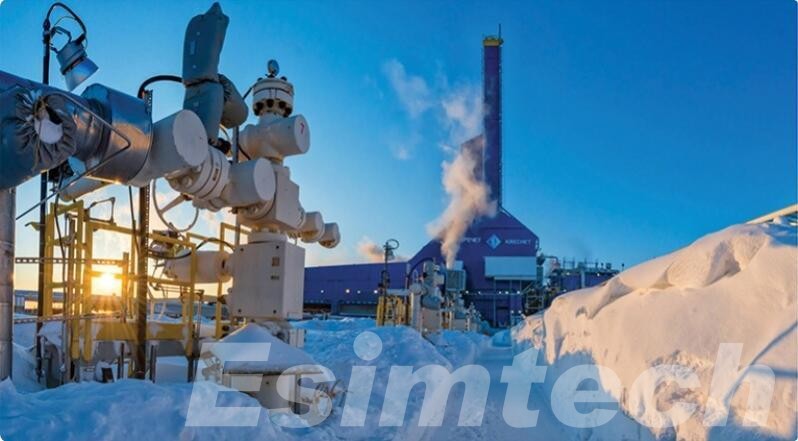
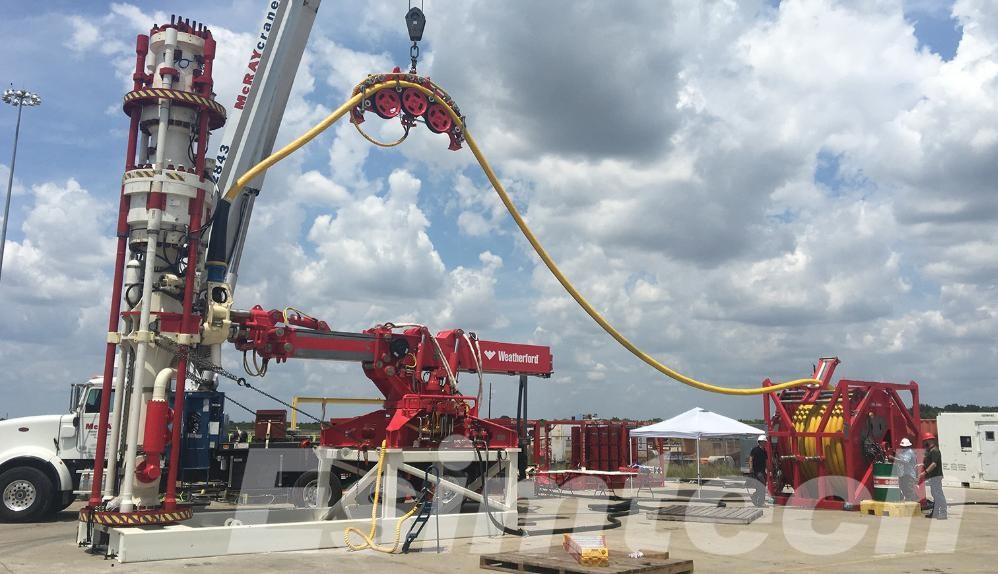
Managed Pressure Drilling(MPD) is a more advanced drilling way meant to control wellbore pressure very precisely while the job is running. In mature oilfields, pressure behavior can turn unpredictable as depletion progresses. Then the old, traditional drilling approaches become a bit more difficult, because you’re constantly fighting changing conditions.
MPD setups lean on real-time monitoring along with automated pressure control units. The goal is to keep pressure in an optimal range so you do not step outside what the formation can tolerate. As a result it helps avoid trouble like lost circulation formation damage, well kicks, and even an unstable wellbore which can develop if the balance is off.
With better pressure management, MPD technology gives operators a safer path to drill difficult wells, and it can also reduce non productive time. This tends to matter a lot in depleted reservoirs, where the pressure window becomes narrow, and even small shifts in conditions can make drilling harder.
4. Underbalanced and Near-Balanced Drilling Technologies
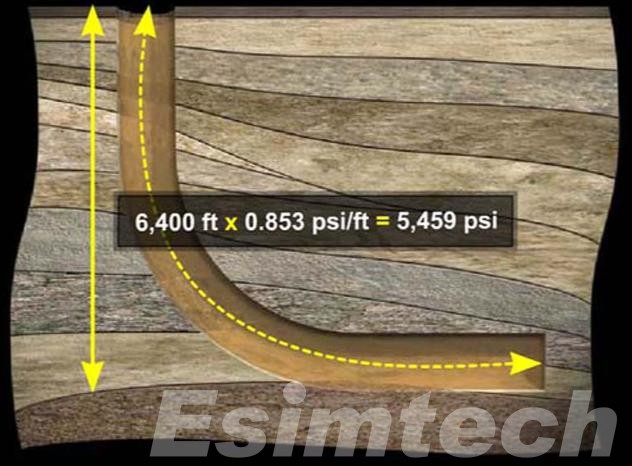
Underbalanced drilling(UBD) is one more approach used in mature oilfields, to help with reservoir protection and also lift productivity. Instead of keeping the wellbore pressure above the formation like conventional overbalanced drilling does, UBD keeps that pressure a bit below formation pressure. Then, reservoir fluids can move into the well naturally, even while drilling is happening.
In practice, this way of drilling lowers the likelihood of formation damage that comes from drilling fluids going into the reservoir in the first place. The result can be better well performance after completion. It is especially helpful in low-pressure reservoirs and in fields where the formation has naturally fractured zones.
Near-balanced drilling sits between the conventional method and UBD, giving operators a controlled pathway. The goal is to manage the pressure conditions carefully, to reduce formation damage risks while also keeping the drilling operations safe and steady.
5. Advanced Drilling Automation and Digital Technologies
Digital transformation has, in a real way, changed drilling operations in mature oilfields, and it keeps doing that. Automation systems, artificial intelligence AI, and data analytics are being plugged into drilling workflows to push efficiency forward and help with decision-making, even when the situation feels unsteady.
Automated drilling systems can watch drilling parameters like weight on bit, rotary speed, torque, and pressure, in real time. Then they automatically tune drilling parameters so the operation stays near optimal performance, and human error decreases, which is usually the point.
Digital drilling platforms gather and assess huge blocks of operational data. With that, engineers can detect drilling issues earlier, refine well designs, and improve drilling tactics in the next wells. Machine learning algorithms are now used more often to forecast equipment failures, tune drilling performance, and lower operational risks overall.
6. Rotary Steerable Systems
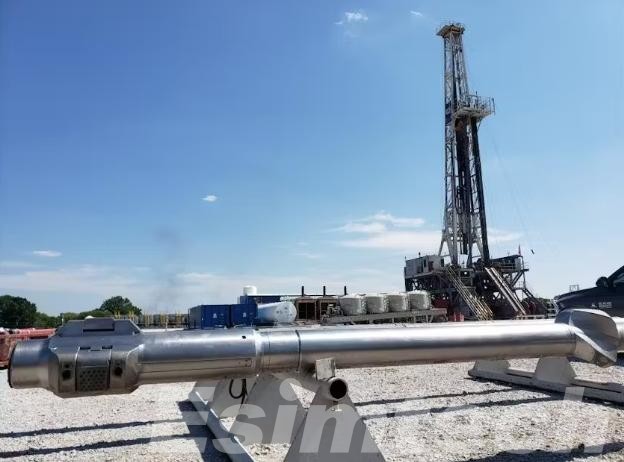
Rotary Steerable Systems (RSS) have grown into key tools for drilling tricky wells in mature oilfields, where formations can be pretty unpredictable. Usual directional drilling approaches often force a lot of routine tweaks and sliding intervals, and that can lower drilling efficiency in a noticeable way, even when everything is planned.
With RSS, you get a steady steering ability while the drill string stays rotating, so the bit guidance is continuous. This can boost drilling rate, and also help with wellbore quality. Operators can follow more fluid trajectories, target hard reservoir zones, and typically support stronger performance in the horizontal section.
In mature fields that have layered, complex geology, RSS also tends to help maximize reservoir contact. At the same time, it helps reduce drilling problems that would otherwise disrupt the program.
7. Enhanced Oil Recovery Support Through Advanced Drilling
Drilling work in mature oilfields is tied closely to Enhanced Oil Recovery (EOR) plans. As primary production drops off, many operators lean on water flooding, gas injection, steam injection, or chemical flooding to pull out extra reserves from the rock.
Advanced drilling techniques make it possible to build injection wells, observation wells, and production wells that are tuned for EOR efforts. Getting the well placement right matters a lot because the injected fluids can more efficiently sweep what is left and lift the overall recovery rates.
Another approach used in EOR operations is multilateral drilling. With this method, multiple branches can be drilled from one wellbore, which expands the reservoir reach. At the same time, it lowers the need for extra surface installations.
8. Multilateral and Re-entry Drilling Technologies
In many mature oilfields, there are already wells in place, and upgrading them is often preferred over leaving them behind. Through re-entry drilling technologies, operators can take advantage of older wellbores and continue the production timeline without having to spend on drilling completely new wells.
Multilateral wells allow several lateral branches to grow out of one single main wellbore, which increases how much of the reservoir is contacted. This approach is especially handy in thin pay zones, formations that are broken into compartments, and also in locations where getting to the surface is limited.
When you upgrade existing assets, re-entry and multilateral drilling can keep the overall development spend lower, and they also help push the field lifetime forward.
9. Advanced Drilling Fluids and Wellbore Stability Solutions
Drilling fluid practice has a big impact on mature oilfield work. Older or depleted reservoirs often come with problems like weaker rock, fluid losses, and formation damage.
Today’s advanced drilling fluids are engineered to deliver better lubrication, stronger tolerance at high temperatures, and more reliable wellbore stability. Synthetic-based systems, targeted chemical packages, and dedicated loss-control media help maintain drilling efficiency even when conditions get difficult.
Advanced fluid monitoring systems also give real-time intel on fluid properties, so operators can respond fast to shifting downhole conditions, you know. It basically helps them react sooner when things change down there.
10. Digital Twin and Simulation Technologies
Digital twin and simulation technologies are emerging as valuable tools for mature oilfield drilling operations. They can create virtual models of drilling systems or reservoirs with real-time field data with.
| Technology | Description | Application in Mature Oilfield Drilling | Benefits |
| Drilling Digital Twin | A virtual replica of drilling equipment, wellbore systems, and operational processes that uses real-time field data for simulation and analysis. | Monitors drilling performance, predicts operational issues, and evaluates different drilling scenarios before implementation. | Improves decision-making, reduces drilling risks, minimizes downtime, and enhances operational efficiency. |
| Reservoir Digital Twin | A dynamic digital model of a mature reservoir that integrates geological, production, and drilling data. | Predicts remaining hydrocarbon distribution, optimizes well placement, and supports recovery planning. | Increases recovery rates, improves reservoir understanding, and extends field production life. |
| Real-Time Drilling Simulation | Uses advanced software models to simulate drilling behavior based on real-time parameters such as pressure, torque, and drilling speed. | Helps engineers evaluate drilling conditions and adjust parameters during operations. | Reduces drilling failures, improves safety, and optimizes drilling performance. |
| Wellbore Stability Simulation | Simulates mechanical behavior of formations and wellbore conditions during drilling. | Predicts risks such as borehole collapse, lost circulation, and formation instability in depleted reservoirs. | Enhances wellbore integrity, reduces non-productive time, and improves drilling reliability. |
| Hydraulic Modeling Simulation | Simulates fluid flow, pressure changes, and circulation behavior inside the wellbore. | Optimizes drilling fluid properties, equivalent circulating density (ECD), and pressure management in mature fields. | Prevents kicks and losses, improves well control, and supports Managed Pressure Drilling (MPD). |
| Drilling Parameter Optimization Simulation | Uses simulation models and data analytics to determine the best drilling parameters. | Analyzes weight on bit, rotary speed, torque, and rate of penetration (ROP) for improved drilling efficiency. | Increases drilling speed, reduces equipment wear, and lowers operational costs. |
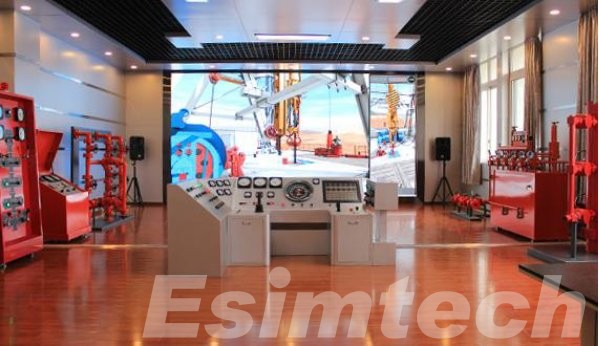
| Virtual Drilling Simulator | A computer-based training and operational simulation platform that recreates real drilling environments. | Trains drilling crews on complex mature oilfield scenarios without affecting actual operations. | Improves operator skills, enhances safety awareness, and reduces training costs. |
| AI-Based Predictive Simulation | Combines artificial intelligence and machine learning with simulation models to forecast drilling events. | Predicts equipment failures, drilling risks, and abnormal downhole conditions. | Enables proactive maintenance, reduces unexpected downtime, and improves operational reliability. |
| Geological Modeling and 3D Visualization | Creates detailed three-dimensional models of reservoirs and geological structures. | Supports accurate well trajectory planning and identifies remaining oil and gas zones. | Improves well placement accuracy and maximizes reservoir contact. |
| Geosteering Simulation | Simulates directional drilling decisions using real-time geological and logging data. | Helps maintain horizontal wells within productive zones of mature reservoirs. | Improves reservoir exposure, increases production potential, and reduces drilling uncertainty. |
| Well Intervention Simulation | Models well repair, stimulation, and enhancement operations before field execution. | Evaluates workover, hydraulic fracturing, acidizing, and re-entry drilling strategies. | Reduces intervention risks, improves planning, and increases well recovery. |
| Integrated Field Simulation Platform | Combines drilling, reservoir, production, and equipment data into a unified digital environment. | Provides a complete view of mature oilfield operations for optimization. | Improves collaboration, supports faster decisions, and increases asset value. |
| Remote Monitoring and Simulation Systems | Connects field equipment with cloud-based platforms for continuous data analysis and simulation. | Enables remote supervision of drilling operations and real-time performance evaluation. | Reduces onsite requirements, improves safety, and supports efficient field management. |
| Autonomous Drilling Simulation | Uses automation algorithms and digital models to simulate and control drilling processes. | Supports automated adjustment of drilling parameters in complex mature reservoirs. | Reduces human error, improves consistency, and increases drilling efficiency. |
Future Outlook of Mature Oilfield Drilling Technologies
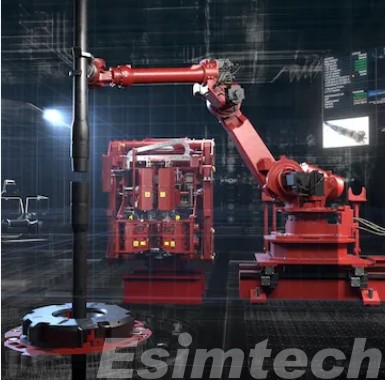
Future outlook for mature oilfield drilling technology is leaning toward more automation, better reservoir understanding, and operations that are more responsible toward the environment. Artificial intelligence tools along with robotics, autonomous drilling systems, and upgraded simulation environments, will keep pushing drilling efficiency upward.
At the same time, low-carbon drilling solutions, energy-saving equipment, and reduced-emission workflows are becoming key, because the sector is trying to shift toward sustainable practices.
When operators blend modern drilling strategies with digital innovation, they can unlock remaining reserves, stretch the active life of mature fields and boost the economic return from current oil and gas assets.
Summary
For mature oilfields, the oil and gas drilling technologies people use matter quite a lot, because they are needed to squeeze more hydrocarbons from the reservoir, and to deal with the usual problems that come with aging structures. Things like horizontal drilling, managed pressure drilling, rotary steerable tools, digital drilling platforms, and better well intervention approaches help a lot in getting steadier production and overall improved output.
Since mature fields still make up a large share of the world’s oil and gas resources, operators will keep reaching for smarter plus more efficient drilling methods. This remains a key plan for keeping the field productive longer, lowering expenditures, and meeting the energy needs ahead.