Regulatory Compliance and Standards in Oil Transportation

Written By: Computer Science Professor
Deeply rooted in the R&D of simulators for the oil and gas industry, committed to bringing safety to every oil worker.
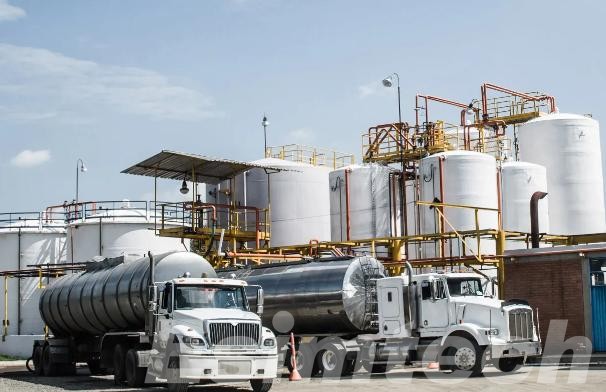
The regulation of oil transportation continues due to heightened scrutiny regarding every transportation methodology used such as pipelines, trucks, railways, or one ship. In addition to laws and guidelines to protect human resource, society, and the environment from catastrophic risks such as explosions, oil slicks, emissions, spillage, and fire, regulatory compliance and the strength in adhering to industry standards have gained tremendous importance in terms of ensuring safe practices and environmental sustainability in the oil sector.
Global and Regional Regulatory Frameworks in Oil Transportation
| Framework / Authority | Region / Scope | Key Responsibilities | Compliance Focus |
| International Maritime Organization (IMO) | Global (Maritime) | Develops international conventions and standards for shipping safety and pollution prevention | Vessel safety, marine pollution control, emissions reduction (e.g., MARPOL, SOLAS) |
| International Energy Agency (IEA) | Global | Provides policy guidance, energy security frameworks, and emergency response coordination | Strategic reserves, energy security, crisis response planning |
| Pipeline and Hazardous Materials Safety Administration (PHMSA) | United States | Regulates pipeline safety and hazardous materials transportation | Pipeline integrity, leak prevention, hazardous materials handling |
| Environmental Protection Agency (EPA) | United States | Enforces environmental laws related to emissions, water, and pollution | Spill prevention, emissions control, water protection (e.g., Clean Water Act) |
| Canada Energy Regulator (CER) | Canada | Oversees interprovincial and international pipeline systems | Pipeline safety, environmental protection, lifecycle regulation |
| Transport Canada | Canada | Develops and enforces transportation policies and regulations | Tanker safety, rail and road transport of hazardous goods |
| European Commission | European Union | Establishes EU-wide regulations and directives for energy and transport | Emissions trading, environmental compliance, cross-border transport rules |
| European Maritime Safety Agency (EMSA) | European Union | Supports maritime safety, pollution response, and monitoring | Vessel tracking, oil spill response, environmental monitoring |
| Ministry of Land Infrastructure Transport and Tourism (MLIT) | Japan | Regulates transportation systems including maritime and logistics sectors | Shipping safety, port regulations, marine environmental protection |
| National Energy Administration (NEA) | China | Oversees national energy policies and infrastructure development | Pipeline regulation, energy transport security, compliance oversight |

Key Regulatory Requirements in Oil Transportation
These regulations govern the safety, environmental impact, and operational standards of oil transportation across pipelines, trucks, rail, and maritime vessels.
1. Safety Management Systems and Operational Standards
Safety Management Systems (SMS) are an essential regulation that needs to be effectively implemented for oil transportation. These frameworks are meant to prevent accidents, lower risk, and provide guidelines to carry these activities in a safe manner. One of the cornerstones of an SMS framework is hazard identification, risk assessment, and emergency response planning above the normal regulations. For instance, with the ISM (International Safety Management) Code from the IMO (International Maritime Organization), shipping companies are required by law to have an SMS in place to ensure the safety of their vessels and crew, while pipeline operators in different parts of the world have an obligation to maintain and implement their safety systems in efforts to reduce the risk of leaks, spills, and other safety hazards.
Effectively implementing SMS helps ensure that oil transport companies remain compliant with safety regulations and also helps foster a culture of continuous improvement. These systems dictate that companies conduct safety audits based on a predetermined schedule, provide training to employees, and conduct hazard assessments of their operations.
2. Environmental Protection and Spill Prevention
As oil moves from one location to another, environmental protection is a major concern when it comes to regulatory compliance in oil transportation. With the capability for extensive environmental damage following an oil spill or leak, regulations have been framed to manage pollution and minimize the ecological impacts of oil transport. The Oil Pollution Act (OPA), for instance, stipulates that any enterprise or individual engaged in the transport of oil by pipeline or vessel must develop emergency response plans to prevent oil spills. These response plans would clearly state how the source of the spill will contain it, clean it up, and ameliorate the environmental impacts. In addition, enterprises must demonstrate that they possess the capability to manage the worst-case spill scenario.
The International Convention for the Prevention of Pollution from Ships, (MARPOL) established by the IMO, is an international set of standards to prevent pollution from oil transportation. MARPOL requires that oil tankers reduce their discharge of pollutants into the marine environment-including oil, ballast-water, and even waste. Furthermore, the convention usual includes design and operating criteria to cut down the likelihood of oil spills or accidents during transport.
Spill prevention is complemented in the United States by such regulations as the Clean Water Act. These regulations control the discharge of oil and hazardous substances into U. S. waters. Observance of these regulations complements protection for the aquatic environment, contributing to a decrease in water pollution that affects drinking water sources and other aquatic resources.
3. Training, Certificates and Personnel Qualifications
The regulatory bodies all over the world are really insisting on the need for trained and certified personnel to ensure safe practices in the transportation of oil. Among these are the ship crews, pipeline operators, and emergency response personnel. The Standards of Training, Certification, and Watchkeeping (STCW) Convention, established by the IMO, specifies the qualifications and training needed for oil tanker crew. This is so the crews can have good knowledge and skills in safety, environmental protection, and emergency procedures, including those for oil spills and fires.
In the same way, pipeline operators should demand focused training on recognizing and handling probable risks like leaks or corrosion. Regulatory authorities like the PHMSA enforce regular training and certification programs in keeping with the true spirit of ensuring that personnel engaged in oil transportation operations can effectively address all such safety concerns which might arise while a pipeline oil transport system functions.
Personnel training is found suitable not only for technical proficiency, but must also train workers with the requisite knowledge of the legal and regulatory matters in relation to oil transportation. Strict adherence to what appears in these trainings and certification programs ensures the oil companies are in a good position to overcome the hurdles involved with transporting hazardous materials.
4. Inspection, Maintenance and Monitoring Standards
Regular inspections and maintenance are essential regulatory requirements, aimed at ensuring the integrity of oil transportation infrastructure, including pipelines, railcars and vessels. In the United States, the Pipeline and Hazardous Materials Safety Administration (PHMSA) is vested with the responsibility of overseeing pipeline safety and of enforcing regulations for the conducting of inspections at regular intervals so as to identify potential risks including cracks, corrosion, or structural weaknesses. Also is the enforcement of these regulations on the maintenance of outlining of standards such that pipelines must be maintained and operated while carrying no real safety or environmental risks.
At the other end of the spectrum, the International Maritime Organization (IMO) also mandates regular examinations for oil tankers regarding meeting the standarts of safety and the structural integrity of the ship, fire fighting systems, and pollution control systems. The International Convention for the Safety of Life at Sea (SOLAS) recommends the maintenance and inspection of ships to enhance their safety throughout the transportation of oil.
Technologies have been introduced to help mitigate the risk of failure and maintain safety, including remote-operating systems, smart pipes, and real-time leak detection devices. All these technologies provide a strategy for monitoring the condition of any respective pipeline/vessel continuously for early detection of possible failures and are intended to allow for minimal or no downtime.
5. Hazardous Materials and Transport Regulations
There exists a danger during the transport of hazardous materials, and concerned authorities make sure that their transport to places occurs without damage. In the U. S., rules are found in the Pipeline and Hazardous Materials Safety Administration (PHMSA) consisting of Hazardous Materials Regulations (HMR), which specifically govern classification, packaging, labeling, and documentation of hazardous materials, including crude oil. The regulations introduced have been constructed to ensure that crude oil is expressly moved in ways that reduce risks to human safety and the environment.
Overall, the transportation of hazardous materials, including oil, by sea, is ruled by the International Maritime Dangerous Goods Code (IMDG). Precise packages and markings are required to make sure that oils and other such hazardous substances are rightly cataloged and shipped in accordance with international waters.
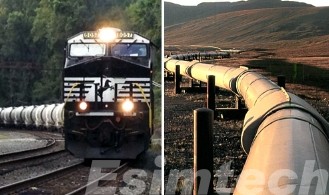
6. Emissions Regulations and Climate Change Considerations
Carbon emissions regulation and climate change concerns are increasingly important concerns with regard to the oil cargo shipment sector. The IMO Greenhouse Gas (GHG) Emissions Strategy calls for a reduction of carbon intensity in international shipping, including oil tankers. The IMO 2020 Sulfur Cap imposes restrictions on the sulfur content of fuel oil for ships, thereby requiring oil shipping firms to advance to cleaner, low-sulfur fuels which need scrubber technology again.
In some cases, they do. Regulatory bodies may require oil transportation companies to inventory and report their contribution to global warming as some proportion of greenhouse gas controls. The intention behind this stipulation is, the reduction of the environmental footprint of the industry of oil transportation, which will push the industry to adopt cleaner technologies.
1. Emergency Response and Crisis Management Plans
Oil transportation companies must have a comprehensive emergency response and crisis management plan in place. Instead, these plans should be structured to include procedures to be followed in the event of oil spill, fire, or other emergencies, since both the respective pipelines and tankers, by rule of Oil Pollution Act (OPA), have to carry out such plans, continuously studying and updating them.
Oil companies are required to conduct periodic drills and role-play exercises. This is to ensure that their team is ready to act efficiently in the event of an emergency. Together with a rapid and well-coordinated response by emergency personnel, responding quickly will go a long way in significantly reducing the impact of spills and disastrous events.
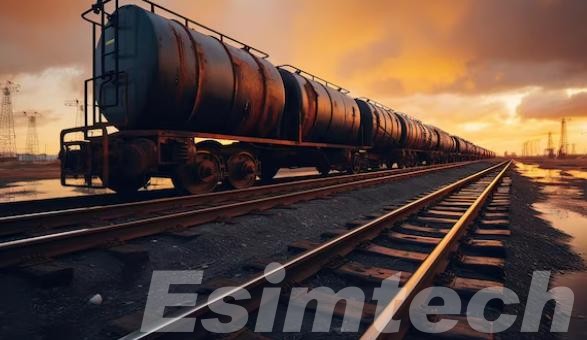
Technological Innovations in Aiding Oil Transportation Companies for Regulatory Compliance
With the stricter regulatory provisions for the transportation of petroleum, oil transportation companies have come to rely more on various advanced technologies to ensure regulatory compliance yet be able to maintain operational efficiency at the same time.
1. Remote Monitoring and Intelligent Sensing Systems
The deployments include many sensor systems and IIoT technologies on a fully monitored remote surveillance system at the top of all regulatory compliance innovations. The system provides reliable data collected from installations for days to months, constantly tracking essential parameters such as pressure and temperature, flow rates, and construction torques of pipelines, tankers, and storage facilities. Such detection provides quick notification to the operator when there are any anomalies such as adequate pressure drops or leaks for immediate intervention for any legal compliance according to health, safety, aesthetics, and environment. Continuous monitoring keeps one ready from the audit point of view, as well as maintaining verifiable operation records when required by the regulatory authority.
2. Artificial Intelligence and Predictive Maintenance
Digital compliance management is greatly benefited by technologies applied out of artificial intelligence or machine learning in the maintenance realm of oil and gas. The predictive maintenance systems are a technique that forecast failures in the equipment before they become operational problems by analyzing the history with real-time data, an approach that is more proactive. This type of maintenance enables companies to exist strictly within the framework of standards that require regular reviews, maintenance, and repair-related inspections so that the infrastructure remains in proper working order and thus minimizes the potential for unplanned downtime and prevents potential incidents. These mishaps may lead to regulatory violations and create possible environmental harm.
3. Simulation Technologies for Compliance and Risk Management
Simulation technologies are becoming essential tools for ensuring regulatory compliance in oil transportation.
| Simulation Technology | Application in Oil Transportation | Compliance Benefits |
| Computational Fluid Dynamics (CFD) | Simulates fluid flow behavior in pipelines under varying pressure, temperature, and viscosity conditions | Helps ensure pipeline design and operation meet safety standards; reduces risk of leaks and ruptures |
| Digital Twin Technology | Creates real-time virtual replicas of pipelines, tankers, and infrastructure | Enables continuous compliance monitoring, predictive analysis, and validation of regulatory requirements without disrupting operations |
| Oil Spill Simulation Models | Models spill scenarios in oceans, rivers, or land environments to predict spread and impact | Supports regulatory requirements for spill response planning and environmental protection strategies |
| Pipeline Integrity Simulation | Simulates corrosion, material fatigue, and structural stress in pipelines | Assists in meeting inspection and maintenance regulations by identifying high-risk areas before failure occurs |
| Emergency Response Simulations | Replicates accident scenarios such as leaks, explosions, or tanker collisions | Enhances preparedness and ensures compliance with mandatory emergency response training and drills |
| Risk Assessment and Hazard Modeling | Uses probabilistic models to evaluate potential operational risks and failure scenarios | Helps companies comply with risk management regulations and safety assessment requirements |
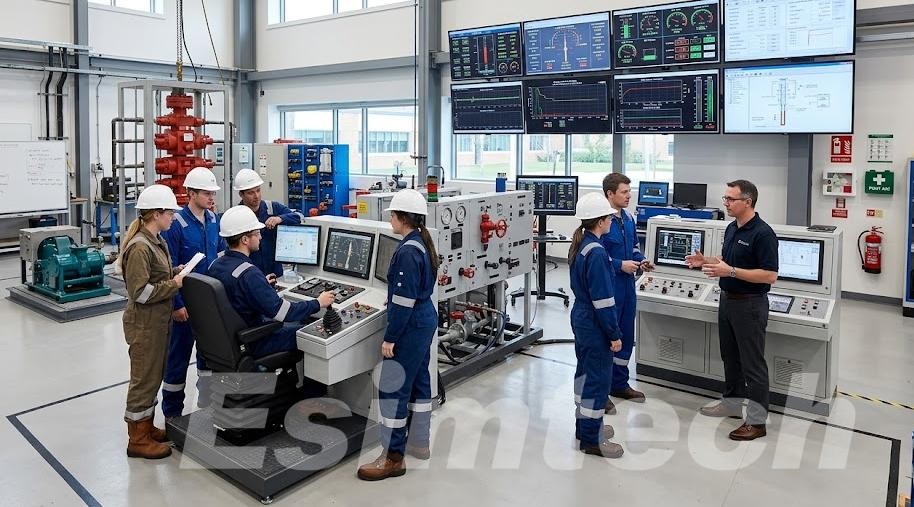
| Virtual Reality (VR) Training Simulations | Provides immersive training environments for operators and emergency teams | Ensures personnel meet regulatory training and certification standards in a safe, controlled setting |
| Environmental Impact Simulation | Models emissions, discharges, and ecological effects of transportation activities | Supports compliance with environmental regulations by predicting and minimizing ecological damage |
| Logistics and Route Optimization Simulation | Simulates oil transportation, including pipelines, rail, or marine vessels | Helps comply with safety and environmental regulations by selecting optimal, lower-risk routes |
| Multi-Scenario Compliance Testing Platforms | Tests operations against different regulatory frameworks and hypothetical changes | Allows companies to adapt quickly to evolving regulations and maintain continuous compliance |
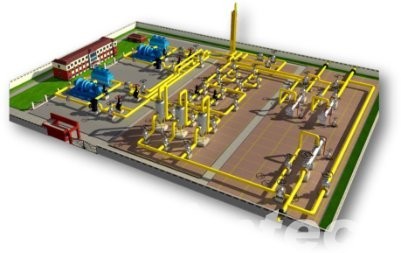
4. Automation and Digital Compliance Management
Automation in and easy regulation is somewhat essential in the event of a high compliance situation. Digitalized compliance management software can automate inspection schedules, to register maintenance activities, and to comply with regulatory deadlines. This automated work can ameliorate compliance burdens and reduce the chances of human error.
Tools for automated reporting help reinforce compliance by producing prompt and accurate reports from the available operational data, in turn enabling companies to conform to their reporting obligations effectively and transparently because they are complying with the authorities. Should the regulations evolve, such systems may then be adjusted to meet the new requirements, thus assisting organizations in maintaining compliance without facing operational hurdles.
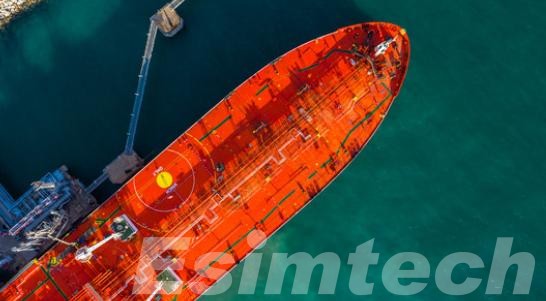
5. Blockchain for Transparency and Traceability
Blockchain technology promises to be a powerful tool in creating transparency and accountability in the supply chain for the transport of oil. By creating ledger blocks that are unchangeable and have timeliness information from every transaction, all maintenance activities, and transportation data, blockchain provides a secure and untampered avenue for compliance-related information. This is particularly useful with auditing and regulatory inspections when providing accurate documentation becomes an imperative.
It also efficiently improves traceability across the oil supply chain, enabling the monitoring of oil transportation right from production to delivery. This improves trading activity and maintains compliance with environmental and trade regulations, in the end establishing stakeholder trust in the process.
6. Drones and Robotics for Inspection and Surveillance
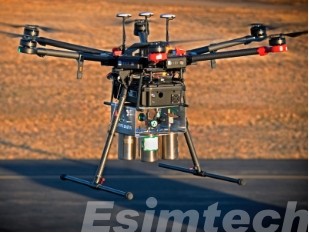
Drones and robotics have drastically changed inspection technologies in the oil transportation sector. Using drones integrated with high-resolution imaging and sensors, pipes, storage tanks, and offshore structures can be thoroughly inspected swiftly and safely even though they may be hard to reach or in an invisible, dangerous zone. Robotic sub-systems, for example, remotely operated vehicles, are peculiarly useful in the inspection of underwater approaches, such as those of subsea pipelines.
They enhance both the inspection process and compliance by enforcing regular auditing of infrastructural services as per defined regulations. The data collected is top-notch data, and can hence be used to verify compliance.
7. Environmental Compliance Monitoring and Emissions Technologies
With the increasing focus on environmental conservation, monitoring and control technologies targeting emissions have become beneficial requirements. Sophisticated emission-monitoring systems monitor pollutants such as sulfur oxides, nitrogen oxides, and greenhouse gases in real time, thus allowing compliance with environmental regulations and discharge limits to be kept by companies.
Additionally, the use of data analytics tools contributes to lower carbon emissions and fuel consumption and aligns oil transport operations with global sustainability targets. These technologies are particularly essential in meeting the demand for stringent reporting and emission-reduction obligations, which nations are gradually setting up in the logistics sector.
Challenges and Future Solutions of Regulatory Compliance in Oil Transportation
| Challenges | Description | Future Solutions |
| Increasing Regulatory Complexity | Oil production companies must comply with a growing number of local, national, and international regulations, often with overlapping or conflicting requirements. | Development of unified global standards and increased use of digital compliance management platforms to streamline multi-jurisdictional requirements. |
| Environmental and Climate Regulations | Stricter environmental laws targeting emissions, waste disposal, and water usage are placing pressure on oil producers to reduce their environmental footprint. | Adoption of low-carbon technologies, carbon capture and storage (CCS), and integration of sustainability frameworks aligned with global climate goals. |
| Aging Infrastructure | Many oil production facilities and pipelines are aging, increasing the risk of leaks, failures, and non-compliance with modern safety standards. | Investment in infrastructure upgrades, smart sensors, and predictive maintenance technologies to ensure long-term compliance and safety. |
| Data Management and Reporting Burden | Regulatory compliance requires extensive data collection, documentation, and reporting, which can be time-consuming and prone to human error. | Implementation of automated reporting systems, AI-driven analytics, and centralized data platforms to improve accuracy and efficiency. |
| Risk of Oil Spills and Accidents | Accidents such as blowouts or leaks can lead to severe environmental damage and regulatory penalties. | Enhanced risk assessment tools, real-time monitoring systems, and advanced simulation technologies to predict and prevent incidents. |
| Workforce Training and Compliance Culture | Ensuring that all personnel are adequately trained and consistently follow regulatory requirements remains a challenge. | Use of virtual reality (VR) and simulation-based training, along with stronger organizational safety cultures and continuous learning programs. |
| Technological Integration Barriers | Integrating new compliance technologies into existing systems can be costly and complex, especially for legacy operations. | Gradual digital transformation strategies, modular technology adoption, and increased collaboration with technology providers. |
| Cybersecurity Risks | Increased reliance on digital systems exposes oil production operations to cybersecurity threats, which can disrupt compliance systems. | Strengthening cybersecurity frameworks, adopting secure industrial control systems, and implementing real-time threat detection solutions. |
| Economic and Cost Pressures | Compliance with regulations often requires significant financial investment, which can be challenging during periods of low oil prices. | Optimization of operational efficiency through automation and digitalization to balance compliance costs with profitability. |
| Evolving Global Energy Transition | The global shift toward renewable energy creates uncertainty and evolving regulatory expectations for oil production companies. | Diversification into cleaner energy sources, alignment with energy transition policies, and proactive adaptation to future regulatory landscapes. |
Summary
In order to assure safety, environment and operational efficiency, regulatory compliance and adhering to industry standards is among the most important parts of oil transportation. Oil companies should not only address the latest standards but also keep on upgrading them as global and regional regulations evolve. Risk mitigation, better sustainability, and safety culture will come out more effective and ensured by investment in advanced technology, maintenance of proper safety standards, and abidance by rules and regulations.