How Safety Regulations Influence Well Control Practices

Written By: Computer Science Professor
Deeply rooted in the R&D of simulators for the oil and gas industry, committed to bringing safety to every oil worker.
Well control is critical in oil and gas drilling operations. It involves the procedures, equipment, and technologies used to maintain control over formation pressures and prevent uncontrolled releases of oil, gas, or drilling fluids. When well control fails, the results can be severe. There may be blowouts, harm to the environment, broken equipment, and loss of life. Because of that, safety regulations strongly affect how drilling companies handle risk and run their work.
Safety regulations provide a structured framework for oil and gas drilling. They cover well planning, equipment selection, personnel training, emergency response, and daily drilling activities. With set limits and common industry expectations, companies can identify potential hazards and implement effective well control practices before problems occur.
The Role of Safety Regulations in Well Planning
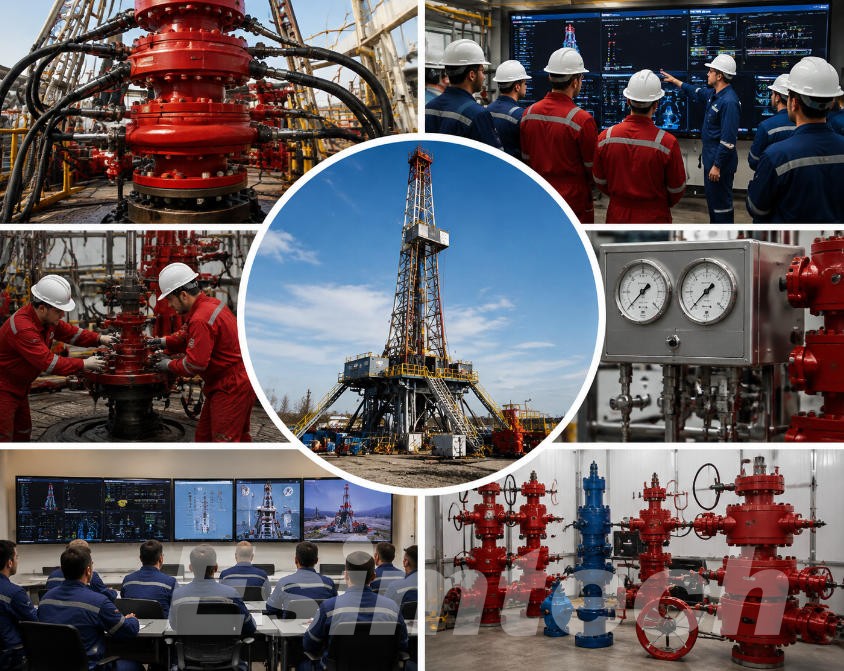
Well control does not start at the rig floor. It starts during planning. Safety regulations for well control push operators to do thorough well plans and risk reviews. They need to look at the rocks, the likely pressures, and the hazards that could show up.
In the planning phase, the rules shape several areas, including the list below.
- Pressure handling plans: Teams must judge pore pressure, fracture pressure, and what drilling conditions are likely, so they can build a safer drilling program.
- Casing and cementing design: Rules call for the right casing plan, so the well stays stable and fluids do not move where they should not.
- Well control equipment selection: Blowout preventers, pressure control tools, and monitoring systems must reach set performance levels.
When regulations demand full planning, there is less chance of surprise pressure problems once drilling starts.
Key Advantages of Safety Regulations for Well Control Practices
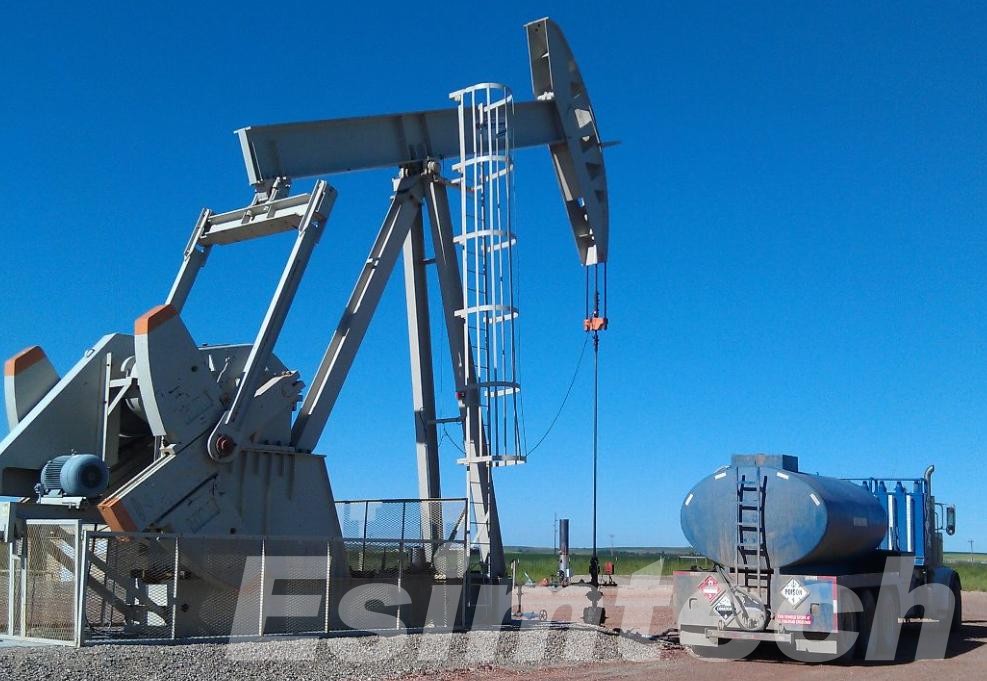
Safety regulations influence nearly every detail of well control, from the initial well design process to daily drilling operations, plus the emergency response steps that follow. These rules set out minimum safety expectations, encourage adoption of advanced technologies, and make sure crew members have the competence needed to address unforeseen conditions.
1. Improving Blowout Prevention Measures
Blowout prevention is among the primary goals stated in well control regulations. A blowout takes place when formation pressure gets higher than the drilling system can safely manage, so fluids are no longer contained and oil, gas, or other fluids can flow out without control. Events like this can bring serious consequences, which is exactly why regulatory organizations insist on preventive actions, and on readiness planning as well.
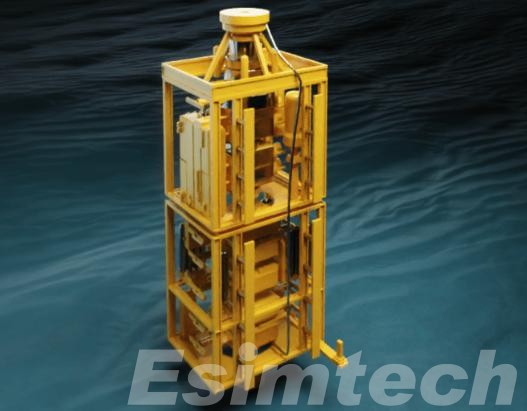
Safety standards affect how critical equipment gets installed, operated and maintained, such as blowout preventers (BOPs), pressure control systems, and emergency shutdown devices. In practice, operators must inspect and test this equipment regularly, to make sure it can actually work as expected when high pressure shows up.
Regulations also demand that companies create clear response procedures for pressure control events. These steps let drilling teams spot trouble fast, trigger the right safety systems and, regain well control before a small malfunction turns into something major, or an incident.
2. Enhancing Personnel Training and Competency
In many well control events, human error becomes a key reason behind the failure. Because of that, safety regulations strongly stress personnel qualifications, training programs, and competency reviews.
Current regulations expect drilling personnel to complete training in such areas as:
- Well control fundamentals
- Kick detection and action
- Procedure for pressure control
- Emergency response operations
- Proper use of well control equipment
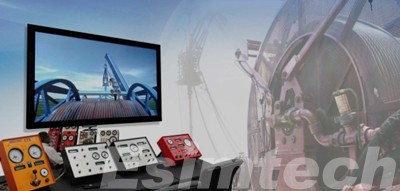
Simulation-based training has also become increasingly important.
The following chart provides the simulation-based training methods for enhancing personnel training and competency.
| Simulation-Based Training Method | Description | How It Works |
| Well Control Simulators | Recreate realistic drilling conditions, including kicks, pressure changes, influx events, and well shut-in operations. | Improves understanding of well control principles and develops effective response skills during pressure control situations. |
| Drilling Simulators | Provide virtual practice of drilling operations, equipment handling, and operational decision-making. | Builds practical experience and reduces human errors during real drilling activities. |
| Scenario-Based Simulation Training | Uses realistic operational challenges and emergency situations for trainees to solve. | Strengthens problem-solving ability, critical thinking, and decision-making under pressure. |
| Virtual Reality (VR) Training | Creates immersive environments that simulate drilling sites, equipment operation, and safety procedures. | Enhances situational awareness and helps personnel become familiar with complex work environments. |
| Emergency Response Simulators | Replicate incidents such as blowout risks, equipment failures, and unexpected well conditions. | Improves emergency preparedness, reaction speed, and ability to follow correct response procedures. |
| Team-Based Simulation Exercises | Allows multiple crew members to practice communication, coordination, and teamwork during simulated events. | Develops collaboration skills and improves overall crew performance during critical operations. |
| Equipment Operation Simulators | Provide training on blowout preventers (BOPs), choke systems, valves, and other well control equipment. | Increases equipment familiarity and ensures personnel can operate safety systems effectively. |
| Pressure Control Simulations | Allow trainees to manage drilling parameters such as mud weight, flow rate, and pressure conditions. | Strengthens pressure management skills and improves well stability control. |
| Performance Assessment Simulations | Monitor trainee actions, response times, and decision-making during simulated operations. | Helps identify competency gaps and supports targeted skill improvement. |
| Remote and Digital Simulation Training | Uses computer-based platforms and online simulation tools for flexible training access. | Supports continuous learning and helps personnel maintain competency over time. |

3. Strengthening Well Monitoring and Detection Systems
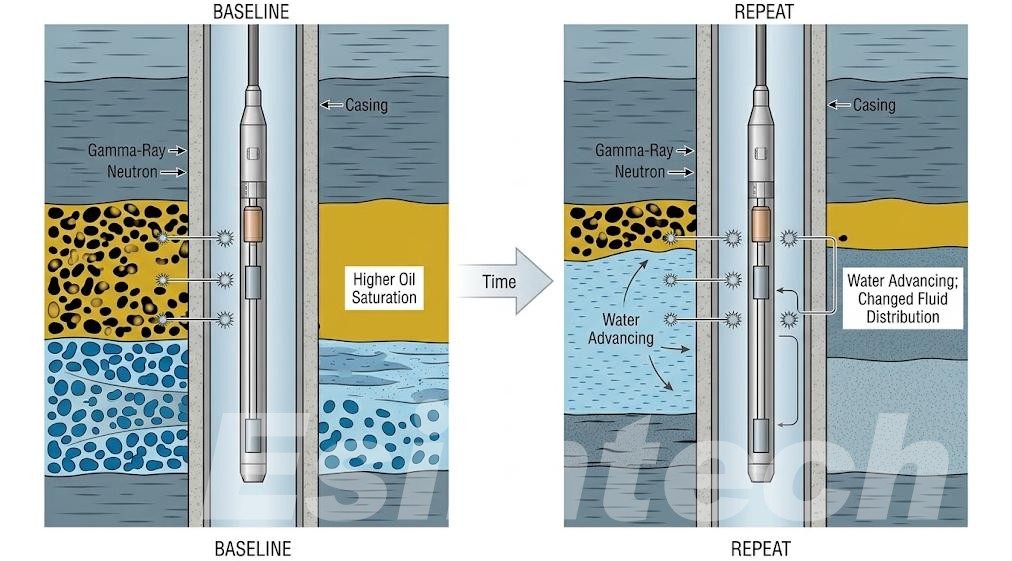
Early detection is essential for effective well control. Safety regulations encourage using advanced monitoring technologies, that give real time data about drilling conditions.
- Common monitoring requirements include
- Monitoring changes in drilling fluid volume
- Tracking flow rates
- Measuring pressure variations
- Detecting abnormal drilling conditions
Modern drilling operations usually rely on automated monitoring systems, data analytics and digital control platforms to enhance situational awareness. This also helps operators spot potential well control issues before they grow into serious incidents
4. Supporting Safer Drilling Equipment Standards
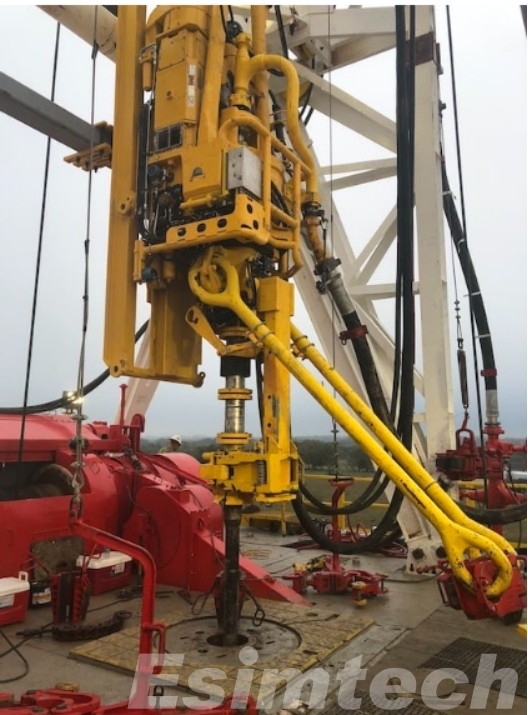
Well control mostly depends on how reliable the drilling equipment is, and in this area safety regulations are pretty strict about the requirements for the design, manufacturing, inspection, and upkeep of what gets used in pressure control operations.
Equipment like blowout preventers, wellheads, valves, and pressure control systems has to satisfy tight performance standards so it can work safely in demanding drilling environments. Regular testing and maintenance steps also help to find possible failures ahead of time, before the equipment is needed during an emergency.
Because of these rules, manufacturers and operators tend to put more focus on durability, reliability, and performance, and that leads to safer drilling systems that can handle more and more difficult exploration conditions.
5. Promoting Barrier Management Practices
Well barrier management has become a central theme in modern well control practices, and it is really about staying on top of the whole situation. The idea behind a well barrier is to stop unwanted movement of formation fluids and keep the well under control during drilling, even when conditions change.
Safety regulations push for multiple independent barriers, so if one shielding layer fails, another barrier can help prevent a serious incident. In practice these barriers can include drilling fluids, casing systems, cement structures, and even mechanical equipment, depending on the design.
Regulatory guidance also makes sure operators verify barrier performance on a regular basis and keep proper records. This creates a repeatable approach for spotting weak points and raising overall well integrity.
6. Increasing Environmental Protection Requirements
Safety regulations are not only made to shield workers and equipment but also to reduce environmental hazards. A poor well control failure can end up releasing hydrocarbons, and other operational fluids into the nearby environment, leading to major ecological damage and financial consequences at the same time.
Modern regulatory frameworks push companies to raise their spill prevention routines, upgrade emergency response planning, and strengthen containment abilities. In particular offshore drilling work needs firm safety measures, because environmental impacts can drift beyond the immediate drilling location.
When well control obligations are tightened, regulations help promote more accountable energy production and lessen the environmental exposure that comes with drilling operations.
The Impact of Digital Technologies on Regulatory Compliance for Well Control Operations
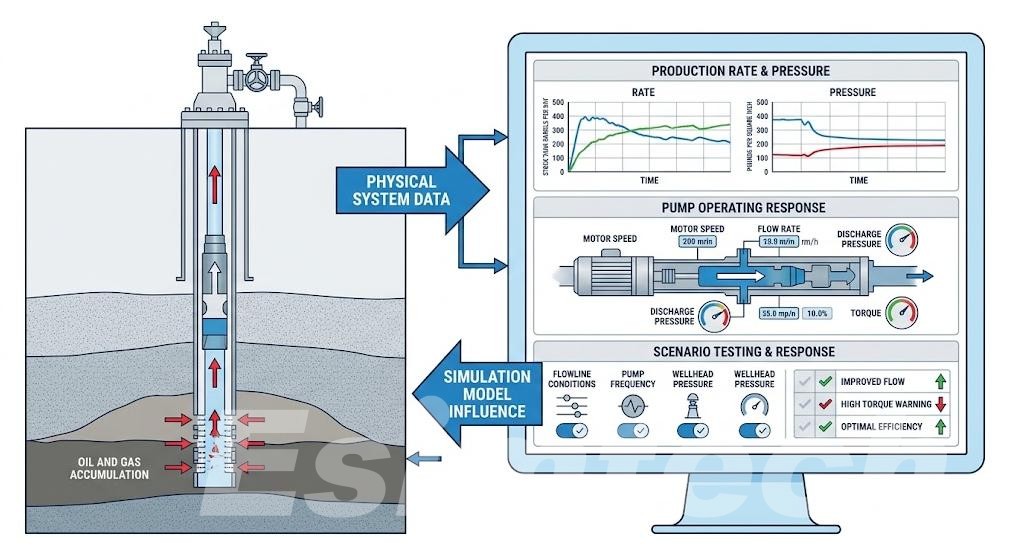
As drilling operations become more complex, digital technologies are turning into a key element for meeting safety expectations. A lot of operators now depend on advanced software plus automation, to enhance how well control actually performs. There is also a push toward quicker responses, which can matter a lot when conditions change.
For example:
- Monitoring of drilling data in real-time
- Automated methods for kick detection
- Digital well control panels and dashboards
- Risk review driven by artificial intelligence
With these, the drilling crew can react with more speed and precision, and they can also meet compliance rules better tied to safety standards.
Challenges of Implementing Safety Regulations for Well Control Practices
Although safety regulations greatly improve well control practices, implementation can present challenges. Companies must balance operational efficiency, cost management, and strict compliance requirements.
| Challenge | Impact on Well Control Practices | Possible Solutions |
| High Compliance Costs | Meeting safety regulations may require significant investment in equipment upgrades, inspections, training programs, and technology improvements. | Develop long-term safety investment plans and prioritize critical well control improvements. |
| Complex Regulatory Requirements | Different regions and regulatory bodies may have varying standards, creating challenges for companies operating across multiple locations. | Establish comprehensive compliance management systems and regularly update operational procedures. |
| Equipment Upgrades and Maintenance | Older drilling equipment may not meet new safety standards, increasing the risk of failures during well control operations. | Replace outdated equipment, conduct regular inspections, and implement preventive maintenance programs. |
| Continuous Personnel Training Needs | Frequent regulatory updates require workers to maintain and improve their well control knowledge and skills. | Use simulator-based training, refresher courses, and competency assessments to maintain workforce readiness. |
| Integration of New Technologies | Adopting digital monitoring systems, automation, and advanced well control technologies can be technically challenging. | Provide technical training and gradually integrate new systems into existing operations. |
| Balancing Safety and Operational Efficiency | Strict safety procedures may increase operational time and costs, creating pressure to maintain productivity. | Develop efficient safety processes that improve protection without reducing operational effectiveness. |
| Managing Human Factors | Mistakes, poor communication, and inadequate decision-making can reduce the effectiveness of well control procedures. | Strengthen safety culture, teamwork training, and human performance management. |
| Adapting to Complex Drilling Environments | Deepwater, high-pressure high-temperature (HPHT), and unconventional wells create additional safety challenges. | Apply advanced engineering methods, improved monitoring systems, and specialized training programs. |
| Documentation and Reporting Requirements | Extensive regulatory documentation can increase administrative workload and require accurate data management. | Use digital record systems to improve reporting efficiency and data accuracy. |
| Global Standardization Difficulties | International drilling operations may face differences in safety regulations, industry practices, and enforcement approaches. | Follow recognized international standards and create unified internal safety procedures. |
| Emergency Response Preparedness | Regulations require effective emergency plans, but preparing for rare major incidents can be challenging. | Conduct regular emergency drills and use simulation-based training to improve response capabilities. |
Final Thoughts
Safety regulations have a significant influence on modern well control practices. They guide the whole process, from well design, to equipment maintenance routines, to how people are coached and instructed, and even how potential hazards get handled while drilling goes on. With strict requirements around pressure management, dependable hardware, barrier handling, and emergency actions, the regulations support the prevention of hazardous events and strengthen operational safety.