Whipstock Drilling: 6 Key Points You Need to Know

Written By: Computer Science Professor
Deeply rooted in the R&D of simulators for the oil and gas industry, committed to bringing safety to every oil worker.
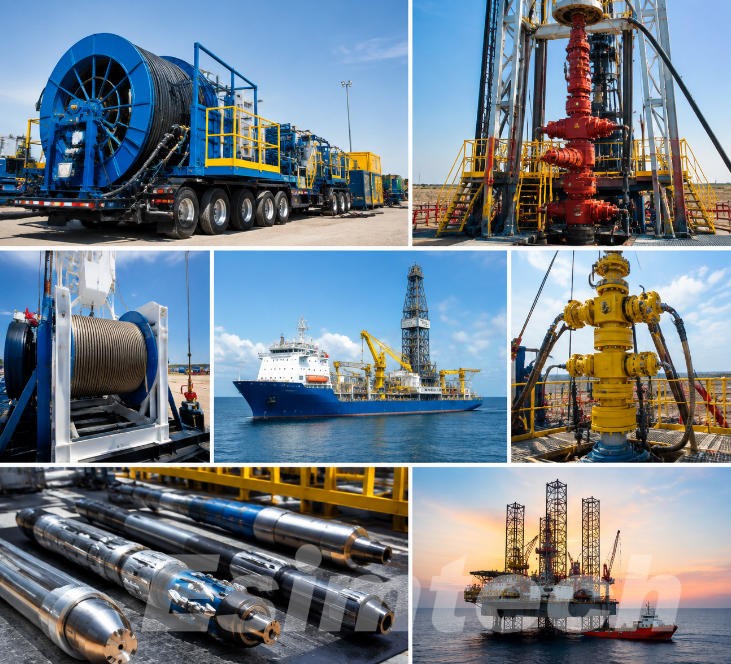
In the oil and gas industry, getting to hydrocarbons in an effective way is always a problem, especially in mature fields or when the reservoir is really complex. Whipstock drilling is one of those directional drilling techniques that helps divert the wellbore from its original route, so the crew can drill off to the side, mostly to bypass obstacles, reach zones that haven’t been tapped yet, or improve how the reservoir is drained. This approach gets used pretty often for both onshore and offshore operations, and over time, it has become a sort of necessity in today’s well intervention and drilling plans.
Understanding the Basics of Whipstock Drilling
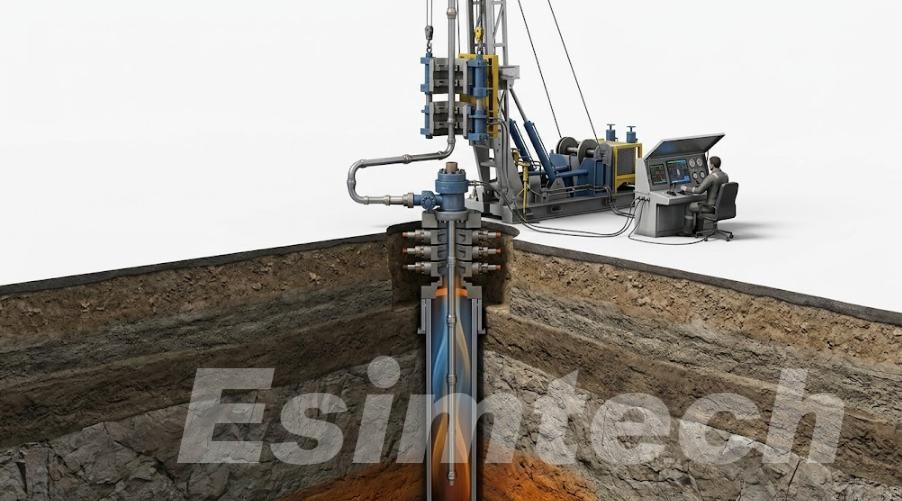
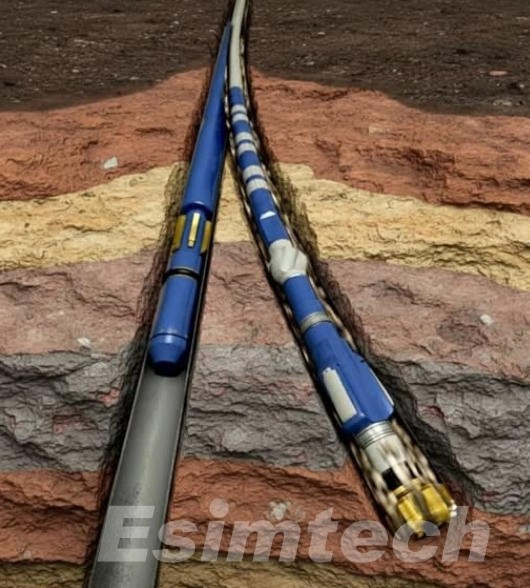
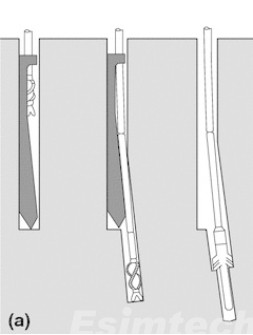
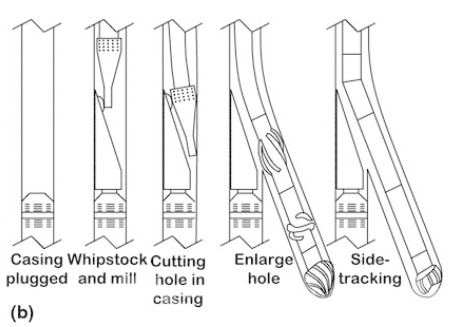
Whipstock drilling is a technique that’s used to start a deviation away from an existing wellbore, by bringing in a specially built wedge-shaped tool people call a whipstock. Basically, it gives you a sort of guiding surface that nudges the drill bit off the original well path and then into some other, planned line.
After the whipstock is set at the depth you want, a milling assembly does the work; it mills through the casing or the formation while it rides along the angled face of the whipstock. In doing so, it forms a window, and through that opening, the drill string can move on so the well can be rerouted toward a different objective.
This approach is common in both cased-hole and open-hole sidetracking jobs, and over time it’s become a key piece of modern directional drilling, like a cornerstone in practice.
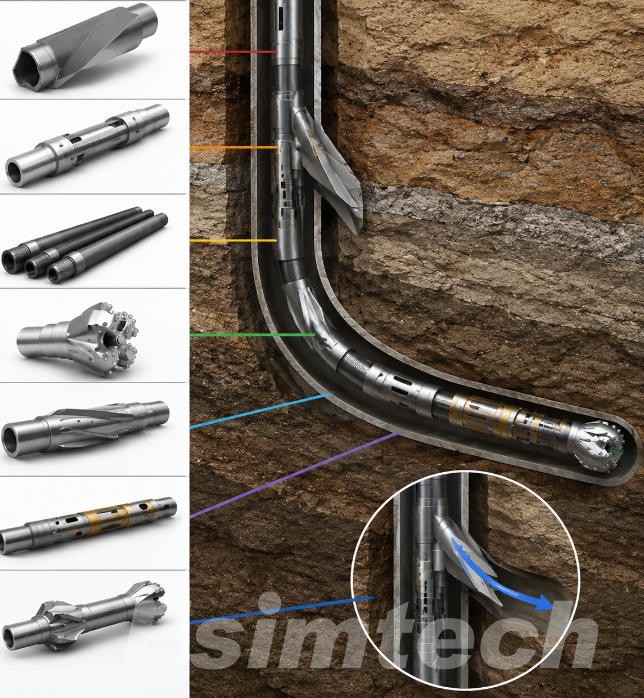
Key Components of a Whipstock Drilling System
A whipstock drilling system consists of several essential components that work together to achieve controlled wellbore deviation.
| Component | Description | Primary Function in Whipstock Drilling |
| Whipstock | A wedge-shaped steel tool with an inclined face. | Deflects the milling and drilling assemblies from the original wellbore to initiate a sidetrack. |
| Anchor System | Mechanical, hydraulic, or packer-based anchoring mechanism. | Secures the whipstock in the correct position and orientation within the wellbore. |
| Starter Mill | A specially designed milling tool attached above the whipstock. | Begins cutting the casing and creates the initial opening or window. |
| Window Mill | A specially designed milling tool is attached above the whipstock. | Enlarges and smooths the casing window to allow drilling tools to pass through safely. |
| Drill String | Follow-up milling assembly is used after the starter mill. | Transfers rotational power and weight to milling and drilling tools. |
| Bottom Hole Assembly (BHA) | Combination of drilling tools, stabilizers, and directional equipment. | Controls drilling performance and guides the new wellbore trajectory. |
| Directional Drilling Tools | Includes Measurement While Drilling (MWD) and Rotary Steerable Systems (RSS). | Provides real-time trajectory control and ensures accurate sidetrack drilling. |
| Milling Assembly | Complete set of mills used for window creation. | Cuts through casing and prepares a smooth exit path for the new wellbore. |
| Survey Instruments | Downhole sensors and navigation tools. | Monitor wellbore position, inclination, and azimuth during the sidetrack operation. |
| Circulation System | A series of connected drill pipes and bottom-hole assembly components. | A combination of drilling tools, stabilizers, and directional equipment. |
Applications of Whipstock Drilling
Whipstock drilling is essential in a wide range of drilling and well intervention operations.
| Application | Purpose | Benefits |
| Sidetracking Existing Wells | Creates a new wellbore branch from an existing well. | Reduces drilling costs and extends the productive life of the well. |
| Bypassing Downhole Obstructions | Diverts the wellbore around stuck pipe, collapsed casing, or damaged sections. | Allows drilling operations to continue without abandoning the well. |
| Mature Field Redevelopment | Accesses previously untapped reservoir zones from existing wells. | Improves hydrocarbon recovery and maximizes asset value. |
| Offshore Slot Recovery | Enables new well paths from existing platform slots. | Saves platform space and avoids costly infrastructure expansion. |
| Re-entry Operations | Re-enters abandoned or suspended wells to target new formations. | Reduces the expense of drilling a completely new well. |
| Horizontal and Directional Well Initiation | Establishes a new trajectory toward a specific target zone. | Enhances reservoir contact and production potential. |
| Multilateral Well Construction | Creates multiple branches from a single parent wellbore. | Increases reservoir drainage while minimizing surface footprint. |
| Avoiding Geological Hazards | Redirects drilling away from fault zones, unstable formations, or high-pressure areas. | Improves drilling safety and reduces operational risks. |
| Enhanced Oil Recovery (EOR) Projects | Creates new pathways for injection or production wells. | Supports improved reservoir management and recovery efficiency. |
| Well Abandonment Alternatives | Provides a method to continue production when the original well path becomes unusable. | Extends field life and reduces abandonment costs. |
Advantages of Whipstock Drilling
1. Cost-Effective Well Development
One big advantage of whipstock drilling is how it can lower overall drilling costs. Rather than starting a totally fresh well all the way from the surface, operators can redirect an existing wellbore, using a sidetrack, to get to a different target zone. With this method, a lot of the spending tied to site prep, rig mobilization, casing placement, and other infrastructure tasks is reduced. Since the existing well assets are already in place, companies can keep money down while still reaching promising reserves and related intervals.
2. Enhanced Reservoir Access
Whipstock drilling lets operators get to hydrocarbon zones that may have been missed during the first drilling run. Many reservoirs contain small pockets of oil and gas that are challenging to approach via the earlier wellbore route. When engineers set up a sidetrack, the wellbore can be steered toward those unclaimed areas, raising reservoir contact and also boosting the overall production chances. This feature is especially useful for older, mature fields where maximizing recovery becomes the main focus.
3. Effective Solution for Bypassing Obstructions
During drilling and production operations, wells can run into a few problems, like stuck drill strings, collapsed casing, or damaged wellbore sections. With whipstock drilling you get an efficient way to go around those obstructions. Instead of abandoning the whole well, operators can set up a new route around the problematic zone, then carry on with drilling. This capacity to get past downhole hurdles helps cut down on nonproductive time and keeps the value of existing wells.
4. Improved Utilization of Existing Infrastructure
Whipstock drilling lets operators squeeze more value out of current wellbores, platforms and production facilities. This really shows up in offshore locations, where platform space is tight and building new infrastructure can get extremely costly. By creating extra well branches from already available positions, companies can push output higher while keeping capital spending lower.
5. Increased Operational Flexibility
Whipstock drilling gives a fairly flexible way to plan wells and run the operation. Reservoir conditions, production aims, and the geological picture might shift as time goes on. With the option to redirect a wellbore, operators can adjust to these evolving factors without having to start totally new drilling efforts every time. That flexibility tends to help with faster field development, and it also supports quick reactions to day to day operational problems.
6. Support for Multilateral and Directional Wells
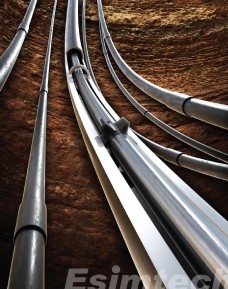
Modern reservoir work leans more and more on intricate well setups, such as horizontal plus multilateral wells. Whipstock drilling becomes a key instrument for building these advanced designs. When operators open up new branches from an existing parent wellbore, they can broaden reservoir coverage and also make better contact with the productive intervals. In the end this tends to raise recovery performance and enable more effective resource extraction.
7. Reduced Environmental Impact
Environmental considerations are getting more important in the energy industry. Whipstock drilling can assist sustainability goals because it lessens the need for fresh well sites, plus the surface disturbances that come with them. When existing wells and their infrastructure are reused, land usage goes down, and the environmental footprint from the drilling work is reduced. In that way, the whole plan backs responsible resource development while still keeping operational efficiency in focus.
8. Extended Well Life
As oil and gas fields age, output from older wells often falls. Whipstock drilling provides a strong means to stretch the productive lifespan of these assets. By reaching fresh reservoir sections via sidetracks, operators can keep producing hydrocarbons from wells that might otherwise be shut down. That feature boosts how well the assets get used and it can raise the overall economic value of the field.
9. Enhanced Return on Investment
By mashing together lower drilling expenses, better reservoir access, and a longer-lasting well output, the overall return on investment gets stronger. Operators are able to bring in more production while using what is already there in the way of infrastructure and equipment. The financial upside of whipstock drilling makes it a compelling choice for field redevelopment efforts, as well as for fresh reservoir development strategies.
Challenges Associated with Whipstock Drilling
| Challenge | Description | Impact on Operations |
| Accurate Whipstock Placement | Precise positioning and orientation of the whipstock are critical. | Misalignment can result in ineffective sidetracks or failed window milling. |
| Window Milling Precision | Cutting a smooth and correctly sized window in casing or formation. | Poor milling increases tool wear, can damage the whipstock, or block the sidetrack path. |
| Downhole Conditions | High pressure, temperature, or unstable formations. | Complicates installation, milling, and drilling, increasing risk of nonproductive time. |
| Directional Control | Maintaining the desired trajectory after exiting the original wellbore. | Loss of trajectory accuracy can result in missing the target zone or creating excessive doglegs. |
| Tool Reliability | Wear and tear of mills, whipstocks, and drill strings. | Equipment failure can halt operations and require costly interventions. |
| Limited Visibility | Lack of real-time data in certain environments. | Makes it harder to monitor whipstock orientation, milling progress, and wellbore trajectory. |
| Operational Complexity | Coordinating multiple components and drilling assemblies simultaneously. | Increases planning requirements, execution risks, and the need for experienced personnel. |
| Casing and Formation Variability | Differences in material hardness or unexpected formation anomalies. | May require adjustments to milling tools or techniques, causing delays. |
| Nonproductive Time (NPT) | Time lost due to troubleshooting or operational delays. | Directly affects project costs and efficiency. |
Technological Innovations in Whipstock Drilling
As oil and gas reservoirs get more intricate, and operators chase higher efficiency, there have been technological upgrades that improved performance, dependability, and also a greater level of accuracy for whipstock drilling setups. In practical terms, these newer ideas help trim operational exposure, cut down on drilling durations, and strengthen overall well economics, even though field conditions are not always friendly. With these changes, whipstock drilling has become a more useful approach for the demanding drilling situations that exist today.
1. Advanced Retrievable Whipstock Systems
A key update in whipstock drilling is the arrival of retrievable whipstock systems. Earlier whipstocks typically stayed in the well after placement, which then restricted later remedial work and future well intervention possibilities. In contrast, modern retrievable arrangements make it possible for operators to bring the whipstock back after the window milling step is finished and after the diversion channel is properly established.
This capability gives more operational flexibility and, yeah, it can lower equipment expenses because you can reuse the same components across several projects. Retrievable systems also make upcoming well maintenance and intervention work easier, so they have become more and more common in complex drilling operations.
2. Enhanced Anchoring Technologies
Reliable whipstock placement is really a key point for sidetracking success. Improvements in anchoring technologies have boosted stability, and also the placement precision for whipstock installation. Today’s anchor systems use upgraded hydraulic plus mechanical mechanisms that keep the whipstock positioned properly, even when well conditions get demanding.
Because of these improved anchoring approaches, movement during milling stays limited. That helps make sure the window gets formed exactly where intended and at the right angle. Higher anchoring dependability leads directly to better sidetrack accuracy and fewer operational hazards.
3. High-Performance Milling Tools
Progress in milling technology has boosted the efficiency of creating casing windows a lot. Today milling tools are made with high-strength materials ,and with cutter designs that are engineered for better durability and cutting ability.
Upgraded milling assemblies can form smoother, steadier windows and at the same time reduce tool wear. Milling faster, along with longer tool life, helps lower operating costs and limits nonproductive time. These improvements are especially useful where the casing has heavy walls , or when the downhole conditions are tough.
4. Rotary Steerable Systems Integration
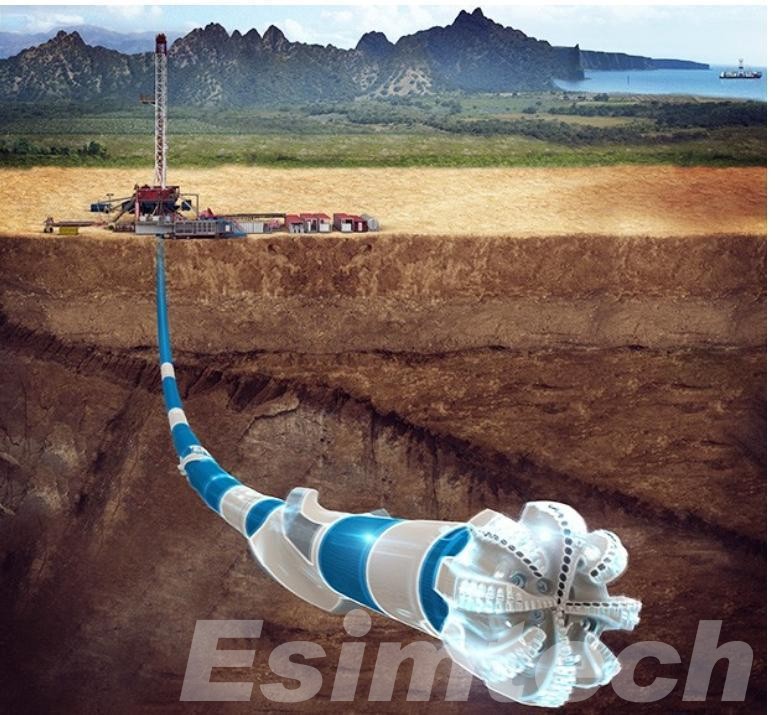
The integration of Rotary Steerable Systems (RSS) with whipstock drilling operations represents a major advancement in directional drilling technology. RSS tools allow continuous rotation of the drill string while precisely controlling wellbore direction.
After the sidetrack window is established, RSS technology enables more accurate trajectory control and smoother wellbore paths. This results in improved drilling efficiency, reduced friction, and better access to target reservoirs. The combination of whipstock drilling and RSS technology has become increasingly valuable in extended-reach and complex directional wells.
5. Real-Time Measurement and Monitoring
Modern whipstock drilling operations benefit greatly from Measurement While Drilling (MWD) and Logging While Drilling (LWD) technologies. These systems provide continuous real-time information about wellbore position, inclination, azimuth, and formation characteristics.
Real-time monitoring enables drilling teams to quickly identify deviations from planned trajectories and make immediate corrections. Improved visibility into downhole conditions enhances decision-making, increases drilling accuracy, and reduces the likelihood of costly mistakes during sidetrack operations.
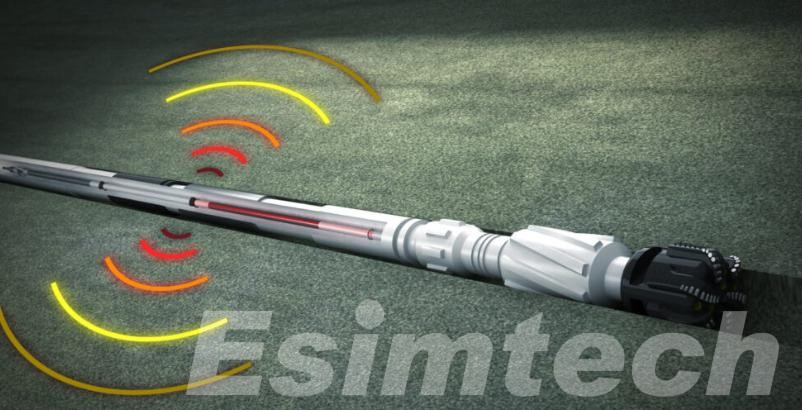
7. Digital Well Planning and Simulation
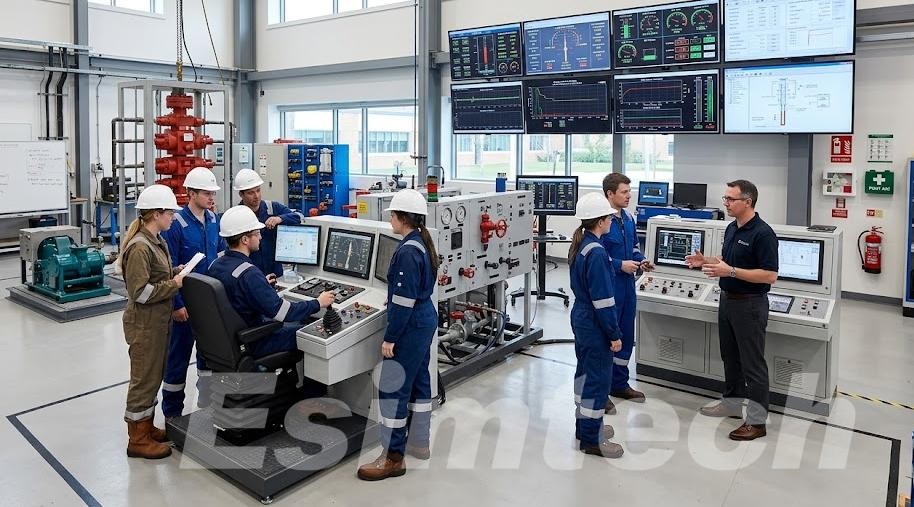
These digital tools provide detailed analyses of geological formations, casing conditions and drilling parameters. The drilling simulation technologies enable engineers to visualize operation scenarios before field operations begin, helping optimize whipstock placement, reduce uncertainties, improve drilling efficiency, and increase the success rate of sidetrack projects.
| Simulation Technology | Role in Whipstock Drilling Planning | Key Benefits |
| 3D Wellbore Trajectory Simulation | Models the planned sidetrack path and wellbore geometry before drilling begins. | Improves wellbore trajectory accuracy and reduces the risk of missing target zones. |
| Geological Formation Modeling | Simulates subsurface formations, faults, and reservoir structures. | Helps identify optimal kick-off points and avoid geological hazards. |
| Casing Window Milling Simulation | Predicts the milling process and casing window geometry. | Optimizes window design and reduces the likelihood of milling failures. |
| Torque and Drag Analysis Simulation | Evaluates mechanical forces acting on the drill string during sidetracking. | Minimizes drilling risks and improves tool selection. |
| Hydraulic Simulation | Models drilling fluid circulation, pressure losses, and cuttings transport. | Enhances hole cleaning efficiency and maintains wellbore stability. |
| Anti-Collision Simulation | Assesses the proximity of nearby wells and infrastructure. | Prevents wellbore collisions and improves operational safety. |
| Bottom Hole Assembly (BHA) Performance Simulation | Predicts the behavior of drilling tools and directional assemblies. | Improves drilling performance and directional control. |
| Finite Element Analysis (FEA) | Evaluates structural stresses on whipstocks, mills, and anchors. | Enhances equipment reliability and reduces tool failure risks. |
| Pressure and Temperature Modeling | Simulates downhole environmental conditions. | Assists in selecting suitable materials and drilling parameters. |
| Digital Twin Technology | Creates a virtual replica of the well and drilling operation for real-time analysis. | Supports predictive decision-making and operational optimization. |
8. Smart Sensors and Intelligent Downhole Tools
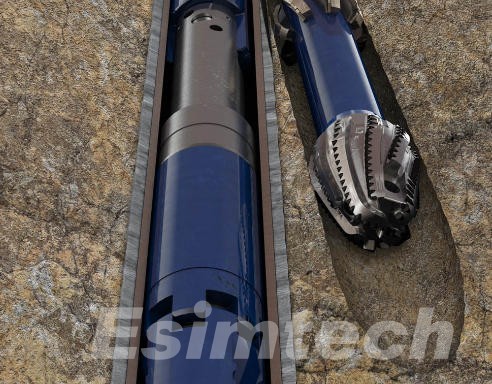
New smart downhole systems are opening fresh avenues for optimizing whipstock drilling. With advanced sensors, you can track tool orientation, vibration, temperature, pressure, and milling results in real time.
Intelligent downhole tools deliver useful operational data, which lets engineers get better at drilling efficiency and catch potential trouble before it turns into a big critical issue. Since sensor technologies keep evolving, they are expected to take a more central part in automated and data-led drilling operations too.
9. Automation and Remote Operations
Automation is turning into a big engine for new ideas across the oil and gas industry, including for whipstock drilling. Automated control systems can tune drilling parameters, keep an eye on equipment condition, and help ensure a steadier pattern of execution during operations
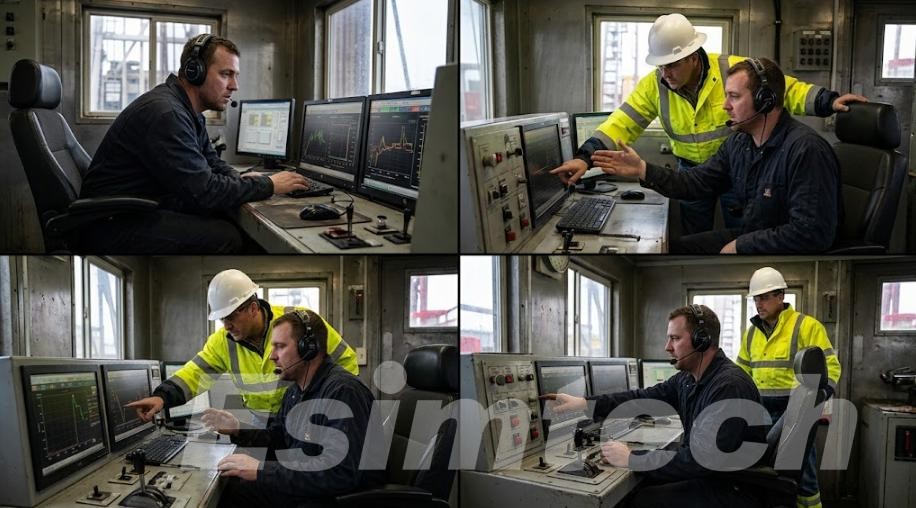
Remote operation centers let drilling specialists supervise field personnel and also guide them from a single centralized place. This feature boosts operational efficiency, supports improved safety, and allows quicker replies when well conditions shift. With wider adoption of automation, whipstock drilling activities are expected to become even more streamlined going forward.
10. Advanced Materials and Manufacturing Techniques
With the adoption of advanced alloys, composite compositions, and precision production processes, the durability plus dependability of whipstock components have improved, even in rougher use. New material systems offer stronger resistance to wear, corrosion, and severe downhole environments, which helps a lot.
Because of these improvements, the equipment life tends to stretch longer, maintenance chores can be reduced, and overall output gets better in high-pressure high-temperature wells. Also, advanced manufacturing technologies let designers create more accurate component shapes and tolerances, and that supports higher operational accuracy in practice.
Summary
Whipstock drilling is a cornerstone method in today’s directional drilling, allowing operators to sidetrack wells, skip obstacles, and stretch hydrocarbon recovery further. It ties together meticulous planning, useful tools, and real-time monitoring, so the whole workflow gets more efficient, spending drops, and existing wells keep producing longer. As the oil and gas industry moves forward, whipstock technology will stay a key instrument for flexible, effective wellbore oversight even when conditions change.