Underbalanced vs. Overbalanced Drilling: A Comparative Analysis

Written By: Computer Science Professor
Deeply rooted in the R&D of simulators for the oil and gas industry, committed to bringing safety to every oil worker.
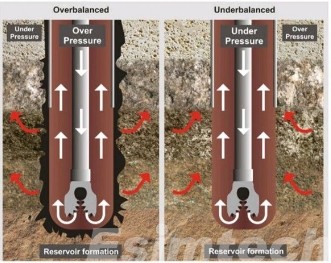
Drilling fluid pressure management is one of the most important things that really affects drilling performance, wellbore stability, and operational safety, during oil and gas work. People usually talk about two major drilling approaches for controlling formation pressure. One is underbalanced drilling(UBD). The other is overbalanced drilling(OBD). The key difference between them is the relationship between the wellbore pressure created by drilling fluids and the pressure of the surrounding formation.
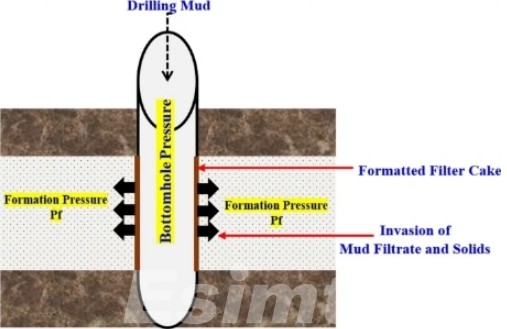
With overbalanced drilling, the conventional route in most operations, the pressure of the drilling mud is intentionally kept above the formation pressure. The idea is straightforward, it helps stop formation fluids from getting into the wellbore. In contrast, underbalanced drilling keeps the wellbore pressure below the formation pressure, so there can be a controlled inflow of formation fluids while drilling is happening.
Both methods have their own set of benefits, difficulties, and places where they fit best. The final choice usually depends on things like geological conditions, reservoir behavior, the well objectives , and safety constraints.
Understanding Underbalanced Drilling
Underbalanced drilling is more advanced, because the wellbore pressure is deliberately kept below the formation pressure. With that difference, formation fluids can flow into the wellbore during drilling, while specialized surface equipment manages the incoming flow in a safer, controlled manner.
Unlike conventional drilling, underbalanced drilling tends to demand more intricate pressure handling systems including rotating control devices, separation equipment, and real time monitoring systems. These technologies help teams keep conditions in a controlled state while drilling across productive formations, with less drama in the flow paths.
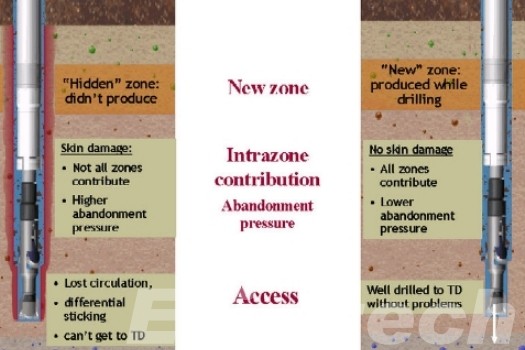
One of the major gains from underbalanced drilling is less formation damage. Because the drilling fluid pressure stays below the reservoir pressure, the drilling fluids are less likely to seep into the formation. That can raise well output and make UBD especially useful in mature fields, fractured reservoirs, and low-pressure formations.
Underbalanced drilling may also improve overall drilling efficiency by reducing differential sticking, cutting back on lost circulation issues, and supporting higher penetration rates in specific formations. Even so it depends on highly skilled personnel, advanced equipment, and careful planning, because any formation fluid influx has to be handled continuously, with attention to small changes.
Understanding Overbalanced Drilling
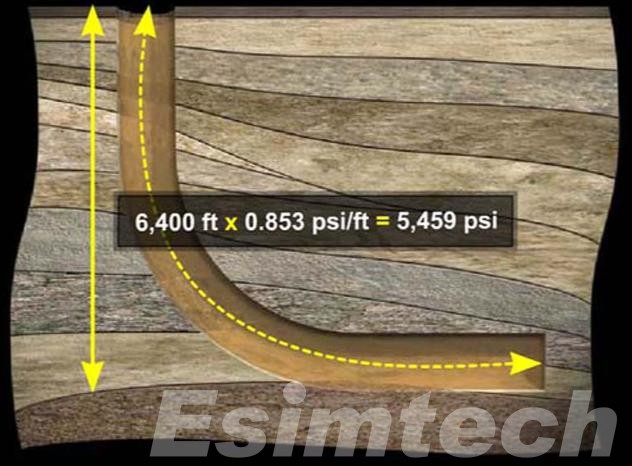
Overbalanced drilling is the more traditional approach used widely. Here, the hydrostatic pressure of the drilling mud column is maintained higher than the formation pressure. That higher pressure forms a sort of barrier, it helps prevent oil, gas, and formation water from flowing into the wellbore.
The main intention is well control and keeping stability steady during drilling. When formation fluids stay contained, operators can reduce the risk of sudden, uncontrolled influxes and lower the chances of well control events.
A notable benefit is how simple it is, and how widely accepted it remains. Many standard drilling rigs, well control systems, and daily procedures are built around this idea. So it fits many formations, especially when the priority is pressure control above almost everything else.
Even so, overbalanced drilling can bring problems. If mud pressure is too high, it can push mud into naturally fractured or highly permeable zones. That is a common pathway to lost circulation. It can also harm the reservoir rock because the drilling fluid particles may plug pore spaces. When that happens, permeability can drop, and future production can be impacted.
Key Differences Between Underbalanced and Overbalanced Drilling
1. Pressure Relationship and Well Control
A key contrast between underbalanced and overbalanced drilling is how the wellbore pressure compares with the formation pressure.
In overbalanced drilling, the mud weight creates hydrostatic pressure that is higher than the formation pressure. That extra pressure acts like a barrier. It helps keep oil, gas, and water from entering the wellbore. Many operators like this approach because it supports steady well control and lowers the chance of an uncontrolled influx.
In underbalanced drilling, the wellbore pressure is kept lower than the formation pressure on purpose. Because of that, formation fluids tend to move into the wellbore while drilling goes on. The incoming fluids still need control, using special surface units such as rotating control devices and separation equipment.
2. Drilling Fluid Systems
Drilling fluids have different roles in each method.
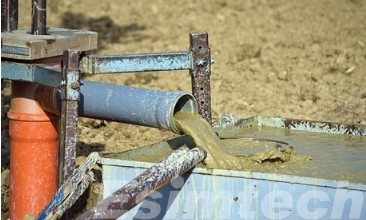
With overbalanced drilling, operators often use heavier mud to push against the formation. That mud helps keep the hole stable, carries rock cuttings out of the hole, cools the bit, and blocks formation fluids from moving into the wellbore.
With underbalanced drilling, lighter fluids are used. These can be aerated fluids, foam, or gas-based systems. The goal is to lower bottom-hole pressure. At the same time, cuttings still have to travel to the surface.
Fluid choice matters a lot. It shapes how pressure is managed, how drilling runs, and how well the formation is protected.
3. Formation Damage and Reservoir Protection
These two methods also differ in how they can affect the reservoir.
Overbalanced drilling can raise the chance of formation damage. The higher pressure can drive mud into porous or fractured zones. Solids and chemicals in the mud may plug pore spaces. That can reduce permeability and may hurt later production.
Underbalanced drilling lowers that risk in a simple way. The pressure direction is flipped. Rather than forcing drilling fluid into the rock, reservoir fluids move toward the wellbore. This can help keep natural reservoir features and may support better productivity.
In fields where the reservoir is very sensitive to fluid entry, underbalanced drilling can offer real benefits.
4. Drilling Efficiency
Efficiency is also worth comparing.
Underbalanced drilling can help in some formations. It may reduce issues like differential sticking and lost circulation. With lower pressure at depth, penetration can improve. Drilling can also feel smoother in day to day operations.
Underbalanced drilling means you must watch pressure closely at all times. If the formation pressure shifts, things can get messy fast and slow the job down.
With overbalanced drilling, the well is usually easier to manage. Common tools and proven steps are used on many standard projects. Even so, pushing too much pressure can lead to slower drilling and can trigger issues from how the formation reacts.
5. Equipment and Technology Requirements
The equipment needs for underbalanced and overbalanced drilling are not the same.
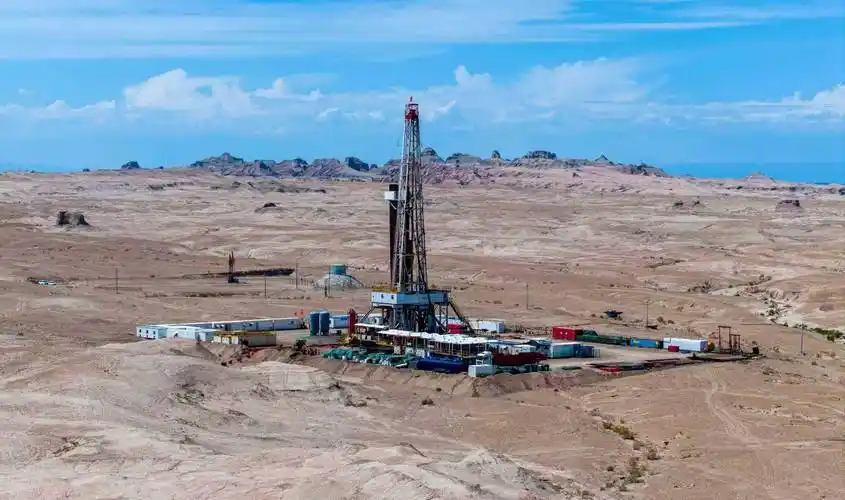
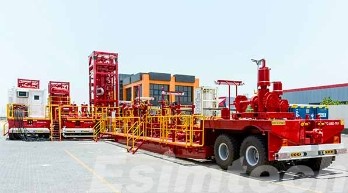
Overbalanced drilling often relies on basic drilling gear. This usually includes mud pumping and circulation parts, blowout preventers, and well control systems. Since this approach has been used for a long time, many crews already know how to run it.
Underbalanced drilling equipment needs extra systems. The aim is to handle fluids that keep moving from the formation into the wellbore. Typical add-ons include rotating control devices, multiphase separators, pressure control units, and real-time monitoring tools.
These additions can make the work harder to plan and more costly. Still, they help a lot when the reservoir is difficult.
6. Safety Considerations
Both methods place a lot of weight on safety.
Overbalanced drilling can lower the chance of formation fluid moving into the well. The mud pressure acts like a guard. Still, if pressure is managed poorly, you can see lost circulation, wellbore instability, and other hazards.
Underbalanced drilling is more demanding. Since fluids are expected to enter the wellbore, crews must track flow rates, pressure shifts, and gas levels. The goal is to avoid unsafe conditions.
Good training, practice and strong monitoring are important. They support safe underbalanced operations.
7. Cost and Operational Complexity
Cost is a big difference between the two methods.
Overbalanced drilling often starts cheaper. It uses common equipment and familiar ways of working. Fewer complications can mean less training and less technical strain.
Underbalanced drilling often costs more up front. Specialized equipment, more planning, and staff with the right experience are usually needed. In the right cases, the extra spend can be balanced by better production, less damage to the formation, and fewer drilling setbacks.
Comparison Summary Chart
| Comparison Factor | Underbalanced Drilling (UBD) | Overbalanced Drilling (OBD) |
| Pressure Condition | Wellbore pressure is maintained below formation pressure | Wellbore pressure is maintained above formation pressure |
| Formation Fluid Flow | Allows controlled inflow of oil, gas, or water into the wellbore | Prevents formation fluids from entering the wellbore |
| Primary Objective | Reduce formation damage and improve drilling efficiency | Maintain well control and prevent unwanted fluid influx |
| Drilling Fluid Behavior | Lightweight fluids or specialized fluids are used to lower pressure | Higher-density drilling mud is used to increase pressure |
| Formation Damage Risk | Lower risk because drilling fluids are less likely to invade the formation | Higher risk due to possible mud invasion into formation pores |
| Lost Circulation Risk | Generally reduced, especially in fractured or depleted formations | Higher risk when excessive pressure forces mud into fractures |
| Reservoir Productivity | Can improve productivity by preserving reservoir permeability | May reduce productivity due to formation damage |
| Drilling Speed | Can increase penetration rates in suitable formations | May have slower drilling rates due to higher pressure effects |
| Equipment Requirements | Requires advanced systems such as rotating control devices and pressure management equipment | Uses conventional drilling equipment and well control systems |
| Operational Complexity | More complex and requires experienced personnel | Simpler and more widely practiced |
| Well Control Approach | Controlled management of formation fluid influx | Prevention of formation fluid entry through mud pressure |
| Cost Consideration | Higher initial cost due to specialized equipment and monitoring systems | Lower equipment cost and easier implementation |
How to Select Between Underbalanced and Overbalanced Drilling
Selecting between underbalanced and overbalanced drilling depends on several factors. These include reservoir pressure, rock traits, drilling depth, formation permeability, and what the project is trying to achieve.
Underbalanced drilling is commonly used when formation damage, fluid losses, or production targets are tough to meet. It often fits fractured reservoirs, mature depleted areas, and rock layers that have little room for pressure changes.
Overbalanced drilling is still the go to choice for many standard wells. It is favored for its steady behavior, simpler operations, and a long history of safe use. If the rock response and wellbore conditions let the team hold pressure well, this method can work as a practical drilling plan.

Future Developments in Underbalanced and Overbalanced Drilling
Underbalanced drilling should keep improving as better fluid handling and stronger reservoir protection tools are applied. Overbalanced drilling should move forward with better mud recipes and tools that support wellbore stability. Together, these upgrades are expected to help teams drill with more dependability, manage costs, and reduce environmental impact, even as oil and gas sites get harder to work in.
| Future Trend | Underbalanced Drilling (UBD) | Overbalanced Drilling (OBD) |
| Intelligent Drilling Systems | Smart UBD systems will automatically adjust pressure conditions based on real-time formation behavior | Intelligent OBD systems will optimize mud weight and drilling parameters for improved stability |
| Artificial Intelligence and Machine Learning | AI will help predict reservoir pressure, control fluid influx, and improve drilling decisions | AI will analyze drilling data to prevent kicks, reduce risks, and improve operational efficiency |
| Digital Twin Technology | Digital twins will simulate UBD operations, reservoir responses, and pressure changes before field execution | Digital twins will support well planning, hydraulic modeling, and performance optimization |
| Real-Time Data Analytics | Advanced sensors will monitor multiphase flow, gas behavior, and downhole pressure variations | Real-time analytics will improve mud circulation monitoring and early problem detection |
| Automation and Autonomous Drilling | Automated pressure-control systems will reduce human intervention during complex UBD operations | Automated drilling platforms will improve consistency, safety, and productivity in conventional drilling |
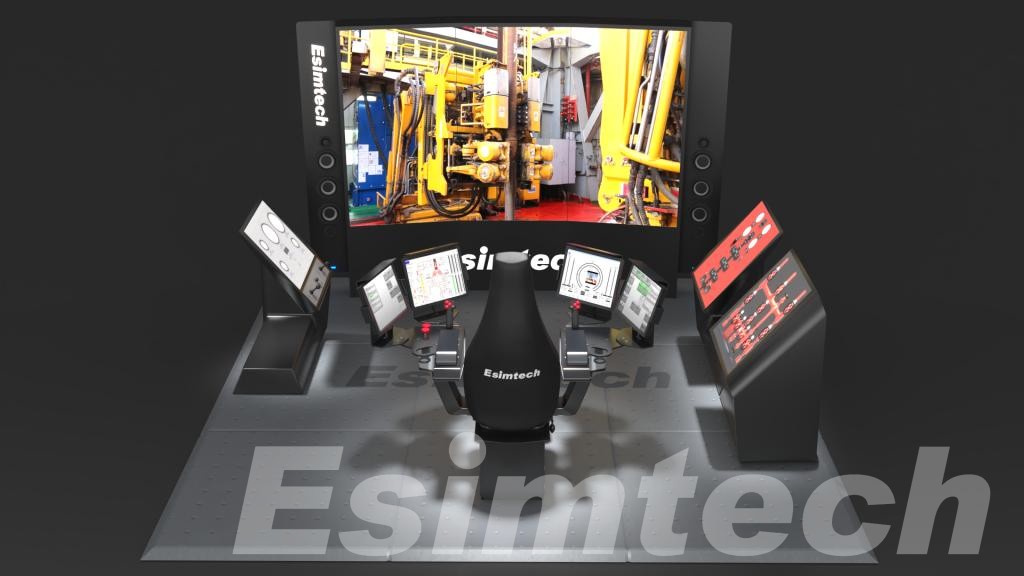
| Advanced Drilling Simulators | High-fidelity UBD simulators will recreate reservoir influx, pressure control, and well control challenges | OBD simulators will model mud hydraulics, kick response, and wellbore stability scenarios |
| Virtual Reality (VR) Training | VR-based training will prepare operators for dynamic UBD conditions and emergency situations | VR simulators will provide realistic practice for blowout prevention and drilling safety procedures |
| Improved Well Control Systems | New technologies will enhance management of controlled formation fluid flow and pressure fluctuations | Enhanced systems will improve kick detection, pressure balance, and loss prevention |
| Sustainable Drilling Practices | UBD will focus on reducing formation damage, waste generation, and environmental impact | OBD will adopt greener drilling fluids and improved waste management solutions |
| Remote Monitoring and Operations | Remote UBD control centers will allow experts to monitor complex drilling activities from distant locations | Remote OBD systems will support safer and more efficient drilling operations |
| Enhanced Reservoir Evaluation | UBD will integrate real-time logging and measurement technologies for faster reservoir understanding | OBD will combine improved logging tools with optimized drilling methods for better formation evaluation |
| Industry 4.0 Integration | IoT, cloud platforms, and connected equipment will enable smarter UBD workflows | Digital platforms will improve data sharing, predictive maintenance, and operational optimization |
Final Thoughts
Underbalanced and overbalanced drilling are two ways to managing pressure during well construction. Neither one is automatically superior. The best choice depends on the geology, the job needs, and safety considerations. As drilling technology evolve, pressure control and real-time checks get better, both options keep showing up in efforts to improve drilling speed and support oil and gas output.