How Automation Improves Drilling Safety

Written By: Computer Science Professor
Deeply rooted in the R&D of simulators for the oil and gas industry, committed to bringing safety to every oil worker.
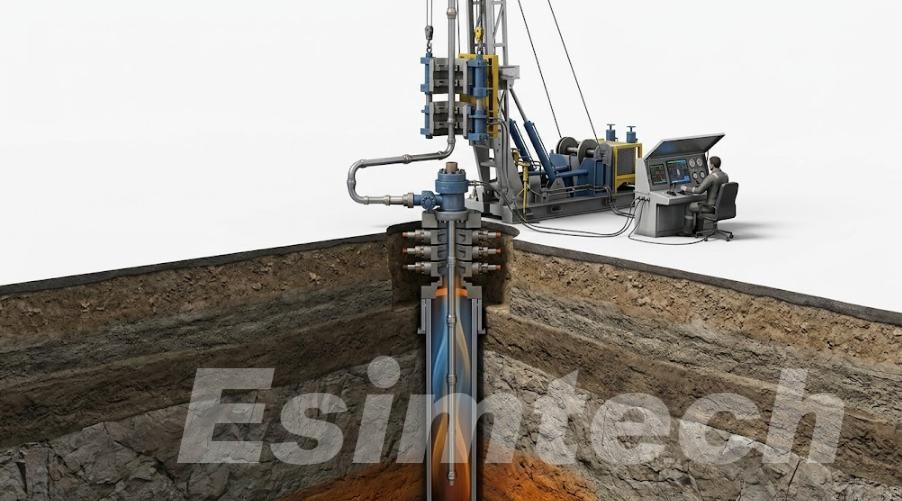
Drilling safety has always been one of the top priorities in the petroleum industry. Even when we’re talking about oil and gas exploration, mining, or geothermal drilling, workers deal with a lot of hazards, like high-pressure gear, heavy machinery, toxic vapors, and other risks. Traditional drilling work often leans strongly on manual watching and decision-making; this can raise the odds of human error, especially in tense situations or when conditions change quickly. Nowadays, automation is reshaping the drilling sector; it helps make drilling activities safer, more efficient, and more steadfast.
The Role of Automation in Modern Drilling Operations
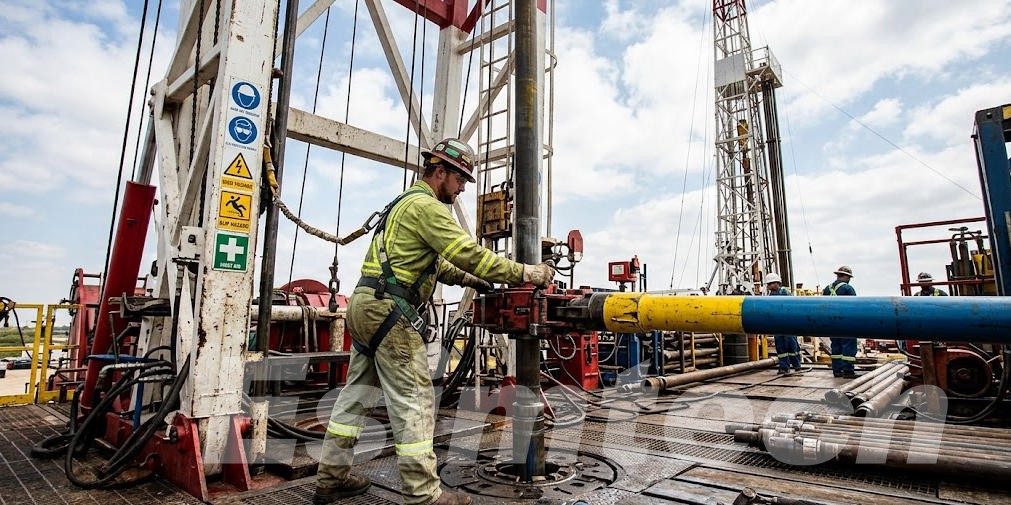
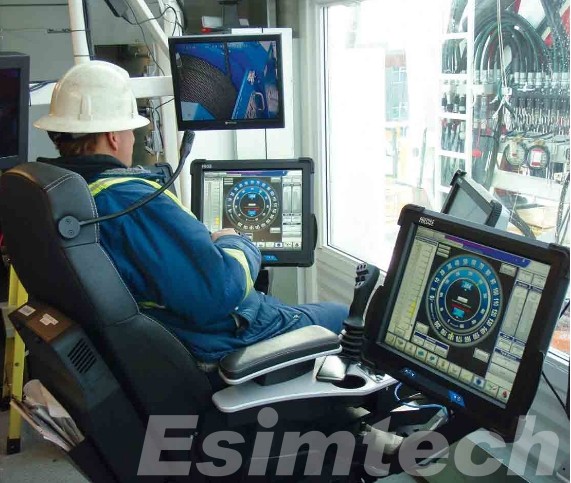
Automation blends advanced tools such as sensors, artificial intelligence, data analytics, robotics, and digital control systems into the workflow. With these components, drilling equipment can move with better accuracy, while crews can observe and manage the whole process more smoothly.
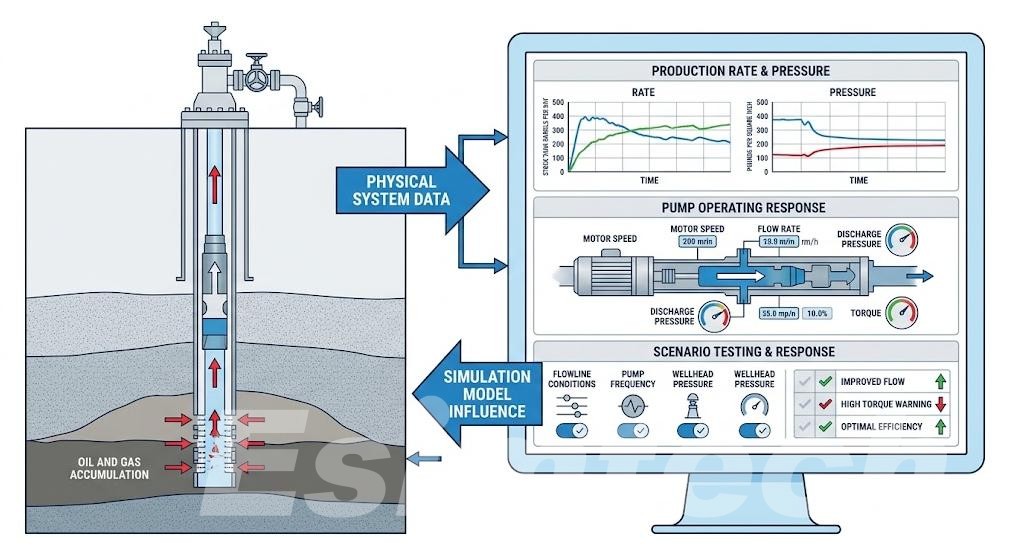
Automated drilling systems can keep collecting and later analyzing operational data like drilling speed torque, pressure, vibration, and fluid conditions. When that information is processed in real time, the system helps maintain steadier drilling conditions, which also reduces the chance of safety incidents that might happen otherwise.
Key Benefits of Automation for Improving Drilling Safety
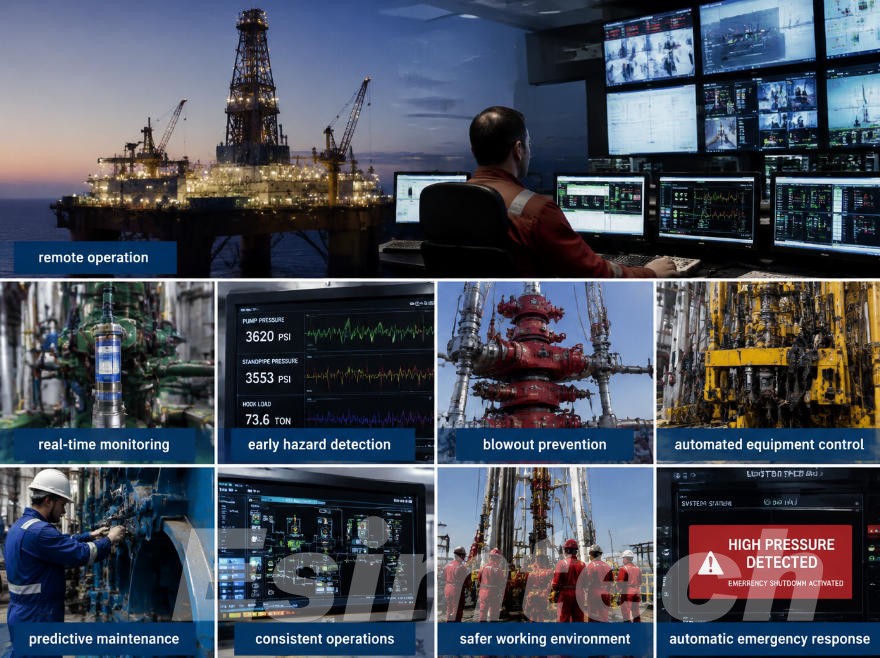
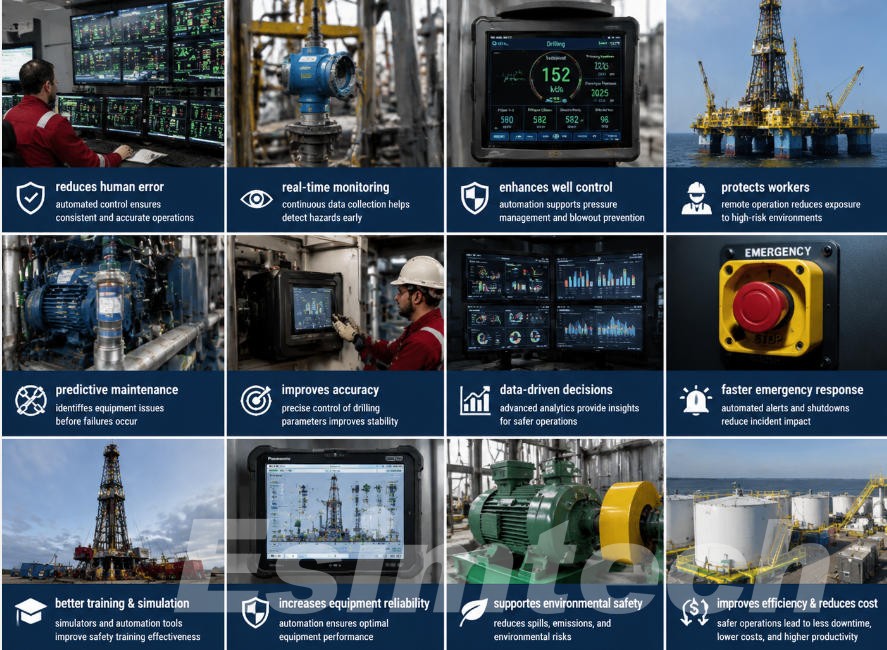
Automation creates safer working conditions by reducing hazards and enabling faster responses to potential problems.
1. Reducing Human Error in Drilling Operations
Human error is still one of the main causes behind drilling incidents. The operation of complex equipment, fatigue, pressure from demanding schedules, and shifting environmental conditions can influence decision-making and operational accuracy. Automation supports fewer mistakes by controlling critical processes with more consistent control.
Automated drilling systems can continuously tweak things like drilling speed, torque, pressure, and equipment movement based on what is happening in real time. They reduce the constant need for manual setting changes and also help avoid errors from wrong configurations or lagging responses.
By giving operators reliable information and automated control functions, automation lets people focus more on higher-level choices.
2. Improving Real-Time Monitoring and Early Hazard Detection
One of the biggest safety benefits of automation is ongoing monitoring. Modern drilling systems use advanced sensors to gather signals from multiple equipment items and well conditions, including pressure, temperature, vibration, flow rate, and mechanical performance.
Automated monitoring platforms review this information instantly, and they spot abnormal conditions before they turn dangerous. For instance, sudden shifts in pressure can be read as potential well-control trouble, while odd vibration patterns might point toward equipment damage.
Getting a heads-up early lets drilling teams respond with preventive steps faster, which decreases the chance of equipment failures operational interruptions and even serious accidents.
3. Enhancing Well Control and Blowout Prevention
Well control is one of the most important parts of drilling safety, because unmanaged pressure changes can lead to severe events, like blowouts. Automation supports well control by keeping continuous pressure tracking and triggering automatic actions when the drilling conditions change.
Advanced automated systems can dig through formation data, drilling parameters and fluid behavior to spot potential risks. When things turn abnormal, automated controls can help rework drilling operations, trigger alarms, or back up emergency procedures.
By speeding up reaction time and improving precision, automation helps fortify blowout prevention efforts and supports protecting drilling personnel as well as assets.

4. Protecting Workers Through Remote Operation
Automation lowers the requirement for workers to do hazardous tasks near heavy drilling equipment. Through remote monitoring and control systems, engineers can supervise activities from safer locations, which reduces exposure to hazards like rotating machinery, high-pressure equipment and hazardous materials.
This edge is especially important for offshore platforms, deepwater drilling projects, and far remote drilling locations where quick emergency access can be hard. When operators are moved away from high-risk zones, automation makes workplace safety noticeably better, and it tends to help in a calmer way too.
5. Increasing Equipment Reliability with Predictive Maintenance
Sudden equipment breakdowns can turn into real safety hazards during drilling. Usual maintenance methods often depend on fixed checkups and periodic inspections, but those schedules may not catch developing issues soon enough.
Automation supports predictive maintenance by monitoring equipment conditions continuously. Sensors, along with data analytics, can flag early hints of wear, overheating, vibration shifts, or even hidden component damage. Then maintenance crews can fix or swap parts before the failure happens.
That forward-leaning style improves equipment reliability, cuts down downtime, and reduces the chances of accidents linked to mechanical failures.
6. Improving Operational Accuracy and Consistency
In drilling, you need exact handling of several variables. Even small errors in the drilling parameters can shake well stability, reduce equipment performance, and harm overall safety. Automated systems help keep things even and reliable, because they follow programmed steps and react rapidly when conditions start shifting.
For example, automated drilling controls can keep stable weight on bit, tune drilling rate, and manage fluid circulation. As a result, drilling accuracy improves while fewer operational swings occur, those swings might otherwise introduce safety risks.
7. Supporting Better Safety Decisions with Data Analytics
Automation generates large amounts of operational data that can be analyzed to improve safety management. Artificial intelligence and machine learning technologies can identify patterns, predict potential problems, and provide recommendations for safer operations.
By combining historical drilling data with real-time information, intelligent systems can help engineers understand risks more accurately and make better decisions. This data-driven approach improves both short-term responses and long-term safety planning.
8. Improving Emergency Response Capabilities
When unplanned events happen during drilling, quick action matters a lot. Automated systems can notice risky conditions early, then react in mere seconds, cutting down the need for manual intervention.
Emergency automation features could involve automatic equipment shutdown, alarm activation, pressure regulation adjustments, and also coordination with safety systems. These fast reactions can lower how severe an incident becomes, and strengthen the protection for workers, and equipment.
9. Enhancing Safety Training and Simulation
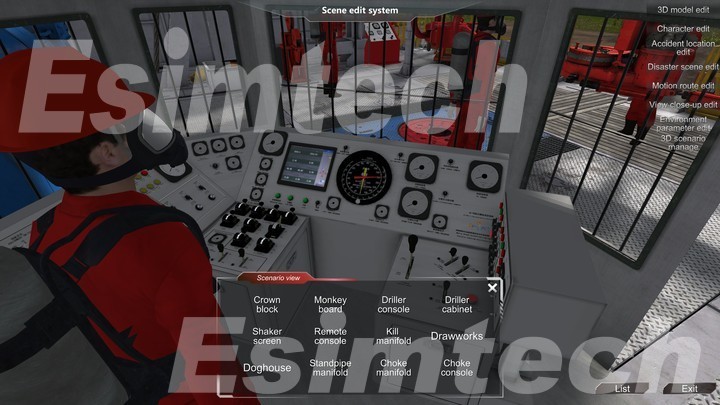
Automation technologies also improve drilling safety training. Simulation-based training allows workers to gain experience in a controlled environment without exposure to real hazards.
| Automation Technology | Functions | How It Enhances Safety Training | Key Advantages |
| Virtual Reality (VR) Simulation | Creates immersive drilling environments where trainees can practice operating rigs, handling emergencies, and responding to hazardous situations. | Allows workers to experience realistic scenarios without exposure to actual drilling risks. | Improves emergency response skills, increases training confidence, and reduces accident risks during real operations. |
| Digital Twin Technology | Builds virtual replicas of drilling equipment, wells, and operational environments using real-time data. | Enables trainees to analyze equipment behavior and practice decision-making under different conditions. | Provides realistic training experiences and improves understanding of complex drilling systems. |
| Drilling Simulators | Simulates drilling processes such as well control, pressure management, and equipment operation. | Allows operators to practice controlling drilling parameters and solving operational problems. | Develops technical skills, reduces human error, and improves operator competency. |
| Artificial Intelligence (AI) Training Systems | Uses AI algorithms to analyze trainee performance and provide personalized feedback. | Identifies weaknesses and recommends targeted training scenarios. | Improves learning efficiency and helps operators develop better safety awareness. |
| Real-Time Data Integration | Uses actual drilling data from sensors and monitoring systems in training platforms. | Provides trainees with realistic operational information similar to field conditions. | Enhances decision-making skills and prepares operators for real-world challenges. |
| Automated Emergency Scenario Simulators | Creates simulated events such as blowouts, equipment failures, pressure changes, and unexpected geological conditions. | Enables workers to repeatedly practice emergency responses in a controlled environment. | Improves reaction speed and strengthens crisis management abilities. |
| Remote Training Platforms | Allows operators to access drilling simulations and training programs from different locations. | Supports flexible training without requiring physical access to drilling sites. | Reduces training costs and improves access to safety education. |
| Performance Monitoring and Analytics | Tracks trainee actions, response times, and operational decisions during simulations. | Provides detailed evaluation of skills and safety performance. | Helps identify training gaps and supports continuous improvement. |
| Automated Equipment Simulation | Replicates the operation of drilling equipment such as top drives, BOP systems, and control panels. | Allows trainees to practice equipment handling before working on real machines. | Reduces equipment operation errors and improves workplace safety. |
Challenges and Potential Solutions in Implementing Drilling Automation
Although automation greatly improves drilling safety, successful implementation requires careful planning. Companies need to invest in reliable technology, cybersecurity protection, system maintenance, workforce training, etc.
| Challenge | Description | Impact | Possible Solutions |
| High Initial Investment Costs | Implementing automated drilling systems requires significant investment in sensors, control systems, software, communication networks, and equipment upgrades. | High costs may slow adoption, especially for smaller drilling companies with limited budgets. | Use phased automation upgrades, select scalable systems, and evaluate long-term cost savings from improved safety and efficiency. |
| Integration with Existing Equipment | Many drilling sites use older equipment that may not be designed for modern automation technologies. | Poor compatibility can reduce system performance and create operational challenges. | Upgrade key components, use retrofit solutions, and develop standardized communication interfaces between systems. |
| Cybersecurity Risks | Connected drilling systems rely on digital networks and data communication, making them potential targets for cyber threats. | Cyberattacks could interrupt operations, manipulate data, or compromise safety controls. | Implement strong cybersecurity measures, data encryption, access control, and continuous network monitoring. |
| Workforce Training Requirements | Operators and engineers need new skills to manage automated systems and interpret digital data. | Lack of training can lead to improper system use and reduced safety benefits. | Provide comprehensive training programs focused on automation operation, troubleshooting, and emergency response procedures. |
| Dependence on Data Quality | Automated systems rely on accurate sensor data and reliable information processing. | Incorrect or incomplete data may lead to inaccurate decisions and safety risks. | Maintain sensors regularly, improve data validation processes, and use advanced analytics for error detection. |
| System Reliability and Maintenance | Automation equipment requires regular maintenance, software updates, and technical support. | System failures can interrupt drilling operations and create safety concerns. | Establish preventive maintenance programs and ensure quick access to technical support. |
| Resistance to Technological Change | Some organizations and workers may hesitate to adopt automated processes due to concerns about job changes or unfamiliar technology. | Slow adoption can limit improvements in safety and operational efficiency. | Encourage collaboration between technology providers and workers, and highlight automation as a safety-supporting tool. |
| Complex Decision-Making Situations | Automated systems may struggle with unexpected geological conditions or unusual operational scenarios. | Overreliance on automation may create risks if human judgment is not involved. | Maintain human oversight and develop systems that combine automation with expert decision-making. |
| Communication and Connectivity Limitations | Remote drilling operations may experience unstable network connections or limited data transmission capacity. | Delayed communication can affect real-time monitoring and control. | Improve communication infrastructure and use reliable remote monitoring technologies. |
| Regulatory and Industry Standards | Automation technologies must comply with safety regulations and industry requirements. | Lack of clear standards may slow implementation and approval processes. | Work with regulators and industry organizations to develop updated automation guidelines and safety standards. |
Summary
Automation has become a main driver for safety improvements in today’s drilling activities. The big idea is that fewer people are standing in hazardous environments, and that real-time monitoring becomes available all the time. Also, with better decision support, and steadier equipment performance, operational risks go down in a clear way. When something unexpected happens, automated drilling systems can trigger emergency actions fast enough to matter.