Effective Emergency Response Training for Oilfield Operations

Written By: Computer Science Professor
Deeply rooted in the R&D of simulators for the oil and gas industry, committed to bringing safety to every oil worker.
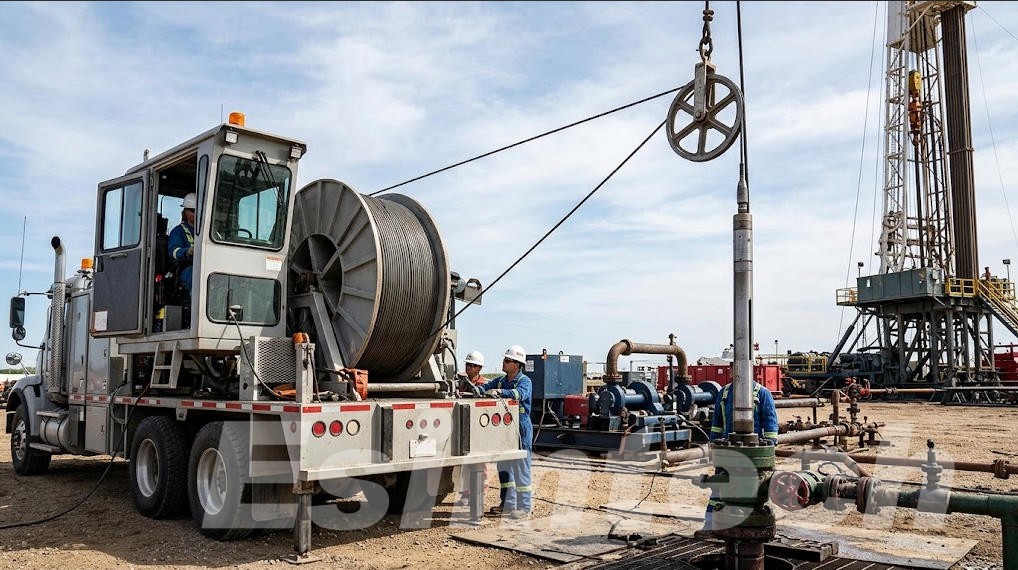
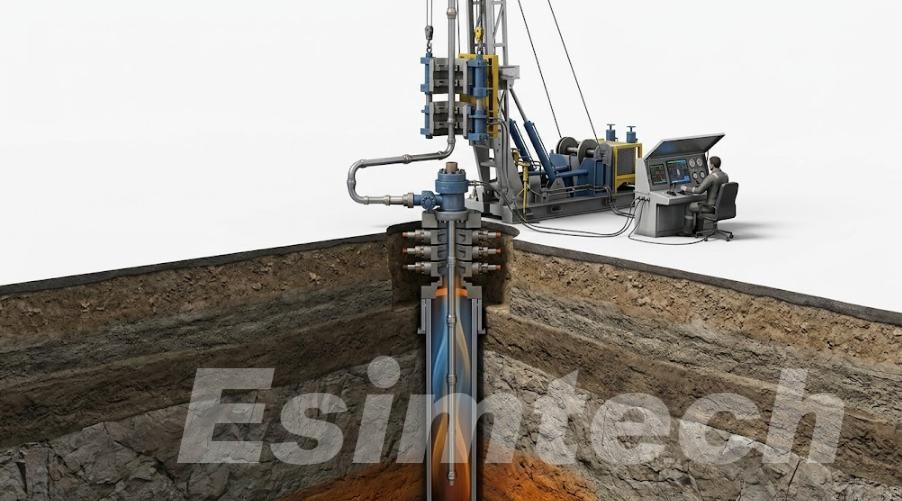
Oilfield operations involve complex equipment, hazardous materials, high-pressure systems and some really tough job sites. From drilling sites and production facilities to offshore platforms, unexpected emergencies can pop up any time. The right emergency response training, helps oilfield people know the knowledge, skills, and that calm confidence they need to handle incidents fast, lower risks, and protect both people, property, and the surrounding environment.
Why Emergency Response Training is Essential in Oilfields
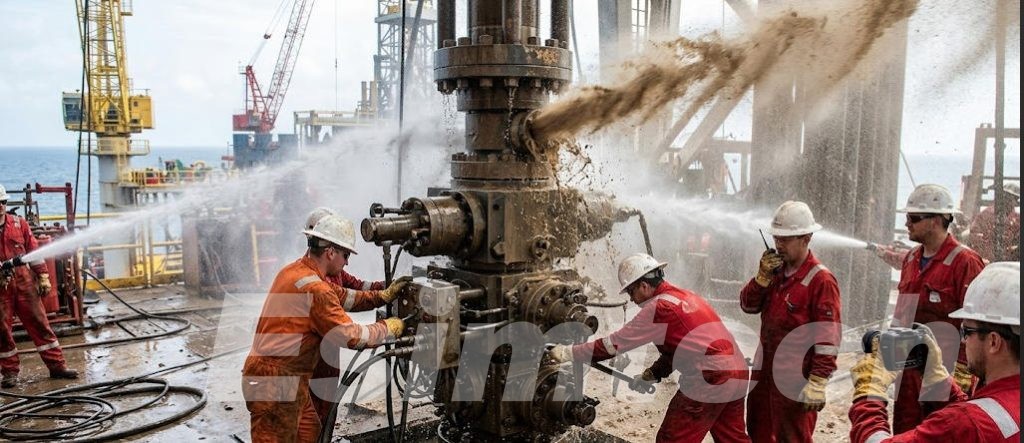
Emergency response training is a huge piece of oilfield safety management. In oil and gas work there are flammable hydrocarbons, toxic gases, heavy machinery, and extreme operating conditions. Without solid preparation, incidents like well blowouts, fires, explosions, equipment breakdowns, and chemical releases can escalate quickly, and then it’s basically a mess.
A well designed training program makes sure workers understand emergency procedures, spot likely dangers early, and act effectively even when things get stressful. It also supports companies in meeting industry safety expectations, and building a stronger safety mindset across all operations.
Common Emergency Situations in Oilfield Operations
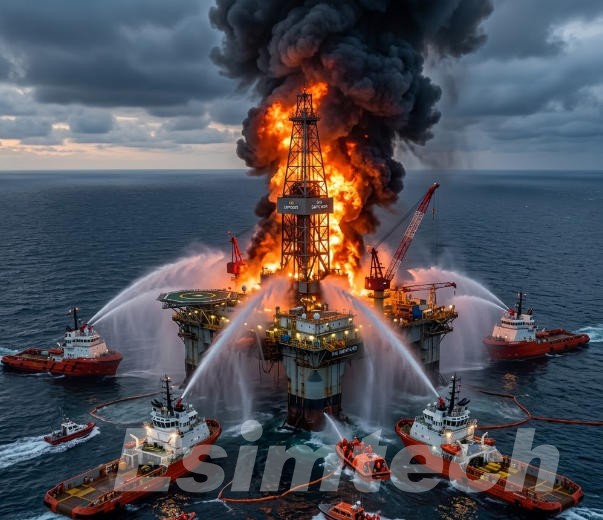
Oilfield workers may face various emergency scenarios that require immediate action and coordinated responses.
| Common Emergency Situation | Causes | Potential Risks |
| Well Blowouts and Loss of Well Control | Unexpected formation pressure, drilling fluid failure, improper well control procedures | Explosions, fires, equipment damage, environmental pollution, worker injuries |
| Fire and Explosion Incidents | Hydrocarbon leaks, ignition sources, equipment failures, poor maintenance | Burns, fatalities, facility damage, production shutdowns |
| Hydrogen Sulfide (H₂S) Gas Exposure | Release of toxic gases during drilling or production activities | Poisoning, respiratory failure, fatalities |
| Oil and Chemical Spills | Pipeline leaks, equipment failures, storage tank damage, transportation accidents | Environmental contamination, regulatory issues, health hazards |
| Equipment Failure and Mechanical Accidents | Machinery breakdown, improper operation, component damage, poor maintenance | Crushing injuries, equipment damage, operational delays |
| Pressure Control System Failure | Malfunctioning valves, damaged pressure equipment, incorrect operating procedures | High-pressure releases, explosions, equipment failure |
| Drilling Rig Accidents | Human error, equipment malfunction, unstable working conditions | Falls, injuries, dropped objects, operational disruptions |
| Offshore Platform Emergencies | Severe weather, equipment failures, fires, structural issues | Platform evacuation, injuries, environmental hazards |
| Confined Space Emergencies | Oxygen deficiency, toxic gases, poor ventilation | Suffocation, gas poisoning, rescue difficulties |
| Transportation and Vehicle Accidents | Poor road conditions, equipment transportation issues, driver errors | Worker injuries, equipment damage, delayed operations |
| Severe Weather Events | Storms, hurricanes, lightning, extreme temperatures | Equipment damage, injuries, production interruptions |
| Medical Emergencies | Workplace injuries, exposure incidents, sudden illness | Serious health impacts, loss of life |
Key Components of Oilfield Emergency Response Training
A comprehensive oilfield emergency response training program mixes safety awareness with technical understanding, practical abilities and realistic drills. It helps workers grasp what might go wrong, follow emergency procedures, and coordinate without delay during those critical moments where every action counts.
1. Hazard Identification and Risk Assessment
One of the key parts of oilfield emergency response training is building the capacity to spot hazards before they actually turn into emergencies. People working in the oilfield need to understand the risks linked to drilling, production, well servicing, haulage, and facility maintenance.
Training sessions teach staff how to recognize unsafe conditions, judge operational risk, and use preventive measures. Participants also learn about common oilfield hazards, such as combustible hydrocarbons, poisonous vapors, hazards tied to pressure, mechanical dangers, and environmental threats.
Through risk assessment training, employees become more aware of how their actions and the nearby circumstances may influence safety, right in real life. This awareness helps prevent incidents and also lets workers respond more effectively when emergencies happen.
2. Emergency Communication and Reporting Procedures
Clear communication is crucial during any emergency situation. If there is confusion or delays in passing along information, risks can go up quickly, and emergency response becomes harder to manage. Oilfield emergency response training is built to set up solid communication practices and to make sure every employee understands what to report, and when.
Workers are taught to use emergency alarms, radios, and other communication systems, and the incident reporting channels. They practice how to relay reliable details about where the emergency is, what kind it is, and how severe it may be, so response teams can move with the right plan.
Effective communication also involves grasping the emergency command setup, in a more practical sense. Employees need to know who holds the authority for decision-making, how the instructions get delivered, and how the various teams link up during an incident. If people are unclear on the chain of command, everything slows down, and that’s the whole point.
3. Fire Prevention and Fire Response Training
Fire hazards are a major concern in oil and gas operations due to the presence of combustible materials and ignition sources. Fire response training prepares workers to prevent fires and respond quickly if a fire occurs.
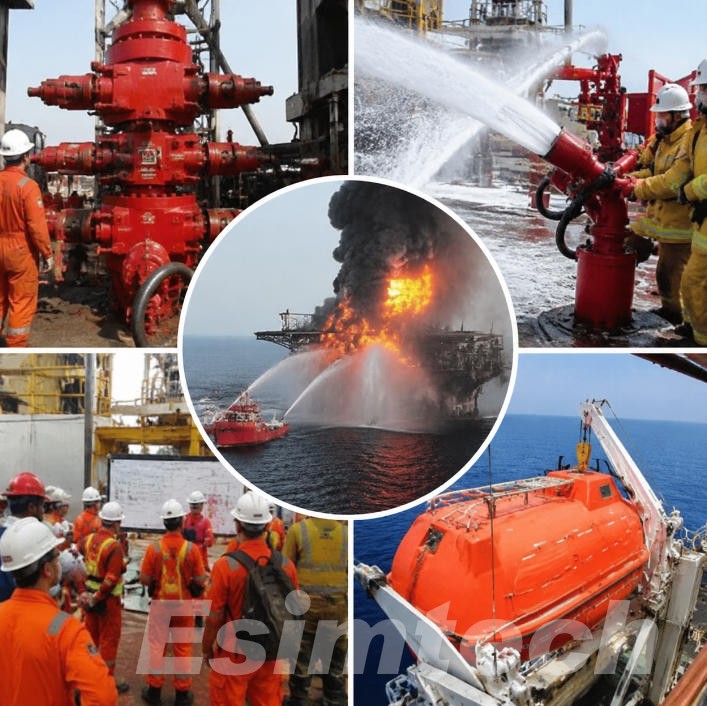
Personnel are trained to identify potential ignition risks, operate firefighting equipment, and follow emergency shutdown procedures. Training may include the proper use of fire extinguishers, fire suppression systems, protective equipment, and evacuation routes.
Regular fire drills allow workers to practice emergency actions in realistic conditions. These exercises improve response speed, reduce panic, and ensure that employees understand their responsibilities during a fire emergency.
4. Hydrogen Sulfide (H₂S) Safety Training
Exposure to hydrogen sulfide is one of the most risky situations in many oilfield settings. This toxic gas can show up during drilling, production, and well servicing efforts, and it can set up serious health problems for workers, even when everything looked normal earlier.
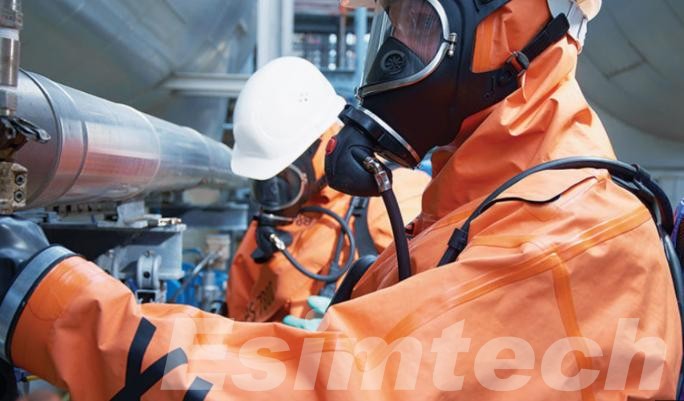
In H₂S emergency response training, employees learn how to spot gas detection alarms, understand what exposure risks really mean, and use personal protective equipment like breathing apparatus. People also practice emergency evacuation steps and rescue techniques, plus they go through ways to help affected coworkers without exposing themselves to the same danger.
Proper H₂S training ensures that employees can respond immediately and safely when toxic gas incidents occur.
5. Well Control and Blowout Response Training
A well blowout may cause uncontrolled releases of oil, gas, or drilling fluids, which can trigger fires, explosions, and environmental impacts. Proper emergency response training for well blowouts focuses on preventing the escalation, recognizing early warning signs, and carrying out control actions fast, so the situation stays manageable
Well control training helps workers understand pressure control, early warning indicators, and emergency actions, which is important for staying safe. Personnel learn how to run well control gear, including blowout preventers (BOPs), and they keep to the set steps for bringing a volatile situation under control.
6. First Aid and Medical Emergency Response
Medical emergencies can show up at any oilfield spot, from remote drilling sites to offshore operations. Fast access to trained responders can strongly lower the seriousness of injuries.
Emergency response training includes first aid abilities so workers can give immediate help before medical professionals arrive. Training usually covers injury triage, blood loss management, burns, fractures, CPR, and support for chemical exposure.
Workers learn how to organize medical evacuations, and also how to talk clearly with emergency medical teams. This is, especially important for remote oilfield operations where the response time may be longer, and nobody has instant help.
7. Emergency Evacuation and Rescue Procedures
A well-organized plan for getting people out is essential when big incidents happen, so workers stay protected. Oilfield emergency response training makes sure employees know evacuation routes, emergency exits, assembly points, and the rescue routine.
Personnel take part in recurring drills that mimic several emergency situations, including fires, explosions, gas leaks, and even severe weather events. Those practice sessions help workers recognize what to do in the moment, and they improve calm reactions when pressure rises.
For offshore work, evacuation training can involve lifeboat operations, emergency escape systems, and procedures for platform abandonment.
8. Spill Response and Environmental Protection
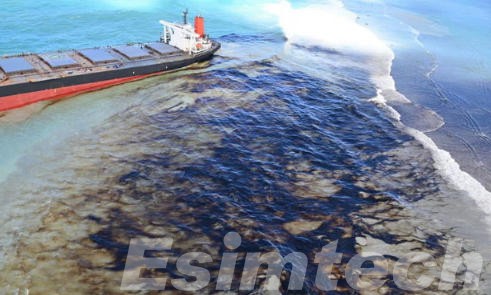
Oilfield emergencies can have significant environmental consequences if spills or chemical releases are not controlled quickly. Spill response training prepares workers to manage leaks, prevent contamination, and protect surrounding environments.
Employees learn how to identify spill sources, use containment equipment, handle hazardous materials safely, and support cleanup operations. Training also emphasizes the importance of reporting environmental incidents and following regulatory requirements.
Effective spill response helps companies reduce environmental damage and maintain responsible oilfield operations.
9. Emergency Equipment Operation and Maintenance
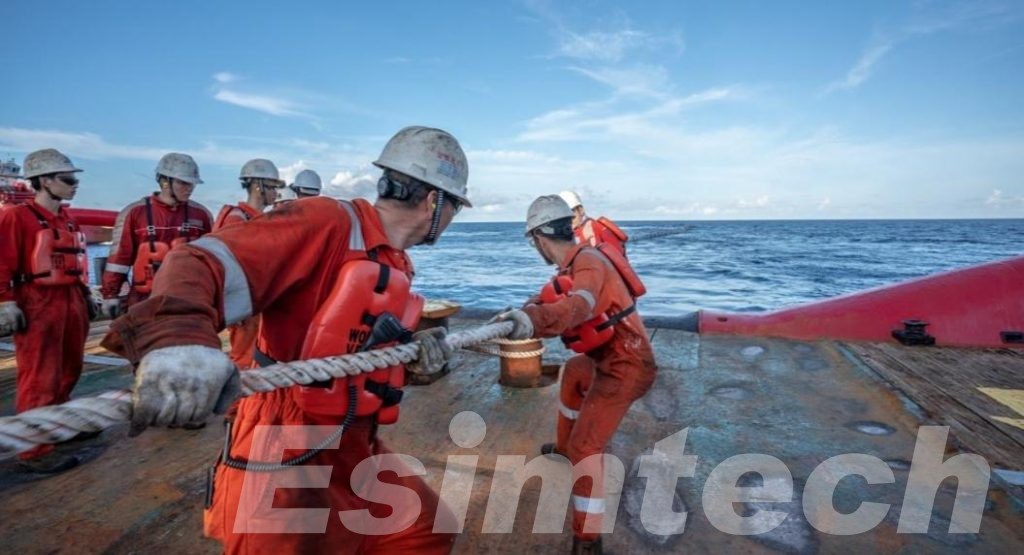
Emergency equipment needs to be on hand and usable immediately when critical moments hit. Training programs make sure workers know how to run, check, and maintain the key safety gear.
This covers gas detectors, fire suppression systems, emergency shutdown devices, rescue gear, breathing protection systems, and personal protective equipment. Having familiarity with those emergency tools helps response happen more efficiently, and it also reduces the likelihood of wrong use of the equipment during high stress moments

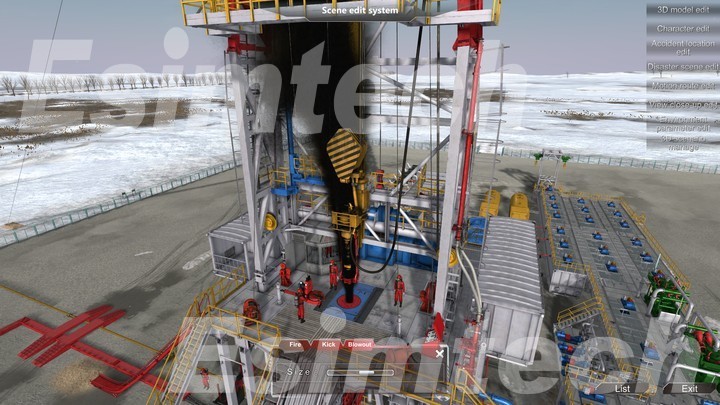
The Role of Simulation Technology in Emergency Response Training for Oilfield Operations
| Simulation Technology | Functions | Simulated Emergency Scenarios | Key Advantages |
| Oilfield Emergency Response Simulators | Recreates realistic oilfield environments and emergency conditions to help workers practice response procedures | Fires, equipment failures, gas releases, wellsite accidents, emergency shutdowns | Improves emergency decision-making, operational awareness, and response coordination |
| Well Control Simulators | Provides practical training for managing pressure-related incidents during drilling operations | Well kicks, loss of circulation, blowouts, BOP activation, pressure control failures | Enhances well control skills and prepares crews for critical high-pressure situations |
| Drilling Simulators | Simulates drilling operations and abnormal conditions to train personnel in identifying and managing risks | Drilling equipment failures, stuck pipe incidents, drilling fluid problems, loss of well control | Helps operators improve technical skills and reduce human errors during emergencies |
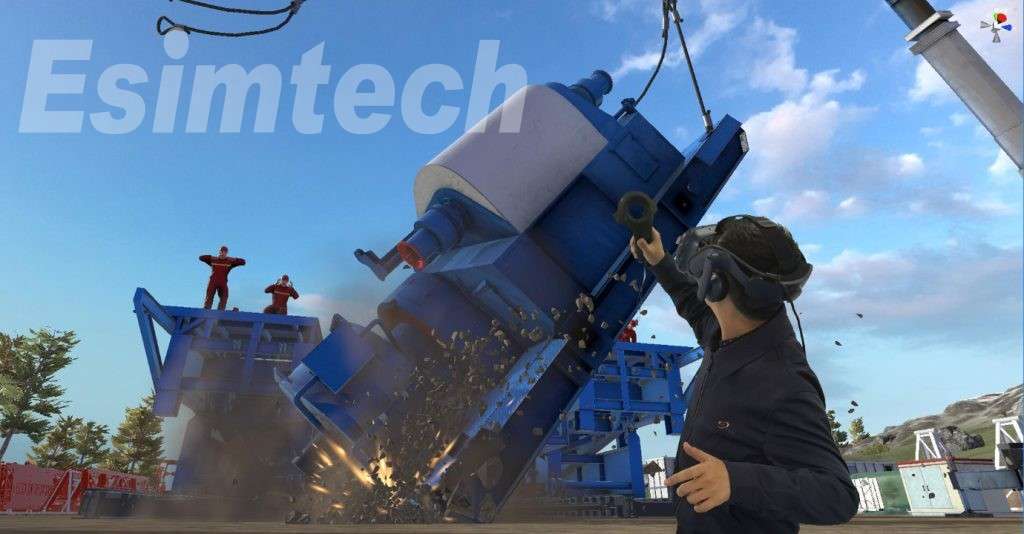
| Virtual Reality (VR) Emergency Training Simulators | Creates immersive environments where workers can experience dangerous situations without real exposure to hazards | Oilfield fires, H₂S leaks, offshore evacuations, confined space rescues | Increases safety awareness, improves reaction speed, and builds confidence in emergency response |
| Fire Response Simulation Systems | Allows workers to practice firefighting techniques and emergency procedures in realistic scenarios | Hydrocarbon fires, equipment fires, explosions, fuel leaks | Develops firefighting skills, evacuation awareness, and teamwork during fire emergencies |
| H₂S Gas Safety Simulators | Trains workers to respond to toxic gas incidents and use protective equipment correctly | Hydrogen sulfide detection, gas alarms, breathing apparatus use, emergency evacuation | Improves gas hazard recognition and reduces risks associated with toxic exposure |
| Offshore Emergency Evacuation Simulators | Provides training for personnel working on offshore platforms and marine facilities | Platform fires, abandon-platform events, helicopter emergencies, lifeboat deployment | Strengthens evacuation readiness and improves offshore survival skills |
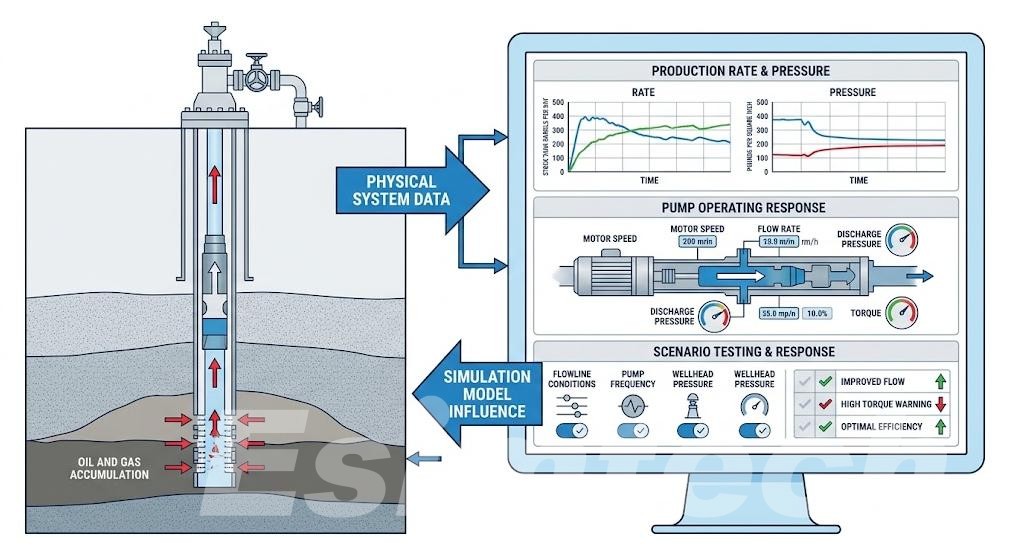
| Digital Twin Simulation Technology | Creates virtual models of oilfield facilities and equipment for emergency planning and risk analysis | Pipeline failures, equipment breakdowns, process abnormalities, facility emergencies | Supports predictive analysis, improves emergency planning, and enhances operational safety |
| Computer-Based Training (CBT) Simulators | Delivers interactive emergency response lessons and scenario-based learning through digital platforms | Safety procedures, emergency communication, hazard identification, incident reporting | Provides flexible training access and supports continuous employee development |
| AI-Based Emergency Simulation Platforms | Uses artificial intelligence to create dynamic emergency scenarios and evaluate trainee decisions | Multi-factor emergencies, changing operational conditions, complex crisis management | Provides personalized training, improves critical thinking, and analyzes response performance |
| Remote Simulation Training Systems | Enables oilfield personnel in different locations to participate in standardized emergency training | Remote drilling site incidents, offshore emergencies, field response coordination | Reduces travel requirements and ensures consistent safety training across operations |
| Performance Evaluation and Feedback Systems | Records trainee actions and analyzes response effectiveness after simulations | Emergency drills, rescue operations, crisis decision-making exercises | Identifies weaknesses, measures competency, and supports continuous improvement |
Continuous Training and Performance Improvement
Emergency response skills demand regular repetition and ongoing updates. In the oilfield, companies should keep providing ongoing training so workers stay ready for shifting operational conditions, and for new safety challenges that appear over time
Refresher courses, emergency drills, equipment familiarization, and incident reviews, all help spot areas where the performance can be stronger. The lessons learned from past emergencies and from training exercises can be used to reinforce safety procedures, and it improves future response efforts.
Final Words
Emergency response training is a core requirement for secure oilfield operations, you really have to treat it as that. When workers are prepared for incidents such as blowouts, fires, gas releases, plus equipment failures, companies can lower risks and improve their capability to manage emergencies. Using hands-on training, simulation technology and then ongoing refinement helps build a safer worksite and supports steady oilfield operations.