Land Rigs vs. Offshore Rigs: What are the 9 Key Differences

Written By: Computer Science Professor
Deeply rooted in the R&D of simulators for the oil and gas industry, committed to bringing safety to every oil worker.
The oil and gas industry depends on different types of drilling rigs to access underground hydrocarbon resources. Among the most important categories, you will find land rigs and offshore rigs. Even if both do the same main job, meaning drilling wells for oil and natural gas production, they still diverge pretty clearly in their operating environments, design, cost, technology, and challenges.
Knowing the differences between land rigs and offshore rigs, energy companies can choose a drilling approach that fits the geological conditions, location and the overall project needs.
Overview of Land Rigs
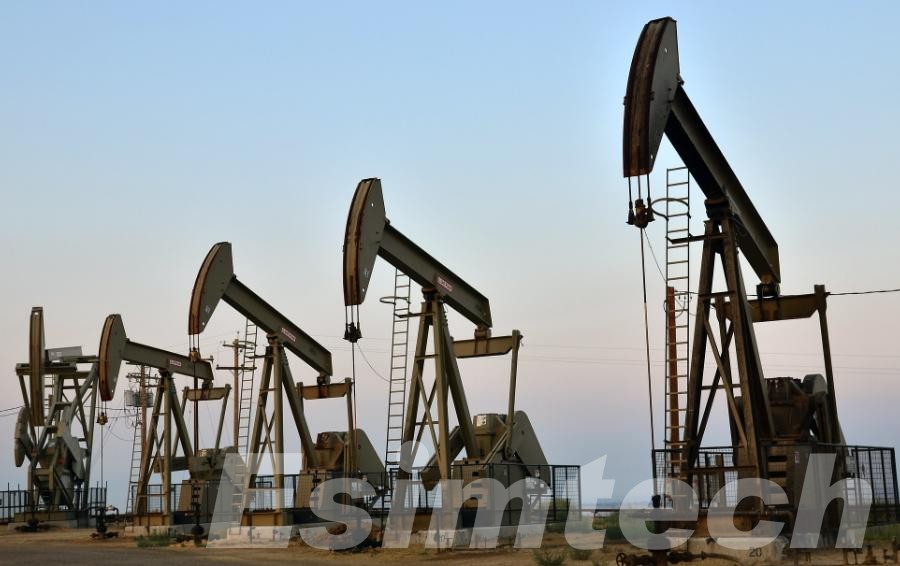
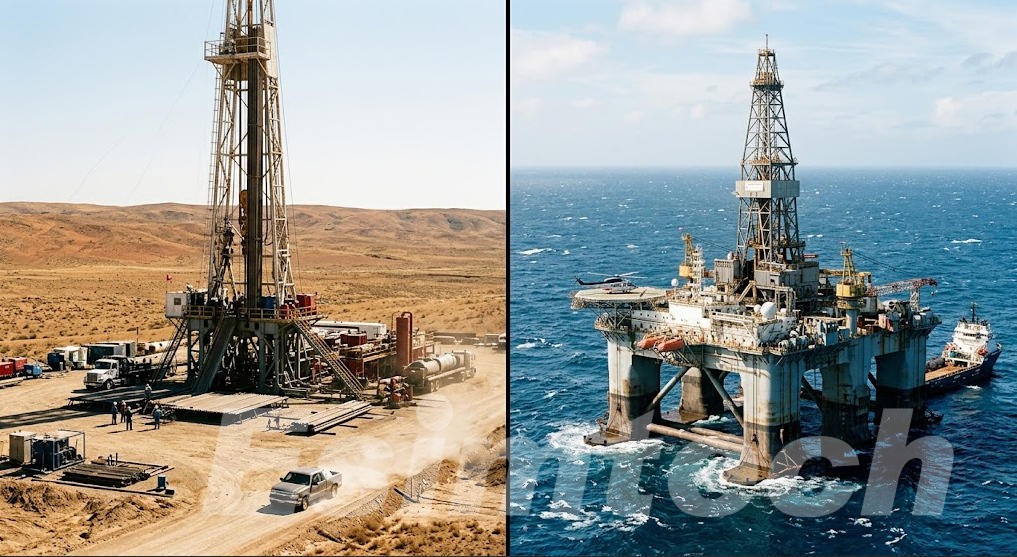
Land rigs are drilling systems made for oil and gas exploration and production onshore. They run on solid ground, including deserts, plains, forests, and various terrestrial locations. Land rigs are typically used in big oil-producing areas where underground reservoirs can be reached from the surface.
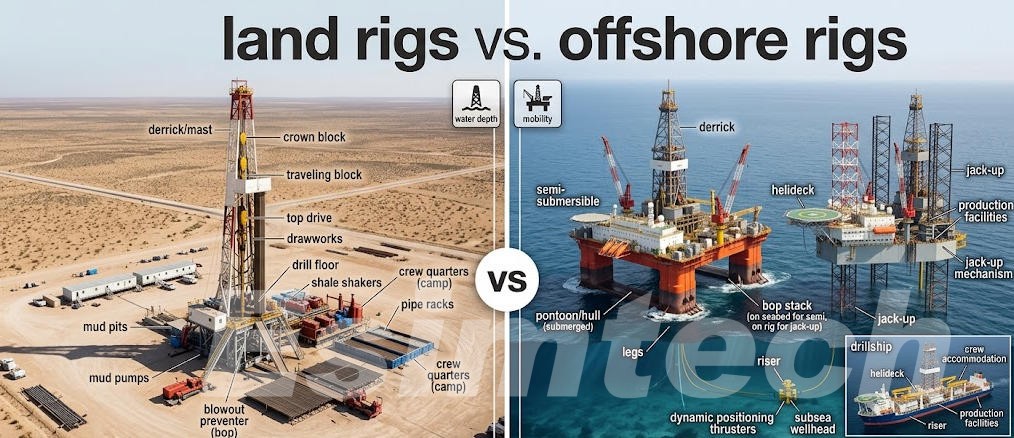
These rigs usually are put together with a drilling mast, substructure, power system, mud circulation system, blowout prevention equipment and some supporting facilities. Depending on drilling depth plus geological conditions, land rigs can be anywhere from little mobile units to big high-capacity drilling systems.
Land oil rigs are broadly used for conventional drilling, shale oil and gas extraction, and also deep well projects. Modern land rigs often add automation technologies, better control systems, and real-time monitoring to boost drilling efficiency, while also watching safety a bit more closely.
Overview of Offshore Rigs
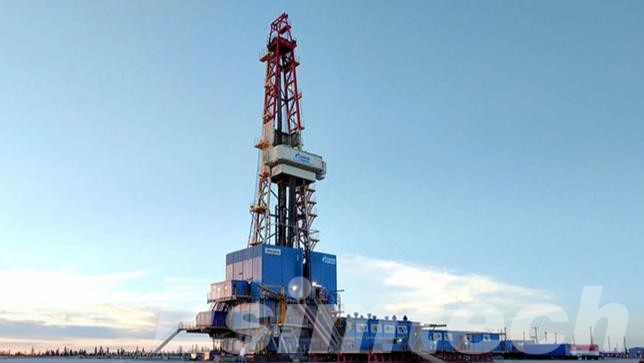
Offshore rigs are specialized drilling platforms designed to operate in marine environments, including shallow waters, deepwater areas, and ultra-deepwater regions. They allow oil and gas companies to access reservoirs located beneath the seabed.
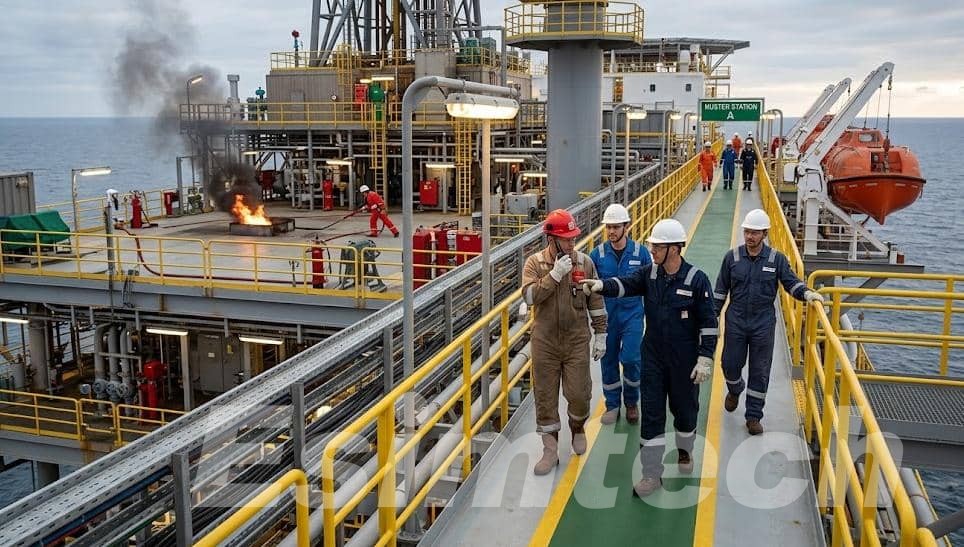
Unlike land rigs, offshore rigs must withstand harsh marine conditions such as strong waves, storms, corrosion, and extreme weather. Their designs include floating platforms, fixed platforms, drilling vessels, and other marine-based systems.
Common types of offshore rigs include jack-up rigs, semi-submersible rigs, drillships, and fixed production platforms. These systems use advanced positioning technologies, subsea equipment, and sophisticated drilling control systems to safely operate in challenging environments.
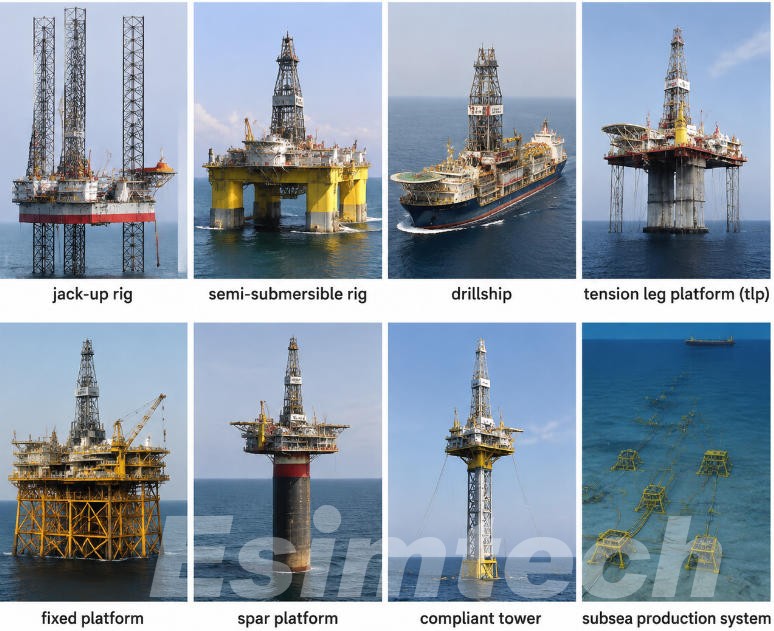
9 Main Differences Between Land Rigs and Offshore Rigs
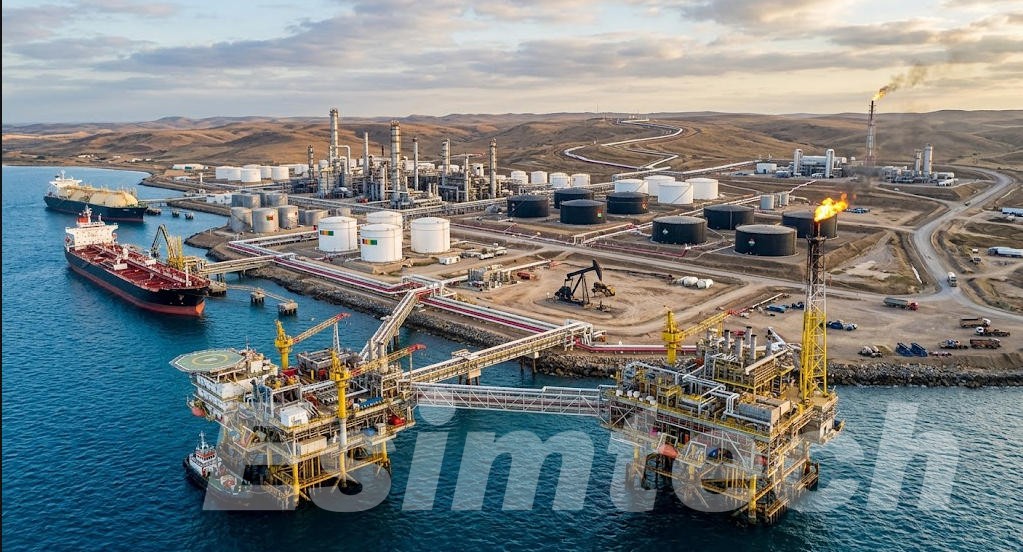
Land rigs are used for onshore drilling jobs, where wells are drilled from points located on solid ground. Offshore rigs are meant for the sea, and they let operators reach oil and gas reservoirs under the seabed. Because of that, the differences between these types influence everything from how they’re built to budgets, to safety practices, maintenance routines and the actual drilling capabilities.
1. Operating Environment and Location
The most obvious difference between land rigs and offshore rigs is the setting they work in. Land rigs are put onshore, for example deserts, grasslands, forest zones, and remote oil fields. Because they run on stable ground they can be held in place by conventional foundations, and teams usually reach them quickly via roads or other transportation options.
Offshore rigs work in oceans, seas, and nearshore waters where oil and gas sit under the seafloor. These rigs have to be built to manage ocean life conditions, like rough waves, strong winds, corrosion from saltwater, and weather that changes without warning. Depending on the water depth, and the geological makeup, an offshore setup might be a fixed platform, a floating arrangement, a semi-submersible drilling rig, or even a drilling vessel.
The separate environments create big engineering differences. On land rigs mostly they deal with geological and geographical constraints, while offshore rigs need to handle drilling requirements too, plus marine engineering obligations.
2. Rig Design and Structure
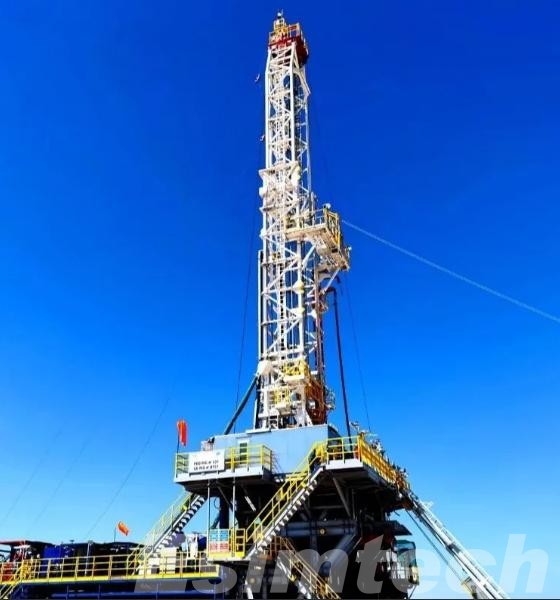
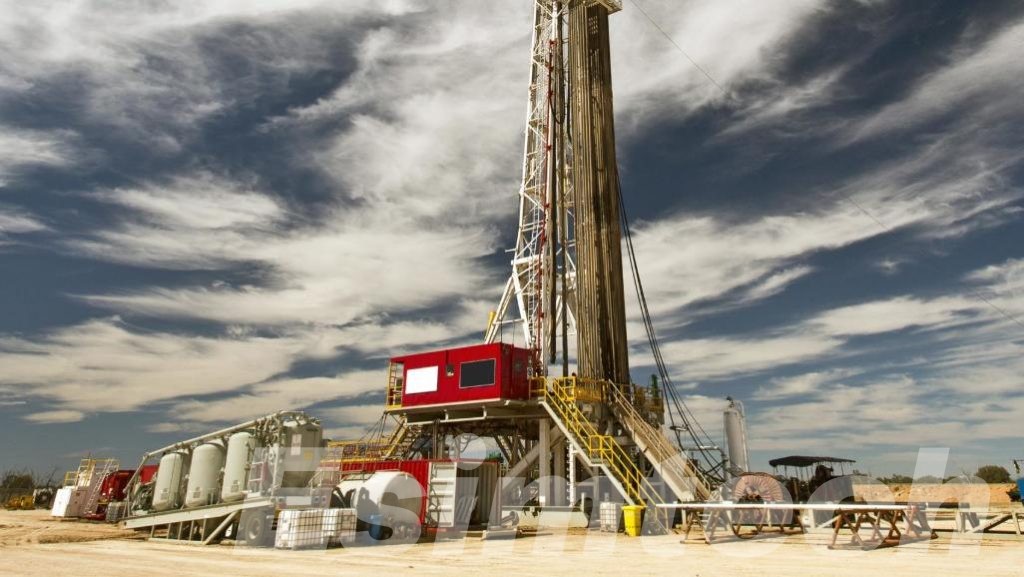
Land rigs tend to have more straightforward structures since they’re erected on stable ground. A normal land rig is usually made up of a derrick or mast, the drilling floor, power systems, mud circulation equipment, and well control gear. These parts can be hauled to the drilling site and put together using fairly clear and direct methods.
Offshore rigs often call for far more involved designs because they have to stay steady during operations in the water. Fixed offshore platforms are attached straight to the seabed. Floating rigs instead depend on advanced mooring setups or dynamic positioning, to keep their position.
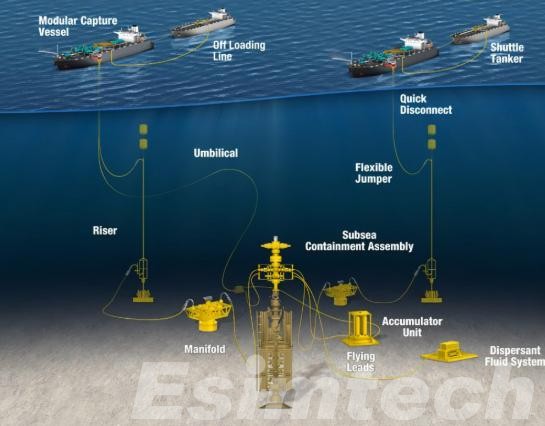
Offshore drilling systems also need dedicated equipment, like subsea blowout preventers, undersea control systems, and remote observation technologies. Some pieces are not interchangeable, so planning has to be pretty careful.
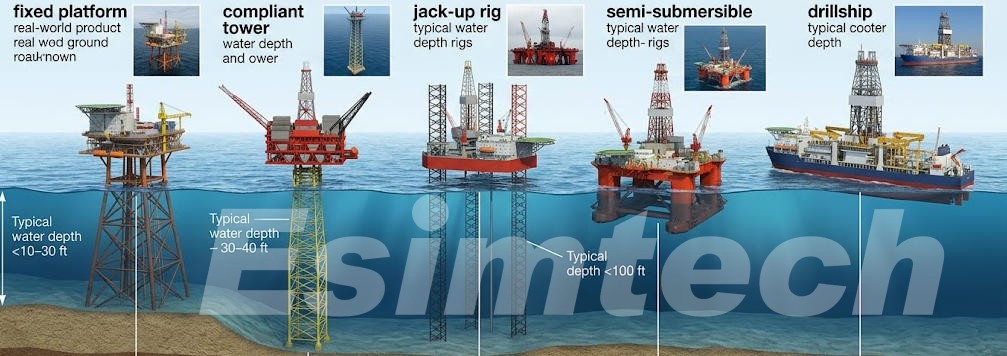
3. Cost and Investment Requirements
Cost is one of the major differences between land-based rigs and offshore rigs. Usually land drilling projects need less upfront money because sending equipment to the site, setting it up, and keeping it functional is easier. A company can dispatch workers, tools, and materials straight to the location by using standard transportation, and the process stays relatively direct.
Offshore drilling demands a much larger investment, mainly because of advanced engineering, specialized gear, and the supporting infrastructure that must be in place. Offshore platforms, drilling vessels, subsea systems, plus marine logistics and service contracts, all stack together and push the development expenses higher.
However, the bigger cost of offshore operations can be reasonable because offshore fields commonly hold large oil and gas reserves. After they are developed, those same fields can deliver a strong long term production run.
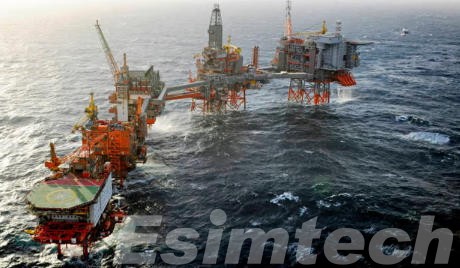
4. Drilling Depth and Resource Access
Both onshore rigs and offshore rigs can drill deep wells, but offshore rigs are usually built for the hardest drilling jobs around the world. Deepwater and ultra-deepwater work means the rigs must drill through thousands of meters of seawater and rock layers.
Onshore rigs are widely used for traditional oil fields, shale formations, and other unconventional sources. With the growth of horizontal drilling and hydraulic fracturing techniques, modern land rigs can work efficiently to bring out oil and gas from complicated underground structures.
Offshore rigs give access to reservoirs that can’t be reached from land. A lot of large oil and gas findings sit under the ocean floor, so offshore drilling becomes a key part of energy production worldwide.
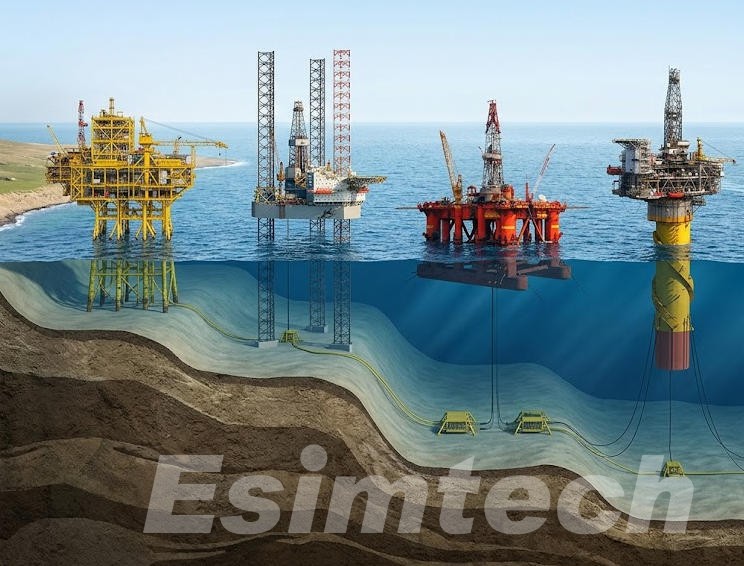
5. Technology and Equipment
Modern land rigs and offshore rigs both rely on advanced drilling technology, but offshore systems usually need more sophisticated solutions because of how the operation environment is set up.
On land, rigs commonly use automated drilling systems, top drive technology, directional drilling tools, and real-time monitoring systems to keep efficiency high. With those tools, operators can reduce drilling time and also fine tune well performance, in a more stable way.
Offshore rigs need some extra technologies , like dynamic positioning systems, subsea production equipment, advanced navigation systems, and remote-operated vehicles. With those tools, operators can keep control over the drilling work safely even when the wellhead is really far down below the ocean surface, beyond what a basic setup would handle.
6. Transportation and Logistics
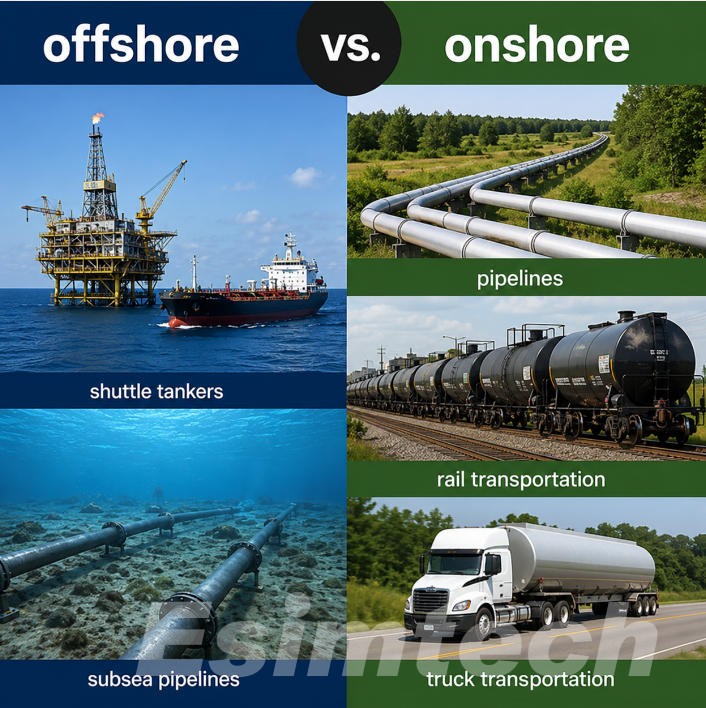
For land rigs, transportation and logistics can feel a lot easier, because the drilling site is usually reachable by roads, trucks, and other land based methods. Equipment, spare components, and personnel can be delivered in a more straightforward way, which reduces downtime while operations are running.
Offshore rigs need far more complex logistics, and honestly the whole chain has to be planned very tightly. Workers tend to move by helicopter or via specialized vessels, and at the same time the materials go out on offshore support ships. Since these sites are remote, companies have to coordinate every step of equipment delivery, align maintenance timing, and also set up emergency response actions.
That logistical difficulty usually pushes operating costs higher than what land drilling requires.
7. Safety and Operational Challenges
Safety is always treated as a top priority for both land and offshore drilling projects. On land, the risks can include well blowouts, machinery failures, fires, and injuries to workers. Strong well control procedures, safety training for everyone involved, and routine equipment inspections are needed so accidents do not happen.
Offshore rigs deal with all of these risks and, at the same time, extra marine hazards that people don’t always notice right away. Severe weather, ocean conditions, fewer chances for evacuation, and remote locations together make safety problems feel more severe than expected. Offshore operators have to keep rigid safety routines, clear emergency response plans, and training programs that are tailored for the people working there.
Advanced blowout preventers, monitoring systems, and specialized safety equipment are essential not just for worker protection but also to reduce the odds of environmental damage.
8. Environmental Considerations
Environmental management is another big difference when you compare land versus offshore drilling. Onshore work has to handle land disturbance, water usage, waste management, and emissions control. Companies often need to rehabilitate the drilling sites after the operations are completed.
Offshore operations are really about safeguarding the marine habitat, not just doing work at sea. Keeping oil releases from happening, controlling what goes out into the water, and dealing with offshore waste in a responsible way are core duties. Most offshore projects also need tight environmental rules and advanced technologies, so the marine food webs stay as undisturbed as possible.
9. Maintenance and Operation Flexibility
Land rigs usually have maintenance that feels more straightforward, because technicians can reach the equipment directly and replacement parts can arrive quickly. When trouble shows up, fixes are often finished without huge travel problems.
Offshore rig maintenance, on the other hand, tends to be more involved. The hardware sits in remote marine areas, so access is limited and timing matters. Getting things repaired can require specialized ships, extra staff, and longer lead times before anyone can begin. Because of that, offshore operators often rely on predictive maintenance approaches plus remote monitoring systems to limit sudden failures and reduce unplanned shutdowns.
Summary Comparison Chart
| Comparison Factor | Land Rigs | Offshore Rigs |
| Operating Location | Operate on land, including deserts, plains, and remote areas | Operate in oceans, seas, and offshore fields |
| Installation Method | Installed directly on prepared ground surfaces | Installed on fixed platforms, floating platforms, or drilling vessels |
| Construction Cost | Lower construction and setup costs | Much higher construction and installation costs |
| Operating Cost | Generally lower due to easier access and logistics | Higher due to offshore transportation, maintenance, and support requirements |
| Mobility | Easier to move between drilling sites using trucks and transport equipment | More difficult and expensive to relocate |
| Drilling Environment | Usually operates under more stable land conditions | Must withstand waves, storms, wind, and harsh marine environments |
| Water Depth Capability | Not designed for underwater drilling | Designed for shallow water, deepwater, and ultra-deepwater drilling |
| Equipment Complexity | Uses standard drilling equipment and support systems | Requires advanced marine, subsea, and positioning technologies |
| Well Control Systems | Uses conventional blowout preventers and drilling controls | Requires advanced subsea BOPs and remote control systems |
| Transportation & Logistics | Easier access for equipment, materials, and workers | Requires helicopters, supply vessels, and offshore logistics systems |
| Workforce Requirements | Workers can usually commute from nearby locations | Requires offshore crews, accommodation facilities, and rotation schedules |
| Maintenance | Easier inspection, repair, and equipment replacement | More challenging due to remote locations and marine conditions |
| Safety Challenges | Risks include blowouts, equipment failures, and land-based hazards | Additional risks include storms, offshore evacuation, and marine emergencies |
| Production Potential | Depends on available onshore oil and gas reserves | Can access large offshore reservoirs with high production potential |
| Environmental Concerns | Focuses on land disturbance, water use, and emissions | Focuses on marine ecosystem protection and spill prevention |
| Technology Level | Increasing use of automation and digital drilling systems | Requires highly advanced automation, subsea technology, and remote monitoring |
| Project Duration | Often shorter development and drilling timelines | Usually requires longer planning, construction, and development periods |
Future Development Trends in Land Rigs and Offshore Rigs
The future of both land rigs and offshore rigs will be shaped by automation, digitalization, and environmental improvements.
| Future Development Trend | Land Rigs | Offshore Rigs |
| Automation and Smart Rig Technology | Increased adoption of automated drilling systems, smart controls, and robotic equipment to improve efficiency and reduce human errors | Development of highly automated offshore platforms with intelligent control systems and remote operation capabilities |
| Digitalization and Data Management | Use of IoT sensors, cloud platforms, and real-time data analysis to optimize drilling performance and equipment management | Integration of advanced data platforms for monitoring drilling, production, subsea systems, and environmental conditions |
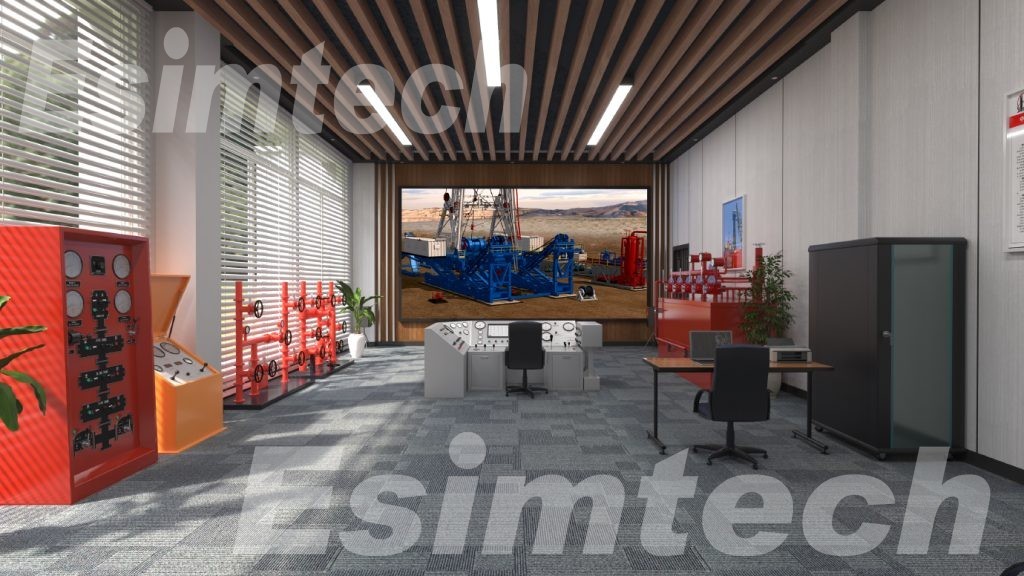
| Simulation Technology | Wider use of land rig simulators for operator training, drilling optimization, well control practice, and emergency response exercises | Expanded use of offshore rig simulators, advanced drilling simulators, and VR training simulation systems for complex marine operations |
| Artificial Intelligence (AI) Applications | AI helps optimize drilling parameters, predict equipment failures, and improve well planning | AI supports deepwater drilling decisions, predictive maintenance, reservoir analysis, and offshore safety management |
| Digital Twin Technology | Virtual models of land rigs help simulate operations, test improvements, and reduce downtime | Digital twins of offshore platforms and subsea systems enable real-time monitoring and operational optimization |
| Remote Monitoring and Control | Remote systems allow engineers to monitor drilling activities and equipment performance from centralized locations | Remote operation centers will play a larger role in controlling offshore drilling and reducing offshore personnel requirements |
| Advanced Drilling Methods | Continued development of horizontal drilling, extended reach drilling, and improved unconventional resource extraction technologies | Growth of deepwater, ultra-deepwater, and advanced subsea drilling technologies |
| Safety Improvement | Enhanced well control systems, automated safety monitoring, and simulator-based training improve worker protection | Advanced emergency response systems, offshore safety simulators, and improved evacuation technologies enhance operational safety |
| Predictive Maintenance | Smart sensors and data analysis help detect equipment issues before failures occur | Advanced monitoring systems improve reliability of offshore equipment such as BOPs, risers, and subsea systems |
| Environmental Protection | Focus on reducing emissions, improving waste management, and using cleaner drilling technologies | Greater emphasis on spill prevention, marine ecosystem protection, and low-carbon offshore operations |
| Energy Efficiency | More use of electric-powered equipment, optimized power systems, and energy-saving technologies | Adoption of hybrid energy systems, efficient offshore platforms, and renewable energy integration |
| Workforce Development | Operators require more skills in automation, digital systems, and advanced drilling technologies | Offshore crews need expertise in digital operations, subsea technology, simulation training, and remote systems |
| Cost Optimization | Modular rig designs and improved drilling efficiency help reduce project costs | New platform designs, automation, and digital technologies aim to lower expensive offshore operating costs |
Final Thoughts
Land rigs and offshore rigs share the same basic reason, meaning they go after oil and natural gas, but the differences really matter. Land rigs usually come with lower costs, smoother logistics, and more operational flexibility, so they fit onshore reservoirs. Offshore rigs provide access to large underwater reservoirs but require advanced technology, higher investment, and more complex operations.
Deciding between land and offshore drilling depends on resource location, project requirements, environmental conditions, and economic considerations. As drilling technology keeps improving, both types of oil rig platforms will stay important parts of the global energy industry.