Well Workovers vs. Well Interventions: How to Choose the Right Method

Written By: Computer Science Professor
Deeply rooted in the R&D of simulators for the oil and gas industry, committed to bringing safety to every oil worker.
In the oil and gas sector, keeping a well both productive and safe is pretty critical. A couple of terms you’ll often hear are well workovers and well interventions. They sound similar at first glance, but really they do not quite mean the same thing. Each one shows up with different aims, distinct kinds of operations, and a different overall scope. Getting the separation right can help operators fine tune spending, boost well performance, and stretch the useful life of their assets, without wasting time or creating extra risk.
Understanding Well Workovers
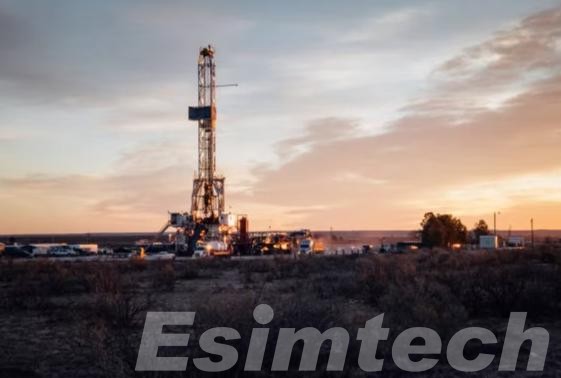
A well workover is sort of a major maintenance, repair, or enhancement operation done on an existing oil or gas well, not just a quick touch-up. Usually, well workovers are more involved than simpler fixes, and a workover rig or some specialized gear is often required. The main idea is pretty clear: to handle issues that can’t really be solved with easier maintenance procedures alone.
In practice, well workover operations might mean replacing damaged tubing, repairing downhole equipment, lifting out obstructions, re-perforating the production zones, stimulating the reservoir, or changing the well completion design. All of that is meant to bring production efficiency back up and also keep the well operating in a continued safe way.
Advantages
1. Restoring Lost Production
A big part of the workover benefit is that you can recover production that has been sliding down, mostly because of equipment failures, scale buildup, paraffin deposits, sand accumulation, or some reservoir related issues. Once those are addressed, operators usually end up boosting production rates quite a bit, even if the decline had been going on for a while.
2. Extending Well Life
A properly planned workover can extend how long a well stays productive, sometimes for several years. By swapping out worn components and repairing damaged well sections, premature plugging and abandonment can be avoided, and the whole return on investment tends to look better.
3. Improving Reservoir Access
In certain situations, hydrocarbon zones that were basically left alone before can be reached again through re-perforation, recompletion, or sidetracking work. That means operators can raise recoverable reserves, without having to drill a brand new well from scratch.
4. Enhancing Operational Safety
Older wells can start showing integrity troubles like tubing corrosion, casing wear or packer failures. Workovers create a chance to find these problems early, then fix them before they grow into bigger safety or environmental risks.
5. Increasing Economic Value
Sure, workovers do cost real money, but they’re often still cheaper than drilling new wells. When production is restored, or even upgraded, the extra revenue can pile up, while existing infrastructure is already there, which helps a lot.
6. Supporting Advanced Production Techniques
Workovers also let teams install more advanced oil production technologies, such as artificial lift, better monitoring equipment, and intelligent completion setups. With those in place, operational efficiency tends to improve, and the system can keep performing more consistently over time.
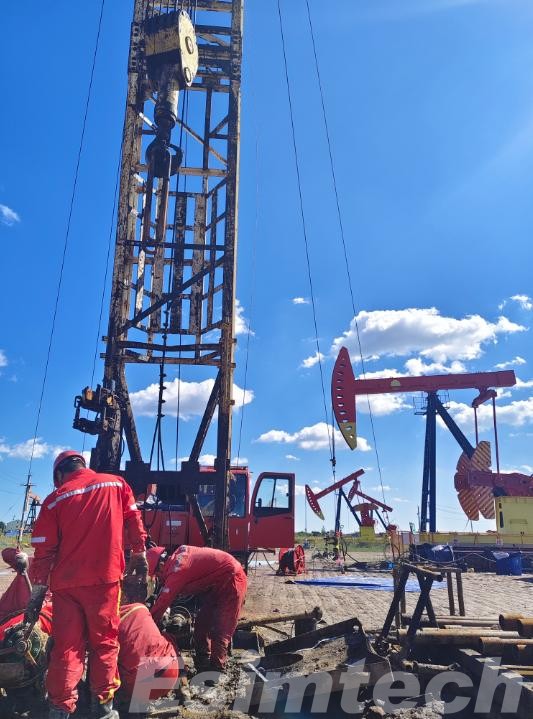
Common Well Workover Activities
This chart provides the common well workover activities in the oil and gas industry. Actual workover programs vary depending on well conditions, reservoir characteristics, production objectives, and economic considerations.
| Workover Activity | Primary Purpose | Benefits |
| Tubing Repair or Replacement | Replace damaged, corroded, or leaking tubing | Restores production efficiency and well integrity |
| Pump Maintenance or Replacement | Repair or replace artificial lift equipment | Improves fluid lifting performance and production rates |
| Wellbore Cleanout | Remove sand, debris, scale, or obstructions | Enhances flow capacity and reduces restrictions |
| Scale and Wax Removal | Eliminate deposits within tubing and equipment | Improves fluid flow and reduces operational issues |
| Packer Repair or Replacement | Restore zonal isolation within the well | Prevents fluid migration and improves production control |
| Reservoir Stimulation | Acidizing or hydraulic fracturing treatments | Increases reservoir permeability and production |
| Re-perforation | Create new flow paths into the reservoir | Accesses bypassed or underperforming zones |
| Water Shutoff Treatment | Reduce unwanted water production | Improves hydrocarbon recovery and lowers disposal costs |
| Gas Lift System Modification | Upgrade or optimize gas lift performance | Enhances artificial lift efficiency |
| Well Recompletion | Reconfigure the well to produce from another zone | Extends well life and increases reserve recovery |
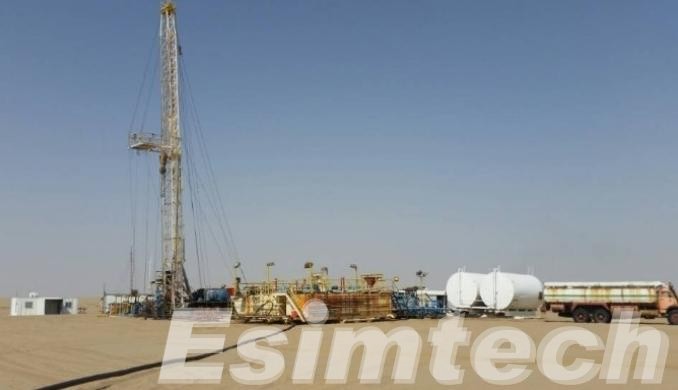
Understanding Well Interventions
A well intervention is, basically, any kind of operation done on a pre-existing oil or gas well, with the goal of making things work better. This can mean improving production, collecting data, repairing equipment, or bringing back well integrity… and it’s not quite the same thing as a major workover. In most cases, a well intervention is less invasive, and you usually don’t need a traditional drilling rig or full workover rig.
Well interventions happen pretty much across the entire life of the well. They matter a lot for tuning production, cutting down on dead time, and generally pushing the asset life further. Nowadays, the techniques lean on specialized tools-wireline systems, coiled tubing units, hydraulic workover setups, and remotely operated tools, used to reach into the well and service it.
Advantages
- Lower Operational Costs: When you compare it to major workover type work, well interventions often need less gear, fewer people on site, and shorter job windows. That combination usually brings costs down.
- Reduced Production Downtime: A lot of interventions can be done quickly, so production doesn’t have to pause for long. This helps operators keep revenue coming in without too many interruptions.
- Enhanced Production Performance: Interventions can clear up limitations, improve reservoir contact, and refine production systems. The result is often higher hydrocarbon recovery, which is pretty much the point.
- Improved Well Monitoring: Diagnostic interventions deliver useful insight on reservoir behavior, equipment health, and overall well integrity. With that information, operational decisions are more grounded and less guessy.
- Extended Well Life: Routine interventions can stop small problems from turning into bigger failures. So the well stays productive longer, instead of slipping into costly breakdown territory.
- Increased Operational Safety: Regular inspections and maintenance lower the odds of equipment issues, well integrity troubles, and safety incidents. Less failure risk generally means a safer work environment.
Common Well Intervention Techniques
Well intervention techniques are designed to maintain production efficiency, diagnose issues early, and extend the productive life of a well while minimizing downtime and cost.
| Intervention Technique | Description | Typical Application |
| Wireline Intervention | Uses electric/mechanical cable to deploy tools into the well | Logging, perforating, setting plugs, retrieving data |
| Coiled Tubing Intervention | Uses continuous steel tubing inserted into the well | Cleanouts, acidizing, nitrogen lifting, stimulation |
| Chemical Treatment | Injection of chemicals into the wellbore or formation | Scale removal, corrosion control, wax dissolution |
| Well Logging | Measurement of downhole conditions and reservoir data | Pressure/temperature monitoring, production analysis |
| Sand and Scale Removal | Mechanical or fluid-based removal of solids | Restoring flow capacity and reducing blockage |
| Hydraulic Workover Units | Uses hydraulic rig to perform pressurized interventions | High-pressure wells, live well operations |
| Perforating Operations | Creating or reopening flow channels in casing | Accessing new or bypassed reservoir zones |
| Plug Setting and Retrieval | Installing or removing downhole plugs | Zone isolation, temporary abandonment |
| Pressure Testing | Evaluating integrity of well components | Detecting leaks and ensuring safety |
| Downhole Valve Operations | Opening/closing or adjusting subsurface valves | Flow control and production optimization |
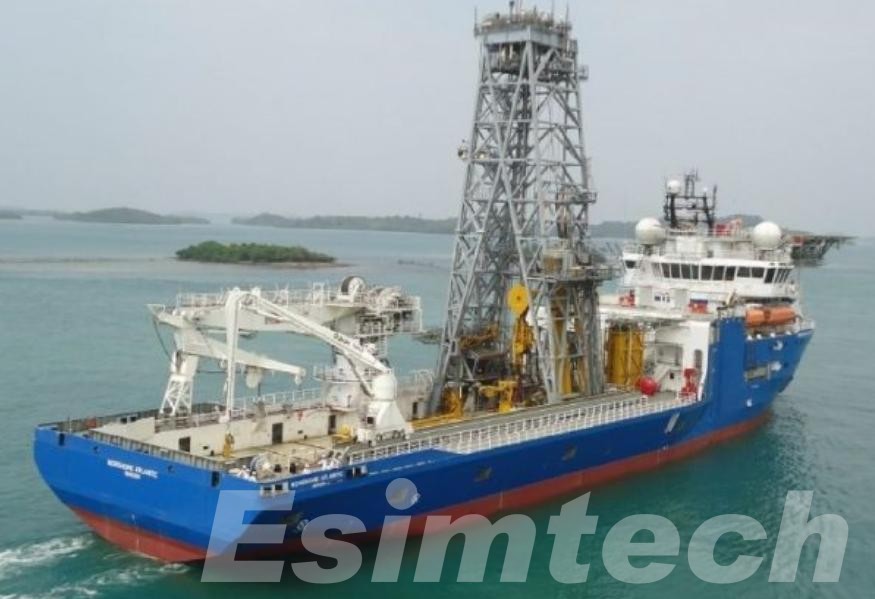
Key Differences Between Well Interventions and Well Workovers
The following chart provides a comparison of Well Workovers vs. Well Interventions.
| Aspect | Well Workover | Well Intervention |
| Scope | Major mechanical operations on the well | Minor or medium adjustments and maintenance |
| Objective | Restore, maintain, or enhance production through significant repairs or modifications | Optimize production, gather data, or perform small repairs without major disruption |
| Equipment | Workover rigs, coiled tubing units, heavy downhole tools | Wireline tools, coiled tubing, hydraulic workover units, chemical treatments |
| Production Downtime | Longer (days to weeks) | Shorter (hours to a few days) |
| Cost | High | Relatively low |
| Complexity | High, often involves full rig mobilization | Lower, often uses lighter, more flexible equipment |
| Examples of Activities | Tubing replacement, pump repair, re-perforation, recompletion, reservoir stimulation | Logging, sand or scale removal, minor equipment repair, chemical treatment, valve adjustments |
| When to Use | Severe mechanical failures, significant production decline, or well life extension | Routine maintenance, minor repairs, production optimization, early diagnosis of issues |
| Impact on Well | Major changes, potential modification of well structure | Minimal changes, maintains current well structure |
| Risk Level | Higher due to complexity and equipment involved | Lower due to lighter operations and shorter duration |
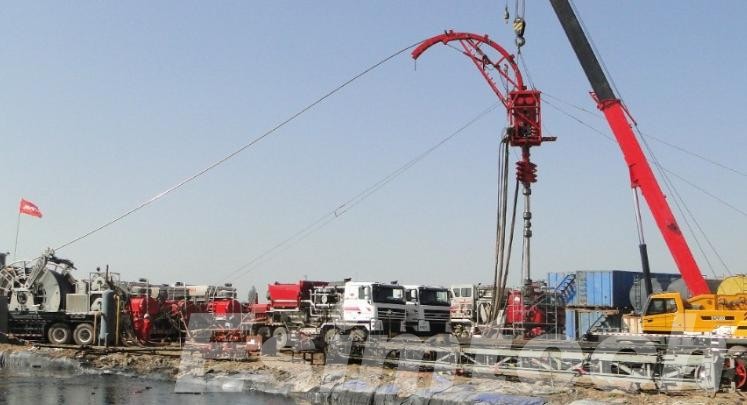
Key Factors to Consider for Choosing Between Well Workovers and Well Interventions
Selecting the right method between well workovers and well interventions, requires careful evaluation of multiple technical, economic, and operational factors.
1. Well Condition and Failure Severity
The physical state of the well is often the main driver, in choosing between a workover and an intervention. Wells that show serious mechanical trouble, like tubing failure, collapsed casing sections, or damaged packers, usually need a workover. In these cases, there are major downhole repairs involved, and the problems cannot be fixed with lighter methods, or with minimal contact approaches.
On the other hand, wells dealing with modest production decline due to scale buildup, sand production, wax deposits, or a few localized equipment inefficiencies are frequently good candidates for well intervention. These issues are commonly handled with wireline tools, coiled tubing, or chemical treatments, without major structural changes inside the wellbore.
2. Economic Evaluation and Cost Efficiency
Cost is one decisive factor in operational planning. Workovers generally need rig mobilization, extensive manpower, and longer timeframes for execution, this all adds up to higher overall expenses. Yet, they can still be justified, if the expected production recovery or a meaningful extension of well life turns out substantial, at least on paper.
Well interventions, conversely, are often more cost-efficient because the equipment needs are lighter and the job execution is shorter. In practice, operators frequently favor interventions when the predicted production uplift can be reached without the large investment tied to workover operations.
3. Production Objectives and Reservoir Access
What you want to produce in the end matters a lot for the decision. If the goal is to raise output notably, access fresh hydrocarbon zones, or carry out a recompletion in another reservoir layer, a workover is usually required since it can handle bigger well configuration changes.
When the goal is to keep stable production, remove flow restrictions, or carry out diagnostic evaluations, well interventions are usually sufficient. These operations are meant to improve what is already working, without really changing the well architecture in a big fundamental way.
4. Operational Risk and Safety Considerations
Safety and operational risk are central concerns in any well activity. Workovers tend to involve complex procedures, heavier equipment, and longer exposure to well control risks, and that can raise the probability of operational difficulties. Because of that, they demand detailed planning, strict safety protocols, and highly skilled crews.
Well interventions are often less invasive and can frequently be done while the well is still under pressure, depending on the technique being used. This approach reduces operational risk, and it also limits downtime so it becomes a preferred choice for routine maintenance and also for problems that are not extremely severe.
5. Equipment Availability and Technological Capability
The availability of specialized equipment and technology can strongly steer the chosen approach. Advanced tools like coiled tubing units, wireline logging systems, and hydraulic workover units broaden the spectrum of jobs that can be tackled using intervention techniques, in practice.
Still, when the needed repairs go beyond what intervention technologies can reasonably handle, for example a full tubing replacement or a major completion redesign, then a workover becomes necessary. The decision usually hinges on whether the available tools can accomplish the target result safely, and with enough reliability.
6. Regulatory and Environmental Constraints
Regulatory obligations and environmental concerns also matter a lot. Workovers can require more extensive permitting, longer run times, and a higher overall environmental footprint because heavier equipment is involved. In sensitive settings or offshore areas, these issues may raise operational difficulty quite a bit.
Well, interventions that are smaller in scale and shorter in duration often end up with a reduced environmental footprint, and they can run into fewer regulatory hurdles. So it can become more compelling when the compliance rules are strict, or when the goal is to limit environmental disturbance.
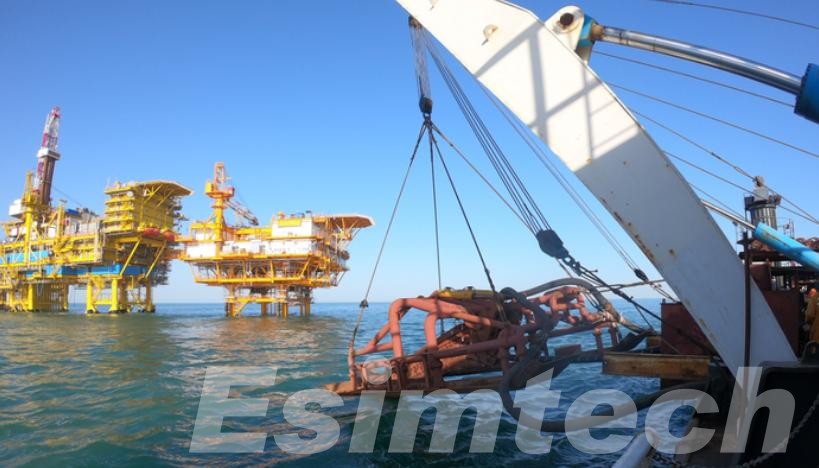
7. Well Downtime and Production Impact
The level of production downtime that gets needed is another major factor. Workovers usually mean shutting in the well for longer stretches, and that can translate to major production losses, during the time operations are happening. This is especially important in high-value production settings.
Well interventions, in contrast, tend to demand less downtime and in some cases they can even enable live well activity. That makes them rather valuable for keeping production moving without interruption and for reducing revenue losses.
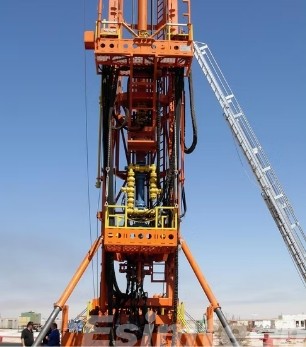
Innovations in Well Workovers and Well Interventions
Innovations in both well workovers and well interventions focus on improving safety, efficiency, and reservoir performance while reducing cost and environmental impact.
| Innovation Area | Well Workovers | Well Interventions | Impact |
| Automation & Digitalization | Automated rig operations, remote monitoring of downhole tools | Real-time data logging, automated wireline and coiled tubing operations | Reduces human error, increases precision, improves operational efficiency |
| Advanced Coiled Tubing Technology | High-strength, flexible tubing for deep and complex wells | Lightweight, high-pressure tubing for live-well interventions | Enables deeper reach, safer operations, and reduced downtime |
| Intelligent Completion Systems | Integration of sensors, valves, and control systems during workovers | Smart sensors for monitoring production and reservoir conditions | Optimizes production, enables predictive maintenance, reduces risk |
| Enhanced Reservoir Stimulation | Targeted hydraulic fracturing and acidizing during workovers | Micro-scale stimulation treatments via coiled tubing or chemical injection | Improves reservoir connectivity, increases hydrocarbon recovery |
| Simulation Technologies | 3D workover simulators, virtual planning, stress analysis | Real-time well intervention performance simulation, scenario testing | Allows operators to predict outcomes, optimize procedures, and reduce operational risk |
| Remote and Offshore Capabilities | Workovers using remote-controlled rigs for offshore wells | Remote-operated wireline and coiled tubing interventions | Expands operational reach, improves safety in hazardous environments |
| Non-Invasive Diagnostics | Advanced well logging tools deployed during workover to assess formation and equipment | Fiber-optic sensors, real-time pressure and temperature monitoring | Provides accurate data without extensive well disruption |
| Environmentally Friendly Solutions | Low-emission rigs, reduced fluid usage | Eco-friendly chemicals and minimal-disruption interventions | Reduces environmental footprint, ensures regulatory compliance |
Final Thoughts
Even though both well workovers and well interventions are meant to keep things running and boost the well productivity, the scale, the equipment, the expense, and the downtime can look very different. Operators should, with care, judge the wells current state, any operational limits on site, and the money-related drivers before choosing what to do. If they understand how these two differ, oil and gas companies can better tune production, lower hazards, and extend the useful life of their assets.